Ornamental · Asteraceae
Yarrow
Achillea millefolium
Plant it in full sun and poor, dry soil, then leave it be, and yarrow flowers all summer.
Full sun
USDA 3–9
1–3 ft · 0.3–0.9 m
Overview
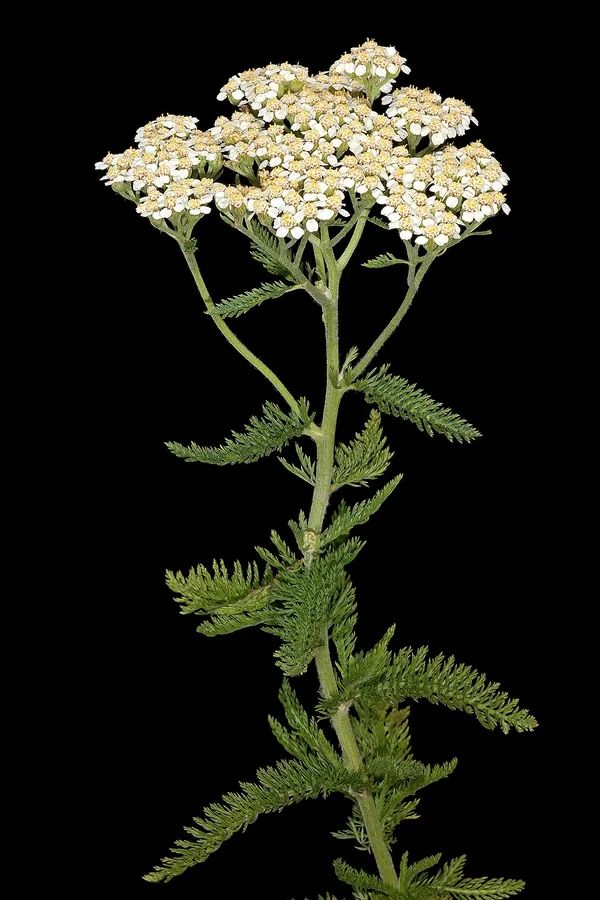
Yarrow is one of the toughest flowers you can put in the ground. It carries flat-topped clusters of bloom over soft, fern-like foliage that smells sharp when you crush it, and it pulls in butterflies and other pollinators from early summer into fall. Once it's settled, it shrugs off heat, drought, and poor soil that would finish off fussier plants.
It's a hardy perennial for zones 3 to 9, which means it dies back each winter and returns on its own every spring. The wild species runs cream to white, but named cultivars stretch the range into red, rose, gold, and salmon. Most stay between 1 to 3 feet (30 to 91 cm) tall and spread about as wide.
The one thing to know going in is that yarrow likes to wander. It travels by underground runners and sows itself from seed, so a tidy clump can turn into a sprawling patch if you ignore it. Give it room, divide it now and then, and that vigor works for you instead of against you.
Care
The short version: full sun and lean, dry, well-drained soil. Water it sparingly, skip the fertilizer, and divide the clump every few years to keep it vigorous and in bounds.
Light
Give yarrow full sun, six hours a day or more, and it grows sturdy and blooms hard. It will take a little afternoon shade, but the stems stretch and flop in anything dimmer, and the flowering thins out.
Water
This is a drought-tough plant that wants to dry out between drinks. Water young plants until they root, then back right off, because soggy soil is the fastest way to rot the crown. Once established, it usually gets by on rainfall alone.
Soil
Lean, well-drained ground is the whole secret. Loam, sand, even poor or alkaline soil all suit it, and a pH anywhere from 6.0 to 8.0 is fine. Rich soil only grows weak, floppy stems, so resist the urge to improve it.
Humidity
Outdoor humidity is no concern, so there's no level to manage. What matters is air moving through the plant, since still, damp air is what brings on powdery mildew and rust.
Feeding
Feed it almost nothing. Yarrow flowers best and lives longest in nutrient-poor soil, and a dose of fertilizer just gives you lush, weak growth that lodges. Skip it unless your ground is truly bankrupt.
Pruning
Deadhead spent flowers through the season to stretch the bloom and cut down on self-seeding. Trim back sprawling stems as they appear, then shear the whole plant once flowering winds down to keep it neat.
Size & spacing
Plants reach 1 to 3 feet (30 to 91 cm) tall and spread about as wide. Set them 12 to 18 inches (30 to 45 cm) apart so air moves freely and the clumps don't smother each other.
When to plant
Yarrow follows the seasons. Start seed indoors in late winter or sow it outside in spring, set young plants out once the frost has passed, and the flat flower heads carry the show from June into September.
Northern hemisphere
Southern hemisphere
Typical months for a temperate climate: start earlier in warm zones, later where spring frosts linger.
- Sow: Start seed indoors 6 to 8 weeks before the last spring frost.
- Plant: Transplant after danger of frost has passed in spring, spacing plants 12 to 18 in apart.
- Harvest: Blooms June to September, with flat-topped flower clusters from early summer into fall.
Hardiness
USDA hardiness zones: 3–9
Temperature: down to -40°C
Troubleshooting
Almost every yarrow problem traces back to one mistake: treating it like a thirsty, hungry plant. Too much water, too much shade, or soil that's too rich brings on the rot, mildew, and flopping below. Read the early signs and the fix is usually less, not more.
Plants rotting at the base in soggy ground
This is root and crown rot, and it comes from soil that stays wet rather than from any disease you can spray off. Yarrow is built for lean, dry ground, so it sulks and collapses where water lingers. Move it to a sunny, well-drained spot, cut off the supplemental watering once it has rooted, and clear away any mushy crowns before you divide the healthy outer growth.
Fix:
- Move or replant in a well-drained, full-sun site
- Stop supplemental watering once established
- Remove rotted crowns and divide healthy outer growth
Dusty white coating spreading across the leaves
That white film is powdery mildew, a fungus that settles in when the air is damp and the plants are packed too tight. It rarely kills yarrow, but it makes the foliage look tired. Thin the clump for better airflow, water at the base instead of overhead, and keep the plant in full sun with sharp drainage.
Fix:
- Improve air circulation by thinning and proper spacing
- Avoid overhead watering
- Site in full sun with good drainage
Flowering stems flopping into a tangled mat
Lodging happens when soft stems give way under their own flower heads, usually because the soil is too rich or the spot is too shady and wet. Grow yarrow hard, in full sun and lean, dry ground, and the stems stand up far better. Shear the plant back after it blooms and divide crowded clumps to keep the growth compact.
Fix:
- Grow in full sun and lean, dry soil for sturdier, more compact growth
- Cut back or shear after flowering
- Divide crowded clumps
Rusty orange pustules dotting the foliage
Those raised orange specks are rust, a fungus that takes hold when leaves stay wet for long stretches. Strip off the infected foliage and bin it so the spores don't carry on. Open the plant up for better air movement, keep the leaves dry, and hold it in full sun with good drainage.
Fix:
- Remove and dispose of infected foliage
- Improve air circulation and avoid wetting foliage
- Maintain full sun and good drainage
Toxicity
Yarrow is a mild caution around animals rather than a serious poison. The leaves and flowers hold alkaloids and volatile oils that can upset a stomach and irritate skin, so keep grazing pets and curious nibblers away from it. People have long used it as a folk remedy, but it isn't food, and the sap leaves some hands red and itchy.
Toxic to
Cats · Dogs · Horses · Rabbits · Livestock · Birds · People
Cats Mild
A cat that nibbles yarrow usually shows drooling and an upset stomach, with vomiting or loose stools. The plant is a mild caution rather than a serious danger, and the skin can also flare where the sap touches it.
Dogs Mild
Dogs tend to react with drooling, vomiting, and diarrhea after chewing the leaves, and some lose their appetite and turn dull. Keep it a mild caution in your mind, since most cases pass on their own.
Horses Mild
A horse grazing yarrow may drool, scour, or show signs of colic, especially if it eats a good amount. The effect stays at the mild end, though the volatile oils can leave the skin tender.
Rabbits Caution
The same alkaloids and oils that bother other animals make yarrow a poor choice for rabbits. Treat it as a caution and keep it out of the hutch, since a rabbit's gut handles trouble badly.
Livestock Caution
Cattle, sheep, and goats mostly leave yarrow alone for its bitter taste, but a hungry animal grazing it in quantity can pick up the same stomach upset. Worth a caution where pasture is thin.
Birds Caution
There's little reason to offer yarrow to pet or backyard birds, and the achilleine it carries makes it a caution rather than a treat. Keep cut stems and seed heads out of reach.
People Caution
People have long used yarrow as a folk remedy, but it is not a salad green, and handling it can leave sensitive skin red and itchy. Wear gloves when you cut it, and treat any eating of the plant as a caution.
Sesquiterpene lactones and volatile oils can cause contact dermatitis in sensitive people; consider gloves when handling or cutting plants.
Helpline numbers

United States
ASPCA Animal Poison Control: (888) 426-4435 (fee applies)
Poison Control: (800) 222-1222



Canada
Poison Centres: 1-844-764-7669
Varieties
The wild species spreads hard and runs cream to white, so most gardeners reach for a named cultivar with brighter color or a tidier habit. These are a few worth knowing.
Paprika
A spreading, mat-forming yarrow whose dusty-red flowers and yellow eyes soften to pink and creamy yellow as they age, though it sprawls and lodges more than most.
New Vintage Rose
A compact rose-pink selection bred to stand up straighter and stay tidier than the wild species.
Strawberry Seduction
This one carries deep strawberry-red blooms with yellow centers that mellow to softer shades over the season.
How to propagate
Yarrow multiplies almost too easily, whether you split an established clump or let it grow from seed.
DivisionEasy
Divide established clumps in spring or fall, every 2 to 3 years. · Divisions root and re-establish within one growing season.
Division is the surest way to multiply yarrow and the easiest way to keep it in bounds. Lift an established clump in spring or fall every 2 to 3 years, split off the vigorous outer growth, and space the pieces 12 to 18 inches (30 to 45 cm) apart. They settle in and take hold within a single growing season.
SeedEasy
Sow indoors 6 to 8 weeks before last frost or direct sow in spring. · Germinates readily; flowers the first or second season.
Yarrow grows easily from seed too. Start it indoors 6 to 8 weeks before your last frost, or scatter it straight in the ground in spring, and it comes up fast and flowers in its first or second year. It also self-seeds with abandon, so deadhead the spent flowers if you'd rather not chase volunteers.
Myths
Yarrow needs rich soil and frequent watering and feeding to thrive.
It's the opposite. Yarrow does its best work in lean, dry, well-drained ground under full sun, and the richer you make life for it, the floppier and shorter-lived it gets. Pampering yarrow is how you kill it, since wet, fertile soil invites the root rot that ends the plant.
Yarrow is a tidy clump that stays where you plant it.
The wild species is a traveler. It pushes out in every direction on rhizomes and sows itself freely from seed, so a single plant can spread into a patch within a season or two. Divide it and deadhead it regularly, or pick a sterile named cultivar if you want it to stay put.