Ornamental · Violaceae
Viola
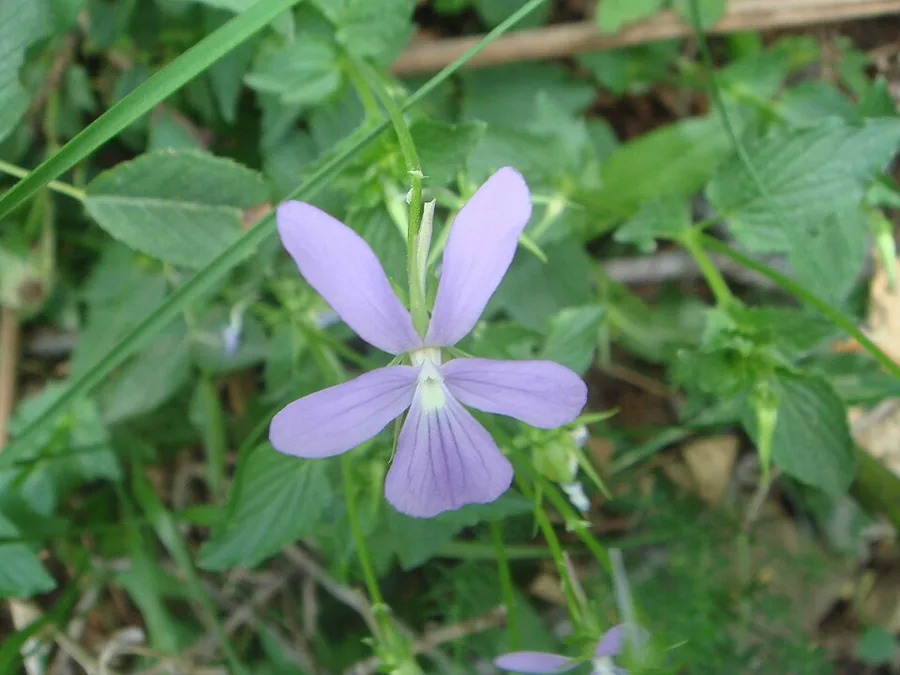
Viola cornuta
Plant them in cool weather and violas pour out cheerful, edible flowers from fall right through spring.
Full sun
39–70°F · 4–21°C
USDA 6–11
6–10 in · 15–25 cm
Overview
Few plants brighten a cool garden the way a viola does. It belongs to the violet family and grows low and tufted, throwing out small flowers in nearly every color you can name. Gardeners reach for it to edge a bed, fill a window box, or carpet a container, and it asks very little in return.
Viola covers a sprawling group of close relatives. The bedding types sold as violas carry masses of small blooms, the larger-flowered pansies are the same genus dressed up, and the wild Johnny-jump-up scatters its tricolor faces and seeds itself around. They share one habit that shapes everything: they live for cool weather and fade once summer turns hot.
These are forgiving plants, well suited to a beginner. Give them steady moisture, sun or a little shade, and a snip of the old flowers now and then, and they bloom for months. As a bonus, the flowers are edible, so the same plant that fills your beds can decorate a plate.
Care
The short version: full sun to part shade, steady moisture in rich, well-drained soil, a light monthly feed, and regular deadheading to keep the cool-season flowers coming.
Light
Violas do best in full sun during the cool months, though they happily take partial sun or partial shade. Once the weather warms, a spot with afternoon shade keeps them going longer.
Water
Keep the soil consistently moist but never waterlogged. Soggy ground is the fast track to crown and root rot, so water steadily and let excess drain away.
Soil
Plant in moist, fertile, well-drained soil worked through with organic matter. The one thing to avoid is waterlogged ground, which the roots won't tolerate.
Temperature
These are cool-season plants, at their best between 39°F and 70°F (4°C to 21°C). They shrug off light frost but stretch and decline once summer heat sets in.
Humidity
Ordinary outdoor humidity suits them fine, so there's no number to chase. Airflow matters more than moisture in the air, since crowded, damp leaves invite downy mildew.
Feeding
Feed lightly through the growing season, about once a month, with a balanced fertilizer. Go easy on the nitrogen, which pushes leafy growth at the expense of flowers.
Pruning
Deadhead spent blooms regularly and the plant keeps flowering far longer. The Johnny-jump-up types reseed themselves, so leave a few flowers if you want volunteers next year.
Size & spacing
Plants stay low and tidy, reaching 6 to 10 inches (15 to 25 cm) tall and spreading 8 to 12 inches (20 to 30 cm) wide. That compact size makes them naturals for edging, window boxes, and pots.
When to plant
Violas run on the cool end of the year, not the heat of summer. Start seed indoors in late winter or sow it outside in late summer, set plants out in early spring or fall while the air stays cool, and enjoy the flowers through spring and fall, with bloom carrying over winter in mild zones 6 through 11.
Northern hemisphere
Southern hemisphere
Typical months for a temperate climate: start earlier in warm zones, later where spring frosts linger.
- Sow: 8 to 10 weeks before transplanting out in cool weather
- Plant: Early spring or fall while temperatures are cool
- Harvest: Spring and fall in cool weather; may persist over winter in mild climates and declines in summer heat
Hardiness
USDA hardiness zones: 6–11
Temperature: down to -23°C
Troubleshooting
Most viola trouble traces back to either soggy soil or the arrival of summer heat. Read the early signs on the leaves and flowers and you can usually step in before a plant is lost. Match what you see below, then act while it still does some good.
Plants wilt and collapse with a blackened base
When the soil stays soggy, crown and root rot sets in and a plant can fold almost overnight. Pull one up and the roots come away mushy and discolored, with a rotted patch right at the soil line. There's no saving an affected plant, so bin it, fix the drainage before you replant, and ease off the watering can.
Fix:
- Remove and discard affected plants
- Improve drainage before replanting
- Reduce watering frequency
Ragged holes in the leaves or sticky, curling new growth
Two pests work the cool, damp weather violas love. Slugs chew ragged holes after dark and leave shiny trails behind, while aphids crowd the tender shoots and twist the buds. Hand-pick the slugs or set out traps, blast the aphids off with a hard jet of water, and reach for insecticidal soap only when the colonies get out of hand.
Fix:
- Hand-pick slugs or use traps and barriers
- Knock aphids off with a strong spray of water
- Apply insecticidal soap to heavy aphid infestations
Yellow blotches on top with fuzzy gray growth underneath
This is downy mildew, and it takes hold when the weather stays cool, wet, and humid. Flip a marked leaf over and you'll find a grayish to purple fuzz spreading beneath the yellow patches. Strip off the infected leaves, open the planting up so air can move, and keep water off the foliage by watering at the base in the morning.
Fix:
- Remove and discard infected foliage
- Improve air circulation and reduce leaf wetness
- Avoid overhead watering
Leggy, sparse plants as summer heat builds
Violas are cool-season plants, so summer heat stretches them out and thins the flowers once warm weather settles in. A light shearing with some deadheading can coax a last flush of bloom, and afternoon shade with steady moisture buys a little more time. In most gardens the smart move is to pull them and swap in summer annuals, then plant fresh violas in fall.
Fix:
- Deadhead and shear lightly to encourage rebloom
- Provide afternoon shade and consistent moisture
- Replace with summer annuals once spent
Toxicity
Good news here: violas are safe all around. The ASPCA lists the plant as non-toxic to cats, dogs, and horses, and the flowers are edible for people, so you can grow them wherever pets and children play without a second thought.
Safe for
People · Cats · Dogs · Horses · Rabbits · Livestock · Birds
Cats None
Safe to have around cats. A nibbled leaf or flower won't cause any poisoning.
Dogs None
No worries with dogs. The plant is non-toxic, so a curious chew does no harm.
Horses None
Listed as non-toxic to horses, so grazing near a planting is fine.
Rabbits Safe
Rabbits can eat the leaves and flowers without any trouble.
Livestock Safe
Cattle, goats, and sheep can graze around violas with no risk.
Birds Safe
Backyard birds and poultry can peck at the plant safely.
People Safe
The flowers are edible and a popular garnish, so the whole plant is safe for people, children included.
Varieties
Hundreds of violas exist, but a few series and old favorites show up again and again. These are the ones worth knowing by name.
'Sorbet' series
A compact, free-flowering bedding viola bred for cold tolerance and early bloom across a wide range of colors.
'Penny' series
A small-flowered viola prized for the way it performs evenly and vigorously right through spring and fall.
Johnny-jump-up (Viola tricolor)
A tricolor little charmer in purple, yellow, and white that self-sows freely and naturalizes around the garden.
'Etain'
A fragrant, more perennial viola with soft creamy-yellow flowers edged in lavender.
How to propagate
Violas multiply easily, whether you raise them from a seed packet, split an established clump, or root a few cuttings.
SeedEasy
Sow indoors 8 to 10 weeks before transplanting in cool weather, or direct sow in late summer for fall and spring bloom · 6 to 10 weeks to transplant size
Seed is the usual route. Start it indoors 8 to 10 weeks before you plan to move plants out in cool weather, and reckon on 6 to 10 weeks to reach transplant size, or simply direct sow in late summer for fall and spring flowers. The Johnny-jump-up types take care of the work themselves, self-sowing freely once they're established.
DivisionEasy
Spring or fall · A few weeks
Established perennial clumps are easy to split in spring or fall. Lift a clump, pull it into sections, and replant, and the divisions settle in within a few weeks.
Stem cuttingsModerate
Spring or early summer · 3 to 4 weeks to root
Cuttings take a steadier hand. Snip tip or basal cuttings from non-flowering shoots in spring or early summer, and they root in about 3 to 4 weeks.
Myths
Violas and pansies are the same plant.
They are close cousins in the same genus, but they aren't interchangeable. Violas, the Viola cornuta types, carry many more small flowers and take a bit more heat than pansies, which trade quantity for a few much larger blooms. Pick violas when you want a longer, tougher show and pansies when you want size.
Viola flowers are not safe to eat.
The blooms are perfectly edible and turn up all the time as a garnish on plates and cakes. The plant is listed as non-toxic across the board. Both the flowers and the plant are safe, so you can grow them where people and pets share the space.