Bulb · Amaryllidaceae
Surprise Lily
Lycoris squamigera
Plant the bulb once and forget it, then watch bare pink stalks shoot up overnight in late summer.
Full sun
Every 7–14 days
USDA 5–9
18–24 in · 46–61 cm
Overview
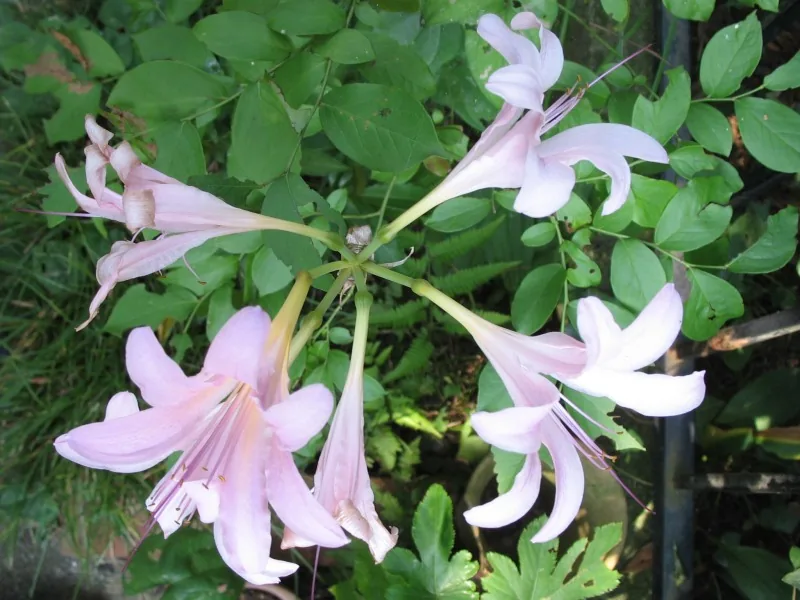
Surprise lily earns every one of its names. The strappy leaves push up in spring, look like any other bulb for a while, and then vanish by early summer. Weeks pass with nothing showing, until naked flower stalks rise straight out of bare ground in August and bloom rose-pink almost overnight. That disappearing act is why people also call it resurrection lily, magic lily, and naked ladies.
It belongs to the amaryllis family and is a tough, long-lived perennial bulb across zones 5 to 9. Once it settles in, it shrugs off heat, cold down to -20°F (-29°C), and most pests and diseases, asking almost nothing in return. The catch is that every part is poisonous, and the bulb most of all, so it earns its place in beds and borders rather than anywhere pets or children dig.
This is a plant the garden, not the gardener. Set the bulbs at the right depth in fall, leave the spring leaves to die back on their own, and the clumps slowly fatten and bloom for decades.
Care
The short version: full sun to part shade in rich, well-drained soil. Water through the spring leaves and again when the flower stalks rise, keep the bulb dry in its summer rest, and divide crowded clumps every few years.
Light
Surprise lily flowers best in full sun but takes partial shade without much complaint. A spot with strong light feeds the spring leaves, and those leaves are what fuel the late-summer bloom.
Water
Water through spring while the leaves are growing, then again when the flower stalks push up in late summer. Once the foliage dies back in early summer, keep the bulb on the dry side during its rest. The natural watering cycle runs roughly every 7 to 14 days when the plant is active.
Soil
Give it organically rich, well-drained ground, whether that leans toward loam, silt, or sand. It is easy about pH and grows happily anywhere from 6.0 to 8.0, so most garden soil suits it as long as water drains away.
Temperature
Few bulbs are this hardy. It rides out winters down to -20°F (-29°C) and summer heat up to 100°F (38°C), which is what makes it dependable across zones 5 to 9.
Humidity
Ordinary outdoor air is all it needs, so there is no humidity target to hit. Good drainage matters far more than anything happening above the soil.
Feeding
Feed in spring as the leaves grow, using a balanced bulb fertilizer while the foliage is green. That is the window when the bulb stores energy for the flowers months later.
Pruning
Cut the flower scapes off after they fade, but leave the spring leaves alone until they yellow and collapse on their own. Snipping green foliage early starves the bulb and costs you the next bloom.
Repotting
These bulbs like to be left in place. Lift and divide a clump only every 4 to 5 years, or sooner if it grows overcrowded and the flowering drops off.
Size & spacing
Each plant reaches about 18 to 24 inches (46 to 61 cm) tall and wide. Set the bulbs 6 to 8 inches apart so the clumps have room to fill in over the years.
When to plant
Surprise lily runs on its own odd clock. Plant the bulbs in early fall, let the leaves come and go through spring, and the flowers arrive without warning in late summer once the foliage is long gone.
Northern hemisphere
Southern hemisphere
Typical months for a temperate climate: start earlier in warm zones, later where spring frosts linger.
- Plant: Plant bulbs in early fall, 5 to 6 inches deep and 6 to 8 inches apart.
- Harvest: August to September
Hardiness
USDA hardiness zones: 5–9
Temperature: down to -29°C
Troubleshooting
This bulb has almost no real problems, so most worry comes down to two things: stalks that never appear, and leaves that seem to die too early. The first is worth fixing, the second is just the plant being itself. Match what you see below before you reach for the trowel.
Healthy spring leaves but no late-summer flowers
When the foliage looks fine but the flower stalks never come, the bulbs are usually planted too deep or packed in too tight. Lift a clump after the leaves die back to check, then divide it and replant the offsets 5 to 6 inches deep and 6 to 8 inches apart. Bulbs you moved recently may also just need a season or two to settle before they bloom.
Fix:
- Divide and replant offsets at 5 to 6 inches deep and 6 to 8 inches apart
- Allow recently moved bulbs a season or two to settle before expecting bloom
Spring leaves yellowing and dying off by early summer
This is the plant doing exactly what it should. The strap leaves come up in spring, yellow and fade by early summer, and weeks later the bare flower stalks rise on their own. Leave the dying foliage alone until it withers all the way, since that is how the bulb stores energy for the next bloom.
Fix:
- Leave the dying foliage in place until it withers completely so the bulb can store energy
Toxicity
Treat the whole plant as poisonous to every animal and to people. The leaves, stalks, and especially the bulb hold lycorine and related alkaloids that cause drooling, vomiting, and diarrhea when eaten. Nothing here is food, so plant it out of reach of pets and children and wash your hands after handling the bulbs.
Toxic to
Cats · Dogs · Horses · Rabbits · Livestock · Birds · People
Cats Toxic
A cat that chews any part drools heavily and then vomits, often with diarrhea and a sore belly. The bulb carries the most lycorine, so a dug-up bulb is the real danger.
Dogs Toxic
Dogs that dig up and bite a bulb get the worst of it. Watch for drooling, repeated vomiting, loose stools, and a dog that goes quiet and off its food.
Horses Toxic
The same alkaloids hit horses hard. A grazing horse that takes in foliage or a bulb can drool, colic, and scour, so keep the planting well away from pasture.
Rabbits Toxic
Rabbits should never nibble the leaves or stalks. Even a small taste brings on drooling and a painful, upset gut, and the bulb is far more poisonous still.
Livestock Toxic
Cattle, goats, and sheep all react to the lycorine in the plant. Expect salivation, vomiting where the animal can, and diarrhea, with bulbs turned up by tilling posing the biggest risk.
Birds Toxic
Treat the whole plant as off limits for birds. The bulb and foliage carry the same toxic alkaloids that sicken every other animal, so pecking at it is not safe.
People Caution
No part of this plant is food, and the bulb is the most poisonous part. Anyone who eats it can end up drooling, vomiting, and with diarrhea, so keep it well out of reach of children.
Store bulbs out of reach of pets and children and wash hands after handling.
Helpline numbers

United States
ASPCA Animal Poison Control: (888) 426-4435 (fee applies)
Poison Control: (800) 222-1222



Canada
Poison Centres: 1-844-764-7669
Varieties
The garden plant is the straight species, and one quick detail keeps it from being confused with its red-flowered cousin.
Lycoris squamigera (species)
The plant grown in most gardens carries rose-pink flowers tinged with lilac on bare stalks in late summer, which sets it apart from the red-flowered red spider lily, Lycoris radiata.
How to propagate
Almost no one grows this from seed. The bulbs multiply on their own, so dividing a fat clump is all you need to make more.
Offsets & pupsEasy
After foliage dies back in early summer or after flowering in late summer · 1 to 2 years to bloom after transplanting
The bulbs throw off daughter bulbs fast, so the easiest way to make more is to lift a clump and pull the offsets apart. Do this after the foliage dies back in early summer or once flowering finishes in late summer, and split crowded clumps every 4 to 5 years. Replanted offsets take 1 to 2 years to settle in and bloom.
DivisionEasy
When bulbs are dormant after foliage dies in early summer · 1 to 2 years to bloom
Dig and divide crowded clumps while the bulbs are dormant, after the foliage dies in early summer. Replant the offsets 5 to 6 inches deep and give them a year or two before you expect flowers.
SeedDemanding
Rarely used · Several years
Growing from seed is rarely worth it here and takes several years to reach a flowering bulb. Dividing offset bulbs is the standard route and gets you blooms far sooner.
Myths
Surprise lily makes a reliable potted houseplant you can force indoors.
This is a hardy outdoor bulb built for zones 5 to 9, not a windowsill plant. Its roots run deep and wide, so pot culture rarely works unless the container is unusually large and deep. Plant it in the ground and let the seasons do the work.