Herb · Rosaceae
Salad Burnet
Sanguisorba minor
Give it full sun and lean, well-drained soil, and salad burnet hands you cucumber-flavored leaves from spring to fall.
Full sun
Every 5–10 days
50–77°F · 10–25°C
60–100 days
Overview
Salad burnet is a hardy little perennial herb from the rose family, grown for the mild cucumber flavor of its young leaves. It forms a low, evergreen rosette of delicate toothed leaflets that stays green through much of the year, even holding on in mild winters. Cooks reach for it to lift salads, vinegars, and cool summer drinks.
It earns its keep in tough spots. The plant shrugs off dry, rocky, and alkaline ground where fussier herbs sulk, and once it settles in it asks for very little water. Lean soil actually suits it, since rich ground waters down the flavor that makes it worth growing.
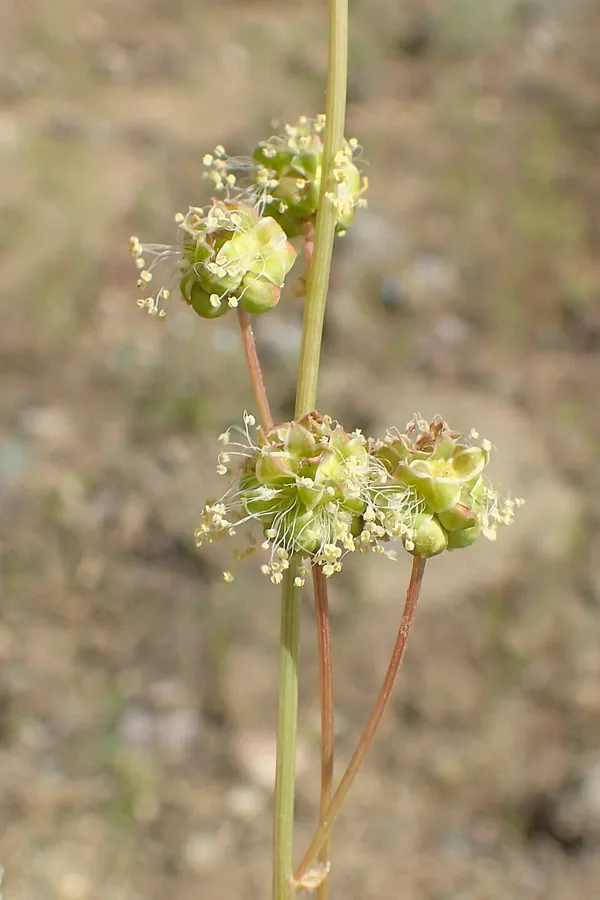
The one habit to manage is its urge to flower. Once the pinkish flower heads rise on tall stalks, the older leaves turn tough and lose their taste. Keep cutting the stalks back and you hold the plant in fresh, tender growth all season long.
Care
The short version: full sun and lean, well-drained soil, with steady water only while the plant is young. Skip the rich feeding, snip off flower stalks as they appear, and harvest the young leaves often to keep the flavor mild.
Light
Salad burnet does best in full sun, though it copes with partial sun or light shade. Sun keeps the rosette tight and the leaves flavorful, while too much shade leaves it loose, leggy, and prone to mildew.
Water
Water young plants regularly to get them rooted, then ease right off, because salad burnet is drought tolerant once established. Let the top half of the soil dry between waterings, and never leave it sitting in wet ground, which it hates.
Soil
Plant it in well-drained, lean to average soil. It actually thrives in dry, rocky, and alkaline ground that defeats other herbs, and it takes a pH anywhere from 6.0 to 7.8. Rich, heavy soil only weakens the flavor and holds the water it dislikes.
Temperature
It grows best in mild conditions, roughly 50°F to 77°F (10°C to 25°C). As a hardy perennial it takes winter cold in stride and often stays evergreen through milder seasons.
Humidity
Average humidity around 40% to 60% suits it fine, and there's no need to chase a number outdoors. Good airflow matters more than moisture in the air, since still, damp conditions invite powdery mildew.
Feeding
Go light here. A single balanced or low-nitrogen feed in spring is plenty, and even that is optional, because rich soil dulls the flavor. Feed too much and you get soft, bland leaves instead of the sharp cucumber taste.
Pruning
Cut off the flower stalks as soon as they appear to keep the foliage tender and the flavor mild. Trim back the old, tough outer leaves as well, and the plant answers with a fresh flush of new growth.
Repotting
In a container, repot every 1 to 2 years. Roots circling the pot, slowing leaf growth, and soil that dries out far too fast all tell you the plant has outgrown its home and wants fresh mix and more room.
Size & spacing
Salad burnet stays small, reaching 12 to 24 inches (30 to 60 cm) tall and spreading 12 to 18 inches (30 to 45 cm) wide. Give each plant that much room so air moves freely through the rosette.
When to plant
Salad burnet is hardy in zones 4 through 8 and goes in early. Start seeds indoors 6 to 8 weeks before the last frost, or simply scatter them in the ground in early spring, then pick young leaves from spring right through fall.
Northern hemisphere
Southern hemisphere
Typical months for a temperate climate: start earlier in warm zones, later where spring frosts linger.
- Sow: 6 to 8 weeks before last spring frost
- Plant: After last spring frost, or direct sow in early spring
- Harvest: Harvest young leaves spring through fall; pinkish flower heads appear late spring to midsummer (May to July)
Hardiness
USDA hardiness zones: 4–8
Temperature: down to -34°C
Troubleshooting
Salad burnet is one of the easier herbs to keep, and most of its trouble traces back to too much water or too little airflow. Read the early signs on the leaves and roots, then match what you see below and act while it still helps.
The plant yellows, wilts, and collapses in soggy ground
Wet feet bring on root rot, and salad burnet has little patience for waterlogged soil. The roots go soft, dark, and mushy, and there is no saving a plant once they turn. Ease off the watering, fix the drainage, and replant survivors in a raised bed or gritty mix that drains fast.
Fix:
- Improve drainage
- Reduce watering
- Replant in well-drained or raised beds
A dusty white coating spreading across the leaves
This is powdery mildew, a fungus that takes hold when air sits still and plants crowd each other in humid shade. Open the planting up for better airflow, strip off the worst leaves, and move the plant into full sun where the fungus struggles to spread.
Fix:
- Improve spacing and air flow
- Remove affected foliage
- Site plant in full sun
Leaves turn tough and bitter, losing their cucumber taste
This is bolting. As the plant throws up flower stalks, the older leaves mature into large, leathery foliage that loses the mild cucumber flavor you grow it for. Cut off the flower stems as they form, pick only the young inner leaves, and shear the whole plant back to force a flush of tender new growth.
Fix:
- Cut off developing flower stalks
- Harvest only young inner leaves
- Cut the plant back to force a flush of tender new growth
Toxicity
Good news for households with pets and children: salad burnet is a food plant, safe top to bottom. People eat the young leaves raw, and nothing in the plant poses a risk to cats, dogs, horses, rabbits, livestock, or birds.
Safe for
People · Cats · Dogs · Horses · Rabbits · Livestock · Birds
Cats None
Safe to grow around cats. A curious nibble of the soft leaves causes no harm.
Dogs None
No toxic compounds trouble dogs, and a mouthful of foliage passes without incident.
Horses Safe
Horses can graze the plant without concern, as nothing in it is poisonous to them.
Rabbits Safe
The tender leaves are a fine, harmless treat for rabbits in small amounts.
Livestock Safe
Cattle, goats, and sheep can eat it safely; the larger fodder form was once grown as forage.
Birds Safe
Backyard poultry and wild birds come to no harm from pecking at the leaves or seeds.
People Safe
The young leaves are a culinary green, eaten raw in salads for their mild cucumber taste.
Leaves and young growth are commonly eaten by people in salads; no special handling precautions are required.
Varieties
Salad burnet doesn't come in a long list of named cultivars, but a couple of forms are worth knowing apart.
Sanguisorba minor subsp. muricata
Called fodder burnet, this is a larger, more vigorous form that was once grown as a forage and cover crop.
Sanguisorba minor (species type)
The plain species forms a compact evergreen rosette of delicate toothed leaflets, prized for the mild cucumber flavor it brings to a salad.
Companions
Salad burnet sits happily beside herbs that share its taste for sun and lean soil, and does worst next to vigorous spreaders that swamp its low rosette.
How to propagate
Salad burnet is easy to multiply, whether you raise it from a seed packet or split a clump you already grow.
SeedEasy
Early spring, indoors 6 to 8 weeks before last frost or direct sown · Germinates in about 1 to 2 weeks; harvestable within 8 to 10 weeks
Most gardeners start salad burnet from seed. Sow indoors 6 to 8 weeks before the last frost or direct sow in early spring, and the seedlings break ground in about 1 to 2 weeks. You can be picking leaves within 8 to 10 weeks, and if you leave a few flower heads to ripen the plant will reseed itself around the garden.
DivisionEasy
Spring or early fall · A few weeks to re-root and resume growth
An established clump splits easily in spring or early fall. Lift the whole plant, pull or cut it into sections with roots attached, and replant the divisions right away so they re-root and pick up growth within a few weeks.
Myths
Salad burnet is the same plant as the medicinal great burnet.
They are two different species. Salad burnet (Sanguisorba minor) is the smaller culinary herb, while great burnet (Sanguisorba officinalis) grows taller with deep red flower heads and a separate history of medicinal use. Check the botanical name when you buy, since the two are easy to mix up.
Older, mature leaves taste just as good as the young ones.
They don't. The mild cucumber flavor lives in the fresh young growth, and older foliage turns tough and bitter as the plant ages. Pick often and keep cutting the new leaves to keep the flavor mild.