Shrub · Ericaceae
Rhododendron
Rhododendron
Get the acidic soil and dappled shade right, and a rhododendron rewards you with spring trusses for decades.
Partial shade
Every 3–7 days
USDA 4–8
6–10 ft · 1.8–3 m
Overview
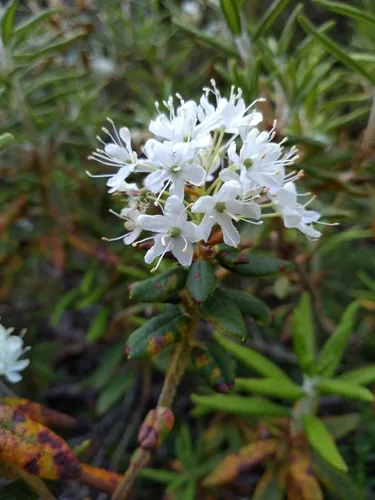
A rhododendron in full bloom is one of spring's great sights, its branches loaded with trusses of bell-shaped flowers. It belongs to the heath family and, like its azalea cousins, comes from cool, woodland hillsides where the soil runs acidic and rich in leaf mould. That ancestry shapes everything about how you grow it: shade overhead, moisture at the roots, and ground that never turns sour with lime.
These are slow, long-lived shrubs that can reach 6 to 10 feet (1.8 to 3 m) and stand for generations once settled. The big-leaved evergreens hold their foliage through winter, which is both their glory and their weak point, since cold winds can scorch those broad leaves when the roots are frozen and can't drink. Pick the right spot and a rhododendron asks very little of you year to year.
One thing to weigh before planting: the entire shrub is poisonous. Leaves, flowers, nectar, and stems all carry grayanotoxins, so this is a plant to keep well away from grazing animals, curious pets, and small children.
Care
The short version: dappled shade, steady moisture, and acidic, humus-rich soil that drains well. Plant the root ball high, shelter it from drying winter wind, and feed only when the plant shows it needs it.
Light
Give a rhododendron dappled or partial shade, the kind it would find at a woodland edge. It will take more sun in cool climates and deep shade where it must, but harsh, full sun bakes the leaves and invites lace bugs.
Water
Keep the soil evenly moist but never waterlogged, since the roots sit shallow and drown easily. Water once it feels dry 8 to 12 inches down, every 3 to 7 days in dry spells, and keep it up into fall so the leaves don't dry out over winter.
Soil
This shrub demands acidic, humus-rich soil that drains freely, ideally pH 4.5 to 6.0. Work plenty of organic matter into heavy clay and set the root ball high, because soggy ground is the fastest way to kill it.
Temperature
Hardy types take a remarkable range, from about -29°F to 86°F (-34°C to 30°C). Cold itself is rarely the problem; it's frozen roots paired with drying wind that scorch the evergreen leaves.
Humidity
Ordinary outdoor humidity suits it fine, so there's no figure to track. What matters far more is steady soil moisture and shelter from wind, the two things that keep the foliage from drying out.
Feeding
Feed sparingly, and only when the plant clearly shows a deficiency. Use an acidic fertilizer with a 3:1:2 or 3:1:3 ratio such as 12-4-8, applied after flowering in spring rather than at planting time.
Pruning
Prune to shape or hold the size in check right after flowering finishes, before next year's buds form. Snapping off the spent flower trusses, called deadheading, steers the plant's energy into a stronger bloom the following spring.
Repotting
Rhododendrons live in the ground and rarely need moving. Transplant only when you're relocating one, and if a containerized plant starts circling its roots near the surface or losing vigor, it's time to give it more room.
Size & spacing
Plan for a mature shrub of 6 to 10 feet (1.8 to 3 m) tall and 5 to 8 feet (152 to 244 cm) wide. Give each plant that full spread so air moves freely through the branches and disease has less of a foothold.
When to plant
Rhododendrons go in during the mild shoulder seasons, not the heat of summer. Plant in spring or fall so the roots can settle before stress sets in, and expect the show of flowers in spring, with a few varieties carrying into midsummer.
Northern hemisphere
Southern hemisphere
Typical months for a temperate climate: start earlier in warm zones, later where spring frosts linger.
- Plant: Spring or fall
- Harvest: Spring (some varieties into midsummer)
Hardiness
USDA hardiness zones: 4–8
Temperature: down to -34°C
Troubleshooting
Most rhododendron trouble traces back to the roots or the weather rather than to neglect. Wet soil, drying wind, and a few familiar pests cause the bulk of it. Match what you see below and act early, while the shrub can still bounce back.
Wilting shoots and dieback after a wet spell
This is Phytophthora root rot, a soil fungus that takes hold in wet, poorly drained ground or when a shrub sits too deep. A plant may perk up briefly after watering, then slide back into decline as the roots turn dark and decay. Fix the drainage before you plant, set the root ball high, and pull out any shrub that's too far gone.
Fix:
- Improve drainage before planting and avoid wet, compacted sites or areas near downspouts
- Plant the root ball high and amend soil with organic matter
- Remove and discard severely affected plants
Pale speckled leaves with black specks underneath
Turn a stippled leaf over and you'll find lace bugs and their shiny black droppings. They feed hardest on shrubs baking in full sun and dry soil, and the damage usually starts in late spring. Coat the leaf undersides with horticultural oil or insecticidal soap, and let ladybird beetles do their share.
Fix:
- Apply horticultural oil at the 2 percent summer rate or insecticidal soap, thoroughly coating leaf undersides
- Encourage natural predators such as ladybird beetles
Bronzed, brown leaf edges after a hard winter
This is winter desiccation, and it shows up on the windward side after cold, drying winds pull water from the leaves faster than frozen roots can replace it. Water well in fall before the ground locks up, and put a burlap windbreak about 18 inches out on the windy side. Once new growth returns in spring, trim away the dead tissue.
Fix:
- Maintain adequate soil moisture in fall before the ground freezes
- Erect a burlap or other windbreak about 18 inches from the plant on the windward side
- Prune out dead tissue in spring once new growth resumes
Leaf spots or puffy swellings on new growth
Most spots are fungal leaf spot and stay cosmetic, while the puffy green or white swellings are Exobasidium leaf gall on freshly opened leaves and flowers. Neither does much real harm. Snip off the marked leaves and galls, open the plant to better airflow, and keep water off the foliage.
Fix:
- Prune off and discard unsightly spotted leaves or galls
- Improve air circulation and avoid wetting foliage
Toxicity
This is a genuinely dangerous plant to have around animals. Every part of it, from leaf to flower to nectar, holds grayanotoxins, and even a few leaves can sicken a pet or send a grazing animal into a heart-rhythm crisis. Even honey made from the flowers, known as mad honey, is toxic, so keep the shrub and its prunings away from pets, livestock, and children, and call a vet at once if an animal eats any.
Toxic to
Cats · Dogs · Horses · Rabbits · Livestock · Birds · People
Cats Severe
A cat that nibbles the leaves usually starts drooling and vomiting within hours, then turns weak and unsteady on its feet. A larger dose drops the blood pressure and throws the heartbeat out of rhythm, which can end in collapse or worse.
Dogs Severe
Watch for heavy drooling, vomiting, and diarrhea soon after a dog chews any part of the shrub. The grayanotoxins go on to sap its strength and scramble the heart rate, and a big mouthful can be life-threatening.
Horses Severe
Grazing horses get colicky and drool, then grow weak and uncoordinated as the poison takes hold. The heart rhythm falters and a horse may go down, with large amounts proving fatal.
Rabbits Severe
Rabbits should never be offered any part of this shrub. The same grayanotoxins bring on a churning gut, weakness, and a dangerously erratic heartbeat, and a small body needs only a little to be overwhelmed.
Livestock Severe
Cattle, goats, and sheep that browse the foliage drool and vomit, then go weak as the heart rate turns abnormal. Hungry animals are most at risk, and a serious dose can kill.
Birds Severe
Birds are no exception, since the grayanotoxins hit the heart and nerves hard relative to their small size. Even a taste of leaf or flower can leave a bird weak and unwell, so keep them well clear.
People Caution
No part of the plant is food, and chewing leaves or flowers can bring on nausea, drooling, and a slowed or irregular heartbeat. Even honey made from the blooms, the so-called mad honey, carries the toxin, so keep curious children away from the shrub.
Keep plants, prunings, and fallen leaves away from pets and grazing animals.
Helpline numbers

United States
ASPCA Animal Poison Control: (888) 426-4435 (fee applies)
Poison Control: (800) 222-1222



Canada
Poison Centres: 1-844-764-7669
Varieties
Most garden rhododendrons are either tough native species or hybrids bred for cold. These are the ones you'll meet most often.
Rhododendron catawbiense
A cold-hardy Appalachian native, the Catawba rhododendron carries lilac-purple flowers and shrugs off temperatures down to about -25°F (-32°C).
Rhododendron maximum
This large evergreen rosebay opens white to pale pink flowers and takes deep shade better than most.
Roseum Elegans
A vigorous catawbiense hybrid prized in cold climates, it covers itself in rosy-lilac blooms and holds up to hard winters.
How to propagate
Rhododendrons can be multiplied several ways, though none of them is quick. The method you pick depends on how much patience you have and whether you need an exact copy of a named cultivar.
LayeringModerate
Spring to summer · One to two years
Layering is the surest route for most gardeners. From spring through summer, wound a low branch, pin it down to the soil, and let it stay put; it takes one to two years to root well enough to cut free as its own plant.
Stem cuttingsDemanding
Late summer · Several months to a year
Cuttings test your patience. Take semi-hardwood cuttings in late summer, dip them in rooting hormone, and hold them in high humidity, and even then they root slowly over several months to a year.
GraftingDemanding
Winter · One growing season
Grafting is how named cultivars get joined to tough rootstocks. Done in winter, a good union takes hold over a single growing season, but the technique is fiddly and best left to experienced growers.
SeedModerate
Sow on surface of acidic medium · Several years to flowering
Seed is a long game. Scatter it on the surface of an acidic medium and the seedlings come up varied, often unlike the parent, and they take several years to reach their first flowers.
Myths
Rhododendron is only mildly poisonous, so a few leaves won't hurt a pet.
Every part of the shrub holds grayanotoxins, and even a few leaves can trigger serious heart and nerve poisoning in cats, dogs, horses, and livestock. Treat any rhododendron as dangerous around animals, and call a vet right away if one has eaten some.
Rhododendrons grow fine in ordinary garden soil.
They need acidic, moist, well-drained, humus-rich ground at roughly pH 4.5 to 6.0 and falter in dense clay or alkaline dirt. Get the soil right first, since no amount of feeding or watering makes up for the wrong pH.