Shrub · Ericaceae
Encore Azalea
Rhododendron
Give it acidic soil, filtered sun, and steady moisture, and the Encore azalea blooms in spring and again into fall.
Partial sun
Every 3–7 days
USDA 6–10
2–5 ft · 0.6–1.5 m
Overview
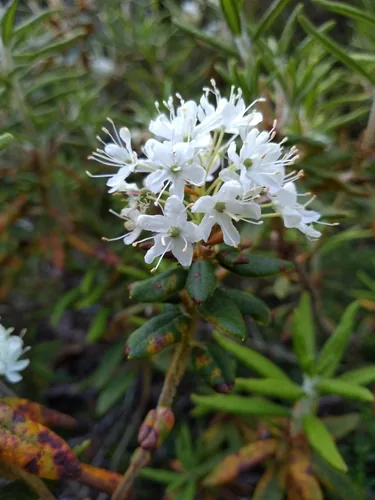
The Encore azalea is a reblooming shrub that flowers in spring like any azalea, then comes back with more bloom from summer into fall. It belongs to the genus Rhododendron in the heath family, bred as a series of hybrids for gardeners who wanted color past the usual one short spring show. A mature plant fills out into a rounded mound of evergreen leaves studded with flowers.
What sets these apart from the old garden azaleas is sun tolerance. Traditional types sulk in anything brighter than dappled shade, but Encores take more direct sun and use it to power that second and third flush of flowers. Give them too little light, though, and you lose the very reblooming they're grown for.
They ask for acidic, well-drained soil rich in organic matter and steady moisture at the roots, and in return they need very little fuss. Pruning is minimal, deadheading is unnecessary, and a well-sited plant settles in for years. The one firm caution is toxicity, since every part of the shrub can poison pets, livestock, and people.
Care
The short version: plant in acidic, well-drained soil with filtered sun and some afternoon shade, keep the roots evenly moist but never waterlogged, feed with an acid-forming azalea fertilizer in late spring, and prune lightly right after the spring bloom.
Light
Encore azaleas want filtered or partial sun, and unlike old garden types they handle some full sun. Aim for bright light with a little afternoon shade. Too much shade costs you the reblooming, while harsh, hot sun stresses the plant and invites lace bugs.
Water
Keep the soil evenly moist but well-drained, watering deeply down to 6 to 8 inches once the top few inches feel dry. A new plant in sandy soil may need a drink about twice a week through its first year. Steady moisture matters, but standing water rots the roots fast.
Soil
These shrubs need acidic soil, ideally a pH of 4.5 to 6.0, that drains freely and holds plenty of organic matter. Work in pine bark or compost before planting and set the plant a touch high. Heavy, soggy ground is the quickest way to kill one.
Temperature
Encore azaleas are hardy across a wide band, from about -9°F to 100°F (-23°C to 38°C), which covers zones 6 through 10. They take real winter cold and summer heat alike, though young plants appreciate shelter from drying wind in the coldest zones.
Humidity
Ordinary outdoor humidity suits them, so there's no number to chase. Air circulation counts for more than moisture in the air, since crowded, still, damp conditions are what bring on petal blight and lace bug trouble.
Feeding
Feed with a complete, slow-release acid-forming azalea fertilizer, around a 2-1-1 ratio, in late spring once new growth appears and on through early summer. Skip late-fall feeding, which pushes tender growth into the cold. One seasonal application is usually plenty.
Pruning
These shrubs need very little pruning. If you want to shape or thin one, do it just after the spring flush so you don't cut off the coming rebloom. Deadheading is not necessary, since the plant reblooms on its own.
Repotting
Encore azaleas are rarely repotted and are happiest planted out in the ground. In a container, watch for roots circling the soil ball or growth that stalls, both signs the plant has outgrown its pot and wants a larger one with fresh acidic mix.
Size & spacing
Plants mature at 2 to 5 feet (61 to 152 cm) tall and spread wider than they are high, around 3 to 4 feet (91 to 122 cm) across. Give each shrub room to reach its full width so air moves through and the foliage stays dry.
When to plant
Encore azaleas are woody shrubs hardy in zones 6 through 10, set out as nursery plants rather than started from seed. Plant in spring or fall while the weather is mild and the roots have time to settle. The first wave of flowers opens in spring, then the reblooming habit brings more color from summer through fall.
Northern hemisphere
Southern hemisphere
Typical months for a temperate climate: start earlier in warm zones, later where spring frosts linger.
- Plant: Spring or fall
- Harvest: Spring, then again summer through fall
Hardiness
USDA hardiness zones: 6–10
Temperature: down to -23°C
Troubleshooting
Most trouble with Encore azaleas traces back to the wrong spot, too much sun for lace bugs or too much water for root rot. Catch the signs early on the leaves, flowers, or roots and you can usually turn a plant around. Match what you see below, then act before it spreads.
Wilting and dieback with dark, rotted roots
When a plant wilts and declines even with water in the ground, suspect Phytophthora root and crown rot, a soil disease that thrives in wet, poorly drained sites. Dig at the base and you'll find roots that are discolored and mushy instead of firm and pale. There's no saving a badly rotted plant, so pull it, fix the drainage, and replant shallow in acidic soil amended with pine bark.
Fix:
- Improve drainage and avoid overwatering
- Remove severely affected plants
Grayish, stippled leaves with dark specks underneath
This is the work of the azalea lace bug, which feeds on the underside of the leaves and drains the color from above. Flip a few leaves and look for the lacy-winged adults, spiny nymphs, and varnish-like droppings, or wipe the undersides on white paper to rule out spider mites. Treat the undersides with a labeled insecticide, or use a soil systemic for season-long cover, and keep plants out of hot full sun where the bugs do the most damage.
Fix:
- Treat undersides of leaves with a labeled insecticide such as acephate, bifenthrin, malathion, or cyfluthrin
- For season-long control use a soil-applied systemic such as imidacloprid or dinotefuran
- Plant lace-bug-resistant cultivars where possible
Spotted blooms that melt into a slimy mush
This is petal blight, a fungus that strikes in cool, wet weather and turns open flowers to mush within days. The spots start small, pale on colored petals or rust-toned on white ones, then spread until the bloom collapses. Pick off and bin the infected flowers, water at the base rather than overhead, and open the plant up so air moves through it during bloom.
Fix:
- Remove and dispose of infected blooms
- Improve air circulation and avoid overhead watering during bloom
Toxicity
This is a genuinely dangerous plant to have around animals and small children. Every part of an Encore azalea contains grayanotoxins, the same compounds found across all rhododendrons, and even a few leaves or flowers can sicken a pet. Keep the shrub, its prunings, and any fallen leaves and flowers well away from cats, dogs, horses, livestock, and curious kids.
Toxic to
Cats · Dogs · Horses · Rabbits · Livestock · Birds · People
Cats Severe
Even a couple of leaves can make a cat very sick. Watch for drooling, vomiting, and diarrhea early on, followed by weakness and an unsteady, wobbly walk. In larger doses the grayanotoxins disturb the heart rhythm and drop the blood pressure, and a cat can collapse, so treat any nibble as an emergency.
Dogs Severe
Dogs that chew the leaves or flowers usually drool, vomit, and develop diarrhea within hours. Tremors, weakness, and loss of coordination can follow as the toxin spreads. A big mouthful threatens the heart and blood pressure, which is why even a small amount warrants a fast call to the vet.
Horses Severe
Horses can't vomit, so the grayanotoxins hit hard and stay in. Expect colic, diarrhea, drooling, and deep weakness, and in serious cases the heart begins to fail. Browsing horses are at real risk, so keep clippings and fallen leaves well out of reach.
Rabbits Severe
The same grayanotoxins that poison cats and dogs are dangerous to rabbits. A nibble can bring on a sluggish gut, loss of appetite, weakness, and a slowed heartbeat. Never offer azalea leaves or flowers, and clear any prunings from where a rabbit grazes.
Livestock Severe
Goats, sheep, and cattle are poisoned by even small amounts of azalea, and grazing animals sometimes eat enough to die. Drooling, repeated vomiting or regurgitation, staggering, and a faltering heartbeat are the usual signs. Fence the shrubs off and never toss trimmings into a pasture.
Birds Severe
Birds are sensitive to the grayanotoxins in every part of this plant, and their small size means a little goes a long way. A bird that pecks the leaves or flowers may grow weak, lose its balance, and suffer a disturbed heart rhythm. Keep pet birds away from the foliage entirely.
People Caution
No part of an azalea is meant to be eaten, and the grayanotoxins can sicken a person too. A child or adult who swallows leaves or flowers may feel nauseated and weak, with vomiting and, in larger amounts, a slowed or irregular heartbeat. Keep the plant out of reach of small children and call poison control if anyone eats it.
Keep plants, prunings, and fallen leaves and flowers away from pets and livestock; even a few leaves or flowers can cause serious signs.
Helpline numbers

United States
ASPCA Animal Poison Control: (888) 426-4435 (fee applies)
Poison Control: (800) 222-1222



Canada
Poison Centres: 1-844-764-7669
Varieties
The Encore series runs to many named cultivars, sorted mostly by flower color. These four show the range.
Autumn Royalty
A reblooming Encore cultivar that carries rich purple flowers.
Autumn Twist
A reblooming Encore type known for its striped, bicolor blooms.
Autumn Fire
A reblooming Encore cultivar with bold red flowers.
Autumn Moonlight
A reblooming Encore type that blooms in clean white.
Companions
Encore azaleas do best under high, open trees that filter the light and drop an acidic mulch as their leaves break down.
Plant near
Oak: Provides high filtered shade while allowing enough light, and its leaf mulch breaks down to acidify and feed the soil
Pine: Gives filtered shade and acidic needle mulch suited to azaleas' soil needs
How to propagate
You can make more Encore azaleas from the plants you already have, either by rooting cuttings or by layering a low branch, though both take patience.
Stem cuttingsModerate
Late spring to summer from semi-hardwood growth · Several weeks to months to root
Take cuttings of current-season, semi-hardwood growth from late spring into summer and set them in a moist, well-drained acidic medium. They root slowly, often over several weeks to a few months, so keep them humid and patient until new growth tells you they've taken.
LayeringEasy
Spring · One or more growing seasons
Layering is the easy way in. In spring, pin a low, flexible branch down into acidic soil and leave it attached to the parent while it roots, which can take a full growing season or more. Once it has its own roots, cut it free and move it.
Myths
Azaleas are only mildly toxic, so a nibble is harmless to pets.
Every part of the plant holds grayanotoxins, and the dose in just a few leaves is enough to do real harm. A small nibble can trigger vomiting, weakness, and a dangerous heart rhythm in a cat or dog, and a larger one can kill. Treat any azalea this seriously, and keep pets away from the whole plant.
Encore azaleas need full shade like the old-fashioned kinds.
These are bred to take more sun than traditional azaleas. To rebloom well they want at least 4 to 6 hours of sun, ideally with some afternoon shade, so deep shade leaves you with few of the repeat flowers they're grown for.