Ornamental · Papaveraceae
Corn Poppy
Papaver rhoeas
Sow it where it stands, give it full sun and sharp drainage, and the corn poppy paints the bed in silky red.
Full sun
Every 5–10 days
30–75°F · -1–24°C
60–90 days
Overview
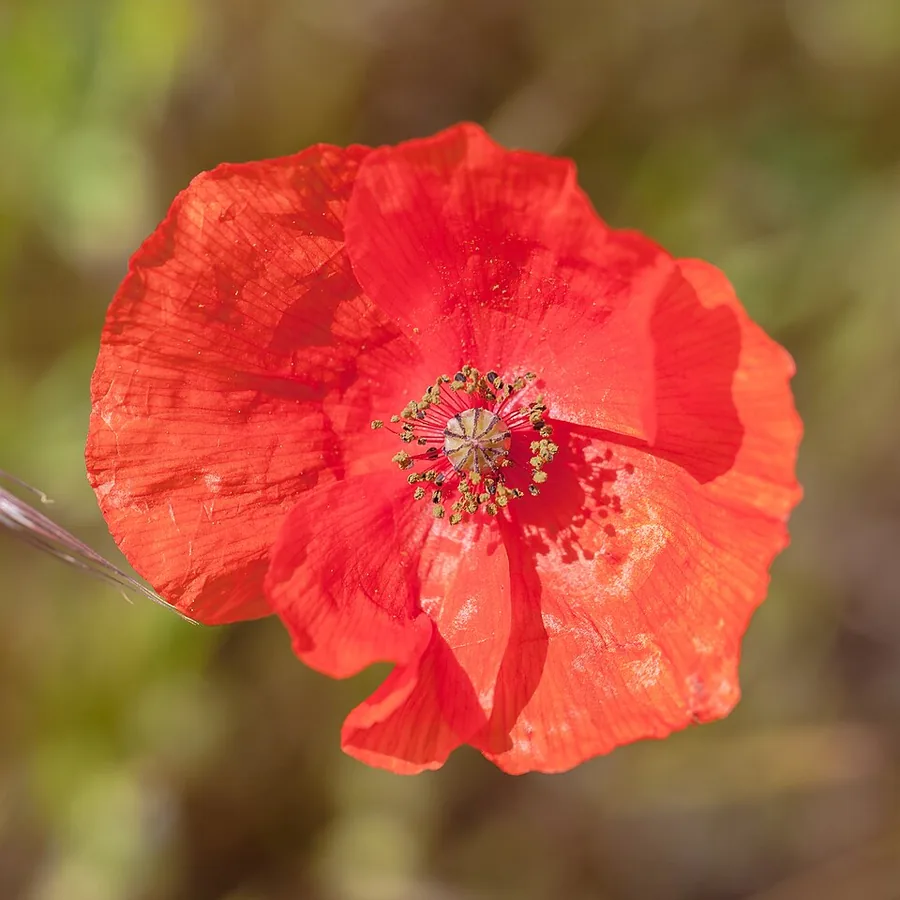
The corn poppy is a fast, easy garden annual best known for the papery scarlet flowers that turned the fields of Flanders red. It belongs to the poppy family and grows wild across much of Europe and beyond, often turning up in disturbed ground. In the garden it stays small, reaching 9 to 18 inches (23 to 46 cm) tall, and it asks for little beyond sun and soil that drains.
Each plant throws up slender, hairy stems topped with single bowl-shaped blooms that last only a day or two before the next opens. The show runs from late spring into mid-summer, then the plant sets papery seed capsules and fades. Because it flowers and dies in a single season, you start it fresh each year, though it reseeds so freely it often returns on its own.
Corn poppy is forgiving for a beginner, but it has firm opinions. It wants full sun, cool starting weather, and ground that never stays soggy. It hates being moved, so the trick is to sow the seed where the plants are to bloom and let them grow undisturbed from there.
Care
The short version: full sun, light even moisture, and sharp drainage, sown straight into the ground in cool weather and left where it stands, since it won't take being transplanted.
Light
Give corn poppy full sun for the best, longest show of flowers. It will take a little afternoon shade where summers run hot, but deep shade leaves you with weak, floppy stems and few blooms.
Water
Aim for light, even moisture and let the top half of the soil dry between waterings, roughly every 5 to 10 days. The plant hates both extremes, so a long drought thins it out while soggy ground rots the roots, especially over winter.
Soil
Plant in well-drained loam enriched with some compost, though average garden soil works as long as water moves through it. A pH of 6.0 to 7.5 suits it fine. Sharp drainage matters more than richness here.
Temperature
Corn poppy is a cool-season grower, comfortable from about 30°F to 75°F (-1°C to 24°C). It germinates and grows best in the cool of spring or fall, and heavy summer heat brings the bloom to a quick close.
Humidity
Low humidity suits it, and there's no number to chase. Good airflow does the real work, since damp, crowded foliage is what invites mildew and gray mold.
Feeding
Feeding is barely needed. A light dose of balanced fertilizer or some compost worked in at planting carries it through, and rich soil needs even less. Heavy feeding only grows leaf at the expense of flower.
Pruning
Deadhead spent blooms to keep new flowers coming for longer. Snip off the seed pods before they ripen too, unless you want a thick crop of volunteer seedlings the following year.
Repotting
There's no repotting to do. Corn poppy is direct-sown and left in place, since it resents root disturbance and isn't grown in containers over the long term.
Size & spacing
Plants stay compact at 9 to 18 inches (23 to 46 cm) tall. Thin or space them about 6 to 12 inches (15 to 30 cm) apart so air moves freely and the foliage stays dry.
When to plant
Corn poppy likes a cool start and won't survive a move, so the timing is all about getting seed into the ground at the right moment. Sow in late fall where winters stay mild, or wait for early spring further north. The flowers follow from late spring into mid-summer, roughly 60 to 90 days after sowing.
Northern hemisphere
Southern hemisphere
Typical months for a temperate climate: start earlier in warm zones, later where spring frosts linger.
- Sow: Not recommended; seedlings resent transplanting. Sow seed directly in place.
- Plant: Direct-sow in late fall in mild/southern regions or early spring in northern regions; seed needs light, cover no more than 1/8 inch.
- Harvest: Late spring to mid-summer (June to August)
Hardiness
USDA hardiness zones: 3–10
Temperature: down to -40°C
Troubleshooting
Most poppy trouble comes down to soil that stays too wet or air that doesn't move. Catch the early signs and the fix is usually as simple as better drainage or more space between plants. Match what you see below, then act before it spreads.
Plants yellowing, wilting, and collapsing with rotted roots
This is root rot, and it almost always traces back to soil that stays wet, especially over winter or after overwatering. Dig at the base and you'll find mushy, brown roots in ground that never seems to dry. Improve the drainage, stop any extra watering, and pull badly affected plants so they don't sit and spread the rot.
Fix:
- Improve drainage and stop supplemental watering
- Remove and discard severely affected plants
- Avoid replanting poppies in the same poorly drained spot
Gray fuzzy mold on the flowers and leaves
Cool, damp, crowded conditions invite botrytis, the gray mold that settles onto fading blooms and foliage and rots them. Look for grayish fuzz on the decaying parts during wet spells. Cut out what's affected, give the plants more room, and keep water off the leaves.
Fix:
- Remove and destroy affected plant parts
- Increase air circulation through spacing and thinning
- Avoid overhead watering
White powdery coating on the leaves
A dusty white film on the upper leaves is powdery mildew, which takes hold in humid air with little airflow. You can rub part of it off with a finger. Open the planting up, clear out the worst leaves, and stop crowding the plants so air moves freely.
Fix:
- Improve air circulation
- Remove heavily infected foliage
- Avoid overcrowding plantings
Volunteer seedlings popping up all over the garden
Corn poppy is a vigorous self-seeder, and the ripe capsules scatter seed that comes up far from where you planted it. You'll see unplanted seedlings crowding in near last year's flowers. To rein it in, snip off the seed pods before they mature and pull the volunteers you don't want.
Fix:
- Remove seed pods before they mature and shed seed
- Pull unwanted volunteer seedlings
Toxicity
This one calls for care. Every part of the corn poppy holds a milky latex laced with opium-type alkaloids, which makes the living plant toxic to cats, dogs, horses, and other animals, and not safe for people to eat. The dried seeds sold for baking are fine in food, but keep pets and children away from the sap, stems, and green seed pods.
Toxic to
Cats · Dogs · Horses · Rabbits · Livestock · Birds · People
Cats Toxic
The opium-type alkaloids in the sap and pods can leave a cat drowsy and wobbly on its feet, often with drooling and a poor appetite. Large amounts may slow the breathing and bring on deep sedation.
Dogs Toxic
A dog that chews the foliage or seed pods may drool, lose its appetite, and grow sleepy and unsteady. Bigger doses press harder on the nervous system and can dull the breathing.
Horses Toxic
Grazing on the plant can leave a horse sedated and uncoordinated, with colic-like belly upset. The narcotic alkaloids work on the nervous system, so even a curious mouthful is worth avoiding.
Rabbits Toxic
The same opium-type alkaloids that trouble cats and dogs are no safer for a rabbit, and the small body size means little margin. Keep the plant, its sap, and the seed pods well out of reach.
Livestock Toxic
Cattle, sheep, and goats can be sedated and left staggering after grazing on poppy, with drooling and slowed gut and breathing. Most stock leave the bitter foliage alone, but hungry or unfamiliar animals are the ones at risk.
Birds Toxic
The narcotic latex and alkaloids run through every green part, so pet and poultry birds should not nibble the plant. Keep cut stems and fallen pods away from cages and runs.
People Caution
The milky latex in the stems and unripe pods carries opium-type alkaloids that can cause drowsiness and stomach upset, so the living plant is not for eating. The dried seeds used in baking are safe in food, but keep children away from the sap and green seed heads.
All parts contain a white to yellowish latex and alkaloids; keep cut stems, seed pods, and plant debris away from pets.
Helpline numbers

United States
ASPCA Animal Poison Control: (888) 426-4435 (fee applies)
Poison Control: (800) 222-1222



Canada
Poison Centres: 1-844-764-7669
Varieties
Corn poppy comes in a handful of named strains that stretch the color range well past the wild scarlet. These are the ones you'll see offered most often.
Shirley Series
A selected strain in single and double forms that spans red, pink, white, and picotee shades and drops the dark basal blotch of the wild species.
American Legion
Bright scarlet-red single flowers that are the classic choice for remembrance plantings.
Falling in Love
A bicolor and pastel mix of semi-double to double blooms in pink, salmon, and white.
How to propagate
Corn poppy is grown one way, from seed sown right where it will flower, because the seedlings refuse to be moved.
SeedEasy
Direct-sow in late fall in mild/southern climates or early spring in northern climates · Germinates in about 7 to 28 days depending on soil temperature; blooms the same season
Corn poppy is grown from seed sown straight into the ground, since the seedlings resent transplanting and rarely move well. Sow in late fall where winters are mild or in early spring further north. The seed needs light to sprout, so press it down and cover with no more than 1/8 inch of soil, then keep it moist. Seedlings break ground in roughly 7 to 28 days depending on soil warmth, and the plants flower the same season.
Myths
Corn poppy is the same opium poppy used to make narcotics.
Corn poppy is Papaver rhoeas, a different species from the opium poppy, Papaver somniferum. It carries isoquinoline alkaloids such as rhoeadine rather than the heavy morphine load of the opium poppy. The two plants are related but not the same.
Poppies are harmless to pets because they are common garden flowers.
Being familiar in the garden says nothing about safety. Poppy is toxic to cats and dogs, and the opium-type alkaloids can leave a pet drooling, sedated, and unsteady after a bite of the plant.