Herb · Verbenaceae
Lemon Verbena
Aloysia citriodora
Brush past it and the air turns to lemon. Give it full sun and warmth, and this tender herb pays you back in fragrant leaves.
Full sun
Every 3–7 days
USDA 8–11
2–6 ft · 0.6–1.8 m
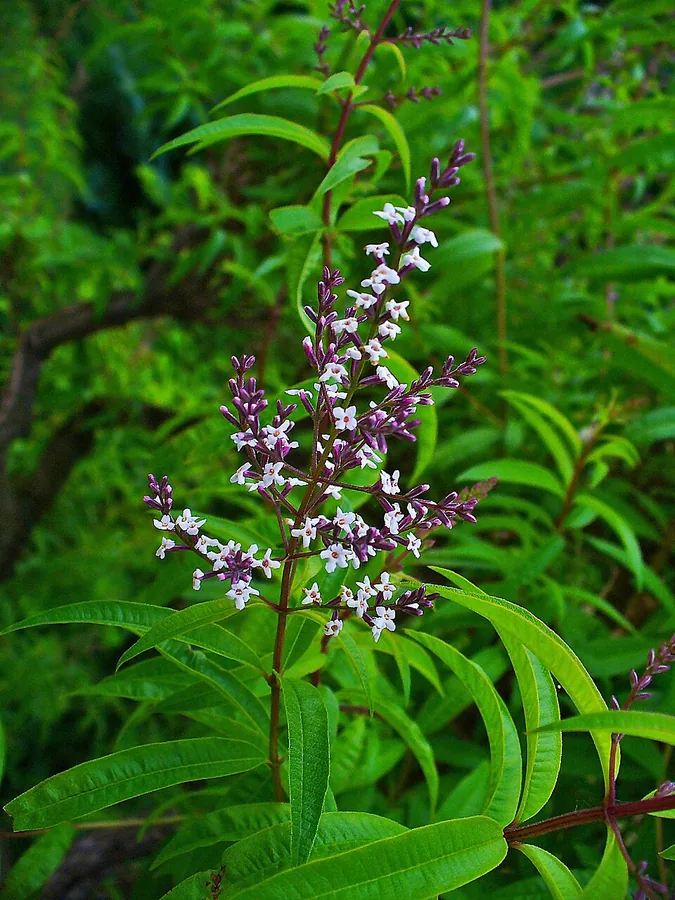
Overview
Few herbs smell as bright as lemon verbena. Crush a single leaf and you get a clean, sweet lemon scent stronger than most citrus, which is why the leaves end up in tea, syrups, and the kitchen. It grows as a loose, woody shrub, native to South America and grown the world over for that fragrance alone.
This is a frost-tender perennial, hardy outdoors only in mild zones 8 to 11. Where winters bite, gardeners grow it in a pot and bring it inside, or simply treat it as an annual and start fresh each spring. It can reach 6 feet (180 cm) of open, leggy growth, so it likes room and a regular pinch to stay bushy.
Lemon verbena rewards a little patience. It sulks and drops its leaves when it's moved or chilled, then flushes back once it settles. Give it sun, warmth, and even moisture, and you'll have fragrant leaves to pick from spring right through the season.
Care
The short version: full sun and warmth, soil kept evenly moist but never soggy, a monthly feed through the growing season, and shelter or a move indoors before the first frost.
Light
Lemon verbena wants full sun, ideally 6 or more hours a day, to keep the leaves fragrant and the growth tight. It tolerates a little afternoon shade, but too much shade gives you a sparse, floppy plant with weaker scent.
Water
Keep the soil evenly moist but well drained, and water more often in pots or during a heat spell. Let it swing between bone-dry and waterlogged and the plant drops its leaves in protest, so steady is the goal.
Soil
Plant in well-drained loam with plenty of organic matter worked in. It takes a fairly wide pH range, from 6.0 to 7.5, but good drainage matters far more than the exact number.
Temperature
It grows happily from about 23°F to 86°F (-5°C to 30°C), but it is frost-tender at the low end and will shed leaves in the cold. Below 40°F (4°C) it suffers, so move container plants in before the first hard chill.
Humidity
Average humidity around 40% to 60% suits it fine outdoors. Indoors over winter the air turns dry, which invites spider mites, so a little extra moisture and good airflow keep the leaves healthy.
Feeding
Feed monthly through spring and summer while the plant is actively growing, using a balanced general-purpose fertilizer. Container plants do better on a lighter hand, since they can't shrug off an overdose the way garden plants can.
Pruning
Prune in spring to shape the plant and clear out dead or weak wood, and pinch the growing tips through the season to keep it bushy and the leaves coming. After overwintering, cut it back hard once fresh growth appears.
Repotting
Repot every 1 to 2 years in spring into the next size up. Roots circling the pot, water rushing straight through, or quick wilting between waterings all signal it's time for fresh soil and more room.
Size & spacing
Expect a loose, woody shrub of 2 to 6 feet (60 to 180 cm) tall with a spread of 3 to 4 feet (90 to 120 cm). Give it that room so air moves freely and the open habit has space to fill in.
When to plant
Lemon verbena waits on warmth and won't tolerate frost. Set plants out only after the cold has passed and the nights have warmed in late spring, harvest the fragrant leaves all season long, and look for small white to lilac flowers as summer winds down.
Northern hemisphere
Southern hemisphere
Typical months for a temperate climate: start earlier in warm zones, later where spring frosts linger.
- Plant: After all danger of frost has passed and soil and nights are warm (late spring)
- Harvest: Tiny white to pale lilac flowers in open clusters in late summer; harvest fragrant leaves throughout the growing season, most aromatic just before flowering
Hardiness
USDA hardiness zones: 8–11
Temperature: down to -12°C
Troubleshooting
Lemon verbena tells you when it's unhappy, usually by dropping leaves or going pale. Most of its troubles trace back to cold, uneven watering, or dry indoor air. Match what you're seeing below and fix the cause before the plant slips further.
Wilting and collapse with soft, dark roots
When the soil stays wet and sour long after watering, root rot has set in and the roots turn mushy and brown. Cut the watering back, lift the plant, and trim away the dead roots before repotting into a fresh, fast-draining mix. A pot with real drainage holes keeps it from happening again.
Fix:
- Reduce watering and improve drainage
- Repot into fresh, well-drained mix, trimming away rotted roots
- Use containers with drainage holes
Leaves dropping all at once
Lemon verbena is a drama queen about change, and a sudden bare plant usually means transplant shock or a chill below 40°F (4°C). A swing between bone-dry and soggy soil will do it too. Settle the plant in one spot, keep the watering even, and it flushes new leaves once it feels safe again.
Fix:
- Stabilize the plant's environment and avoid further moves
- Keep soil evenly moist and out of cold drafts
- Be patient; new leaves usually flush once conditions stabilize
Speckled, yellowing leaves with fine webbing
Dry indoor air invites spider mites, which stipple the leaves pale and string fine webbing across the undersides. Whitefly and aphids leave the same tired, yellow look. Blast the foliage with water, follow up with insecticidal soap on the undersides, and give an indoor plant more air and moisture so the mites lose interest.
Fix:
- Rinse foliage with a strong spray of water
- Treat with insecticidal soap or horticultural oil, covering leaf undersides
- Increase air circulation and humidity for indoor plants
Toxicity
Good news for a busy household: lemon verbena is safe all around. It's a culinary herb grown for tea and cooking, with nothing in the leaves or stems that harms pets, livestock, or children. You can grow it anywhere without worry.
Safe for
People · Cats · Dogs · Horses · Rabbits · Livestock · Birds
Cats None
Safe to have around cats, with nothing toxic in the leaves or stems. A curious nibble might cause a brief, mild stomach upset, which is true of almost any plant.
Dogs None
No toxins here that trouble dogs. The strong lemon scent usually keeps them from chewing much in the first place.
Horses Safe
Nothing in lemon verbena poses a risk to horses, so a grazing horse has no cause for concern.
Rabbits Safe
Safe for rabbits, and the fragrant leaves make a fine occasional treat alongside their usual greens.
Livestock Safe
Cattle, goats, and sheep can browse the foliage without harm, since it carries no toxin that affects them.
Birds Safe
No threat to birds, whether they pick at the leaves in the garden or live alongside the plant indoors.
People Safe
The leaves are a kitchen favorite, steeped for a bright lemon tea or used to flavor food, and they are safe to eat.
Leaves are edible and aromatic; no special handling precautions are needed beyond normal kitchen use.
Varieties
Lemon verbena is almost always sold simply as the species, so there isn't much of a lineup to choose from. Here's what that means when you go shopping.
Lemon verbena (species)
Almost always grown as the straight species rather than a named cultivar, and it carries the most intensely lemon-scented leaves of the common kitchen herbs.
How to propagate
Lemon verbena is best multiplied from cuttings, since the seed rarely cooperates. Take copies of a plant you already like and you know exactly what you're getting.
Stem cuttingsModerate
Late spring through summer using softwood or semi-ripe growth · Roots typically form in about 3-4 weeks, with established plants in 1-2 months
Take cuttings from non-flowering shoot tips in late spring through summer, strip the lower leaves, and set them in a moist, well-drained mix kept warm and humid. Roots form in about 3 to 4 weeks, and the young plants fill out into established ones over the next month or two. Skip seed, which is rarely sold and seldom comes up.
Myths
Lemon verbena is a hardy herb that survives winter outdoors anywhere.
It is frost-tender and only comes back reliably in mild zones, roughly 8 to 11. Anywhere colder, you either move it indoors for winter or treat it as an annual and start over in spring.