Herb · Apiaceae
Cumin
Cuminum cyminum
Give it full sun and a long, hot summer, and cumin rewards you with its own fragrant seed.
Full sun
Every 3–7 days
50–95°F · 10–35°C
100–120 days
Overview
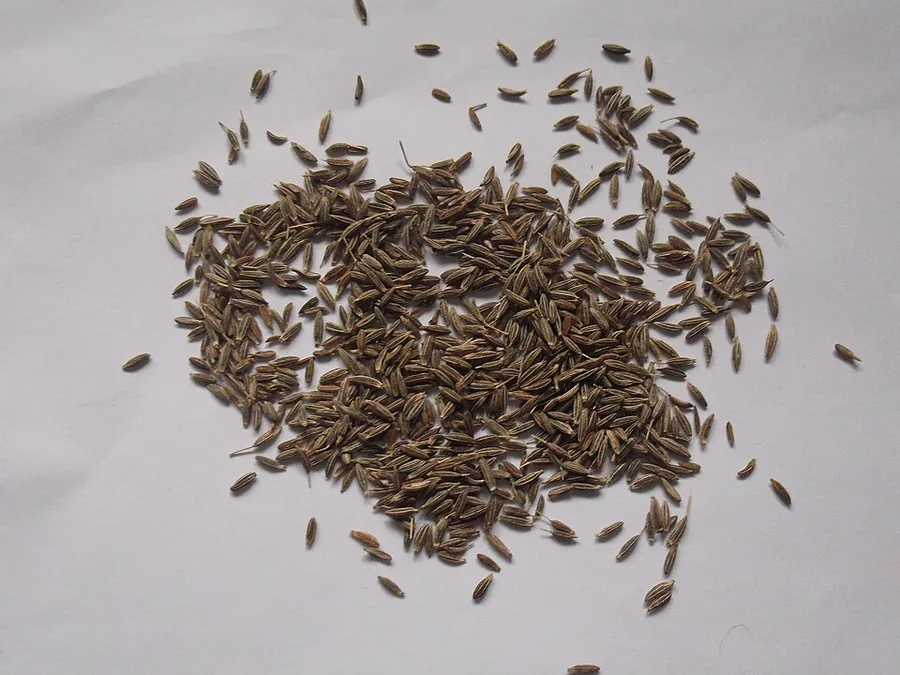
Cumin is the warm-loving spice behind so much of the world's cooking, and it carries the same scent in the garden that it does in the jar. It belongs to the carrot and parsley family, with fine, thread-like leaves and small umbels of white to pink flowers in summer. The part you're after is the seed, which ripens later in the season once those flower heads dry and turn brown.
This is not a beginner's herb. Cumin asks for a long, hot run of 100 to 120 days to carry its seed all the way to ripe, so it shines in warm regions and tests the patience of anyone with a short summer. Where the heat holds, it grows as a tidy annual, knee-high at most, and finishes its whole life in a single season.
What it lacks in ease it makes up for at the table. A row that ripens well gives you a jar of your own toasted, fragrant seed. Get the timing and the heat right and cumin is straightforward, but rush the season and you end up with green umbels that never dry.
Care
The short version: full sun, warm well-drained soil, and even moisture early on, then ease off the water as the seed heads ripen and let a long, hot season do the rest.
Light
Cumin wants full sun and nothing less, with no shade tolerance to fall back on. The more direct light and heat it gets, the better its odds of ripening seed before the season ends.
Water
Keep the soil evenly moist through germination and early growth, when the young plants are most easily set back. As the seed heads form and ripen, ease off the water so the umbels can dry and you head off disease.
Soil
Plant in well-drained sandy loam, since cumin will not stand wet feet. It takes a wide pH range from 6.8 to 8.3, which means it's comfortable in neutral to fairly alkaline ground.
Temperature
Cumin thrives in heat, roughly 50°F to 95°F (10°C to 35°C), and it has no patience for cold. Frost ends it, and a cool summer leaves the seed unripe.
Humidity
It likes the air on the dry side, around 40%, in keeping with its hot, arid homeland. Damp, muggy conditions raise the risk of disease, especially as the seed heads ripen.
Feeding
Feed lightly at planting with a balanced, low-nitrogen fertilizer and leave it at that. Too much nitrogen pushes soft leafy growth that draws aphids and does nothing for the seed.
Pruning
Cumin needs no real pruning. Just thin the seedlings so they aren't crowded and pull weeds early, since this small plant loses out fast to competition.
Repotting
not applicable (annual, direct-sown or transplanted once)
Size & spacing
Cumin stays small, reaching only 8 to 20 inches (20 to 50 cm) tall with a spread of 6 to 12 inches (15 to 30 cm). Give each plant a little room so air moves and the seed heads dry cleanly.
When to plant
Cumin lives and dies by warmth, with no tolerance for frost or a cool, short summer. Sow it after the last frost once the soil has warmed, or start it indoors a few weeks early where the season runs short, then leave it to ripen its seed from late summer into fall.
Northern hemisphere
Southern hemisphere
Typical months for a temperate climate: start earlier in warm zones, later where spring frosts linger.
- Sow: 4-6 weeks before last spring frost where the season is short
- Plant: After last frost when soil is warm (above 15°C/60°F); needs a long hot season of roughly 100-120 days
- Harvest: Small white to pink flowers in compound umbels in summer; harvest seed when umbels turn brown and seed is ripe in late summer to fall
Hardiness
USDA hardiness zones: 5–11
Temperature: down to -29°C
Troubleshooting
Most cumin trouble traces back to two things: pests on the soft young foliage and a season that runs out before the seed ripens. Watch the leaves early and the seed heads late, and you can step in while it still helps.
Seed heads that never dry out before frost
Cumin needs a long, hot run of roughly 100 to 120 days to ripen its seed, and a short or cool summer leaves the umbels stuck green. Give it the hottest, sunniest spot you have and don't sow until the soil is truly warm. Where the season runs short, start the seed indoors to buy back those few extra weeks.
Fix:
- Start seed indoors to extend the effective season
- Choose the hottest, sunniest site and plant after soil is fully warm
Wilting and yellowing as the roots rot
A plant that yellows, wilts, and falls over usually has root rot or a soilborne wilt working below ground in soil that stays too wet. Dig one up and you'll find browned, decayed roots instead of firm white ones. There's no saving an infected plant, so pull and destroy it, fix the drainage, and rotate where you grow cumin next year.
Fix:
- Remove and destroy affected plants
- Improve drainage and avoid overwatering
Curling, distorted leaves with a sticky film
This is aphids feeding on the soft new growth and leaving honeydew behind. Turn a few of the lacy leaves over and look for clusters of tiny soft insects on the undersides. Knock them off with a hard spray of water, and reach for insecticidal soap only if they keep coming back.
Fix:
- Spray plants with a strong jet of water to dislodge aphids
- Apply insecticidal soap to affected foliage if infestation persists
Toxicity
Cumin is a culinary spice and safe all round. The seed turns up in kitchens everywhere, and neither the foliage nor the seed carries a toxin that threatens pets, livestock, or people. No special handling is needed beyond ordinary garden and kitchen sense.
Safe for
People · Cats · Dogs · Horses · Rabbits · Livestock · Birds
Cats None
Cumin is safe around cats. A curious nibble of the feathery foliage won't poison them, though a big mouthful of any new plant can leave a cat a little queasy.
Dogs None
Dogs can be near cumin without any worry. The plant and its seed are not toxic, and a pinch in their food does no harm.
Horses Safe
Horses can graze near cumin safely. Nothing in the leaves, stems, or seed counts as a poison for them.
Rabbits Safe
Rabbits are fine with cumin. The lacy foliage holds no toxin, so the odd bite is harmless.
Livestock Safe
Cattle, goats, and sheep can be around cumin with no danger. It carries no compound that troubles grazing animals.
Birds Safe
Cumin poses no threat to birds. The ripe seed is a common food and safe for them to peck.
People Safe
Cumin seed is an everyday kitchen spice and safe to eat. The leaves and seed carry no toxin, so cooking and harvesting need no special care.
No special handling precautions are required; the seed is a common food spice.
Varieties
Cumin is grown almost entirely as the plain species rather than a string of named cultivars. There is really just one to know.
Common cumin (species type)
Almost all cumin is grown as the plain species rather than a named cultivar, so don't confuse it with the unrelated black cumin or nigella and caraway it gets mixed up with.
How to propagate
Cumin starts only from seed, and its real challenge is heat rather than technique. Get the timing right and the rest follows.
SeedDemanding
After last frost in warm soil, or started indoors 4-6 weeks earlier where the season is short · Roughly 100-120 days from sowing to ripe seed
Cumin grows only from seed, and it asks for warm soil before it will even germinate. Sow it once the frost has passed, or start it indoors 4 to 6 weeks early where summers run short, since it needs a long, hot 100 to 120 days to carry seed all the way to ripe. It is direct-sown or transplanted just the once and left to run its full season.
Myths
Cumin grows easily in any climate, just like other garden herbs.
Cumin is far fussier about heat than most herbs and needs a long, hot run of roughly 100 to 120 days to ripen its seed. In a short or cool summer the umbels simply never dry and brown before frost, and you get no harvest.