Ornamental · Asteraceae
Chrysanthemum
Chrysanthemum × morifolium
Pinch them through summer and give them full sun and steady water, and mums hand you a wall of color come fall.
Full sun
Every 2–4 days
USDA 5–9
1–3 ft · 0.3–0.9 m
Overview
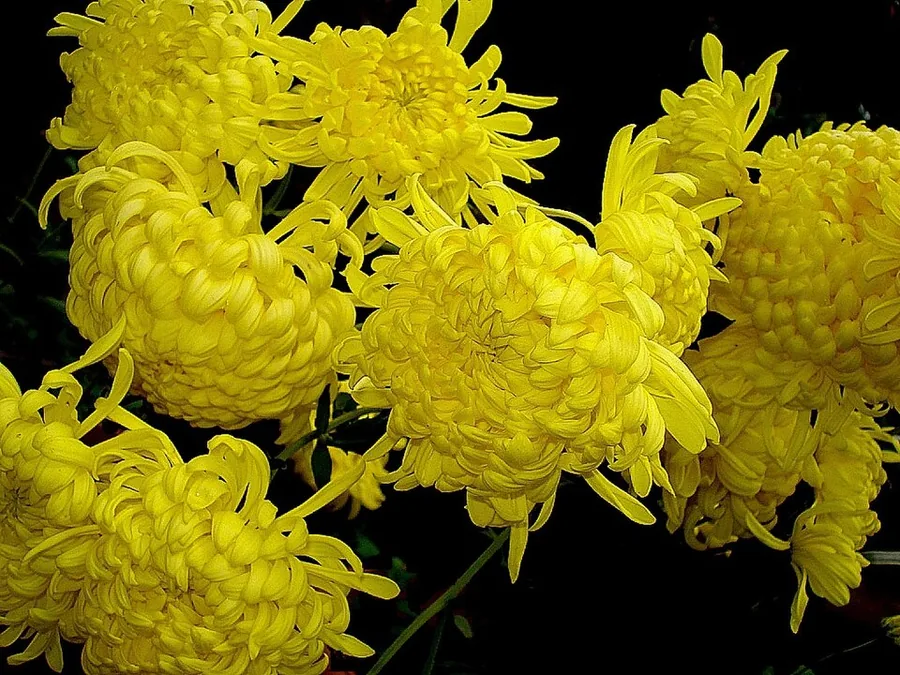
Chrysanthemums are the flower most people picture when fall arrives. They belong to the daisy family and come in mounds of bloom in nearly every warm color, from rust and gold to pink and deep red. Most are sold as garden mums, low cushion-shaped plants that cover themselves in flowers as the days shorten.
Mums earn an easy reputation, and they keep it as long as you do two things. They want full sun and steady moisture, and they want pinching through spring and summer to grow dense instead of leggy. Skip the pinching and you get a tall, sparse plant with a few flowers at the tips.
One catch trips up a lot of gardeners. The blooming mums sold in autumn are bred for a quick show, not for toughness, so many never make it through winter. Plant in spring with good drainage and they come back fuller; buy them in fall and you may be treating them as annuals.
Care
The short version: full sun, rich and well-drained soil kept evenly moist, a weekly feed through the growing season, and regular pinching until about 100 days before bloom.
Light
Mums want 6 or more hours of direct sun a day, and full sun is better still. In too much shade they stretch toward the light, flop over, and set far fewer flowers.
Water
These are thirsty plants that need steady, even moisture, especially while they're budding and in bloom. Let them dry out and growth slows or stalls. Water at the base, keep the foliage dry, and make sure the soil drains so the roots never sit wet.
Soil
Plant in fertile, well-drained soil rich in organic matter and kept evenly moist. Mums take a wide pH range, anywhere from 6.0 to 8.0, so most garden beds suit them once the drainage is right.
Temperature
Garden mums are tough across a broad range, hardy down to about -20°F (-29°C) in the ground and fine up to around 90°F (32°C) in summer. Their bigger winter risk is wet, heaving soil rather than cold itself.
Humidity
Ordinary outdoor humidity is all they need, so there's no target to hit. What matters far more is airflow, since still, damp air around crowded plants is what lets mildew take hold.
Feeding
Mums are heavy feeders and take a weekly dose of soluble balanced fertilizer through the growing season. Stop once the flower buds form, since feeding past that point pushes leaf instead of bloom.
Pruning
Pinching is the whole game with mums. Start when the plant reaches about 6 inches tall, taking off the top half-inch to inch of growth, and repeat every 4 weeks until roughly 100 days before bloom. After a hard frost, cut the stems back to 3 to 4 inches above the ground.
Size & spacing
Plants reach 1 to 3 feet (30 to 91 cm) tall and spread 12 to 24 inches (30 to 61 cm) wide. Set them 18 to 30 inches apart so air moves freely and mildew has less of a foothold.
When to plant
Mums run on the shortening days of autumn and flower from fall right up to a hard freeze. Plant in early spring for the fullest, hardiest plants, or set out fresh ones in fall for instant color. Either way, the pinching you do through spring and summer decides how the plant looks when it finally blooms.
Northern hemisphere
Southern hemisphere
Typical months for a temperate climate: start earlier in warm zones, later where spring frosts linger.
- Sow: Not typically started from seed; propagated from spring cuttings or division.
- Plant: Fall or early spring; spring planting yields fuller plants for fall display.
- Harvest: Fall until freezing temperatures.
Hardiness
USDA hardiness zones: 5–9
Temperature: down to -29°C
Troubleshooting
Most mum problems trace back to how they were grown rather than to bad luck. Leggy growth, winter loss, mildew, and the odd pest cover nearly everything you'll run into. Match what you see below and fix the cause, not just the symptom.
Plants that look fine in fall but never return in spring
Winter loss usually comes down to frost heaving and soggy ground, which lifts the crown out of the soil or rots it where it sits. Late fall plantings take the worst of it because the roots never settled in. After a hard frost cut the stems to 3 to 4 inches and lay down a light, airy mulch, fix the drainage, and where you can, plant in early spring instead so the roots have a full season to anchor.
Fix:
- After hard frost, cut stems to 3-4 in and apply a light, airy mulch
- Improve drainage to reduce standing winter moisture
- Plant in early spring to allow full root establishment
A dusty white film spreading across the leaves
That chalky coating is powdery mildew, a fungus that takes hold when leaves stay wet and air sits still around a crowded plant. Open the planting up for better airflow and water at the base so the foliage stays dry. Strip off the worst leaves and bin them rather than composting them.
Fix:
- Improve spacing and air circulation
- Water at the base and keep foliage dry
- Remove and discard affected leaves
Curled, speckled leaves left tacky to the touch
Twisted leaves, fine stippling, and a sticky film point to aphids, thrips, or spider mites feeding on the undersides. Blast them off with a strong jet of water and check the new growth often so you catch the next wave early. Healthy, unstressed plants and a few resident predators keep most outbreaks small.
Fix:
- Spray foliage with a strong stream of water
- Inspect undersides regularly and treat infestations early
- Encourage beneficial insects
Stretched, floppy stems carrying hardly any flowers
A mum that grows tall and thin and barely blooms was almost always skipped on pinching, and too little sun makes it worse. Start pinching the top inch of growth once the plant hits about 6 inches tall and keep at it every 4 weeks. Move it to a spot with 6 or more hours of direct sun and give each plant 18 to 30 inches of room.
Fix:
- Pinch off the top 1/2 to 1 in of growth starting at about 6 in tall, repeating roughly every 4 weeks until the regional cutoff
- Relocate to a site with 6 or more hours of direct sun
- Space plants 18 to 30 in apart
Toxicity
Chrysanthemums are toxic, so site them with pets and children in mind. The leaves and flowers carry pyrethrins and sesquiterpene lactones that upset the stomach of cats, dogs, and horses and bring on drooling and a wobbly walk. The same compounds irritate human skin, so wear gloves when you handle and cut them back.
Toxic to
Cats · Dogs · Horses · Rabbits · Livestock · Birds · People
Cats Mild
A cat that nibbles the leaves or flowers usually drools and vomits, with loose stools to follow. Bigger mouthfuls can leave it wobbly on its feet, and the sap may redden the skin around the mouth.
Dogs Mild
Dogs react to the same pyrethrins with drooling, an upset stomach, and diarrhea. A dog that eats a good amount can turn unsteady and out of sorts for a day or so.
Horses Mild
Grazing on mums tends to bring on drooling and stomach upset in horses. Watch for a dull, off-balance animal if it has worked through a larger patch.
Rabbits Caution
The same irritant oils that bother cats and dogs make mums a poor choice for rabbits, so keep the plants away from any hutch or run. If a rabbit gets into them, expect soft stools and a quiet, off-feed animal.
Livestock Caution
Cattle, sheep, and goats mostly leave the bitter foliage alone, but a hungry animal that eats it can drool and scour. Fence the plants off from any grazing ground to be safe.
Birds Caution
Pyrethrins are hard on birds, so keep pots out of reach of pet birds and away from where backyard poultry forage. Treat any pecking at the leaves or flowers as a reason to move the plant.
People Caution
The plant isn't something to eat, and its real risk to people is the skin. Handling the stems and leaves can leave sensitive hands red and itchy, so wear gloves and wash up afterward.
Contact with foliage can cause dermatitis in sensitive individuals; wash hands after handling.
Helpline numbers

United States
ASPCA Animal Poison Control: (888) 426-4435 (fee applies)
Poison Control: (800) 222-1222



Canada
Poison Centres: 1-844-764-7669
Varieties
Most mums sold under one label fall into a few real groups, and knowing them tells you whether a plant is meant to last or just to bloom. These are the ones worth telling apart.
Florist's chrysanthemum
Greenhouse-forced types pushed for big, showy blooms and cut flowers rather than any toughness in the garden.
Hardy garden mum
Compact, cushion-shaped plants bred for a wave of fall color and a better shot at coming back the next year.
Rubellum Group (old-fashioned mum)
Tougher heritage mums grown for their habit of returning year after year even in cold zones.
How to propagate
You don't grow mums from seed; you split the plants you have or root their spring shoots. Both are easy and give you copies of a plant you already like.
DivisionEasy
Early spring as new growth appears, about 3-4 weeks after the last killing frost. · One growing season
Lift the whole clump in early spring once new shoots push up, roughly 3 to 4 weeks past the last killing frost. Keep the vigorous outer shoots with their roots and throw away the woody center that has stopped producing. Divide every year or two to keep the plant strong, and give the new pieces a full season to settle in.
Stem cuttingsEasy
Spring, from healthy new shoots. · A few weeks to root
In spring, take soft new shoots from a healthy plant and set them in a moist medium out of direct light. They root within a few weeks and grow into copies of the parent.
Myths
Garden mums sold in fall come back every year wherever you buy them.
Mums bought already blooming in fall often never make it through winter, because they put their energy into flowers instead of roots. Plant in spring instead, give them sharp drainage, and far more survive. Many gardeners simply treat fall mums as annuals and replace them.
Mums flower well on their own without any pruning.
Left alone, a mum grows tall and thin and blooms poorly. Pinching the tips through spring and early summer is what builds the dense, mounded plant covered in fall flowers. Stop about 100 days before you want bloom and let the buds form.