
The bleeding heart meaning as an insult is simple. People use it to say you care too much and let your feelings run your choices. When someone calls you a bleeding heart, they think your kindness clouds your judgment. The phrase frames caring about others as a flaw rather than a good trait. You've heard it tossed around in debates, news shows, and daily talks for decades.
But here's what most people don't know. The term started as something beautiful. If you trace the words back far enough, you find a love story, not a put-down. The gap between what the phrase meant then and what it means now tells you a lot about how culture shapes language over time.
I think the shift in how we use these words is striking. Victorian flower fans saw the bleeding heart as a token of true love and devotion. Bleeding heart symbolism in that era was pure and romantic. Buddhist temple gardens in Asia grew these flowers as signs of deep feeling. The same concept that once earned praise now gets used as a put-down. That change happened in just one century.
The bleeding heart phrase origin as a political term goes back to the 1930s and 1940s in America. Newspaper writers coined the label to mock people who pushed for social programs. The full term became common by the 1950s. Critics said these people wasted time and money on lost causes. They claimed emotion drove the agenda instead of logic. The phrase stuck and spread fast through political speech. You can still hear it used the same way in debates today.
What's strange is that you would never insult someone for having a kind heart in most other parts of the world. The American political use of this phrase stands out as unusual when you look at global culture. In my view, the fact that caring became an insult says more about our politics than about the people being labeled.
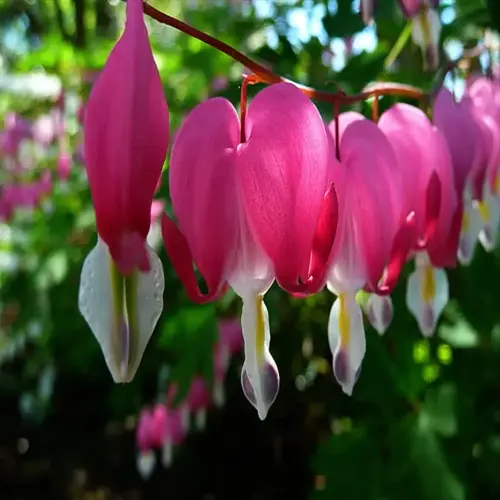
A famous Japanese folk tale paints a very different picture. A young prince tries to win a maiden's love with a series of gifts. He offers slippers, earrings, and a heart that drips with devotion. Each gift matches a part of the flower when you pull the petals apart. This story made the bleeding heart a sign of selfless giving across Asian cultures for hundreds of years.
The irony here is hard to miss. The flower stands for empathy, love, and care in most cultures around the world. Victorian bleeding heart symbolism held up emotional depth as a strength worth showing. Yet the modern insult treats those same traits as a sign of weakness. You can see how strange it is that we turned a love symbol into a way to tear someone down.
Whether the label is bad depends on what you value. The traits behind it, such as empathy and concern for others, drive some of the best parts of how we treat each other. Many people now wear the term with pride as a badge of their values. The flower in your garden doesn't care about any of this debate. It just keeps blooming each spring and offering beauty to anyone who stops to look. You can plant one in your yard and decide for yourself what it means to you. In my experience, the people most worth knowing are the ones who feel things strongly. The world could use more of that, not less.
So the next time someone calls you a bleeding heart, think about the flower it came from. That plant stands for love, devotion, and deep caring across the globe. You might just take it as a compliment instead of a criticism. Your garden knows the real meaning even if politics forgot it along the way.
Read the full article: Bleeding Heart Plant Care and Growing Guide