
When you know exactly when to harvest parsley, you'll get more use out of it. This hard-working herb does double duty as a fresh seasoning in your meals and friendly filler in the garden. You have two choices: flat leaf parsley, which packs a potent flavor and curly parsley, a beautiful garnish.
This article will teach you when to pick parsley. Harvest it all year round. Your plants will produce a prolific yield year after year. We'll also share ways to keep it coming. And there's that fresh parsley taste always in your dishes.
Companion Planting Tips
Companions for your Parsley. Choose your neighbors wisely, and you'll grow your parsley heartier. A good neighbor for parsley is your tomato. In return, your tomato becomes a better producer. Another companion for your parsley is your onion. Your onions keep the sagefly and others from marauding in your plots.
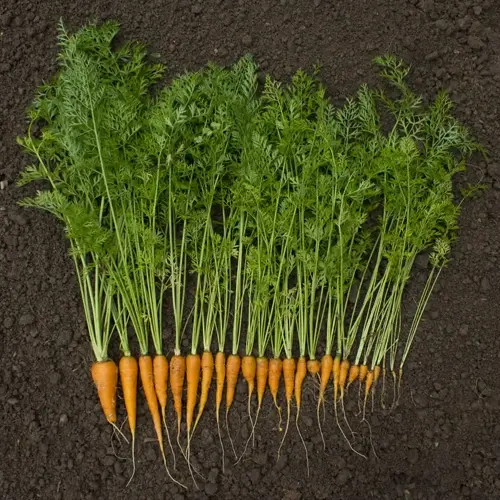
Some plants are a menace to parsley. Never plant the row of carrots too closely. They will rob it of nutriment in the soil. Dill should also be kept aloof. Its roots will encroach upon the space falling to our plant. Both of the above are antagonistic to parsley, hindering its growth and development.
Smart Pairings Give Your Parsley the Best Shot. Tomatoes are ideal companions as they boost the flavor of your herbs and help them grow faster. Onions act as a natural pest deterrent. Do keep them away from carrots and dill: these crops will compete for nutrients. Your parsley will be more than happy with a little help.
Biennial Harvest Cycle
Two-year lifecycle: Parsley makes a two-year leap for plants. The first year, all of the focus is on leaf production. Plants grow vigorously from spring until frost. You can grab leaves from the plants as often as you need. The second year, they're all about the seeds. Flower stalks in spring.
Temperature: Parsley survives light frosts as low as 20°F (-6°C), with mulch. Zones 7-11 will have plants that can survive outdoors. Below 40°F (4°C), they will not grow much. Use harvested sparingly, kept inside. Keep roots safe with thick layers of mulch.
Flowering brings in flavor changes and dangers. The leaves begin to taste bitter when apiol develops in them; the seeds become poisonous if consumed. Thus, do not leave off gathering the leaves when once the flowers have shot out, nor pick the seeds till the umbel is brown. Then, let them still be kept most carefully, out of the reach of children.
Year 1: Leaf Development Phase (0-60 days)
- Germination: Parsley seeds sprout in 14-30 days at 50-85°F (10-29°C) soil temperatures
- Establishment: Seedlings develop 5-10 true stems over 60 days - avoid harvesting during this period
- First Harvest: Begin harvesting when plants reach 6-8 inches (15-20 cm) height with segmented leaves
Year 1: Peak Production (60 days to frost)
- Harvest Window: Cut outer stems weekly in cool 60-70°F (15-21°C) weather for optimal flavor
- Yield Management: Never remove >⅓ of foliage - plants produce 1-2 oz (28-57g) leaves weekly
- Summer Care: Provide shade when temperatures exceed 85°F (29°C) to prevent premature bolting
Year 1: Overwintering (Zones 7-11)
- Cold Tolerance: Parsley survives light frosts down to 20°F (-6°C) with mulch protection
- Winter Harvest: In snow-free regions, harvest sparingly - plants grow slowly below 40°F (4°C)
- Moisture Control: Reduce watering to once weekly during dormancy to prevent root rot
Year 2: Spring Regrowth (Last harvest phase)
- Early Harvest: Resume cutting when new growth appears - best flavor before temperatures exceed 70°F (21°C)
- Flower Watch: Stop harvesting when flower stalks emerge (typically 6-8 weeks after spring growth)
- Bitterness Alert: Apiol concentration increases during flowering - leaves develop stronger, bitter notes
Year 2: Flowering & Seed Production
- Pollinator Support: Umbels attract bees/butterflies - seeds mature in 90-120 days after flowering
- Seed Harvest: Collect brown seed heads - store in airtight containers (toxic if ingested)
- Plant Decline: Parsley dies after seeding - compost plants once foliage yellows completely
Freezing Parsley Properly
Freezing parsley (this always retains its fresh flavour better than drying will): You have two simple methods, are freezing whole leaves whole and chopping up parsley and mixing it with oil (shell this in ice-cube trays made of paraffin to obtain troubadours). In either case the pungent and odorous essential oils are retained; in any case the leave may be preserved for several months.
Whole leaf freezing - Wash and dry thoroughly. Place leaves on a baking sheet. Freeze for 2 hours and place in an airtight freezer bag. Seal and suck out the air with a straw. This method will keep parsley for 8 to 12 months.
Chopped parsley in oil. Makes cooking that much easier. Chop up a cup of parsley and add a quarter cup of the finest quality olive oil. Fill ice-cube trays with the mixture, and when frozen, pack the cubes into bags. Each cube is equivalent to a tablespoonful and will last for six to eight months.
Moisture control prevents the formation of ice crystals. Freeze only dehydrated leaves. Pop a couple of packets of dry rice into the original freezer and storage container. Never pack in thin plastic bags; they lead to that nasty freezer burn and freezer taste. Use glass jars or silicone bags instead; then label them when frozen and include the gross weight.
Freezing beats drying for preserving flavor genuinely. In fact, frozen parsley retains 90 percent of its essential oils, while dried parsley loses almost all of them. Therefore, when making soup, if you're using parsley, put it in the freezer; you won't have time to cook the dried anyway. As a dried herb, this one is better combined with other spices. Choose whichever suits your needs.
Whole Leaf Freezing
- Preparation: Wash leaves in cold water, pat dry with paper towels - ensure zero moisture remains
- Freezing Process: Spread leaves on baking sheet, freeze for 2 hours at 0°F (-18°C) before bagging
- Storage: Use airtight freezer bags, remove air with straw - lasts 8-12 months at 0°F (-18°C)
Chopped Parsley in Oil
- Preparation: Chop leaves finely (avoid food processor), mix 1 cup parsley with ¼ cup olive oil
- Freezing Process: Fill ice cube trays, freeze 4 hours - yields 1 tbsp (15ml) cubes per section
- Storage: Transfer cubes to freezer bags - lasts 6-8 months at 0°F (-18°C)
Storage Containers
- Best Options: Vacuum-sealed bags > silicone bags > glass jars with wide mouths
- Avoid: Thin plastic bags (causes freezer burn and flavor degradation)
- Labeling: Include date/frozen weight (e.g., 'Chopped Parsley - Jan/2 oz/57g')
Moisture Control
- Critical Step: Dry leaves 2 hours on towels - residual moisture causes ice crystals
- Troubleshooting: If leaves clump, refreeze on tray for 1 hour before rebagging
- Humidity Control: Add dry rice packet to storage containers to absorb excess moisture
Usage Tips
- Direct Application: Add frozen parsley directly to soups/stews - no thawing needed
- Quantity Conversion: 1 frozen tbsp = 1 tbsp fresh parsley (equivalent flavor strength)
- Avoid: Garnishing cold dishes with frozen parsley (causes wilting)
Freezing vs Drying
- Flavor Retention: Freezing preserves essential oils better - retains 90% flavor for 6+ months
- Texture Preservation: Frozen parsley maintains leaf structure; dried becomes brittle
- Best For Cooking: Use frozen parsley in cooked dishes; dried works better in spice blends
When to Harvest Parsley
Visual cues tell you when your parsley is ready to be harvested. You're looking for plants with 5-10 mature stems, each measuring 6-8 inches in height. The base of the stems should be about the thickness of a pencil, and the leaves should be deep green in color, without yellow blotches.
The seasons, climate, and temperatures determine the timing of your harvest. In spring, harvest everything every week when the temperatures fluctuate around 60-70°F (15-21°C). In summer, pick before the sun rises all day, and only in the cool of the early morning, before it rises above 85°F (29°C). In the fall, harvest everything every 5 days, provided the weather is between 50-65°F (10-18°C).
Don't harvest during bloom or intense heat. Never cut when the leaves are wet from rain or dew. Don't harvest at all if the temperature is expected to drop below 40°F (4.44°C), or in winter. Damaged plants must be given time to recover. Always wait at least 30 days after transplanting seedlings.
Time from planting. Parsley grown from seed requires a minimum of 45-60 days to mature, but if it is transplanted, it will be ready for harvest in 30 days or less. For the strongest flavored herbs, cut the plants in the morning when they contain the highest amount of oil. Gather and cut with sharp scissors, cutting only the outer stalks, leaving the center growth point untouched.
Stem Development
- Minimum Stems: 5-10 mature stems (each 6-8 inches/15-20 cm tall)
- Stem Thickness: Base should be pencil-width (0.25 inches/6.35mm)
- Color: Uniform deep green without yellowing
Leaf Maturity
- Curly Parsley: Leaves fully curled with crisp edges
- Flat-Leaf Parsley: Tri-segmented leaves with visible veins
- Texture: Firm leaves that snap when bent
Plant Age
- Seed Start: 45-60 days after sowing
- Transplant Start: 30 days after transplanting seedlings
- Peak Production: 70-90 days after planting
Root Health
- Soil Check: Gently expose roots - should be white and fibrous
- Moisture Level: Soil slightly damp but not waterlogged
- Drainage Test: Water should absorb within 10 seconds
Daily Timing
- Optimal Window: Dawn to 9 AM when oil concentration peaks
- Avoid Midday: Sun exposure reduces moisture content by 15%
- Post-Rain Delay: Wait 6 hours after rainfall for leaves to dry
Never Harvest When
- Flowering Stage: Bolting produces bitter-tasting apiol compound
- Heat Stress: Temperatures above 85°F (29°C) cause wilting
- Wet Conditions: Morning dew or rain spreads fungal diseases
Plant Health Warnings
- Pest Damage: Holes from caterpillars/aphids - treat before harvest
- Disease Signs: Powdery mildew or yellow spots on leaves
- Nutrient Deficiency: Purple stems indicate phosphorus lack
Environmental Stress
- Drought Conditions: Soil moisture below 1 inch (2.5cm) depth
- Recent Fertilization: Wait 7 days after feeding to harvest
- High Wind Exposure: Damaged leaves need recovery time
Growth Stage Issues
- Young Seedlings: Plants under 4 inches (10cm) need full foliage
- Transplant Shock: Wait 2 weeks after moving plants
- Post-Pruning Recovery: Allow 5-day regrowth period
Time of Day Restrictions
- Midday Sun: 10 AM - 4 PM causes rapid flavor degradation
- Evening Dew: Moisture accumulation increases rot risk
- After Irrigation: Wait 4 hours post-watering
How to Harvest Parsley
Tool preparation enables a clean cut that heals quickly. Use sharp herb scissors or micro tip pruners. Spray rubbing alcohol on the blades before cutting to prevent the spread of disease from plant to plant. If your plants have delicate leaves, wearing nitrile gloves while cutting helps prevent them from being bruised by your fingers. Stand facing the sun so you can get a good view of what you're cutting through.
Cutting Technique - The way you cut back the plant affects its recovery rate. Try to cut back only the outer stem that is six inches long or so. Cut at a 45-degree angle, one inch above the soil. Never cut off leaves without a stem, and keep the centre of the plant intact as well. This minimizes damage to the crown.
Regrowth stimulation occurs when you harvest correctly. Cutting induces renewed sprouting at the crown within days. Water deeply each time you harvest a gallon (3.8L) or more per plant. Fertilizers should ideally be balanced and applied within one to two days after harvesting. Rotate through the sections or individual plants of each row, clockwise if desired. Always allow seven days between harvests to enable recovery.
Harmful practices. Cut crosswise - go for some water rot, yeah! Lift out over a third of the leaf - absolutely torture them and water them afterwards, it's a mantra! Cut the inner stems outside, and you'll starve them from growing again. You will see yellow leaves appear on the cut plant in three days. Don't confuse other leaf yellowing apart from the cut. Saw off the tool and harvested them, allowing them to sprout.
Tool Preparation
- Sanitization: Clean scissors/pruners with rubbing alcohol to prevent disease spread
- Sharpness Test: Should cleanly cut paper - sharpen if it tears instead
- Glove Recommendation: Use nitrile gloves to prevent leaf bruising
Plant Positioning
- Light Direction: Face sunlight to see stem bases clearly
- Stem Selection: Identify outer stems at least 6 inches (15 cm) long
- Avoidance Zone: Mark 1 inch (2.5 cm) radius around center growth point
Cutting Execution
- Cut Height: 1 inch (2.5 cm) above soil level for all parsley varieties
- Angle: 45-degree cut away from center to direct water runoff
- Stem Inclusion: Always cut with stems attached - never pluck leaves alone
Quantity Control
- Max Removal: Never harvest >⅓ of plant's foliage in one session
- Rotation System: Divide plant into quadrants - harvest one section weekly
- Recovery Period: Allow 5-7 days between harvests per section
Post-Harvest Handling
- Immediate Processing: Place stems in water within 5 minutes of cutting
- Temperature Control: Keep below 50°F (10°C) during transport
- Cleaning: Rinse only if soiled - moisture accelerates spoilage
Post-Cut Care
- Watering: Deep water immediately after harvesting - 1 gallon (3.8L) per plant
- Fertilization: Apply balanced 5-5-5 NPK fertilizer within 24 hours
- Mulching: Add 1 inch (2.5 cm) compost around base to retain moisture
Light Optimization
- Sun Exposure: Ensure 6+ hours direct sunlight daily
- Rotation: Turn container plants 90° after each harvest
- Reflective Surfaces: Use light-colored stones to enhance light exposure
Growth Monitoring
- New Shoot Count: Expect 2-4 new stems per cut stem within 5 days
- Color Check: Healthy regrowth shows bright green tips
- Problem Signs: Yellowing indicates over-harvesting or disease
Temperature Management
- Ideal Range: Maintain 60-70°F (15-21°C) for optimal regrowth
- Heat Protection: Use shade cloth when temperatures exceed 80°F (27°C)
- Cold Protection: Cover plants when temperatures drop below 40°F (4°C)
Pruning Strategy
- Selective Trimming: Remove only damaged leaves during regrowth phase
- Pinching Technique: Gently pinch tips to encourage bushier growth
- Timing: Perform maintenance pruning 3 days after main harvest
5 Common Myths
Cut parsley stems will regrow new leaves from the same cutting point
Parsley only produces new growth from its central crown, not from cut stems. When you harvest outer stems, new shoots emerge exclusively from the plant's center growth point at soil level. The cut stems themselves wither and decompose because parsley lacks nodal regeneration capabilities like basil or mint. For continuous harvest, always leave the central 1-inch (2.5cm) diameter area undisturbed while cutting outer stems 1 inch above soil level.
Dried parsley provides the same flavor quality as freshly frozen parsley
Freezing preserves significantly more of parsley's essential oils compared to drying methods. The dehydration process evaporates volatile compounds like myristicin and apiol that give parsley its distinctive flavor, while freezing at 0°F (-18C) maintains these oils effectively. Dried parsley also loses texture integrity, crumbling easily, whereas frozen parsley retains leaf structure. For cooking, 1 tbsp frozen parsley equals about 3 tbsp dried in flavor potency.
All parsley varieties have identical flavor profiles and culinary uses
Flat-leaf parsley contains higher concentration of essential oils than curly varieties, giving it a stronger, peppery flavor ideal for cooked dishes. Curly parsley has milder taste due to thicker cell walls and lower oil content, making it better for garnishes. The two types also differ chemically: flat-leaf has higher myristicin levels, while curly parsley contains more apigenin antioxidants. They are not interchangeable in recipes requiring specific flavor intensities.
You can harvest parsley at any time of the day without losing quality
The oil content of parsley's foliage is highest at dawn (5am-7am) when it is between 50° and 60°F (10° to 15°C) because it has significantly higher levels of essential oil than it does at noon. After noon, direct sunlight will degrade aromatic compound content through photo-oxidation, particularly at temperatures above 70° (21°C). Parsley harvested late in the evening will have residual moisture from dew which will dilute flavours. Ideally, for maximum flavour, parsley should be harvested within two hours of sunrise by using a sharp pair of shears, then put in a cool place (40°/4°C) immediately after harvesting.
Flowering parsley plants are dead and should be immediately removed
While parsley becomes biennial after flowering, the leaves remain edible though more bitter due to increased apiol concentration. Plants continue photosynthesis for 8-10 weeks post-flowering, allowing seed production. The bitter leaves can still flavor stocks when boiled. Only remove plants when foliage yellows completely, typically 90 days after flowering. Before removal, collect seeds for replanting by cutting dry umbels and storing in paper bags.
Conclusion
Timing of Harvest plays a significant role in the flavour of Parsley; Harvesting before the sun has risen allows the essential oils to reach their peak level. By adhering to seasonal temperature recommendations for harvesting, the quality of your dish will be at its highest. Harvesting at the proper time will determine the overall freshness of your dish.
Biennial cycle knowledge: First year plants - Parley, a biennial, gives plenty of leaves. You can freeze your store while the leaves are profuse, in the first year, to use in winter. Second year plants Seeks to the seed. Use the frozen parsley all through the winter and you have a supply the year round.
Forget those debunked parsley growth myths. Cutting the stem does not result in the regrowth of leaves. Frozen Parsley has superior flavour quality compared to dried parsley. You can still use flowering plants. Avoid these mistakes; your garden will appreciate you!
These techniques can be implemented as soon as possible! The following must be done before harvesting: check on the number of stems, use clean, sharp tools when cutting herbs, and properly freeze any extra parsley. Each week, rotate through the harvest area. Fresh flavor will be added to your kitchen while maintaining productivity in your garden!
External Sources
Frequently Asked Questions
How do you know when parsley is ready to pick?
Parsley is ready when plants have 5-10 mature stems reaching 6-8 inches tall with deep green, segmented leaves. Check for pencil-thick stem bases and avoid harvesting during flowering or extreme heat. Morning harvests at dawn provide peak flavor intensity.
How to cut parsley so it keeps growing?
Use sharp, sanitized scissors to cut outer stems at a 45° angle 1 inch above soil level. Never remove more than one-third of foliage and rotate harvesting sections weekly. This stimulates regrowth from the central crown within 5-7 days.
Is it better to dry or freeze parsley?
Freezing preserves significantly more flavor and essential oils compared to drying. For best results:
- Freezing: Retains 90% flavor; ideal for cooked dishes
- Drying: Loses 70% oils; better for spice blends
- Storage: Frozen lasts 8-12 months; dried 6 months
What should you not plant next to parsley?
Avoid planting near carrots, dill, or lettuce due to resource competition. Instead, choose companions like:
- Tomatoes: Enhance mutual growth and flavor
- Onions: Deter aphids and other pests
- Asparagus: Improve soil nutrient sharing
How often should parsley be harvested?
Harvest frequency depends on the season:
- Spring/fall: Every 5-7 days during 60-70°F temperatures
- Summer: Bi-weekly in early morning only
- Winter: Monthly in frost-free zones with protection
Why do chefs prefer flat-leaf parsley?
Flat-leaf parsley contains 40% more essential oils than curly varieties, delivering a stronger peppery flavor ideal for cooking. Its tender leaves blend better in sauces and retain texture when heated, unlike curly parsley which is milder and better for garnish.
Can parsley be left outside in winter?
Yes, in zones 7-11 with mulch protection. Parsley survives light frosts down to 20°F but grows slowly below 40°F. Harvest sparingly and cover plants during hard freezes. In colder zones, move containers indoors or use cold frames.
Does harvesting encourage more growth?
Strategic harvesting stimulates regrowth when done correctly. Cutting outer stems triggers new shoots from the central crown within days. However, over-harvesting (removing >⅓ foliage) or cutting during flowering stunts growth. Always allow 5-day recovery between sessions.
What can I do with abundant fresh parsley?
Preserve excess parsley using these methods:
- Freeze: Chop with olive oil in ice cube trays
- Dry: Hang bunches in a dark, ventilated area
- Cook: Add to soups, pesto, or herb butters
- Share: Gift plants to gardening friends
Is it okay to let parsley flower?
Flowering signals the biennial cycle's end, making leaves bitter but still edible for stocks. Allow flowering if collecting seeds for replanting. Remove plants only when foliage fully yellows, typically 90 days post-flowering, to maximize seed production.