
Apply calcium at appropriate growth stages to combat blossom end rot effectively. Begin amending the soil with calcium several weeks before planting, and continue periodically throughout the flowering period. It's all about the timing, not just the amount. I learned the hard way, wasting calcium on ripe plants infested with rot.
Start four to six weeks before transplanting your tomatoes. Test your soil pH and amend soil to between 6.5 and 7.0 using lime or gypsum. Add sources of calcium, such as crushed eggshells, to the soil at a depth of twelve inches or more to allow time for them to break down and for the amendments to incorporate. Never skimp on this first step of foundation work.
Pre-Planting Phase
- Test soil pH 4-6 weeks before planting
- Apply lime/gypsum based on test results
- Mix compost and calcium sources into beds
Transplant Stage
- Add gypsum or bone meal to planting holes
- Water thoroughly after transplanting
- Apply starter fertilizer low in nitrogen
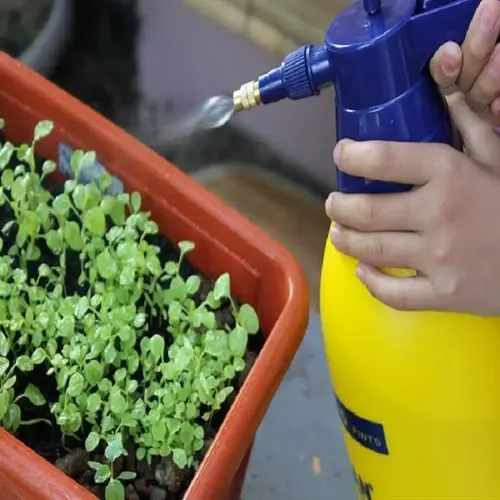
Initiate your foliar sprays when the "first flowers appear", at the rate of calcium nitrate, one tablespoon to the gallon. You should spray in the early morning, repeating the process every seven days. This spray brings calcium directly to the developing fruit. I missed this opportunity once and suffered a 30% yield reduction.
Keep the soil uniformly moist. Calcium is perpetual motion along a water track; dry weather interrupts the train, stopping delivery. Test the soil, to a depth of three inches, every day. Switch to twice-daily applications in hot weather for container crops. By getting calcium into the soil through continuous watering, we should have something amiss if it cannot be found this way.
Inspect weekly when it is hot. Check for early signs of stress in the plants, such as yam leaves wilting and musty scents. Immediately increase watering if this occurs. Apply calcium supplements if any new fruits are spotted. Make a note in your garden/spray diary each time you apply these products and how the plants respond.
Applications should halt once the fruit has matured, as late calcium will not fix any existing damage; therefore, your focus should now be directed towards preparing for next year's crop. Healthy soil preparation remains the most effective preventive measure available, and your timing choices will significantly impact the overall success of your harvest.
Read the full article: Prevent Blossom End Rot: Ultimate Garden Guide