
Sweet Potatoes love to grow in loose, sandy soil that allows their tubers to expand freely. I've learned this through my many plantings in my various garden beds. Heavy clay soils can hardly breathe or allow roots to spread out, and they tend to be waterlogged. Good soil is easy to squeeze into crumbs and will readily fall apart in the hand.
Testing & Amendment
- Test pH using home kit or lab service
- Add sulfur to lower pH if above 6.5
- Incorporate lime if pH drops below 5.5
- Retest 2 weeks after amendments
Texture Improvement
- Mix 3-4 inches of coarse sand into clay soils
- Add compost for organic matter in sandy soils
- Create raised beds for better drainage
- Avoid walking on planting beds to prevent compaction
Nutrient Balancing
- Apply balanced fertilizer (5-10-10) at planting
- Side-dress with potassium-rich wood ash at 60 days
- Avoid high nitrogen that promotes vines over tubers
- Use compost tea for micronutrient boost
Maintain a slightly acidic soil pH, with a range of 5.8 to 6.2, as this is optimal for nutrient uptake. I test my soil every spring using one of my digital meters. Sweet potatoes don't take up phosphorus well if the soil is alkaline. Acidic conditions have also been found to prevent scurf disease. You can drop pine needle mulch around, which will naturally create acidity.
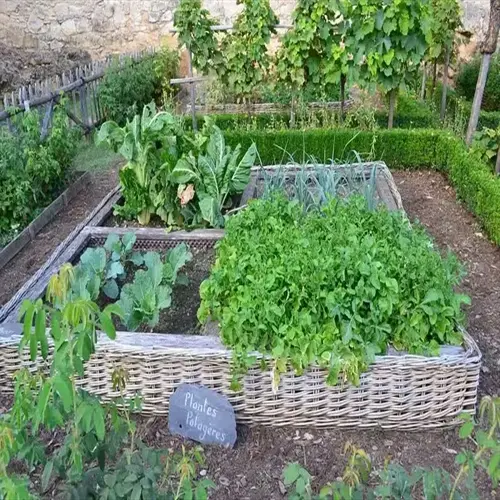
Raised Beds - In heavily compacted areas, create a raised bed that is 8-12 inches high. My beds are 3 feet wide with walking paths in between. Increased drainage results. Fill with a sandy loam mix that consists of 30% compost. Curve/shape the beds north-south for maximum sun exposure. Avoid using pressure-treated wood for edging.
Prepare soil 2-3 weeks before planting. I till the beds to a 12-inch depth, clearing out any rocks. Add balanced fertilizer and let it be watered in thoroughly. Then cover with black plastic to help warm the soil. This gives the slips their best start. Additionally, I check for drainage by digging a 12-inch hole and filling it with water. It should drain completely within 2 hours.
Read the full article: How to Grow Sweet Potatoes Successfully