
Cabbage attracts the wrong neighbors. Some plants rob the soil of nutrients that cabbage could otherwise use, while others attract winged insects that damage the cabbage heads. Being clever with companion plantings creates a healthier garden environment and increases the vigour of your crops.
Pest Magnets
- Tomatoes attract hornworms that also attack cabbage
- Strawberries bring slugs that chew cabbage seedlings
- Peppers share aphid infestations with cabbage plants
Nutrient Competitors
- Mustard greens deplete soil nitrogen rapidly
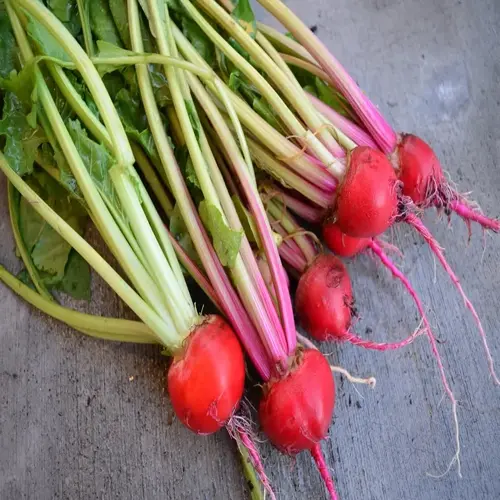
- Radishes consume phosphorus needed for head formation
- Corn creates dense root competition underground
Growth Inhibitors
- Pole beans release compounds slowing cabbage growth
- Fennel produces root chemicals that stunt development
- Broccoli increases disease vulnerability in nearby plants
Pest-sharing plants share double trouble. Insects swarm back and forth between them. The hornworm chomping through your tomatoes will chow down on cabbage. Aphids that infested the peppers have now moved to the cabbage in just a matter of days. Keep these plants separate!
Cabbages can be deprived of essential nutrients by competition with other plants, for example, mustard greens and radishes. Both plants require large amounts of nitrogen and phosphorus for head development. Grow mustard greens and radishes in separate beds or at different times of the year than cabbage.
Select companions that are advantageous. Garlic and Onions both have an unpleasant odour that keeps away Cabbage Moths. Dill attracts predatory wasps, which will consume Cabbage Worms. Nasturtiums are used as trap plants and draw in aphids, which prevents them from feeding on other plants.
The orientation of your garden must be carefully considered to create distance between cabbage plants and any other plants that may cause ill effects. Yearly crop rotations help to prevent disease from accumulating in the soil. Gardeners can prevent the growth of pests by using appropriate spacing and companion planting techniques.
Read the full article: 5 Key Signs: When to Harvest Cabbage