
Knowing when to harvest cabbage makes a huge difference between crisp, sweet leaves and disappointing heads of cabbage. Perfect timing locks in that garden-fresh flavor you have worked so hard to grow.
Your cabbage journey begins with a tiny seed, growing through a few short stages until you harvest a head of cabbage from the stalk. The process from seed to harvest is commonly around 60 to 180 days, depending on the variety. Homegrown cabbage tastes better and has a better texture than anything you buy at the store.
Garden timing is everything if you want cut heads of cabbage to be firm and not split or bolt. Watch your plants closely and harvest them when they are ripe. That first moment when you cut a splendid head of your own cabbage is exquisite.
Growing Cabbage Essentials
Varieties of cabbage: Be sure to select your varieties with care, as the time they take to mature varies immensely, from the quickest green cabages of 60 days to the longest of 180 in red varieties. SOWING GARDEN FIGS. Plan your sowing calendar carefully with regard to the length of season you have to work in, and the climate.
Cabbages absorb nutrients more readily if your soil is between 6.0 and 7.5. Test it early and amend with lime if it's too acidic, or sulfur if it's too alkaline. Balanced, your plants will receive phosphorus and nitrogen without further difficulty, developing strong heads.
The temperature at the time of planting cabbage is important. Sow seeds in a hotbed or indoors, at 65 70°F 18 21°C, and then transplant when the soil is 45°F 7°C. If sown in open ground, it must have a continuous temperature of 50°F (10°C) or higher, or it will become stunted.
Growing cabbage outdoors, you need to keep an eye open for sudden cold snaps. Broadsheets, in which you wrap cabbage like sheets, are useful if the temperature falls on the wrong side of 45°F (7°C), especially with young transplants. Seedlings indoors must be given plenty of light, or "leggy" weak stems will develop before you can transplant them tomorrow.
Sunlight Requirements
- Cabbage requires 6-8 hours of direct sunlight daily for proper head formation. In hot climates, provide partial afternoon shade to prevent bolting during summer heat waves.
Soil Preparation
- Well-drained soil with pH 6-7 is essential for cabbage growth. Enrich with two buckets of compost per square meter (10.8 sq ft) before planting to ensure nutrient availability.
Temperature Range
- Ideal cabbage growth occurs between 45-75°F (7-24°C). Protect seedlings from frost and harvest before temperatures exceed 80°F (27°C) to prevent bolting and splitting.
Planting Technique
- Sow seeds ¼ inch (0.6 cm) deep indoors 4-6 weeks before last frost. Transplant hardened seedlings 12-24 inches (30-60 cm) apart in late winter/early spring for summer harvest.
Container Growing
- Use containers minimum 12-18 inches (30-45 cm) deep with 16-20 inch (40-50 cm) diameter. Ensure drainage holes and use well-draining potting mix, watering when top 1 inch (2.5 cm) of soil is dry.
Seasonal Planting
- For summer harvest: Start seeds late winter. For fall harvest: Plant mid-summer. Winter varieties should be sown in late spring for cold-season harvesting.
Caring for Your Cabbage
Regular watering of cabbage is required to keep your plants healthy and thriving. Provide 1 to 2 inches of water per square foot every week. Increase this to 2 or 3 inches per week while your plants are forming heads for best results. Keep foliage dry (to avoid rot) by using drip irrigation, and avoid surface watering that doesn't sufficiently wet the soil deeply.
Install fine mesh pest control netting as soon as they are in the ground, to keep out caterpillars and pigeons. Check the leaves weekly for eggs or damage, especially the undersides of the leaves, and handpick offenders. Avoid using pesticides to protect beneficial garden bugs, such as ladybugs.
Tear off the yellow or damaged outer leaves every week to give the young developing heads more air. This keeps the plants from having disease and directs all their energies to the stationary heads. When mature, harvest the outer row of leaves, starting approximately three weeks after transplanting, to maintain continuous yields and protect the inner-growing leaves.
Apply an organic mulch to the soil around your cabbage plants and replenish it every month or so during the growing season to conserve soil moisture and weight and protect against weed germination. If the temperature rises beyond 80°F, be sure to shade your plants. Otherwise, they will bolt, and the head will develop an undesirable pithy texture.
Watering Schedule
- Provide 1-2 inches (2.5-5 cm) of water per square foot weekly. Increase to 2-3 inches during head formation for optimal growth. Use drip irrigation to prevent leaf rot.
Pest Protection
- Install fine-mesh netting immediately after planting to deter cabbage caterpillars and pigeons. Check leaves weekly for eggs; hand-remove pests if netting fails. Avoid pesticides to protect beneficial insects.
Leaf Maintenance
- Remove yellowed/damaged outer leaves weekly to improve airflow and prevent disease. Harvest mature outer leaves 3-4 weeks after transplanting for continuous yield. Discard severely pest-damaged leaves away from garden.
Fertilizing Routine
- Apply compost 2 weeks post-transplanting for root development. Use nitrogen-rich fertilizer (e.g., fish emulsion) 5 weeks later. Avoid over-fertilization which causes leafy growth instead of heads.
Mulching Technique
- Spread 3 inches (7.6 cm) of organic mulch (straw/compost) around plants. Maintain moisture retention and suppress weeds while regulating soil temperature. Replenish monthly during growing season.
Weather Adaptation
- Cover plants with row covers if temperatures drop below 45°F (7°C). Mature cabbage withstands light frosts down to 20°F (-6°C). Use shade cloth when temperatures exceed 80°F (27°C). Remove protection once conditions stabilize.
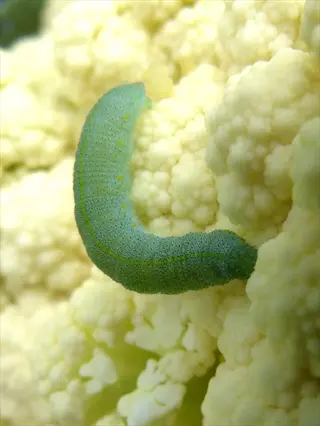
Cabbage Loopers
- Identification: Green caterpillars with white stripes, inch-long
- Damage: Chew irregular holes in leaves
- Organic Control: Apply Bacillus thuringiensis (Bt) spray weekly
- Prevention: Install netting before butterflies appear
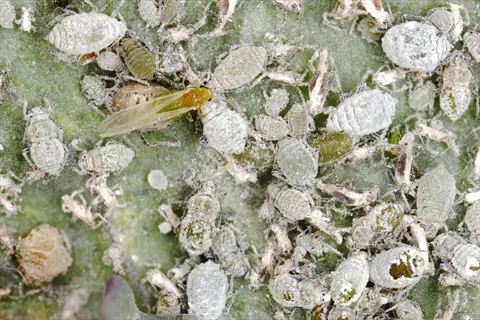
Cabbage Aphids
- Identification: Gray-green clusters under leaves
- Damage: Curled, yellowed foliage
- Organic Control: Spray with insecticidal soap
- Prevention: Encourage ladybugs with companion flowers
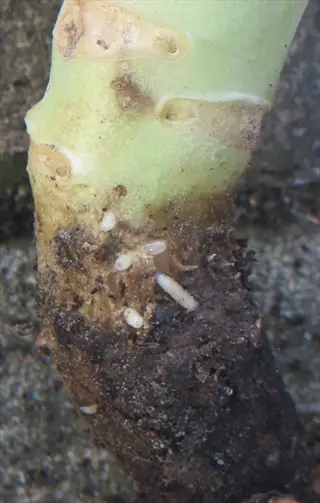
Cabbage Root Fly
- Identification: White maggots at plant base
- Damage: Wilting, stunted growth
- Organic Control: Apply diatomaceous earth around stems
- Prevention: Use root collars during planting
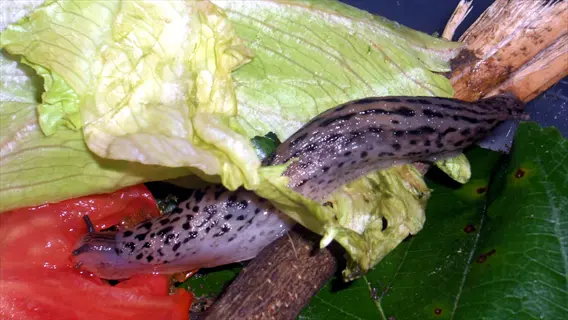
Slugs and Snails
- Identification: Shiny trails, irregular leaf damage
- Damage: Seedling destruction overnight
- Organic Control: Set beer traps at soil level
- Prevention: Copper tape barriers around beds
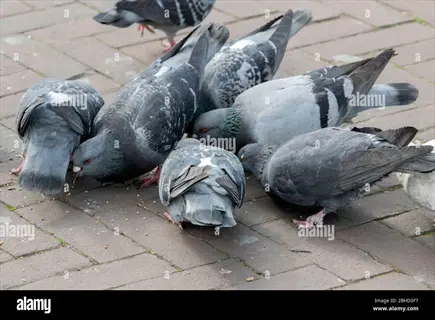
Pigeons
- Identification: Feathers near plants, shredded leaves
- Damage: Complete plant destruction
- Organic Control: Install reflective scare tape
- Prevention: Secure netting with ground weights
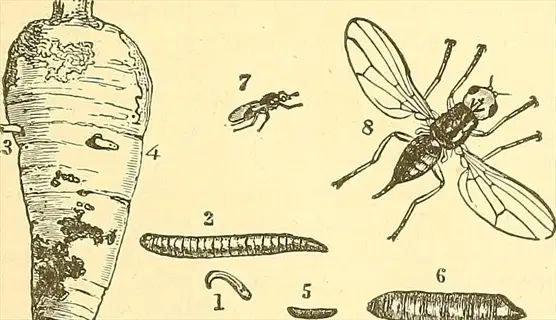
Cutworms
- Identification: Gray-brown caterpillars curled at plant base
- Damage: Severed seedlings overnight
- Organic Control: Place cardboard collars around stems
- Prevention: Till soil before planting to expose larvae
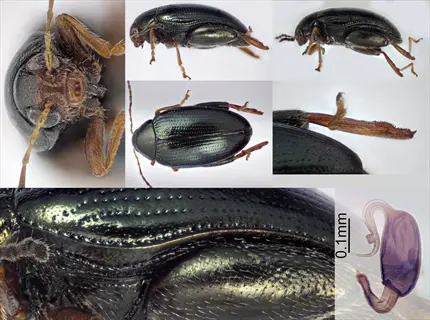
Flea Beetles
- Identification: Tiny black or bronze jumping beetles
- Damage: Pin-sized holes in leaves
- Organic Control: Apply neem oil spray every 3 days
- Prevention: Use floating row covers at planting
Storing and Using Your Harvest
Cabbage. First, refrigerate for short-term use. Wrap the whole heads in a damp cloth and store them in a crisper drawer at 32-40°F (0-4°C). Use within 3 or 4 weeks. Peel away outer leaves to help keep heads crisp.
Long-term storage is probably best via root cellaring or fermentation. Hang winter varieties upside down in net bags at 32 40°F (0 4°C) with 90 95% humidity. Ferment shredded cabbage in 2 3% brine (2 tbsp salt per quart) for 3 6 weeks.
When using cabbage, prepare stems by slicing thinly or julienning. Let it soak in ice water for an extra crunchy bite. The core lends a solid bite in stir-fries or soups! Use those stems within 2 days of harvesting cabbage.
Using the entire plant will improve your yields. For instance, Outer leaves can be blanched and stuffed into rolls, while shredding the inner leaves can create slaw. Extra cabbage can also be fermented into sauerkraut for up to a year when stored in the refrigerator. Even when cabbage leaves are damaged, they can still be added to your compost pile.
Refrigeration (Short-Term)
- Wrap whole heads in damp cloth or beeswax wrap. Store in crisper drawer at 32-40°F (0-4°C) for 3-4 weeks. Peel outer leaves as needed to maintain freshness.
Root Cellar (Long-Term)
- Hang winter varieties (Savoy/Tundra) upside-down in net bags. Maintain 32-40°F (0-4°C) with 90-95% humidity. Check monthly for rot; lasts 3-6 months.
Freezing Preparation
- Blanch shredded cabbage in boiling water for 90 seconds. Drain, pat dry, and freeze in airtight bags. Use within 8 months for cooked dishes only.
Fermentation Storage
- Submerge shredded cabbage in 2-3% brine (2 tbsp salt per quart). Ferment at 65-75°F (18-24°C) for 3-6 weeks. Flavor develops over time; tanginess increases after week 3. Store refrigerated for up to 1 year.
Dehydrating Technique
- Slice cabbage ¼ inch thick. Dry at 125°F (52°C) for 8-12 hours until brittle. Rehydrate using 1 part dried cabbage to 2 parts boiling water (soak 20 mins). Store in jars with oxygen absorbers for 1+ year.
How to Harvest Correctly
It's easier to cleanly cut your cabbage heads if you use sharp tools such as pruners or hori hori knives. Sterilize your blades with a bit of rubbing alcohol between varieties or plants to prevent the spread of disease. Cut at the base while gently pushing the head away to avoid damaging the roots of neighboring plants.
For a second harvest, after cutting off the main head, score a ½ inch deep cross in the remaining stump. Water it every day for two weeks to induce regrowth. You will then have smaller, but tender heads in 4 to 6 weeks, which will extend your harvest further.
Always harvest cabbage heads early in the morning when they are full of moisture, making them crisp. If cut during the middle of the day, plunge the metal heads in ice water for 15 minutes as soon as they are cut, to harden them. This restores the original texture, which is especially important if the product is to be kept for a long time or marketed.
Handle cabbage heads with the utmost care, leaving two or three outer leaves to protect them. Never cut them when it is raining; rot will follow. If frost is threatening, protect the mature heads by covering them up at night, for though a light frost makes the cabbage "sweet," a hard freeze will ruin it.
Tool Selection
- Use sharp pruners or hori hori knife for clean cuts. Sterilize blades with rubbing alcohol before use to prevent disease transmission between plants.
Cutting Method
- Cut at base with one hand pushing head away. Leave 2-3 outer leaves attached to protect inner layers during storage. Avoid pulling to prevent root damage.
Timing Considerations
- Harvest early morning when heads contain maximum moisture. If harvesting midday, submerge in ice bath for 15 minutes to restore crispness before storage.
Secondary Harvest
- Score a ½-inch (1.3 cm) deep cross in remaining stump. Water thoroughly for 2 weeks to stimulate new leaf growth. Harvest smaller heads in 4-6 weeks.
Weather Precautions
- Avoid harvesting during rain to prevent rot. If frost is forecast, cover mature heads overnight; light frost enhances sweetness but hard freeze damages texture.
Loose-Headed Harvest
- For Napa/Savoy varieties: Twist and pull entire head when leaves feel firm. Cut base only if twisting damages outer leaves. Harvest at 60-70% maturity for best texture.
Oversized Head Handling
- If heads split before harvest: Cut immediately and use within 48 hours. Remove damaged outer layers; inner leaves remain edible. Prevent future splitting with consistent watering.
5 Key Signs for Harvesting
Knowing when to harvest is a matter of firmness tests. Green varieties may be harvested if you press your thumb into them firmly and they feel solid like a baseball. Savoy types will yield a little springy resistance. Don't squeeze too hard, or you will bruise the immature heads.
Test your cabbage's maturity and quality by examining the vibrancy of its leaves. Expect a rich, deep outer hue, green or purple. If you see yellow approaching or transparency, this means it's time to pick it at once. If the leaves are in perfect condition, they will snap rather than bend when torn apart.
Measure head size against variety standards for dependable harvest signs; green types 6 to 8 inches 15 to 20 cm, hence Savoy requires 10 to 12 inches 25 to 30 cm. Get a tape measure and take their size weekly, as heads swell rapidly when near maturity.
Combine these harvest signs with weather savvy. Pick before the thermometer hits 80F 27C. Softball-size tomatoes often begin to split. A little light frost can make them sweeter, but a hard freeze ruins their texture. Keep track of the days since they were transplanted: green types take 60 to 90 days and reds up to 180.
Days to Maturity
- Check seed packet for expected harvest window: Green cabbage 60-90 days, red varieties up to 180 days. Count from transplant date, not sowing date.
Head Firmness
- Apply gentle pressure - mature heads feel solid like a baseball, not spongy. For Savoy/Napa varieties, expect slightly looser formation but still firm.
Size Verification
- Measure head diameter: Green cabbage 6-8 inches (15-20 cm), Savoy 10-12 inches (25-30 cm). Should match variety's typical dimensions at maturity.
Weather Response
- Harvest immediately if temperatures will exceed 80°F (27°C) within 48 hours. Light frost below 32°F (0°C) sweetens flavor but hard freeze damages texture.
Leaf Quality
- Outer leaves should be vibrant colored (deep green/purple), intact and turgid. Yellowing or translucent spots indicate over-maturity or disease issues.
5 Common Myths
Many gardeners mistakenly believe that cabbage heads must be perfectly round to be harvest-ready
Napa and Savoy varieties naturally grow looser, elongated heads that don't form perfect spheres. Savoy cabbage with its distinctive crinkled leaves develops a more irregular shape. Focus instead on firmness and size - a head that feels solid when gently squeezed and matches its variety's typical dimensions at maturity is ready, regardless of perfect roundness.
A common misconception suggests daily watering is essential for proper cabbage head formation
Deep, weekly watering of 1-2 inches per square foot is more effective than daily light watering. Frequent shallow irrigation promotes surface roots and weakens plants, while consistent deep watering encourages robust root systems. This approach prevents splitting during head development and maintains optimal soil moisture without waterlogging.
Many people mistakenly believe that growing cabbage in a container will not produce full-sized cabbage heads
Cabbage can be grown successfully in containers that are at least 12-18 inches deep and have a diameter of 16-20 inches using a quality, well-draining potting mix. Compact varieties such as 'Gonzales' do quite well when grown in containers when they are properly fed and spaced. Container grown cabbage heads will be as large as those grown in the actual ground when they receive 6+ hours of sunshine each day.
The widespread belief that more fertilizer always results in larger cabbage heads is misleading
Excess nitrogen causes leafy growth at the expense of head formation, delaying maturity. Balanced fertilization with compost at planting and one mid-season nitrogen boost optimizes growth. Bolting occurs when temperatures exceed 80°F (27C) for three consecutive days during head formation. Over-fertilization makes plants more susceptible to pests and diseases while reducing head quality.
A persistent myth claims cabbage should only be harvested when fully mature for best results
Outer leaves can be harvested 3-4 weeks after transplanting for continuous yield. Baby cabbage heads are tender and flavorful when picked early. For main heads, harvesting slightly before full maturity prevents splitting during unexpected rain or temperature spikes above 80°F (27C). This early harvest strategy also avoids damage from sudden heavy rainfall after dry periods.
Conclusion
Perfectly timed harvests ensure your cabbage gardening success! Cutting heads too early means smaller heads; waiting too long means splitting. But there's nothing like the satisfaction of biting into a freshly cut head that you've harvested at just the right moment.
Freshly home-grown cabbage will always give you an edge over store-bought cabbage because of its superior crunchy texture and sweet taste. You control your growing environment, eliminating the need for pesticides. Freshly harvested cabbages have a higher amount of vitamins than store-bought types. Plus, home-grown cabbages provide the garden-fresh taste you cannot get in store-bought cabbages.
Enjoy varieties like red Savoy or the novel, crisp Napa for different flavors and textures. Each plant brings garden rewards and clouds the cookbook shelf. You'll explore many kinds and discover your favorite.
Utilize these timing techniques and enjoy consistent harvests. You can either give away your additional heads to neighbors or preserve them by fermenting. Each season, your garden is a source of fresh food and pride for you.
External Sources
Frequently Asked Questions
How do you know when cabbage is ready to harvest?
Check for firm heads that feel solid like a baseball when gently squeezed. Measure diameter (6-8 inches for green cabbage) and ensure vibrant outer leaves without yellowing. Harvest before temperatures exceed 80°F to prevent splitting.
Will cabbage regrow after harvesting the main head?
Yes, score a ½-inch deep cross in the remaining stump and water thoroughly. New smaller heads will develop within 4-6 weeks for a secondary harvest. This works best with healthy plants cut above the lowest leaves.
Is it safe to leave cabbage in frosty conditions?
Mature cabbage withstands light frosts down to 20°F which enhances sweetness. However, hard freezes below 20°F damage texture. Cover plants with row covers if temperatures drop below 32°F for extended periods.
What happens if you harvest cabbage too late?
Over-mature heads split during rain, become woody, and lose flavor. They may bolt (flower) in heat above 80°F, making leaves bitter. Harvest when heads feel firm but before outer leaves yellow.
How often should cabbage be watered?
Provide 1-2 inches of water per square foot weekly. Increase to 2-3 inches during head formation. Use drip irrigation to prevent leaf rot. Deep weekly watering is better than frequent light watering.
What should not be planted near cabbage?
Avoid planting near tomatoes, peppers, or strawberries which attract shared pests. Also keep away from mustard greens and radishes that compete for nutrients. Ideal companions are garlic, onions, and herbs like dill.
Why isn't my cabbage forming a head?
Common causes include insufficient sunlight (needs 6+ hours daily), inconsistent watering, or excess nitrogen fertilizer. Temperature extremes below 45°F or above 80°F also disrupt head development. Ensure proper spacing and soil pH.
Can you eat cabbage leaves that don't form a head?
Yes, loose outer leaves are edible and nutritious. Harvest them 3-4 weeks after transplanting for salads or cooking. They have a slightly stronger flavor than headed leaves but remain tender when young.
How do you fertilize cabbage properly?
Apply compost at planting and a nitrogen-rich fertilizer 5 weeks later. Avoid over-fertilization which causes leafy growth instead of heads. Use balanced formulas and stop fertilizing 3 weeks before harvest.
What temperature stops cabbage growth?
Growth slows below 45°F and stops completely below 32°F. Prolonged heat above 80°F causes bolting. Ideal growing temperatures are between 45-75°F. Use shade cloth in heat and row covers in cold snaps.