
Several types of plants shouldn't use neem oil because their leaves burn or wilt from it. Stressed plants, recent transplants, and delicate-leaved varieties all react poorly. Their leaf surfaces can't handle oil without getting damaged.
I learned this the hard way when I sprayed neem oil on a tray of young tomato seedlings during a warm afternoon. By the next morning, the leaves had turned brown and crispy at the edges. The same thing happened to my African violets, whose fuzzy leaves trapped the oil and cooked under my grow lights.
Stressed or transplanted plants are at risk because their leaf cuticle is weak. The cuticle is a waxy coating that protects the leaf surface. When a plant is wilting from drought or recovering from a move, that coating thins out. Neem oil then seeps into the cells and causes neem oil plant damage that looks like chemical burn.
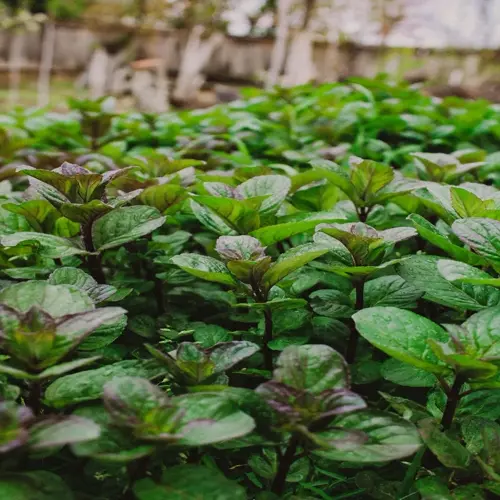
UNH Extension warns against spraying neem oil on drought-stressed plants or recent transplants. Several neem oil sensitive plants show bad reactions under normal conditions too. Lettuce, arugula, and spinach tend to wilt or develop brown spots after treatment. Some herbs like cilantro and dill react the same way.
Young Seedlings
- Risk level: High, since seedlings have thin leaves with very little protective wax coating to block oil from entering the cells.
- Symptoms: Leaves curl, turn brown at edges, and may drop off within 24-48 hours after a single application of full-strength neem.
- Safe alternative: Wait until seedlings grow their third set of true leaves before applying any neem oil spray at half strength.
Fuzzy-Leaved Plants
- Examples: African violets, lamb's ear, and silver sage all have tiny hairs that trap oil droplets on the leaf surface for too long.
- Problem: The trapped oil blocks light and air from reaching the leaf, causing burn spots that look like brown circles across the foliage.
- Safe alternative: Use a systemic soil drench instead of a foliar spray so the oil never touches the delicate leaf hairs at all.
Stressed or Wilting Plants
- Why they react: Plants under drought stress close their stomata, and adding oil on top traps heat and blocks the little airflow they have left.
- Timing matters: Water your stressed plant well and let it recover for 48-72 hours before you consider any type of spray treatment.
- Prevention tip: Treat pest problems before plants become stressed, since healthy plants handle neem oil with no issues at all.
Always test one leaf before treating the whole plant. Dab a small amount of your diluted neem mixture on a lower leaf and wait 24 hours. If you see no browning or wilting, the plant can handle the full spray. Cut your neem oil concentration in half for any plant you feel unsure about.
I now keep a short list on my potting bench of every plant that gave me trouble. That list has saved me from repeating the same mistakes each spring. A quick glance tells me which pots need soil drenches instead of foliar sprays.
Most garden plants handle neem oil just fine at the right strength and time of day. The ones that struggle are the exception, not the rule. Know which plants shouldn't use neem oil and you'll avoid doing more harm than good with your pest control efforts.
Read the full article: Neem Oil for Plants