
Some of the most popular plants not safe for home spaces include bleeding hearts, sago palms, oleander, and dieffenbachia. Each one carries toxic compounds that can harm your kids or pets. That pretty plant on your shelf might look harmless. But the wrong pick in a home with toddlers or curious animals can cause real trouble.
I went through my entire plant collection two years ago when I got a puppy who chewed on everything. I had to move or toss five different toxic houseplants for pets from spots near the floor. My dieffenbachia went up on a high shelf. My bleeding heart pot moved to a fenced patio. The sago palm went to a friend's house since I had no safe spot for it inside. In my experience, you can't be too careful when a pet treats every leaf like a snack.
You should know the three main risk types. Contact irritants like bleeding hearts and euphorbias cause skin rashes when sap touches you. Ingestion hazards like oleander and sago palms can damage your liver or heart if eaten. A third group covers dieffenbachia and philodendrons. These release tiny crystals that burn your mouth and cause swelling in your throat.
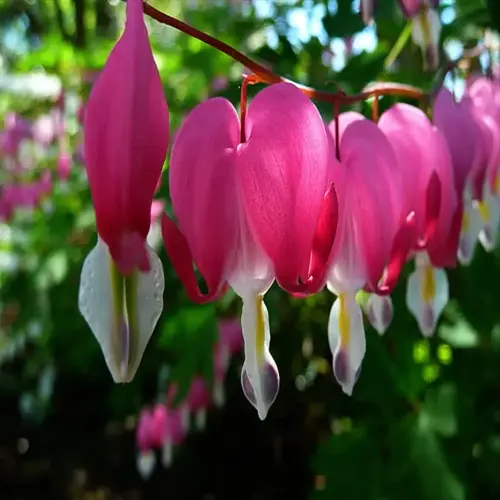
NC State Extension says bleeding hearts have toxic alkaloids in all parts. The severity rating is low. That puts them at the mild end of the scale. But sago palms are a different story. ASPCA data shows just one or two seeds can kill a dog through liver failure. The risk of poisonous garden plants indoors rises when you bring outdoor species into warm rooms where your pets and kids spend most of their time.
Keep your risky plants on high shelves, in hanging baskets, or behind closed doors that your pets and kids can't open. Baby gates block toddler access to rooms with toxic plants. Teach your older kids not to touch or taste any plant without asking you first. You should also label your pots so babysitters and guests know which plants to keep kids away from. Clean up fallen leaves and dropped berries right away since dried plant parts stay just as toxic as fresh ones on the floor.
Check your home for plants you may have gotten as gifts without knowing what they are. I found two toxic plants in my house that came as housewarming presents years ago. A quick search on the ASPCA website told me what was safe and what wasn't. You can look up any plant in under a minute using their free database. Do this check at least once a year as your collection grows.
If you think your child or pet ate a toxic plant, call poison control or your vet fast. Don't try home fixes or wait for symptoms to show up. Bring a piece of the plant along so the doctor can confirm what was eaten. Quick action makes the biggest difference in how things turn out.
You don't have to give up indoor plants to stay safe. Pick non-toxic types like spider plants, Boston ferns, and African violets instead. These give you greenery without any risk at all. You get all the benefits of indoor plants and zero worry about your pets or kids getting sick. Your home can look great and feel safe at the same time with the right plant choices.
Start by swapping out one toxic plant at a time if you can't do them all at once. You'll feel better knowing every plant in your home is safe for the whole family. The peace of mind alone makes the switch worth the effort.
Read the full article: Bleeding Heart Plant Care and Growing Guide