
Knowing what not to plant with columbine saves you from wasted time and dead plants. You should keep your columbine away from aggressive spreaders, full-sun drought lovers, and heavy feeders. These three groups either crowd out your columbine, dry out its soil, or steal the food it needs to bloom well.
Good columbine companion plants share the same needs for moist soil and partial shade. Gardener's Path lists allium, daylily, foxglove, heuchera, iris, and poppy as strong matches for your beds. All of these grow at a pace that won't smother your columbine. They also like the same light and water setup, so you don't have to treat one part of your bed different from the rest.
I learned my lesson about bad pairings the hard way. When I first started out, I planted columbine right next to a patch of spearmint. Within one season, the mint's runners had pushed through the entire bed. My columbine got crowded out and the few plants that held on looked weak and sad. The mint stole all the water and space. I had to dig up the whole section and start over from scratch.
Mint Family Plants
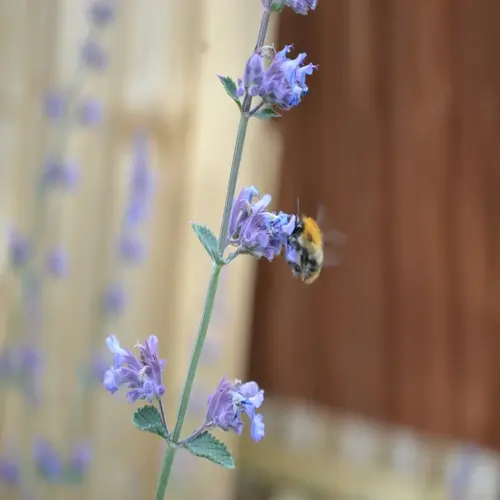
- Why they fail: Mint, bee balm, and lemon balm send out fast runners that take over your bed in one season.
- The damage: Their roots crowd out your columbine's weak root system and steal both water and soil nutrients.
- Better choice: Plant your mint in pots or a separate raised bed far away from your columbine patch.
Drought-Loving Herbs
- Why they fail: Lavender, rosemary, and sage need dry soil and full sun, the exact opposite of what your columbine wants.
- The damage: You can't water both types at the right level since one group needs moist soil and the other needs dry.
- Better choice: Keep your herbs in a sunny bed and your columbine in a shaded moist spot across the yard.
Aggressive Ground Covers
- Why they fail: Vinca, English ivy, and creeping Jenny spread fast along the ground and block your columbine seeds from reaching soil.
- The damage: These vines form thick mats that stop self-seeded columbine babies from taking root each spring.
- Better choice: Use mulch or a gentle ground cover like sweet woodruff that won't form a dense mat.
Tall dense plants cause trouble too if you put them on the south side of your columbine. Sunflowers, tall grasses, and big shrubs can block the morning light your columbine needs. A little afternoon shade helps your plants, but too much shade from a tall neighbor makes them leggy and weak. Always plant your taller items to the north side of the bed so your columbine still gets 4 to 6 hours of good direct sun each day to bloom strong.
In my experience, heavy feeders like roses and tomatoes also make poor bed mates for your columbine. These hungry plants pull so much food from the soil that your columbine can't get what it needs to make strong blooms. You'd have to feed the bed extra often, and too much rich soil can cause your columbine roots to rot. It's best to keep your columbine with light feeders that don't need a lot of extra food or special care from you.
Your full list of plants to avoid with columbine comes down to fast spreaders, dry-soil lovers, light blockers, and heavy feeders. Stick with calm woodland partners and your columbine bed will thrive each spring. Plan your layout before you dig. Match your water and light needs across the whole bed. You'll save yourself a lot of work and replanting down the road if you get the pairings right from the start.
Read the full article: Columbine Flower Varieties and Care Guide