
Introduction
The columbine flower shows up each spring with blooms that look like nothing else in your garden. Long spurs extend behind each petal and give the whole flower a wild, sculptural shape. You'll stop mid step on a morning walk just to take a closer look at them.
I grew my first columbine plants about 8 years ago after a neighbor handed me seeds from her cottage garden. Those seeds turned into one of the most reliable spring shows I've ever had. The genus Aquilegia has been a staple in my beds ever since. This perennial flowering plant sits in the buttercup family. The genus includes roughly 60 to 70 species across the Northern Hemisphere.
The name itself tells a great story. Aquilegia comes from the Latin word aquila, which means eagle. Those long spurs look just like eagle talons. Flip the bloom upside down, though, and you'll see why people call it columbine. That name traces back to the Latin word for dove, since the inverted petals look like doves sitting in a cluster. One plant, two names, both drawn from how people saw the same bloom.
This spring blooming perennial fills the gap between early bulbs and summer flowers. Your garden gets color during a time when most plants are still waking up. You can use columbine to attract hummingbirds, add charm to a shady spot, or grow a low fuss plant that seeds itself each year. It delivers on all of those goals with very little work from you.
8 Popular Columbine Varieties
Picking the right columbine varieties starts with knowing what each type offers your garden. I've grown most of these and found that native columbine species last longer and fight off pests better. The types of columbine below cover a full range of columbine colors, sizes, and growing needs.
Iowa State Extension lists 9 species with different heights and origins. The red Aquilegia canadensis is a key hybrid parent. So is the blue Aquilegia caerulea. Keep in mind that your columbine plants will cross with each other in the garden. Your McKana Giant seedlings might show up in new colors after a few rounds of self seeding.
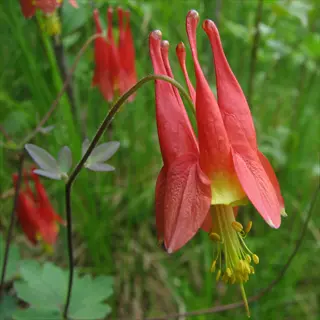
Eastern Red Columbine (A. canadensis)
- Native Range: Found from Nova Scotia to Saskatchewan and throughout most states east of the Rocky Mountains, making it one of the most widely distributed native columbine species in North America.
- Flower Details: Produces nodding red and yellow bicolored blooms measuring 1 to 2 inches (2.5 to 5 centimeters) across with short spurs that perfectly match ruby-throated hummingbird tongue length.
- Growth Habit: Reaches 12 to 36 inches (30 to 91 centimeters) tall with a clumping habit and attractive blue-green foliage that remains ornamental even after blooms fade in late spring.
- Pest Resistance: University of Wisconsin Extension confirms this species is much less susceptible to columbine leafminers compared to hybrid varieties, reducing maintenance significantly.
- Best Use: Ideal for woodland edges, native plant gardens, and naturalized areas where it will self-seed freely without aggressive spreading or garden takeover concerns.
- Hardiness: Thrives in USDA zones 2 through 9, tolerating colder winters than most hybrid columbine cultivars and establishing easily in partial shade with moist soil.
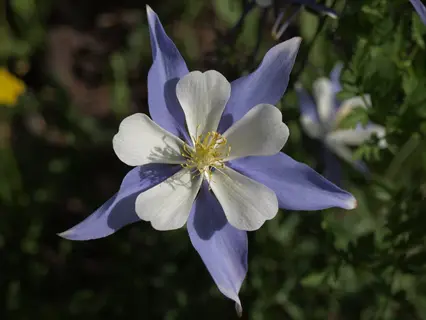
Colorado Blue Columbine (A. caerulea)
- State Flower: Designated as the official state flower of Colorado in 1899, this high-altitude species grows naturally in Rocky Mountain meadows and aspen groves at elevations above 6,000 feet (1,829 meters).
- Flower Details: Features striking blue and white blooms measuring 2 to 3 inches (5 to 7.6 centimeters) across with long elegant spurs that attract both hummingbirds and hawkmoths as pollinators.
- Growth Habit: Grows 18 to 24 inches (46 to 61 centimeters) tall with a compact mounding form and deeply divided green foliage that provides attractive texture throughout the growing season.
- Soil Needs: Prefers well-drained, slightly alkaline soil mimicking its native mountain habitat, making it an excellent choice for rock gardens and raised beds with good drainage.
- Best Use: Perfect as a focal point in cottage gardens, alpine plantings, or mixed perennial borders where its upward-facing blue and white flowers create striking color contrast.
- Hardiness: Hardy in USDA zones 3 through 8, performing best in cooler climates where summer temperatures stay moderate and nighttime temperatures drop below 70 degrees Fahrenheit (21 degrees Celsius).
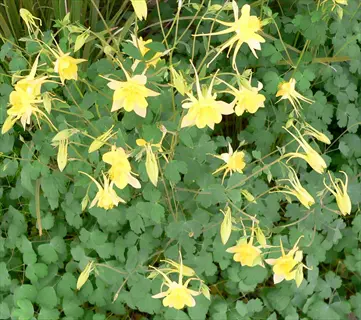
Golden Columbine (A. chrysantha)
- Native Habitat: Grows wild in the mountains of Arizona, New Mexico, and northern Mexico, where it thrives along shaded stream banks and moist canyon walls at moderate to high elevations.
- Flower Details: Bears large upward-facing golden yellow flowers measuring 2 to 3 inches (5 to 7.6 centimeters) across with exceptionally long spurs reaching up to 3 inches (7.6 centimeters) in length.
- Bloom Duration: One of the longest-blooming columbine species, producing flowers from mid-spring through midsummer when given consistent moisture and afternoon shade protection.
- Growth Habit: Reaches 24 to 36 inches (61 to 91 centimeters) tall with a loose, open growth habit and light green foliage that brightens shaded garden corners effectively.
- Best Use: Outstanding in woodland gardens, along stream banks, or at the back of shaded borders where its height and bright color draw attention without overwhelming smaller companions.
- Hardiness: Performs well in USDA zones 3 through 9, showing better heat tolerance than many other columbine species thanks to its southwestern desert mountain origins.
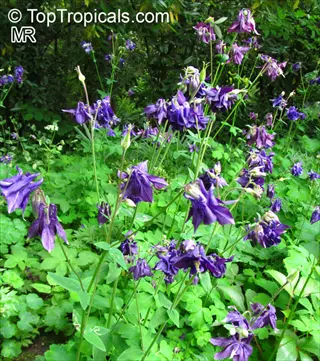
European Columbine (A. vulgaris)
- Historical Significance: Cultivated in European gardens since the medieval period and commonly known as granny's bonnet, this species appears frequently in Renaissance paintings and herbal manuscripts.
- Flower Details: Produces nodding flowers in shades of purple, blue, pink, and white measuring 1.5 to 2 inches (3.8 to 5 centimeters) across with short curved spurs adapted for bumblebee pollination.
- Growth Habit: Grows 24 to 36 inches (61 to 91 centimeters) tall with robust clumping growth and dark green deeply lobed foliage that provides excellent ground coverage in partial shade.
- Cultivar Range: Parent of many popular garden cultivars including the double-flowered Nora Barlow series and the dramatic near-black William Guinness, offering tremendous variety in form and color.
- Best Use: A natural fit for cottage gardens, informal borders, and mixed plantings alongside foxglove, roses, and other traditional English garden perennials in partly shaded spots.
- Hardiness: Thrives in USDA zones 3 through 8, performing best in maritime and temperate climates with cool summers and consistent rainfall throughout the growing season.
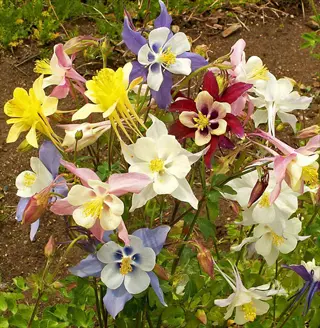
McKana Giant Hybrid
- Award Winner: This hybrid mix won the prestigious All-America Selections award and remains one of the most widely available and popular columbine seed mixes at garden centers worldwide.
- Flower Details: Produces extra-large upward-facing blooms measuring 3 to 4 inches (7.6 to 10 centimeters) across in a vibrant mix of red, yellow, blue, purple, pink, and bicolored combinations.
- Growth Habit: Reaches 30 to 36 inches (76 to 91 centimeters) tall with strong stems that hold heavy flower heads upright, making it one of the tallest and showiest columbine options available.
- Hybrid Vigor: Displays strong first-year growth and abundant flowering, though hybrid vigor diminishes in self-seeded offspring, which often revert to simpler colors over successive generations.
- Best Use: Excellent as a dramatic mid-border accent in perennial gardens, cutting gardens, or mass plantings where the color variety creates a wildflower meadow effect during late spring.
- Hardiness: Grows well in USDA zones 3 through 9, though as a hybrid it tends to be shorter-lived at two to three years compared to species columbines and needs more regular replacement.
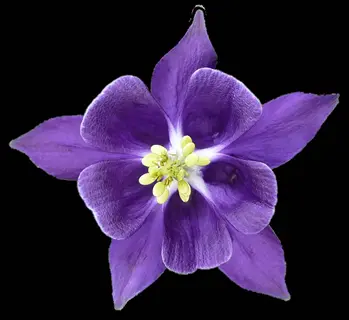
Blue Star Columbine
- Distinctive Form: Features a striking bicolored pattern with deep blue outer sepals and a crisp white inner corolla, creating a star-shaped appearance that stands out in any garden setting.
- Flower Details: Produces upward-facing blooms measuring 2 to 3 inches (5 to 7.6 centimeters) across with medium-length spurs and strong color contrast that holds well throughout the bloom period.
- Growth Habit: Grows 24 to 30 inches (61 to 76 centimeters) tall with a neat, compact form and blue-green foliage that remains attractive as a ground-level mound even after flowers finish.
- Garden Performance: More uniform in color and height than open-pollinated seed mixes, making it a reliable choice for planned garden designs where consistent appearance matters most.
- Best Use: Works beautifully in formal borders, container plantings, and small garden spaces where its tidy habit and predictable blue-and-white color scheme provide elegant spring interest.
- Hardiness: Hardy in USDA zones 3 through 9 with good heat tolerance when given afternoon shade and consistent moisture during the warmest summer months in southern growing regions.
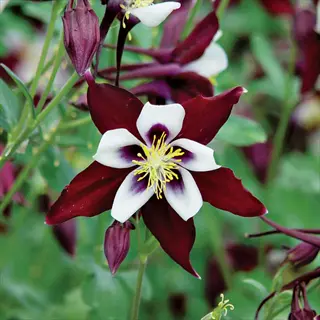
Swan Burgundy and White
- Compact Series: Part of the Origami and Swan series bred specifically for container growing and small gardens, producing full-sized flowers on more compact plants than traditional columbine varieties.
- Flower Details: Features rich burgundy-red outer sepals with contrasting white inner petals measuring 2 to 3 inches (5 to 7.6 centimeters) across, creating a sophisticated two-tone display in spring.
- Growth Habit: Reaches only 18 to 22 inches (46 to 56 centimeters) tall, making it proportionally better suited to patio containers, window boxes, and front-of-border positions than taller varieties.
- Container Performance: Excellent in 12-inch (30-centimeter) or larger containers with well-drained potting mix, though container-grown plants need winter protection in zones colder than zone 5.
- Best Use: Perfect for adding vertical interest to mixed container plantings, small courtyard gardens, and balcony gardens where space is limited but seasonal color is still desired.
- Hardiness: Grows in USDA zones 3 through 9, though container-grown plants are more exposed to temperature extremes and benefit from insulating mulch or moving to sheltered locations in winter.
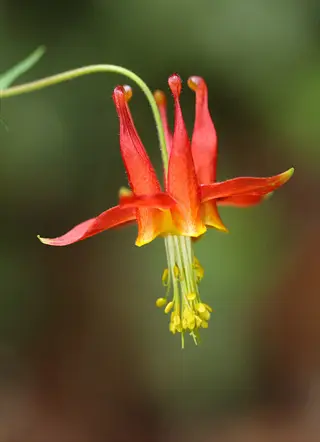
Western Columbine (A. formosa)
- Native Range: Found across western North America from Alaska to Baja California, this species thrives in moist woodlands, mountain meadows, and along stream banks throughout the Pacific Northwest.
- Flower Details: Produces nodding red and yellow bicolored flowers measuring 1 to 2 inches (2.5 to 5 centimeters) across with medium spurs that attract both hummingbirds and bumblebees in western gardens.
- Growth Habit: Reaches 24 to 36 inches (61 to 91 centimeters) tall with an airy open form and distinctive blue-green foliage that resembles a maidenhair fern in texture and movement.
- Ecological Value: USDA Forest Service identifies this species as a critical early-season nectar source for western pollinators, including rufous hummingbirds and several native bumblebee species.
- Best Use: Outstanding in Pacific Northwest native gardens, rain gardens, and naturalized woodland plantings where its natural growth habit blends seamlessly with native ferns and wildflowers.
- Hardiness: Hardy in USDA zones 3 through 8, performing best in the cool, moist conditions of the Pacific Northwest and northern mountain regions where summer heat remains moderate.
Your best bet for a low fuss garden is to start with native species like A. canadensis or A. formosa. They fight off leafminers better and live longer than hybrids in my experience. Save the McKana Giant and other hybrids for spots where you want a big color punch and don't mind replacing plants every 2 to 3 years.
Growing Columbine From Seed
Growing columbine from seed is the best way to keep your garden stocked with fresh plants. Since columbine is a self-seeding perennial that only lives 2 to 4 years, you need a steady supply of new seedlings to fill the gaps. I start a new batch of seeds every fall and always have young plants ready to take over for the ones that fade out.
You have two main paths for seed starting columbine. Fall direct sowing is the easier route because winter cold does the work for you. Just scatter your seeds on the soil after the first frost and let nature handle columbine germination in spring. The second path is planting columbine indoors 8 to 10 weeks before your last frost date. This method needs one extra step that trips up a lot of new growers.
That extra step is cold stratification. Your columbine seeds won't sprout unless they get 3 to 4 weeks of cold, moist conditions first. I put mine in a damp paper towel inside a sealed bag in the fridge. After that chill period, move them to seed trays under grow lights and you should see sprouts in 3 to 4 weeks. Your plants will bloom in their second year from seed, so plan a year ahead.
One thing most guides skip is seed saving and seed swaps. You can collect dried seed pods from your plants in midsummer and store them in a cool, dry spot. Just know that if you grow more than one type of columbine, your saved seeds will produce surprise color mixes from cross pollination. That's half the fun for me, but keep your species plants far apart if you want true colors next year.
Columbine Care and Maintenance
Columbine care is one of the easiest parts of growing this plant. I've left beds alone for weeks and my columbines still looked great when I got home. The key is giving them the right spot from day one and then doing a few simple tasks each season. Your columbine sun requirements come down to partial shade in hot climates and full sun in cooler zones.
Your soil should drain well and sit in the pH range of 6.8 to 7.2 for best results. Columbine hates soggy roots, so well-drained soil is a must in every zone. Watering columbine means about 1 inch per week during the growing season. In my experience, plants in the Southeast need afternoon shade to avoid wilting in summer heat. If you garden in the Pacific Northwest, your main job is just making sure drainage stays good through the wet months.
Some guides call columbine a drought tolerant perennial, but that's only half true. Settled plants handle short dry spells just fine. They do best with steady moisture rather than long gaps without rain. I lost a few plants one dry July when I forgot to water for 2 weeks straight.
Deadheading columbine after blooms fade can extend your flower show by up to 6 weeks. Just cut the spent stalks down to the base leaves. If you want your plants to self seed for next year, leave a few flower heads on to form pods. This one simple choice gives you the best of both worlds.
Spring Awakening and Feeding
- Timing: Begin spring care as soon as new foliage emerges from the crown in early spring, typically when forsythia blooms in your region and soil temperatures reach 50 degrees Fahrenheit (10 degrees Celsius).
- Fertilizing: Apply a light application of balanced all-purpose granular fertilizer around the base of established plants, avoiding direct contact with the crown to prevent burn damage to tender new growth.
- Cleanup: Remove any remaining dead foliage from the previous season and pull back winter mulch to allow the crown to warm up and encourage strong new growth without smothering the emerging shoots.
- Watering: Provide about 1 inch (2.5 centimeters) of water per week through spring if rainfall is insufficient, keeping soil consistently moist but never waterlogged to prevent crown rot.
Summer Bloom and Deadheading
- Bloom Period: Expect flowering from late spring through early summer, typically lasting four to six weeks depending on variety, temperature, and moisture levels in your specific growing region.
- Deadheading: Remove spent flower stalks promptly to redirect energy from seed production into root strength and potentially extend the bloom period, unless you want plants to self-seed for future seasons.
- Heat Protection: In zones 7 through 9, provide afternoon shade protection during summer heat waves and increase watering frequency to prevent stress, wilting, and premature dormancy from excessive temperatures.
- Pest Watch: Monitor leaves for winding white trails that signal columbine leafminer activity, though the damage is cosmetic and the best response is patience rather than chemical treatment.
Fall Preparation and Planting
- Foliage Cutback: After bloom finishes and foliage begins to look tired or shows significant leafminer damage, cut all stems back to the basal rosette to encourage fresh attractive foliage regrowth.
- Fall Planting: Autumn is an excellent time to direct-sow columbine seeds, as winter cold naturally provides the stratification period seeds need to break dormancy for spring germination.
- Mulching: Apply 2 to 3 inches (5 to 7.6 centimeters) of organic mulch like shredded leaves around established plants after the first hard frost to insulate roots and moderate soil temperature swings.
- Seedling Management: Identify and thin self-sown seedlings in fall, transplanting extras to new locations while they are small and easy to move with minimal root disturbance.
Winter Protection and Planning
- Cold Hardiness: Most columbine species are hardy to USDA zone 3, tolerating winter temperatures down to minus 40 degrees Fahrenheit (minus 40 degrees Celsius) without special protection beyond standard mulching.
- Container Care: Columbine grown in containers is more vulnerable to freeze-thaw cycles, so move pots to an unheated garage or sheltered location, or insulate with burlap wrapping in zones colder than 5.
- Replacement Planning: Since columbine plants are short-lived at two to four years, winter is the ideal time to order fresh seeds or plan which varieties to start indoors in late winter for spring planting.
- Soil Prep: Use winter months to test and amend garden soil if needed, targeting a slightly acidic to neutral pH range of 6.8 to 7.2 as preferred by most columbine species and hybrids.
Columbine and Pollinators
Columbine pollinators come in all shapes and sizes, and each one matches a specific flower type. I watched this play out in my own yard when columbine hummingbirds showed up in April right as my red blooms opened. Those birds flew straight past the blue and purple flowers and went for the red ones. The reason comes down to nectar spurs and tongue length, a lock and key system that has shaped this genus for thousands of years.
A 2018 genome study in the journal eLife found that columbine species split into new forms based on which animal fed on them. This process has a name: ecological speciation. Two waves of change hit North America and Europe at the same time. Short spurs match hummingbird tongues. Medium spurs fit bumblebees. Long, pale spurs draw in hawkmoths at dusk. You can see this pattern in your own pollinator garden if you grow more than one type of columbine side by side.
Columbine also plays a big role for columbine butterflies. The columbine duskywing uses this plant as a host for its caterpillars, which makes it valuable beyond just nectar. On top of all that, columbine is deer resistant, so the blooms stay safe for your pollinators instead of ending up as a deer snack. Want a full season food source? Pair your red columbine with bee balm and cardinal flower. That combo creates a hummingbird relay from spring through fall.
Garden Design With Columbine
Columbine in garden design works as a bridge between your spring bulbs and summer flowers. NC State Extension confirms that columbine fills this exact gap in seasonal color. That makes it one of the most useful shade garden plants you can grow. I use it as the anchor in 4 different garden styles.
The best columbine companion plants share its love of moist soil and dappled light. Think foxglove, heuchera, iris, and daylily for a cottage garden look. For a woodland garden, pair native columbine with ferns, hostas, and wild ginger under your trees. You can also try container gardening columbine with compact types like the Swan series on your patio.
Cottage Garden Border
- Plant Partners: Combine tall columbine varieties like McKana Giant with foxglove, garden phlox, and bearded iris for a layered, informal border that blooms in waves from mid-spring through midsummer.
- Design Approach: Plant columbine in groups of three to five in the mid-border zone, allowing them to weave between taller foxglove spikes behind and low heuchera mounds in front for natural layering.
- Color Strategy: Choose bicolored columbine varieties that echo colors already present in surrounding plants, such as blue and white columbine paired with blue iris and white peonies for a cohesive palette.
- Succession Plan: When columbine finishes blooming in early summer, the foliage of neighboring daylilies and garden phlox expands to fill gaps, providing continuous coverage without bare patches.
Woodland Shade Garden
- Plant Partners: Pair native A. canadensis with wild ginger, bloodroot, ferns, and hostas under deciduous tree canopy where dappled spring light reaches the forest floor before trees fully leaf out.
- Design Approach: Scatter columbine plants in natural-looking drifts rather than rows, mimicking the way they grow in wild woodland settings and allowing self-seeded volunteers to fill in over time.
- Soil Strategy: Build a humus-rich woodland soil layer with decomposed leaf mulch to provide the moist but well-drained conditions columbine needs while supporting companion shade perennials.
- Seasonal Interest: Columbine provides the critical mid-spring color bridge between early woodland ephemerals like trillium and later shade bloomers like astilbe and Japanese anemone.
Hummingbird Relay Garden
- Plant Partners: Pair red-flowered A. canadensis with Jacob Cline Bee Balm (Monarda didyma) and cardinal flower (Lobelia cardinalis) to create a continuous red-flowered nectar source from spring through fall.
- Design Approach: Position columbine at the garden entrance where hummingbirds will find it first in spring, then place later-blooming bee balm and cardinal flower nearby so birds naturally progress through the garden.
- Timing Logic: Columbine blooms from April through June when ruby-throated hummingbirds first return from migration, then bee balm takes over in July, and cardinal flower finishes the relay into September.
- Supporting Cast: Add tubular-flowered annuals like salvia and petunias to fill any gaps in the nectar timeline and attract additional pollinator species beyond hummingbirds throughout the growing season.
Rock Garden and Alpine Display
- Plant Partners: Combine compact columbine species like A. caerulea and A. alpina with creeping thyme, alpine phlox, sedum, and small ornamental grasses in a well-drained raised rock garden setting.
- Design Approach: Tuck columbine plants into crevices between rocks where their roots stay cool and moist while their foliage and flowers spill gracefully over stone surfaces for a natural mountain effect.
- Drainage Requirement: Rock gardens provide the excellent drainage columbine needs to avoid crown rot, making this design especially valuable in regions with heavy clay soils or high summer rainfall.
- Scale Advantage: Use dwarf varieties in smaller rock gardens and alpine troughs where full-sized columbine would look out of proportion, keeping the display balanced and visually harmonious.
I've found that the biggest mistake people make is planting columbine in straight rows. Let them scatter and self seed in loose groups for a natural look. That free form style is what makes columbine such a good fit in cottage gardens and woodland beds where stiff lines would feel out of place.
Columbine Safety and Toxicity
Most gardening guides skip columbine toxicity, but you should know the facts. You might ask: is columbine poisonous? Yes, if eaten. The USDA Forest Service says seeds and roots hold cardiogenic toxins that cause stomach pain and heart issues. But millions of people grow columbine with no problems because the risk only comes from eating the plant.
Columbine safety comes down to one simple rule: don't let kids or pets eat any part of the plant. The seeds hold the highest level of toxins, followed by the roots. Leaves and flowers carry much lower amounts. I always tell new parents in my garden club to place columbine in spots where toddlers can't grab the seed pods. Is columbine safe for pets? Not if they chew on it. Keep an eye on dogs and cats that like to nibble on plants.
Here's a twist I find wild. Columbine Native American medicine was real and well known. Native peoples chewed seeds for stomach aches and brewed leaf teas for coughs. They also put root paste on ulcers to help them heal. The dose set the line between cure and harm. Don't try this at home. But it does show how smart these healers were about plants.
For basic handling, you don't need gloves just to touch columbine. The toxins need to enter your body through eating for any real harm to happen. Wash your hands after working with seeds or roots and you'll be fine. If someone does swallow plant material, call your local poison control center right away. The risk is real but the fix is simple: enjoy the blooms and keep the seeds away from curious mouths.
5 Common Myths
Columbine plants are invasive weeds that will take over your entire garden if you let them grow freely.
Columbine is a prolific self-seeder but not invasive; volunteer seedlings are shallow-rooted and easy to pull or transplant to new locations.
You must spray insecticides to control columbine leafminer damage or the plants will die from the infestation.
Iowa State Extension confirms insecticides are largely ineffective against leafminers; the best management is to trim foliage to the base after flowering and allow fresh regrowth.
Columbine flowers only come in blue and purple shades, limiting their usefulness in colorful garden designs.
Columbine varieties span nearly every color including red, yellow, pink, white, orange, and bicolored combinations across 60 to 70 species and countless cultivars.
Dividing columbine plants is the best way to propagate them and keep your garden stocked with fresh plants.
Columbine resents root disturbance and divided plants may sulk for an entire growing season; allowing self-seeding or starting from seed is far more reliable.
Columbine needs rich, heavily fertilized soil and frequent watering to produce healthy blooms each spring.
Columbine thrives in average, well-drained soil without heavy feeding and tolerates moderate drought once established, preferring consistent but not soggy moisture.
Conclusion
Columbine flower gives you more than just a pretty spring show. You get a perennial garden plant that feeds hummingbirds, draws in bees and butterflies, shrugs off deer, and asks for very little care in return. Aquilegia offers 60 to 70 species to pick from. There's a type for every garden from shady woodland beds to sunny rock gardens.
The best move you can make is to start with native species for your first plants. They fight off leafminers better, live longer, and support local wildlife. Let them self seed to keep your beds full without buying new plants every few years. Just keep the seeds and roots away from kids and pets since those parts carry toxins.
Most guides treat columbine as a simple filler plant, but you now know it's much more than that. The science behind those nectar spurs is real and deep. The cultural history in the name goes back centuries. And its role as a bridge between spring bulbs and summer flowers makes it a must have. These are pollinator plants that punch well above their weight in any garden.
First time grower looking for easy spring blooming flowers? Columbine is your best bet. Old hand seeking a new design test? It rewards you just as much. Toss some seeds in a pot this fall and watch what happens next spring. You might just find your new favorite plant waiting for you when the snow melts.
External Sources
Frequently Asked Questions
Do columbines like sun or shade?
Columbines grow well in full sun to partial shade, but they prefer partial shade in hotter climates to prevent wilting and extend bloom time.
What do columbine flowers symbolize?
Columbine flowers symbolize courage, wisdom, and endurance, and their name comes from the Latin word for dove, representing peace and innocence.
Do columbines bloom all summer?
Columbines bloom primarily in late spring to early summer for about four to six weeks, though deadheading can extend flowering.
Are columbine and Aquilegia the same?
Yes, columbine is the common name for Aquilegia, a genus of about 60 to 70 species in the buttercup family Ranunculaceae.
How invasive is columbine?
Columbine is not invasive but is a prolific self-seeder, spreading through volunteer seedlings that are easy to remove or transplant.
What not to plant with columbine?
Avoid planting columbine near aggressive spreaders or plants that need full sun and dry soil, as columbine prefers moist, partly shaded conditions.
Is columbine a good plant?
Columbine is an excellent garden plant thanks to its deer resistance, pollinator attraction, low maintenance, and beautiful spurred flowers.
What flower means I'll never forget you?
The forget-me-not (Myosotis) traditionally means I will never forget you, though columbine also carries meanings of remembrance in some traditions.
What are common columbine flower problems?
The most common problems are columbine leafminer damage, powdery mildew, aphids, and crown rot from poorly drained soil.
What flower takes 7 years to bloom?
The titan arum (Amorphophallus titanum) and some agave species can take seven or more years to produce their first bloom.