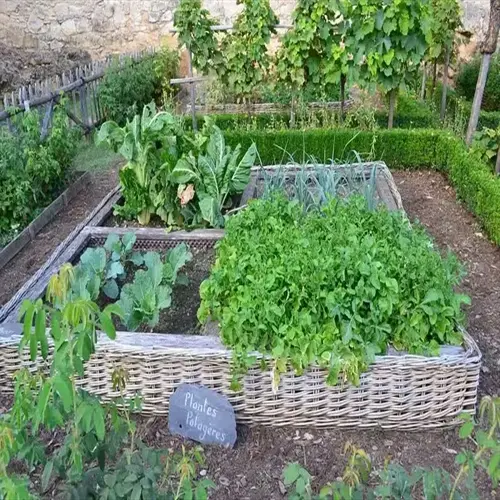

Sweet potatoes often face pests like the Japanese beetle (which nibbles on the leaves) and diseases like fusarium wilt (which will cause the plants to stink). I've been fighting those things in my own garden for years. If you can catch these issues early, they won't cause significant damage to your crop. Check your plants at least once a week during the peak growing months. Healthy vines usually don't succumb to disease as stressed plants do.
Soil Preparation
- Solarize soil before planting to kill pathogens
- Test pH levels maintain 5.8-6.2 range
- Add compost for disease-suppressing microbes
- Rotate crops away from nightshade family plants
Pest Control
- Release beneficial nematodes at planting time
- Handpick Japanese beetles early mornings
- Plant trap crops like okra away from main plot
- Spray neem oil weekly during beetle season
Disease Management
- Choose resistant varieties like Beauregard
- Avoid overhead watering to prevent fungal spread
- Remove infected plants immediately
- Sterilize tools between plants
Japanese beetles cause skeletonized leaves, and tubers aren't harmed. I deal with them by hand. I ensure that my traps are at least 30 feet away from the garden. Grubs chew on roots under the surface. I apply beneficial nematodes when the soil temperature reaches 60°F. After excessive rain, I will reapply to ensure everything is protected.
Fusarium wilt is characterized by the appearance of yellowing leaves and brown stems. I have lost plants due to this disease in the soil, but it can be prevented by rotating crops every three years. Avoid planting where tomatoes have grown recently. Some resistant varieties, such as Beauregard, can recover more effectively than others.
Cured tubers When potato tubers are not fully cured before storing at the wrong humidity and temperature, they can rot. And cracked tubers when watering is uneven, promoting cracks. Maintain even moisture levels during the bulking period as tubers form. I once lost a harvest because of improper curing. For perfection, I also use a humidity monitor.
Read the full article: How to Grow Sweet Potatoes Successfully