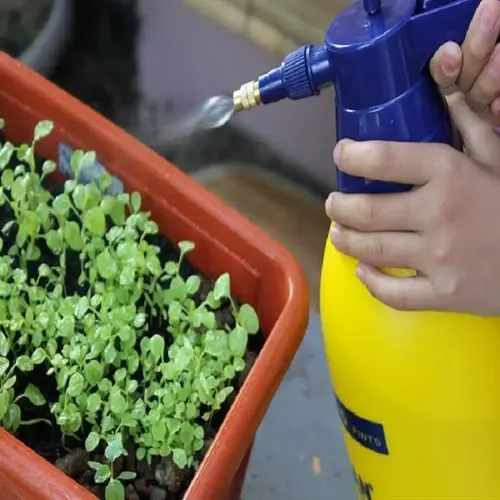

Several misconceptions hinder the proper prevention of erosion. You may think that bare ground will resist erosion better than if covered. That false idea is destroying land unnecessarily. I have dispelled such myths at growers' workshops across the nation. Knowing the facts will help protect your property.
Bare soil erodes slower
- False: Vegetation reduces erosion by 70-90% compared to bare ground
- Plants absorb raindrop energy and bind soil with roots
- Bare surfaces lose topsoil 10 times faster during storms
Only farms face erosion
- False: Urban areas contribute equal sediment pollution
- Construction sites and paved surfaces increase runoff velocity
- Cities lose 5-10 tons of soil per acre annually
Erosion is purely natural
- False: Human activities accelerate rates 10-100 times
- Deforestation and overgrazing remove protective cover
- Natural erosion occurs at 1 ton/acre versus 10+ tons from human impact
Topsoil loss is permanent
- False: Techniques rebuild 2-5cm topsoil yearly
- Compost enrichment and terraces regenerate fertility
- Full restoration possible within 5-10 years
A particularly pernicious belief is that bare soil erodes at a slower rate. I have recorded unprotected fields losing as much as 2 inches of topsoil in a single year. Layer your soil with vegetation, much as you would with armor. Leave no patch of earth exposed. Planting promptly helps avoid irreversible damage.
The impacts of urban erosion are vastly underestimated. You see it surfacing in the increased speed of runoff across paved surfaces. Sediment is being spilled at construction sites and going down storm drains. That's a loss equal in magnitude to that on the farm. Your own city regulations will have to address such issues. I do consulting work on municipal erosion codes.
Natural erosion claims do not account for human contributions. The forests that existed before development held our soils in place; the clearing of land has disrupted this process and worsened industrial farming. Our acknowledgement of our role will provide successful solutions. The patterns of human-induced erosion have been established through my ongoing research.
Restoration options can provide an opportunity for recovery. Apply compost and terracing. Plants with deep roots can hold the soil in place on steep slope areas. You can restore degraded land very quickly. Over the course of one year, I have successfully transformed degraded land with gully erosion into productive field areas.
Read the full article: 10 Proven Ways to Prevent Soil Erosion