
Introduction
The name Spiraea comes from the Greek word speira, meaning spiral or wreath. That fits a spirea bush well. When it blooms, cascading flowers in white, pink or magenta drape over arching branches like natural wreaths. This deciduous shrub belongs to the rose family and has earned a firm spot in yards across North America.
I've grown spireas in my own garden for over 10 years now. They keep proving themselves season after season. The genus holds more than 80 species with heights from 1.5 to 8 feet. You can grow them in USDA zones 3 through 9 based on the variety you pick. Few other flowering shrubs give you that kind of range without constant fussing.
Think of the spirea bush as the Swiss Army knife of the shrub world. You get spring or summer flowers, bold foliage color and vivid fall tones in one plant. Bees and butterflies flock to the blooms while deer tend to walk right past. That mix of beauty and toughness is hard to beat among low maintenance shrubs in any landscape.
Smart variety selection matters more than most gardeners know. Some species are listed as invasive in several states. Native and non invasive options exist for safe planting though. This guide covers the best varieties, planting steps, care tips and pruning methods so you can get it right the first time.
8 Best Spirea Bush Varieties
Picking the right spirea varieties starts with one big question. Do you want spring blooms or summer blooms? Spring types flower on old wood from the previous year. Summer types flower on new growth from the current season. That one detail changes how you prune and care for each plant.
I've tested dozens of types of spirea over the years. I've grown tall arching bridalwreath spirea and compact dwarf spirea varieties that fit in a pot. The 8 picks below cover both bloom seasons along with native species that most guides leave out. You'll also find the Double Play Doozie, named 2022 National Flowering Shrub of the Year for its nonstop magenta blooms.
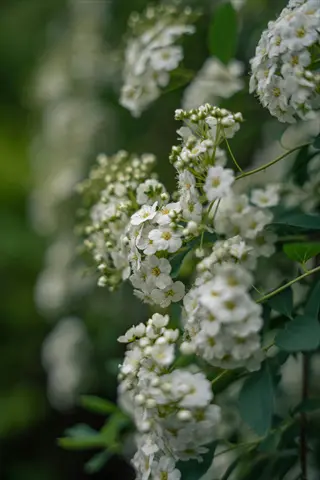
Bridalwreath Spirea
- Botanical Name: Spiraea prunifolia is a spring-blooming species that flowers on old wood with cascading arches of double white blooms in April and May.
- Size and Zones: Grows 4 to 8 feet (1.2 to 2.4 meters) tall and 6 to 8 feet (1.8 to 2.4 meters) wide in USDA hardiness zones 5 through 8.
- Bloom Display: Double white flowers appear along graceful arching branches before the leaves fully emerge, creating a dramatic bridal veil effect in spring landscapes.
- Foliage Interest: Dark green glossy leaves turn orange-red in autumn, providing a second season of ornamental value after the spring bloom fades.
- Landscape Use: Works well as a specimen shrub, informal hedge or backdrop plant in mixed borders where its arching form adds movement and structure.
- Care Notes: Non-invasive species that requires pruning immediately after flowering to preserve next year's buds on old wood and maintain a tidy shape.
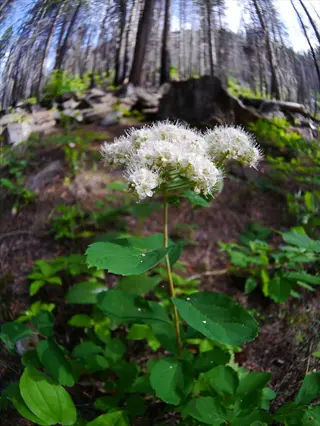
Birchleaf Spirea
- Botanical Name: Spiraea betulifolia is a compact native species growing 1 to 3 feet (30 to 90 centimeters) tall, ideal for small garden spaces and borders.
- Fire Resilience: Ranked in the highest fire-survival category by the USDA Forest Service, with rhizomes 2 to 5 inches (5 to 13 centimeters) below soil surface that survive burns.
- Bloom Display: Flat-topped clusters of white flowers appear in late spring and early summer, attracting bees, butterflies and other beneficial pollinators.
- Foliage Interest: Round birch-like leaves turn vivid shades of orange, red and purple in autumn, offering standout fall color for a compact shrub.
- Native Value: Spreads by underground rhizomes rather than invasive seeding, making it a responsible choice for pollinator gardens and native plant beds.
- Landscape Use: Excellent as a groundcover, front-of-border planting or mass planting on slopes where its colonizing habit provides natural erosion control.

Double Play Doozie Spirea
- Bloom Season: First reblooming spirea marketed as non-seeding, producing magenta-pink flowers nonstop from late spring through the first frost without deadheading.
- Size and Zones: Compact mounding form reaching 2 to 3 feet (60 to 90 centimeters) tall and wide, hardy in USDA zones 3 through 8.
- Foliage Interest: New growth emerges deep burgundy-red before maturing to dark green, then shifts to rich orange and red tones in autumn.
- Pollinator Value: Continuous blooms provide a reliable nectar source for bees and butterflies throughout the entire growing season from spring to fall.
- Landscape Use: Works as a foundation planting, low hedge, container specimen or mass planting in full sun where its compact size fits tight spaces.
- Important Note: Penn State Extension cautions that long-term non-invasive performance of marketed sterile cultivars still requires independent verification over time.
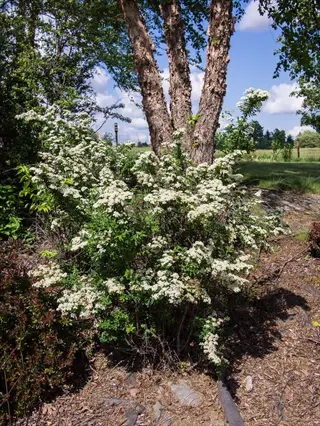
Snowmound Spirea
- Botanical Name: Spiraea nipponica Snowmound is a spring-blooming Nippon spirea producing dense clusters of pure white flowers along arching stems.
- Size and Zones: Reaches 3 to 5 feet (90 to 150 centimeters) tall and wide with a dense mounding habit, hardy in USDA zones 3 through 8.
- Bloom Display: Abundant white flower clusters cover the entire shrub in late spring, creating a snowdrift appearance that gives this cultivar its name.
- Foliage Interest: Small dark blue-green leaves provide a fine texture throughout summer and turn yellow to bronze tones in autumn before dropping.
- Landscape Use: Excellent choice for hedging, mass plantings and mixed shrub borders where its dense form creates visual structure and privacy screening.
- Care Notes: Non-invasive Nippon species that blooms on old wood, so prune right after flowering to keep the natural mounding shape intact.
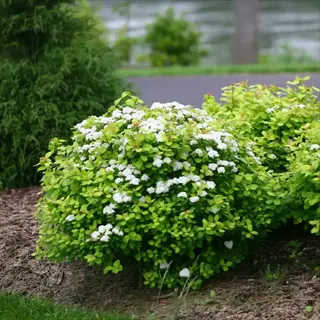
Glow Girl Spirea
- Foliage Focus: Bright yellow-gold foliage emerges in spring and holds its color through summer without scorching, adding year-long brightness to the garden.
- Size and Zones: Compact rounded form growing 3 to 4 feet (90 to 120 centimeters) tall and wide, hardy in USDA zones 4 through 8.
- Bloom Display: White flower clusters appear in late spring and pop against the golden foliage backdrop for strong two-tone contrast in your garden.
- Landscape Use: Perfect for adding a splash of warm color to foundation plantings, mixed borders or container gardens where the gold foliage brightens shady edges.
- Fall Color: Golden summer leaves transition to orange and red shades in autumn, extending the ornamental season well into the fall months.
- Care Notes: Birchleaf spirea selection (Spiraea betulifolia) that is non-invasive and thrives in full sun where foliage color reaches its brightest intensity.
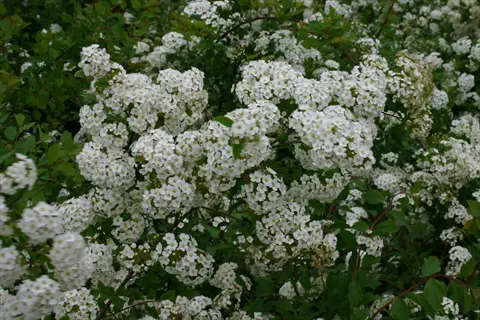
Renaissance Spirea
- Botanical Name: Spiraea vanhouttei Renaissance is an improved Vanhoutte spirea with enhanced disease resistance and a vigorous arching growth habit.
- Size and Zones: Grows 5 to 7 feet (150 to 210 centimeters) tall and 6 to 8 feet (180 to 244 centimeters) wide, hardy in USDA zones 3 through 8.
- Bloom Display: Cascading clusters of white flowers cover the arching branches in mid to late spring, creating a fountainlike appearance in the landscape.
- Disease Resistance: Bred for improved resistance to common spirea diseases including leaf spot and powdery mildew compared to the standard species.
- Landscape Use: Ideal for large hedges, screening, property borders and specimen planting where its broad arching form fills large spaces quickly.
- Care Notes: Blooms on old wood and should be pruned after flowering; tolerates a wide range of soil types and establishes quickly in full sun.

Double Play Candy Corn Spirea
- Foliage Drama: New leaves emerge candy apple red, mature to pineapple yellow and finish in a rich orange, creating a traffic-stopping color show all season long.
- Size and Zones: Compact mounding shrub reaching 1.5 to 2.5 feet (45 to 75 centimeters) tall and wide, hardy in USDA zones 4 through 7.
- Bloom Display: Purple-red flower clusters appear in summer and provide a striking contrast against the multicolored foliage for an eye-catching combination.
- Three-Season Interest: Foliage colors shift from spring through fall, so this small shrub delivers visual impact far beyond its bloom period.
- Landscape Use: Excellent for containers, rock gardens, front-of-border planting and small garden spaces where bold foliage color is needed in a compact form.
- Care Notes: Summer bloomer that flowers on new wood; prune in late winter to encourage vigorous new growth with the most vivid foliage colors.
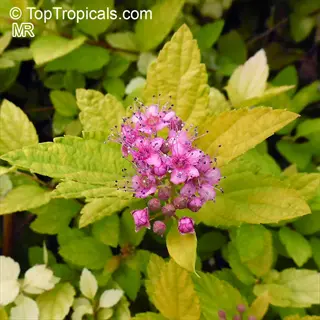
Meadowsweet Spirea
- Native Species: Spiraea alba is a North American native found in wetlands and stream banks across the eastern United States and southeastern Canada.
- Size and Zones: Upright suckering habit reaching 3 to 5 feet (90 to 150 centimeters) tall, hardy in USDA zones 3 through 7 in moist to average soil.
- Bloom Display: Dense terminal panicles of tiny white or pale pink flowers bloom from June through August, providing weeks of summer pollinator habitat.
- Ecological Value: Unlike invasive Japanese spirea, native meadowsweet spreads by underground runners and produces very few viable seeds per Penn State Extension data.
- Wildlife Support: Provides nectar for native bees, butterflies and beneficial insects while supporting the broader native food web that exotic species cannot replicate.
- Landscape Use: Best suited for naturalized areas, rain gardens, wet meadows and stream buffer zones where its suckering habit stabilizes soil and controls erosion.
Japanese spirea is listed as invasive in 5 states by NC State Extension. If you garden in Virginia, Georgia or South Carolina, skip it. Go with non invasive picks like birchleaf spirea, Snowmound or the native species above instead.
How to Plant a Spirea Bush
Knowing how to plant spirea the right way saves you time and gives your shrub a strong start. I've planted both containerized spirea and bare-root spirea, and each method works well when you follow a few key steps. The best time to plant is fall because the roots get months to settle in before spring growth kicks in.
You'll want to space your plants based on how you plan to use them. Tight hedges need about 2 to 4 feet between plants. Specimen shrubs and mixed borders do better with 5 to 8 feet of space. Large screening rows can go up to 15 feet apart. When to plant spirea also matters for transplants. Move existing plants in late fall after leaf drop per Clemson Extension data.
Choose the Right Location
- Sunlight: Select a spot that receives at least 6 hours of direct sunlight per day, as full sun produces the strongest flowering and the most vivid foliage color.
- Soil: Spirea bushes prefer well-draining soil with a pH between 6.0 and 7.0, though they adapt to clay, sandy and loamy soils once established.
- Air Flow: Avoid planting too close to walls or fences where poor airflow encourages powdery mildew and other fungal diseases on the foliage.
Prepare the Planting Hole
- Hole Size: Dig a hole twice as wide as the root ball and just as deep, giving roots room to spread outward without bending or circling in cramped space.
- Soil Mix: Mix compost into the removed soil at a ratio of one part compost to three parts native soil to improve drainage and add organic nutrients.
- Drainage Test: Fill the hole with water and let it drain; if water stands for more than an hour, choose a different location or raise the planting bed.
Plant and Backfill the Right Way
- Root Ball Placement: Set the root ball so the top sits level with the ground surface; planting too deep chokes the crown and invites root rot.
- Backfill Method: Fill around the root ball with amended soil in stages, pressing each layer to remove air pockets that dry out fine feeder roots.
- Watering In: Soak the entire root zone right after planting, allowing water to settle the soil around all sides of the root ball.
Mulch and Water the First Month
- Mulch Layer: Spread 2 to 3 inches (5 to 8 centimeters) of organic mulch like shredded bark in a ring around the base, keeping it 3 inches (8 centimeters) from the stem.
- Watering Schedule: Water deep every 3 to 4 days for the first month, then reduce to once per week as roots begin growing into the soil around them.
- Drip Irrigation: Use drip irrigation rather than overhead watering whenever you can, as Clemson Extension research shows this reduces fungal disease risk on leaves.
Spirea Bush Care Guide
Good spirea care doesn't take much effort once you know the seasonal rhythm. I spend maybe 20 minutes a month on my spireas during the growing season. The key is giving them full sun for at least 6 hours a day and watering spirea the right amount at the right time. These are drought tolerant shrubs once their roots take hold, so you can ease off the hose after the first year.
Spring bloomers and summer bloomers need slightly different care schedules. Give summer types a controlled-release fertilizer like 10-10-10 in early spring. Spring bloomers get the same feeding but you hold off on pruning until after they flower. Fertilizing spirea at the wrong time can push soft growth that frost will damage, so stop all feeding by September.
The care calendar below gives you a season by season plan. It covers watering spirea through hot summers, feeding schedules and the key tasks that keep your plants looking their best year round. NC State Extension data confirms a soil pH of 6 to 7 works best for strong growth and vivid blooms.
Deadheading spent blooms on your summer bloomers triggers a second flush of flowers later that same season. Clemson Extension confirms this remontant behavior, and I've seen it work on my Double Play Doozie every single year. Just clip the faded flower heads back to a set of healthy leaves and new buds will form within weeks.
Pruning Your Spirea Bush
Pruning spirea at the wrong time is the top reason these shrubs fail to bloom. The golden rule is simple. Spring blooming spirea flowers on old wood from the year before. Summer blooming spirea flowers on new wood from the current year. Get this one fact right and you'll know when to prune spirea every time.
I've saved more than a few neglected spireas in my own yard with the right cut at the right time. The methods below cover normal shaping and deadheading spirea for extra flowers. You'll also find rejuvenation pruning steps for shrubs that have gone leggy and bare at the base.
Spring-Blooming Spirea Pruning
- Timing: Prune right after the flowers fade in late spring, because these varieties bloom on old wood and set next year's flower buds during summer and fall.
- Method: Remove up to one-third of the oldest stems at ground level each year to encourage fresh growth while keeping the natural arching form and next year's buds.
- Common Types: Bridalwreath, Snowmound, Renaissance and Thunberg spireas all bloom on old wood and follow this after-bloom pruning schedule each year.
Summer-Blooming Spirea Pruning
- Timing: Prune in late winter or very early spring before new growth starts, because these varieties bloom on the current season's new wood and benefit from fresh stems.
- Method: Cut the entire shrub back to 6 to 12 inches (15 to 30 centimeters) above ground level to encourage dense, compact regrowth and abundant flower clusters.
- Common Types: Double Play series, Anthony Waterer, Goldflame, Little Princess and Magic Carpet spireas all bloom on new wood and benefit from late winter pruning.
Deadheading for Repeat Blooms
- Technique: Clip faded flower clusters just below the spent bloom head using clean bypass pruners, cutting back to a healthy set of leaves on each stem.
- Benefit: Clemson Extension confirms that deadheading summer-blooming spireas triggers a second flush of growth and more flowers later in the same season.
- Frequency: Check plants every 2 to 3 weeks during bloom time and remove spent flowers to redirect energy from seed making into new buds.
Rejuvenation Pruning for Old Shrubs
- When to Use: Apply rejuvenation pruning when a spirea bush turns leggy, bare at the base or has stopped flowering well over several seasons in a row.
- Method: Cut the entire shrub down to 4 to 6 inches (10 to 15 centimeters) above ground level in late winter, allowing a full regrowth cycle from the root system.
- Recovery Time: Most spireas recover within 1 to 2 growing seasons after a hard rejuvenation cut, filling out with dense new growth and plenty of blooms.
Pests, Diseases and Solutions
Spirea bushes are tough plants but they aren't free from trouble. Spirea pests like aphids on spirea and scale insects show up when conditions get warm and humid. Spirea diseases like powdery mildew spirea, leaf spot and root rot spirea appear when drainage is poor or air flow is weak. I check my plants every 2 weeks during summer and catch most problems before they spread.
The table below lists the most common issues by symptom so you can match what you see in your garden to the right fix. Clemson Extension and NC State Extension data back up every treatment listed here. Catching these problems early makes all the difference between a quick fix and losing a whole shrub.
The best defense against most of these problems is good planting habits from the start. Pick a spot with full sun and well drained soil. Space your plants far enough apart for air to move through the branches. Use drip watering instead of overhead sprinklers. Those 3 steps prevent most spirea diseases before they ever appear.
Invasive vs Native Spirea
Not all spireas behave the same way in your garden. Japanese spirea invasive spread is now a big problem in the eastern United States. The USDA says this plant came here in the late 1800s as a garden shrub. It now takes over forests, roads and streams where it pushes out native plants that wildlife needs.
Native spirea species tell a very different story. Plants like meadowsweet and steeplebush spread by underground runners instead of seeds. That means they stay where you plant them and don't escape into wild areas. Picking a non-invasive spirea or one of the native alternatives is a smart move for any gardener. Spiraea virginiana is so rare it's listed as threatened by the federal government.
Japanese Spirea Invasive Status
- Spread Method: Japanese spirea produces thousands of tiny fertile seeds per plant that travel by wind and water, taking over roadsides, forests and stream banks far from the source.
- Affected Regions: NC State Extension lists Japanese spirea as invasive in Virginia, Georgia, South Carolina, Tennessee, Kentucky and the Great Smoky Mountains National Park.
- Ecological Harm: Dense colonies of Japanese spirea crowd out native plants and shrink the variety of species in an area, breaking the food web that pollinators and wildlife need.
Meadowsweet (Spiraea alba)
- Native Range: Found across the eastern United States and southeastern Canada in wetlands, stream banks and moist meadows from USDA zones 3 through 7.
- How it Spreads: Grows by underground runners and makes very few viable seeds, so it stays put as a well behaved native plant in your garden.
- Garden Use: Best suited for rain gardens, wet meadows and natural areas where its white or pale pink summer flowers support native bees and butterflies.
Steeplebush (Spiraea tomentosa)
- Native Range: A North American native found in wet meadows and bogs from Nova Scotia to the Carolinas, producing fuzzy pink steeple shaped flower spikes.
- How it Spreads: Like meadowsweet, steeplebush spreads through root suckers rather than seed dispersal, keeping its range to a manageable garden area.
- Unique Features: Woolly undersides on the leaves give steeplebush its name tomentosa, meaning dense hair, and add subtle texture to natural plantings.
Virginia Meadowsweet (Spiraea virginiana)
- Status: Listed as threatened by the United States Fish and Wildlife Service, making it one of the rarest native spireas in North America.
- Native Range: Found along rocky stream banks in the Appalachian region from West Virginia to Georgia, where it depends on floods for habitat maintenance.
- Why it Matters: Protecting this species through habitat care helps preserve the genetic range of the North American spirea family for future generations.
Recommended Native Alternatives
- Ninebark: Penn State Extension suggests this native shrub as a swap for Japanese spirea, offering peeling bark, white flowers and purple foliage cultivars.
- Sweetspire: NC State Extension points to Virginia sweetspire as a native choice with fragrant white summer blooms and brilliant red to purple fall color.
- Dwarf Fothergilla: Another NC State pick with bottlebrush white spring flowers and multicolored fall foliage in shades of orange, red and purple.
The contrast is clear. Japanese spirea drops thousands of seeds that spread into the wild. Native species grow through roots and stay in place. Check your state's invasive plant list before you buy any spirea, and go native when you can.
5 Common Myths
All spirea bushes are invasive and will take over your entire garden if you plant them anywhere in your yard.
Only Japanese spirea is considered invasive in certain states. Many species, including bridalwreath, birchleaf and Nippon spirea, are non-invasive and safe to plant.
Spirea bushes need constant watering and a strict irrigation schedule to survive through the hot summer months.
Once established, spirea bushes are drought tolerant and typically need only about 1 inch (2.5 centimeters) of water per week, including rainfall.
You should prune all spirea varieties at the same time in late winter before new growth begins in spring.
Spring-blooming spireas flower on old wood and should be pruned right after blooming, while summer-blooming types flower on new wood and are pruned in late winter.
Spirea bushes only produce white flowers and offer no interesting foliage color throughout the growing season.
Spirea flowers come in white, pink, red and magenta, and many cultivars feature chartreuse, gold, orange or bronze foliage with vibrant fall color.
Spirea bushes attract deer and rabbits to your property, making them a poor choice for gardens near wooded areas.
Most spirea species are deer resistant and rabbit resistant, making them well suited for gardens near wildlife corridors and wooded edges.
Conclusion
A spirea bush gives you flowers, foliage color and fall interest in one easy package. With over 80 species to choose from, you can find spirea varieties that fit a small border or fill a large screen. The choice between spring and summer bloomers shapes your pruning plan and your garden's look all year long.
These flowering shrubs also earn their keep as pollinator shrubs that draw bees and butterflies while deer walk right past them. In my experience, few other low maintenance shrubs give you that kind of wildlife value with so little work on your end. I've watched my spireas bring in dozens of pollinators on a single summer afternoon.
Smart gardeners today check whether Japanese spirea is invasive in their state before they buy. Native options like meadowsweet and ninebark give you the same beauty without the risk. New non seeding cultivars are changing the game too, though experts say we need more time to confirm their long term performance.
The spirea bush has been a garden favorite for generations and that won't change any time soon. What is changing is how we choose the right types for our yards. Pick the variety that fits your space, prune it at the right time and you'll enjoy this tough shrub for years to come.
External Sources
Frequently Asked Questions
Bevorzugt die Spierstrauch volle Sonne oder Schatten?
Spierstrauch bevorzugt volle Sonne mit mindestens sechs Stunden direktem Sonnenlicht pro Tag, toleriert aber auch leichten Halbschatten.
Ist der Spierstrauch winterhart?
Ja, die meisten Spierstrauch-Sorten sind winterhart in den USDA-Zonen 3 bis 9 und vertragen Temperaturen bis minus 40 Grad Fahrenheit (minus 40 Grad Celsius).
Ist die Spierstrauch einjaehrig oder mehrjaehrig?
Der Spierstrauch ist ein mehrjaehriger, laubabwerfender Strauch, der jedes Fruehjahr zurueckkehrt und viele Jahre lang lebt.
Wie sieht die Spierstrauch im Winter aus?
Im Winter verliert der Spierstrauch sein Laub und zeigt feine, braune Zweige mit einer ansprechenden bogigen oder aufrechten Wuchsform.
Was passt zum Spierstrauch?
Gute Begleitpflanzen sind Weigela, Rhododendron, Hortensien, Storchschnabel und Ziergras.
Wann schneidet man die Spiere zurueck?
Fruehlingsbluehende Spieren direkt nach der Bluete schneiden, sommerbluehende Sorten im spaeten Winter oder fruehen Fruehjahr.
Welcher Duenger eignet sich am besten fuer Spierstraeucher?
Ein ausgewogener Langzeitduenger wie 10-10-10, im Fruehjahr aufgetragen, liefert die Naehrstoffe fuer kraeftiges Wachstum.
Was ist das fuer ein Busch mit stacheligen Blaettern?
Ein stacheliger Busch, der wie Spierstrauch aussieht, koennte Stechpalme, Mahonie oder Berberitze sein, nicht Spierstrauch selbst.
Wie schneidet man eine Birkenblatt-Spierstrauch?
Birkenblatt-Spierstrauch im spaeten Winter leicht zurueckschneiden und alle drei bis vier Jahre einen Verjuengungsschnitt durchfuehren.
Wie schnell waechst eine Prachtspiere?
Prachtspiere waechst schnell und kann bis zu 60 Zentimeter (24 Zoll) neues Wachstum pro Saison erreichen.