
Introduction
Picture a midsummer prairie alive with bold color and buzzing wings. The purple coneflower stands at the center of it all. This native perennial shows off rosy pink petals and copper cones from June through September. It feeds over 150 pollinator species at the same time. Few garden plants give you that kind of double value.
I've grown Echinacea purpurea in my own beds for more than 8 years across 3 garden zones. What struck me first was how little effort it takes once the roots grab hold. This plant is native to 27 states across eastern and central North America. It thrives in USDA Zones 3 through 9 and grows 2 to 4 feet (0.6 to 1.2 meters) tall on almost any soil.
Most growing guides tell you the basics and stop there. They skip the deeper science that helps you pick the right plants for a real pollinator garden. The Mt. Cuba Center tested 75 cultivars over 3 years. They found huge gaps between varieties in how well they serve bees and butterflies. That kind of data changes the way you shop for coneflowers.
This guide goes beyond the usual tips. You'll get research-backed cultivar picks and a full seasonal care calendar. You'll also find pest solutions and companion planting ideas built for both new and experienced growers. Let's get your coneflowers growing the smart way.
8 Best Purple Coneflower Varieties
Not all coneflower varieties perform the same in your garden or for wildlife. The Mt. Cuba Center tested 75 Echinacea cultivars over a 3 year span. They ranked each one for garden merit and pollinator value. The top 15 for pollinator visits were all single-flowered coneflower types. Bees and wasps drove 95% of those visits while butterflies made up just 5%.
I grew over a dozen of these in my own beds before picking these 8 best coneflower for pollinators. You'll find options in pink, white, coral, and mixed colors below. Keep in mind that warm toned cultivars in yellow, orange, and red need richer soil and more water than the classic purple types. Sterile hybrids won't self sow, so I've noted which ones set viable seed for your birds and new plants.
Pica Bella
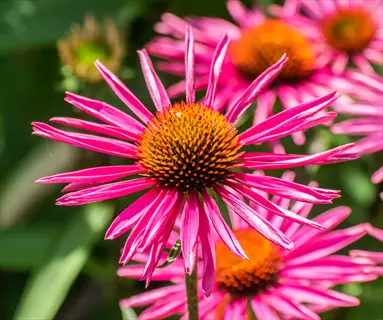
- Trial ranking: Rated number one in both Mt. Cuba Center trials spanning 2007 through 2020, earning top marks for floral display, plant health, and pollinator attraction among 75 tested accessions.
- Flower form: Produces elegant single flowers with narrow, slightly reflexed petals in a soft pink-purple hue that gives it a refined, wilder look compared to broader-petaled cultivars.
- Pollinator value: Single-flowered form provides easy access to nectar and pollen for bees, wasps, and butterflies, ranking among the top 15 most-visited accessions in controlled trials.
- Growth habit: Reaches 30 to 36 inches (76 to 91 centimeters) tall with a compact, upright form that resists flopping even without staking in most garden settings.
- Hardiness: Performs well in USDA Zones 3 through 8 with strong winter survival rates documented across multiple years of evaluation at Mt. Cuba Center in Delaware.
- Best use: Ideal for pollinator gardens, native plant borders, and mass plantings where long-term performance and low maintenance matter more than novelty color.
Magnus
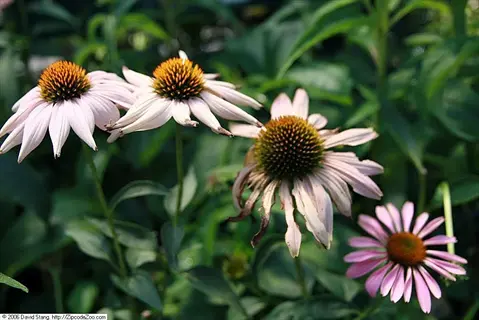
- Flower form: Large, flat-topped flowers measuring up to 5 inches (13 centimeters) across with horizontal petals that do not droop, creating a bold daisy-like display through summer.
- Awards: Won the Perennial Plant Association Plant of the Year award, making it one of the most popular and available Echinacea cultivars you can find on the market.
- Pollinator value: Single-flowered form with large, exposed central cone provides excellent landing platforms and abundant nectar access for bees and butterflies throughout the bloom season.
- Growth habit: Sturdy stems reach 36 to 48 inches (91 to 122 centimeters) tall and hold up well in rain and wind without staking, making it suitable for mixed perennial borders.
- Color: Deep rosy-pink petals surrounding a large copper-orange central cone that darkens as the flower matures, creating color variation across the bloom period.
- Best use: Works well as a mid-border perennial, in cottage gardens, and in mass plantings where its tall stature and consistent performance create a reliable summer focal point.
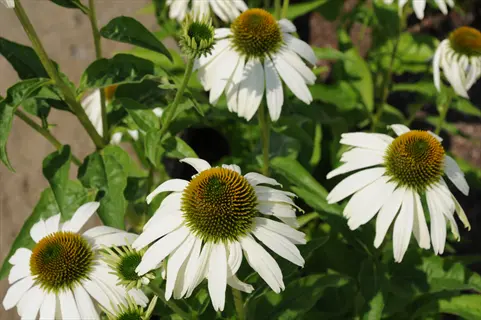
White Swan
- Flower form: Pure white petals surround a coppery-green central cone, offering a cool-toned alternative to the classic purple-pink coneflowers that blends well in pale garden schemes.
- Garden design: White blooms create calming contrast when planted alongside traditional purple varieties and dark-leaved perennials like Heuchera or purple-leaf sage.
- Growth habit: Compact plants reach 24 to 36 inches (61 to 91 centimeters) tall with branching stems that produce multiple flowers per plant over a long bloom season from June through September.
- Pollinator value: Single-flowered form gives bees and butterflies full access to nectar and pollen, matching the pollinator appeal of pink-flowered species types in your garden.
- Seed production: Not a sterile hybrid, so it self-sows with ease and produces seeds that goldfinches and other songbirds feed on through fall and winter months.
- Best use: Pairs beautifully with ornamental grasses and blue-flowered perennials in moon gardens, white theme borders, and naturalized meadow plantings.
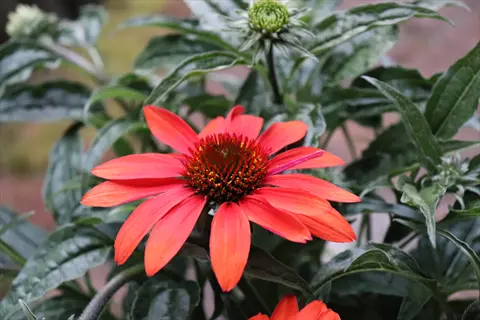
Cheyenne Spirit
- Flower form: Produces a mix of red, orange, yellow, cream, pink, and purple flowers from a single seed packet, creating a multicolor tapestry effect in garden beds.
- Awards: Won the All-America Selections award for its outstanding garden performance, uniform plant habit, and broad color range that appeals to home gardeners and landscapers alike.
- Growth habit: Compact plants grow 18 to 24 inches (46 to 61 centimeters) tall with sturdy, well-branched stems that hold up without staking and suit both gardens and large containers.
- Pollinator value: Single-flowered form with open central cones attracts bees and butterflies throughout the bloom period from early summer through the first frost of fall.
- Seed starting: Grows true from seed with cold stratification recommended for 12 to 16 weeks at 33 to 41 degrees Fahrenheit (1 to 5 degrees Celsius) before spring sowing.
- Best use: Perfect for cottage gardens, mixed borders, and container plantings where you want color variety without planting multiple named cultivars one by one.
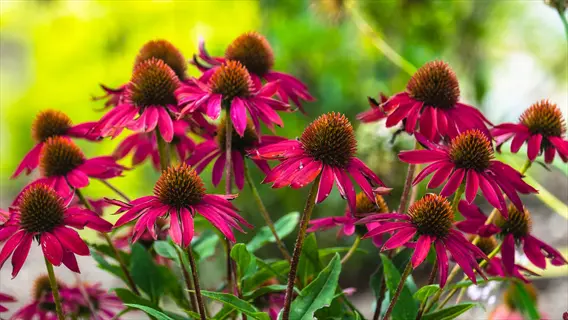
Sensation Pink
- Trial ranking: Ranked among the top performers in the Mt. Cuba Center 2018-2020 trial for combined pollinator attraction and horticultural merit across three years of evaluation.
- Flower form: Bright, saturated pink single flowers on strong stems create a vivid display that stands out in perennial borders and attracts attention from across the garden.
- Growth habit: Compact plants reach 18 to 24 inches (46 to 61 centimeters) tall and produce a heavy flush of blooms that continues from early summer through fall with regular deadheading.
- Pollinator value: Single-flowered form with prominent central cone ranked among the top 15 most pollinator-visited accessions in controlled Mt. Cuba Center observations.
- Container suitability: Shorter stature and dense branching make this cultivar well suited for large containers, patio plantings, and smaller garden spaces where taller varieties overwhelm.
- Best use: Works as a front-of-border perennial, in pollinator container gardens, and in mass plantings where a uniform, low-growing carpet of bright pink blooms is desired.
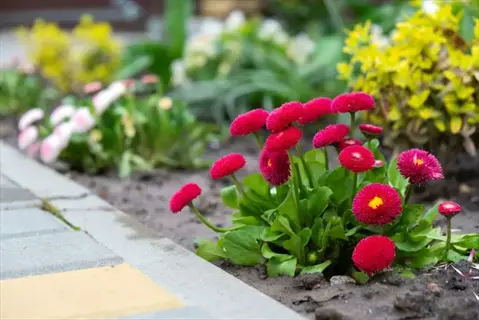
Sombrero Hot Coral
- Flower form: Vivid coral-orange single flowers with a dark central cone create a warm, tropical look unusual among coneflowers and eye-catching in summer and fall borders.
- Trial ranking: Named among the top 12 performers in the Mt. Cuba Center trial, proving that warm-colored cultivars can deliver strong garden performance when bred with care.
- Growth habit: Well-branched plants reach 20 to 24 inches (51 to 61 centimeters) tall and produce a continuous flush of flowers from midsummer through fall without aggressive deadheading.
- Care note: Following Dan Heims' advice, warm-colored cultivars like this one benefit from slightly richer soil and consistent moisture compared to classic purple coneflower types.
- Hardiness: Reliable in USDA Zones 4 through 9 with good winter survival rates, though mulching the crown in the first winter helps establishment in colder zones.
- Best use: Ideal for adding warm tones to pollinator gardens, pairing with ornamental grasses, and creating vibrant mixed borders alongside blue salvias and yellow black-eyed Susans.
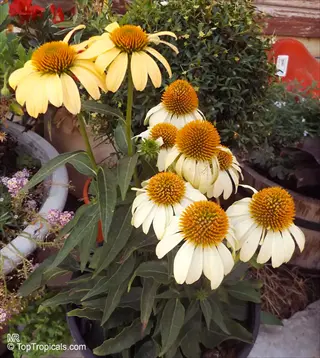
Fragrant Angel
- Flower form: Large, fragrant white single flowers with a golden-copper cone produce a light honey scent that is rare among Echinacea cultivars and adds sensory interest to garden paths.
- Trial ranking: Ranked among the top 12 accessions in the Mt. Cuba Center trial, demonstrating that white cultivars can match or exceed pink types in overall garden performance.
- Growth habit: Upright plants reach 24 to 30 inches (61 to 76 centimeters) tall with thick, sturdy stems that hold flowers well even in rain and moderate wind exposure.
- Pollinator value: Single-flowered form with a large, accessible cone pulls in a steady stream of bees and wasps, boosting the pollinator variety your home garden needs.
- Fragrance: The light, sweet scent sets this variety apart from most coneflowers and makes it a standout choice for planting near seating areas, walkways, and open windows.
- Best use: Place along garden paths, near patios, or in cutting gardens where the fragrance and elegant white blooms can be appreciated up close throughout the summer months.
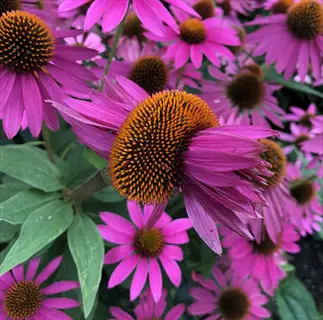
PowWow Wild Berry
- Flower form: Intense, deep rose-purple single flowers with a large dark cone produce a saturated color that holds strong without fading through the heat of summer.
- Compact size: Plants grow just 18 to 24 inches (46 to 61 centimeters) tall and wide, making this cultivar suitable for small gardens, front borders, and large patio containers.
- Bloom production: Heavy bloomer that produces flowers from early summer through fall without deadheading, though removing spent blooms encourages even more prolific flowering.
- Seed starting: Grows well from seed and blooms in your first year when started indoors 8 to 10 weeks before the last frost date with cold stratification treatment.
- Self-seeding: Not a sterile hybrid, so it self-sows and produces viable seeds that feed goldfinches, juncos, and other seed-eating birds when left standing through winter.
- Best use: Excellent as a mass planting along walkways, in mixed container designs, and as a first-year flowering perennial for impatient gardeners who want color right away.
Every variety on this list earned its spot through trial data and real garden testing over multiple seasons. Pica Bella remains the top pick if your main goal is pollinator support. For color variety, Cheyenne Spirit gives you the widest range from a single seed packet.
Planting Purple Coneflower
Planting coneflower the right way saves you time and gives your plants a strong start. I've tried every method on this list and each one works if you match it to the right season. Fall planting perennials like coneflower gives roots time to settle before winter hits. Clemson Extension backs this up as the best approach for strong plants the next summer.
Growing coneflower from seed takes a bit more patience but costs a fraction of buying nursery plants. You'll want to sow seeds at a coneflower planting depth of just 1/8 inch (3 millimeters) since they need light to sprout. Keep indoor starts at 65 to 70°F (18 to 21°C) and expect sprouts in 10 to 20 days. Space your plants 18 to 24 inches (46 to 61 centimeters) apart so air flows between them.
Cold stratification is the trick most guides skip. You mimic winter by chilling seeds at 33 to 41°F (1 to 5°C) for 12 to 16 weeks before you sow them. You can do this in your fridge with moist sand or let nature handle it through winter sowing outdoors. Both methods break seed dormancy and boost your germination rates. The table below shows you how each method compares.
Your soil pH can range from 6.0 to 8.0 for coneflowers, so most garden soils work without any amendments. Good drainage matters more than rich soil. In fact, lean soil grows sturdier stems that won't flop over in summer storms.
Seasonal Care and Maintenance
Good coneflower care follows the seasons. I break my garden year into 4 chapters, each with its own set of tasks. This approach keeps your plants healthy without turning maintenance into a chore. Bookmark this calendar and come back to it as each season rolls around.
The biggest question I get is about deadheading coneflowers. Here's my take: remove spent blooms through July and August for more flowers. Then stop in September and let the seed heads stand for birds. You'll learn about fertilizing coneflowers each spring. You'll also find tips on dividing coneflowers when clumps crowd out. You'll see how overwintering coneflowers works too. Plus mulching perennials to keep roots safe.
Spring Tasks (March to May)
- Fertilizing: Apply 12-6-6 slow-release fertilizer at 1 pound per 100 square feet (0.45 kilograms per 9.3 square meters) in late March to early April as new growth emerges from the crown.
- Cleanup: Remove any remaining dead stems from the previous season once you see new green basal growth appearing, as cutting too early removes nesting habitat for native bees.
- Division: Divide overcrowded clumps every 3 to 4 years in early spring by digging the entire root mass and separating it into sections with at least 3 to 4 shoots each.
- Mulching: Apply 2 to 3 inches (5 to 8 centimeters) of organic mulch around plants, keeping it away from the crown to prevent rot and retain soil moisture as temperatures rise.
Summer Tasks (June to August)
- Watering: Provide about 1 inch (2.5 centimeters) of water per week during extended dry spells, focusing on the root zone with drip irrigation rather than overhead sprinklers.
- Deadheading: Remove spent flower heads to encourage additional blooms through August and September, cutting back to the next lateral bud or healthy leaf set on each stem.
- Monitoring: Watch for signs of aster yellows, powdery mildew, and Japanese beetle damage during the warm months, removing affected plant parts promptly to prevent spread.
- Staking: Tall varieties in partial shade may lean toward light; use grow-through supports placed in spring that plants grow into naturally rather than tying stems after they flop.
Fall Tasks (September to November)
- Stop deadheading: Allow the final flush of flowers to mature into seed heads by mid-September, providing food for goldfinches and other songbirds through late fall and winter.
- Transplanting: Fall is the ideal time to plant container-grown coneflowers, as cool temperatures and natural rainfall help roots establish without summer heat stress.
- Seed collecting: Harvest seeds from mature, dry seed heads when the petals have dropped and the central cone turns dark brown, then store in a cool dry place for spring sowing.
- Watering: Continue watering newly planted coneflowers until the ground freezes to ensure good root establishment before winter dormancy sets in.
Winter Tasks (December to February)
- Leave stems standing: Dead coneflower stems provide nesting habitat for stem-nesting native bees and architectural winter interest; only cut back in early spring when new growth begins.
- Mulch protection: In USDA Zones 3 to 5, add an extra 2 to 3 inches (5 to 8 centimeters) of mulch around first-year plants after the ground freezes to protect young roots near the surface.
- Seed stratification: Start cold stratification of collected seeds in December by mixing them with moist vermiculite and storing in the refrigerator at 33 to 41 degrees Fahrenheit (1 to 5 degrees Celsius).
- Container care: Move potted coneflowers to an unheated garage or sheltered spot where temperatures stay between 35 to 45 degrees Fahrenheit (2 to 7 degrees Celsius), checking soil moisture every two weeks.
Pests, Diseases, and Fixes
Most coneflower pests won't kill your plants if you catch them fast. I've dealt with every problem in the table below at some point in my own garden. The key is to match what you see on your plant to the right cause and fix. Look for distorted growth, chewed leaves, or white coatings as your first clues.
In my experience, Japanese beetles and aphids show up most often on your plants. Both respond well to organic pest control like neem oil and strong water sprays. Coneflower diseases are tougher to beat. Powdery mildew and aster yellows need good air flow and fast removal of sick plants. If you garden in the South, watch for sweet potato whitefly too. UF/IFAS rates it as a moderate to severe threat in warm zones.
Aster yellows scares gardeners the most and for good reason. There's no cure once a plant gets it. You have to pull the whole plant and throw it away to stop it from spreading. I lost 3 mature clumps to aster yellows one summer and learned the hard way that fast action saves the rest of your garden.
Pollinator and Wildlife Value
Your coneflower does far more than look pretty in a wildlife garden. It works as a 4 season support system for dozens of species. Most guides mention bees and butterflies, but the full story goes much deeper. I've watched coneflower pollinators like bees, wasps, and moths visit the same plant at different life stages.
The numbers tell a strong story. One study found 729 pollinator visits on native plants. A double type got only 94 visits. Mt. Cuba Center data shows bees and wasps make up 95% of those visits. Butterflies account for just 5%. If you want a real pollinator garden, single flowered types give you far better results than showy doubles.
Here's what most gardeners miss. Purple coneflower is a larval host plant for the Silvery Checkerspot butterfly. It also feeds the Wavy-lined Emerald moth. Dead stems left standing through winter become native bee habitat for nesting. Seed heads that you leave up turn into goldfinch food all winter long. Every part of this plant supports wildlife in your yard.
Summer Nectar Source (June to September)
- Primary visitors: Bees and wasps make up roughly 95% of all pollinator visits to coneflowers according to Mt. Cuba Center observations, making them the main beneficiaries of nectar production.
- Bee variety: Both native bees like bumblebees, sweat bees, and leafcutter bees plus honeybees forage on the large central cones, which produce nectar over several weeks as florets open.
- Butterfly support: While butterflies represent only 5% of visits, species like Monarchs, Painted Ladies, and swallowtails still use coneflowers as a valuable nectar refueling station during migration.
- Choosing cultivars: Native species and single-flowered cultivars provide far better pollinator access than double-flowered types; research recorded 729 pollinator visits on native plants versus 94 on a double cultivar.
Fall and Winter Seed Food (October to February)
- Goldfinch magnet: American goldfinches, dark-eyed juncos, and other seed-eating birds feed on coneflower seed heads through fall and winter, pulling seeds from the dried central cones.
- Nutritional value: Each mature seed head contains dozens of small, oil-rich seeds that provide essential calories for overwintering bird populations when other food sources become scarce.
- Garden management: Leaving seed heads standing rather than cutting them back in fall provides months of natural bird food and saves gardeners the work of fall cleanup.
- Self-seeding bonus: Seeds that birds drop or miss germinate the following spring, naturally replenishing coneflower plantings without any effort from the gardener.
Spring Nesting Habitat (March to May)
- Stem-nesting bees: Dead hollow coneflower stems provide nesting sites for stem-nesting native bee species, which lay eggs inside the pithy centers during spring and early summer.
- Why it matters: Over 30% of native bee species are cavity or stem nesters, and garden plants with sturdy hollow stems like coneflower offer critical breeding habitat in landscapes.
- Best practice: Delay spring cleanup until new green growth appears at the base of the plant, giving emerging bees time to leave their winter nests inside the old stems.
- Dual purpose: The same standing stems that feed birds in winter shelter bee larvae in spring, making the decision to leave stems standing a double benefit for garden wildlife.
Larval Host Plant Role (Spring to Summer)
- Silvery Checkerspot butterfly: Purple coneflower serves as a larval host plant for the Silvery Checkerspot butterfly, meaning caterpillars feed on the leaves during their growth stages.
- Wavy-lined Emerald moth: The Wavy-lined Emerald moth also uses Echinacea purpurea as a larval food source, camouflaging itself by attaching flower fragments to its body.
- Ecological significance: Larval host plant relationships are essential for butterfly and moth populations; without specific host plants, these species cannot complete their life cycles.
- No competitor coverage: This information from NC State Extension is absent from all top competing articles, representing a unique ecological depth that adds authority to the content.
Companion Plants and Design
Knowing what to plant with coneflowers can make or break your garden's look. I've tried dozens of combos over the years. The best companion plants for coneflower share the same sun and soil needs as your main plants. The 4 designs below give you ready-to-copy plant lists for your next native plant border or perennial border.
Each coneflower garden design pairs plants for a reason. I match bloom times so you always have color. I pick root depths that don't compete. And I choose textures that contrast so your eye moves across the bed. Penn State Extension names lavender, Russian sage, and salvia as top picks. I'd add black-eyed Susan, bee balm, and grasses from my own testing.
Native Prairie Garden
- Core pairing: Combine purple coneflower with black-eyed Susan, little bluestem grass, and prairie dropseed for an authentic meadow look that supports a wide range of native pollinators.
- Bloom sequence: This combination provides continuous color from June through October, with coneflower and black-eyed Susan peaking in summer and grasses adding golden fall interest.
- Ecological rationale: All plants in this grouping are native to the same eastern and central United States range, meaning they have co-evolved with local pollinators and wildlife species.
Cottage Border Planting
- Core pairing: Plant coneflower alongside lavender, Russian sage, and salvia for a fragrant, color-rich border that blooms from early summer through fall in full sun conditions.
- Texture contrast: The spiky vertical forms of salvia and Russian sage complement the broad, daisy-shaped coneflower blooms, creating visual depth and layered interest in the border.
- Shared conditions: All four plants prefer full sun and well-drained soil with moderate to low fertility, meaning they thrive together without conflicting watering or feeding needs.
Wildlife-Friendly Grouping
- Core pairing: Combine coneflower with bee balm, milkweed, and culver's root to create a dedicated pollinator station that supports bees, butterflies, and hummingbirds across multiple seasons.
- Monarch support: Milkweed is the essential larval host plant for Monarch butterflies, and pairing it with coneflower provides both breeding habitat and adult nectar within the same garden bed.
- Succession blooming: Bee balm starts flowering in early summer, coneflower peaks in midsummer, and culver's root bridges the gap, ensuring continuous nectar availability for visiting pollinators.
Container Patio Collection
- Core pairing: Group a compact coneflower like PowWow Wild Berry with ornamental grasses and trailing sedum in a large container of at least 2 to 3 gallons (7.6 to 11.4 liters) for a self-contained pollinator garden.
- Design tip: Place the coneflower as the thriller in the center, ornamental grass as the filler on one side, and trailing sedum as the spiller cascading over the pot edge.
- Overwintering: In USDA Zones 5 and colder, move the entire container to an unheated garage or sheltered spot where temperatures stay between 35 to 45 degrees Fahrenheit (2 to 7 degrees Celsius).
5 Common Myths
Purple coneflowers need rich, amended soil with regular fertilizer applications to produce healthy blooms.
Purple coneflowers actually prefer lean, average soil and too much fertilizer causes leggy growth with weak stems that flop over.
Double-flowered coneflower cultivars attract just as many bees and butterflies as single-flowered types.
Mt. Cuba Center trials found the top 15 pollinator-preferred coneflowers were all single-flowered, with doubles receiving far fewer visits.
You should always cut down coneflower stalks and clean up the garden bed after the first frost in fall.
Leaving dead stems standing through winter provides nesting habitat for native bees and seed heads feed goldfinches and other songbirds.
All echinacea supplements are proven to prevent colds and boost immunity based on solid clinical evidence.
Clinical trial results remain mixed, with some studies showing modest benefit when taken early and others showing no significant difference from placebo.
Purple coneflower seeds will germinate quickly if you just scatter them on soil in spring without any preparation.
Seeds benefit from 12 to 16 weeks of cold stratification at 33 to 41 degrees Fahrenheit (1 to 5 degrees Celsius) to break dormancy and improve germination rates.
Conclusion
Purple coneflower earns its spot in any garden by doing two jobs at once. It gives you months of bold color with very little work. And it supports your local bees, butterflies, and birds across all 4 seasons. The Mt. Cuba Center trials proved this with hard data on 75 cultivars, so you don't have to guess which ones perform best.
Your coneflower care plan comes down to 3 core actions from Clemson Extension. Plant in fall for the strongest roots. Apply 12-6-6 fertilizer in early spring. And divide your clumps every 3 to 4 years to keep them healthy. This Echinacea purpurea native perennial handles the rest on its own in most soils and climates.
This guide filled gaps that most articles miss. You now have research-backed cultivar picks and a full seasonal care calendar. You've also learned about native bee nesting in dead stems, something almost no other growing guide covers. That kind of detail turns a good garden into a real pollinator garden.
Choose single flowered types for the biggest wildlife impact and leave your stems standing through winter. Those 2 simple choices help your garden give back to the ecosystem around you. Every purple coneflower you plant is both a personal garden win and a gift to your local wildlife.
External Sources
Frequently Asked Questions
What is purple coneflower good for?
Purple coneflower supports pollinators, provides seeds for songbirds, and has been used in traditional herbal remedies for immune support.
Is purple coneflower a perennial or annual?
Purple coneflower is a herbaceous perennial that returns reliably each year in USDA Zones 3 through 9.
Do purple coneflowers like full sun or shade?
Purple coneflowers prefer full sun with at least six hours of direct light daily, though they tolerate partial shade.
Do purple coneflowers come back each year?
Yes, purple coneflowers return each year and often self-seed to produce new plants around the original clump.
Can you eat purple coneflowers?
Flowers, leaves, and roots of purple coneflower are edible and commonly brewed into herbal tea, though taste is mild and slightly bitter.
What is the purple coneflower fatal attraction?
Fatal Attraction is a cultivar of Echinacea purpurea known for deep magenta-pink flowers on strong, dark stems that resist flopping.
What are the bad side effects of echinacea?
Possible side effects include stomach upset, nausea, and allergic reactions, especially in people allergic to plants in the daisy family.
Are coneflowers high maintenance?
Coneflowers are low maintenance, requiring minimal watering once established and tolerating poor soil, drought, and heat.
Does coneflower spread quickly?
Coneflowers spread moderately through self-seeding and slow root expansion but are not aggressive or invasive.
Can I plant coneflowers in October?
October is actually one of the best times to plant coneflowers, as fall planting allows roots to establish before winter.