
Introduction
Lantana camara is a flowering shrub that forces you to hold two truths at the same time. It fills your garden with bright clusters of red, orange, yellow, and pink blooms that shift colors as they age. Butterflies and hummingbirds swarm to it all season long. Yet this same plant sits on the IUCN's list of 100 worst invasive alien species on earth.
I tested common lantana in my own garden for over 8 years. A single plant can pump out 12,000 seeds per year while also feeding dozens of butterfly species in your yard. That contrast tells you everything about this tough plant from the Verbenaceae family.
The hard numbers paint a serious picture. Lantana camara has spread to over 60 countries across the globe. In India alone, it has taken over more than 13 million hectares. Those figures come from peer reviewed research, not garden blog guesses.
This guide gives you the full picture on growing lantana camara the right way. You will learn which varieties are safe to plant. You will find out how to care for them without the mistake of overwatering. And you will see what steps keep this beautiful but aggressive shrub from causing harm outside your garden beds.
8 Lantana Camara Varieties
Plant breeders have created over 630 named lantana cultivars over the years. That huge number of lantana varieties means you can find the right plant for almost any garden need. I tested many of these in my own beds and these 8 stand out for real garden value.
The biggest lesson I learned about lantana cultivars is that some are sterile while others self seed like crazy. A sterile cultivar won't spread seeds into wild areas near your yard. Florida researchers even certify which picks won't spread into the wild. If you want cold-hardy lantana, try Miss Huff lantana. If you need a trailer for baskets, go with a spreading type.
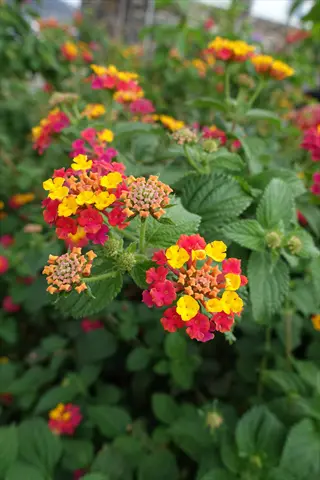
Miss Huff Lantana
- Growth Habit: Upright mounding shrub that reaches 5 to 6 feet (1.5 to 1.8 meters) tall and 8 to 10 feet (2.4 to 3 meters) wide in warm climates.
- Flower Colors: Produces clusters of orange, pink, and yellow blooms that shift colors as individual florets age through the season.
- Cold Hardiness: One of the most cold-tolerant cultivars, surviving winter temperatures down to USDA zone 7a with established root systems.
- Best Use: Ideal as a large landscape specimen, informal hedge, or background planting in pollinator and butterfly gardens.
- Pollinator Value: Attracts a wide range of butterflies, hummingbirds, and native bees throughout its long blooming period from spring to frost.
- Growth Note: This cultivar sets viable seeds and can spread in warm climates, so regular deadheading is recommended in frost-free zones.
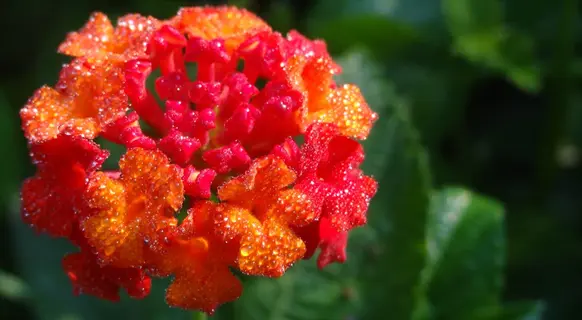
Dallas Red Lantana
- Growth Habit: Compact upright mounding form reaching 3 to 4 feet (0.9 to 1.2 meters) tall with a similar spread in the garden.
- Flower Colors: Opens bright yellow and transitions through orange to deep red as blooms mature, creating a striking multicolored display.
- Cold Hardiness: Performs well as a perennial in USDA zones 8 through 11 and grows as a warm-season annual in cooler zones.
- Best Use: Works great in mixed borders, foundation plantings, and cottage garden designs where warm color tones are desired.
- Pollinator Value: The vivid red and orange tones are effective at attracting hummingbirds alongside butterflies and bees.
- Growth Note: Moderate self-seeding potential makes deadheading a good practice to maintain tidy growth and reduce unwanted seedlings.
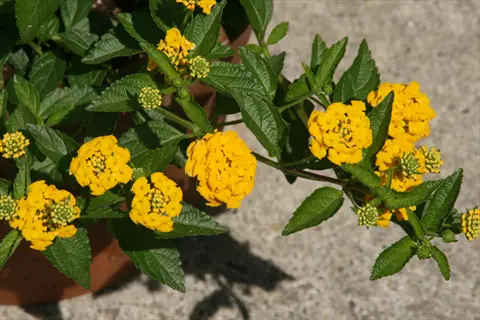
New Gold Lantana
- Growth Habit: Low spreading form growing 1 to 2 feet (30 to 60 centimeters) tall and 3 to 4 feet (0.9 to 1.2 meters) wide.
- Flower Colors: Produces abundant clusters of pure golden yellow flowers that hold their color without shifting to other shades.
- Cold Hardiness: Hardy in USDA zones 8b through 11, though it can survive brief cold snaps with mulch protection around the root zone.
- Best Use: Excellent as a groundcover, edging plant, or cascading over walls and raised beds where its spreading habit covers ground fast.
- Pollinator Value: The bright yellow blooms attract a steady stream of butterflies and small pollinators throughout the growing season.
- Growth Note: This cultivar produces fewer viable seeds than many older varieties, making it a lower-risk option in warm climate gardens.
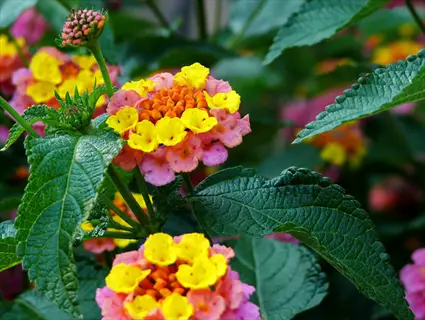
Ham and Eggs Lantana
- Growth Habit: Upright mounding shrub reaching 3 to 5 feet (0.9 to 1.5 meters) in height and 3 to 4 feet (0.9 to 1.2 meters) in spread.
- Flower Colors: Named for its distinctive combination of pink and yellow flowers within the same cluster, resembling a classic breakfast plate.
- Cold Hardiness: Hardy to USDA zone 7b with root protection, making it one of the more cold-tolerant heirloom lantana selections available.
- Best Use: Popular in cottage gardens and mixed perennial borders where its whimsical color combination adds a playful visual element.
- Pollinator Value: The bicolor blooms attract many butterfly species and serve as a reliable nectar source for native pollinators.
- Growth Note: This heritage cultivar does produce viable seeds, so responsible gardeners should remove spent flower heads before berries form.
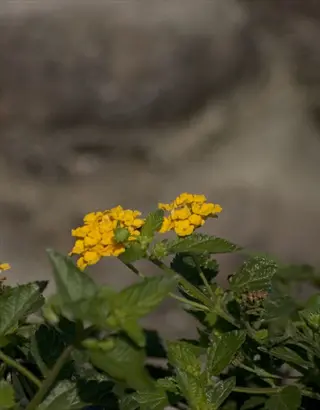
Gold Mound Lantana
- Growth Habit: Dense compact mound growing 1.5 to 2 feet (45 to 60 centimeters) tall and 2 to 3 feet (60 to 90 centimeters) wide.
- Flower Colors: Bright golden yellow blooms cover the entire plant surface from late spring through fall, creating a solid dome of color.
- Cold Hardiness: Performs as a perennial in USDA zones 9 through 11 and grows well as a warm-season annual in zones 7 and 8.
- Best Use: Perfect for container gardens, hanging baskets, window boxes, and compact garden beds where space is limited.
- Pollinator Value: Despite its smaller size, it produces enough nectar-rich blooms to serve as a dependable butterfly and bee attractant.
- Growth Note: The compact growth habit and moderate seed production make this cultivar easier to manage than larger spreading varieties.
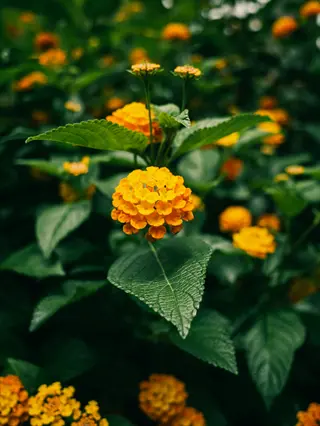
Chapel Hill Yellow Lantana
- Growth Habit: Medium-sized mounding form reaching 2 to 3 feet (60 to 90 centimeters) tall with a 3 to 4 foot (0.9 to 1.2 meter) spread.
- Flower Colors: Produces soft pastel yellow flower clusters that maintain a gentle, warm tone throughout the entire blooming season.
- Cold Hardiness: Named for Chapel Hill, North Carolina, this cultivar tolerates cold down to USDA zone 7a with established root systems.
- Best Use: Well suited for mixed borders, mass plantings, and garden designs that call for a softer, warmer yellow palette.
- Pollinator Value: Attracts a wide variety of butterflies and bees, and performs well as a nectar source in formal pollinator garden designs.
- Growth Note: One of the named cold-hardy selections from NC State University's plant evaluation program, tested for reliable performance.
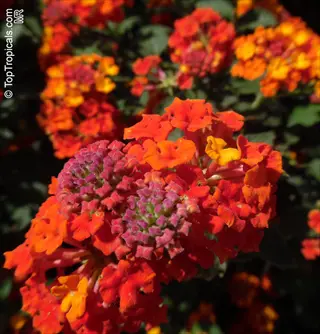
Luscious Royale Red Zone
- Growth Habit: Vigorous upright mounding form growing 2 to 3 feet (60 to 90 centimeters) tall and 2 to 3 feet (60 to 90 centimeters) wide.
- Flower Colors: Deep red and orange bicolor blooms create an intense, fiery display that stands out against dark green aromatic foliage.
- Cold Hardiness: Grows as a reliable perennial in USDA zones 9 through 11 and performs well as a warm-season annual in cooler zones.
- Best Use: Ideal for container displays, patio plantings, and high-impact color spots in garden beds and mixed ornamental borders.
- Pollinator Value: The deep red tones attract hummingbirds with ease, making this cultivar a top choice for hummingbird garden designs.
- Growth Note: As a Proven Winners selection, this cultivar has been bred for reduced seed set, making it a lower-risk choice in warm climates.
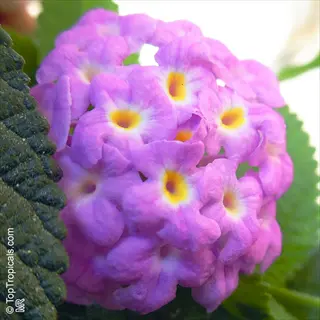
Trailing Lavender Lantana
- Growth Habit: Spreading trailing form that grows only 1 foot (30 centimeters) tall but cascades 3 to 6 feet (0.9 to 1.8 meters) wide.
- Flower Colors: Soft lavender to purple flower clusters bloom nonstop from spring through fall, offering a color uncommon in most lantana selections.
- Cold Hardiness: This Lantana montevidensis variety is hardy in USDA zones 8 through 11 and handles a bit more cold than most camara types.
- Best Use: Perfect for hanging baskets, window boxes, retaining walls, and slopes where its cascading growth provides erosion control and ground cover.
- Pollinator Value: The purple blooms attract a different set of pollinator species than yellow and red varieties, adding variety to mixed plantings.
- Growth Note: Lantana montevidensis is considered less invasive than Lantana camara, though you should still monitor it in tropical climates.
Your best bet is to pick a sterile or low seed variety if you live in a warm climate. Non-invasive lantana gives you all the color and pollinator draw. You skip the risk of seeds escaping into wild spaces near your home.
Growing and Care Essentials
Lantana camara care comes down to one core rule: do less, not more. I killed my first 3 lantana plants by giving them too much water and rich fertilizer. These full sun plants need 6 to 8 hours of direct light each day. Strong sunlight drives the flower production that makes lantana worth growing.
Most new growers make the same mistake I did. They treat lantana like a fussy garden plant that needs constant care. In truth, lantana thrives in USDA hardiness zones 7a through 11b and grows from 1 to 6 feet tall. It handles drought, heat, salt, and poor soil with ease once roots take hold. That makes it one of the best drought tolerant shrubs you can grow.
The biggest care trap is overwatering. Wet soil chokes the roots and creates conditions for root rot that will kill your plant fast. Your lantana wants well-drained soil that dries out between watering sessions. Water deep once a week and then leave it alone.
Fertilizer is another area where less wins. Too much nitrogen pushes your lantana to grow leaves instead of flowers. One light feed in early spring is all you need. I use a balanced mix at half strength and my plants bloom like crazy all season long.
If you grow container lantana, pick a pot at least 12 inches wide with good drainage holes. Containers dry out faster in summer heat so you may need to water twice a week. For lantana overwintering in cold zones, bring potted plants inside before first frost. Keep them in a cool bright spot until spring comes back.
Propagation Methods
Lantana propagation gives you 4 solid ways to make new plants from your garden stock. When I first started growing lantana, I tried all of them to see which one worked best. I prefer stem cuttings over all other methods because they root fast and give you clones of your best plants. That matters a lot when you want to copy a sterile cultivar that won't spread seeds.
Growing lantana from seed works but comes with a catch. Each plant can drop up to 12,000 seeds per year through its berry like drupes. Seed starting in warm climates is a risky move because those seedlings can escape your garden. Stick with rooting hormone and stem cuttings if you live where lantana grows as a perennial. Division propagation is another safe option for plants with big root clumps.
Stem Cuttings in Spring
- When to Take Cuttings: The best time to take lantana stem cuttings is late spring through early summer when the plant is actively growing and producing soft new shoots.
- How to Prepare: Cut 4 to 6 inch (10 to 15 centimeter) sections of semi-woody stem just below a leaf node, remove the lower leaves, and dip the cut end in rooting hormone powder.
- Rooting Medium: Insert cuttings into a mix of equal parts perlite and peat moss, keep moist at all times, and place in bright indirect light at 70 to 75°F (21 to 24°C).
- Expected Timeline: Roots develop within 3 to 4 weeks, and new top growth signals that the cutting has built a viable root system ready for transplanting.
Growing from Seeds
- Seed Collection: Harvest ripe dark blue or black berries from the plant, remove the fleshy outer coating, and dry the seeds for 1 to 2 weeks before storing or planting.
- Germination Prep: Soak seeds in warm water for 24 hours before planting to soften the hard seed coat and improve germination rates, which sit at 30 to 50% on average.
- Planting Depth: Sow seeds about 0.25 inches (0.6 centimeters) deep in sterile seed starting mix and maintain soil temperature of 70 to 75°F (21 to 24°C) for best results.
- Caution Note: Growing lantana from seed in warm climates where it invades is not a good idea because seedlings may produce vigorous plants that spread past your garden.
Root Division in Spring
- When to Divide: Divide established lantana plants in early spring just as new growth starts to emerge, giving divisions the full growing season to establish before winter.
- How to Divide: Dig up the entire root clump, use a sharp spade to separate it into sections each containing at least 3 to 4 healthy stems and a solid mass of roots.
- Replanting Depth: Place each division at the same soil depth as the original plant, water deep after planting, and apply 2 to 3 inches (5 to 7.5 centimeters) of mulch around the base.
- Recovery Period: Divided plants may look wilted for 1 to 2 weeks after replanting but bounce back fast once roots make contact with the surrounding soil.
Layering for Beginners
- Method Overview: Layering means bending a low growing stem to the ground and burying a section under 2 inches (5 centimeters) of soil while keeping the tip above the surface.
- How to Secure: Pin the buried stem section with a landscape staple or small rock to keep it in contact with the soil. Keep the area moist at all times for several weeks.
- Root Development: New roots form at the buried nodes within 4 to 6 weeks. After that you can cut the new plant from the parent and move it to a permanent spot.
- Best Advantage: Layering is the lowest risk method because the new plant stays attached to the mother plant until its own roots are strong and ready to support it.
No matter which method you choose, spring is the best time to start new lantana plants. Warm soil and long days give young plants the energy they need to build strong roots before winter rolls in.
Invasiveness and Ecology
Lantana camara ranks as one of the IUCN worst invasive species on the planet, and the numbers back up that label. This lantana invasive species has spread across more than 60 countries. In India alone it has taken over 13 million hectares of land. That kind of scale is hard to wrap your mind around.
When I first found lantana at a nature reserve, the ecological impact shocked me. The dense thickets choked out native plants and left bare ground underneath. Research from Lone et al. confirms what I saw: invaded forests show a 25.8% reduction in species richness compared to clean sites. Sapling numbers drop by 38.1% and total biomass carbon falls by 21.8%.
Lantana fights dirty too. It releases allelopathic chemicals from its roots and leaves that poison the soil for other plants. These compounds stop native seeds from sprouting and weaken the roots of nearby trees. That gives lantana an unfair edge and causes major loss of native species in tropical forests.
The financial cost hits hard as well. Queensland, Australia reports losses of A$121 million per year from lantana damage to grazing land alone. Two centuries of invasive plant management across 3 continents have failed to stop this plant. Researchers now say we should focus on living with lantana rather than trying to wipe it out.
The species loss in the table above is why your cultivar pick matters so much. Pick a sterile variety and deadhead spent blooms. Those are the 2 easiest steps to enjoy lantana without feeding the invasion in your area.
Toxicity and Safety
Lantana toxicity is a real concern that every grower needs to take serious. I learned this the hard way when my dog ate a few fallen berries and got sick within hours. The toxins in this plant are pentacyclic triterpenoids. Lantadene A and B are the main ones, and they can harm people and animals.
The risks split into 2 groups: what happens when you touch the plant and what happens when you eat it. Contact dermatitis from handling lantana causes an itchy rash on your skin. That's the mild end. Eating any part of these poisonous plants can lead to vomiting and gut pain. In bad cases it causes liver damage that needs medical care.
Pet safety is a big deal if you grow lantana at home. Dogs, cats, cattle, sheep, and horses are all at risk. Unripe green berries carry the highest levels of lantadene A and B and pose the most danger. Keep pets away from the plant and clean up fallen berries right away to stay safe.
Toxic Compounds Identified
- Active Chemicals: The main toxic substances in Lantana camara are pentacyclic triterpenoids known as lantadene A and lantadene B, found in all parts of the plant.
- Where Found: Toxic compounds show up in the flowers, leaves, stems, unripe berries, and sap, with unripe green berries holding the highest amount of lantadenes.
- How They Work: Lantadenes cause damage to bile ducts and liver cells, leading to liver toxicity that can turn into full liver failure in severe cases.
Contact Exposure Risks
- Skin Irritation: Handling lantana leaves and stems can cause contact dermatitis in sensitive people, producing an itchy rash, redness, and small blisters on exposed skin.
- Prevention: Wearing gardening gloves and long sleeves during pruning, deadheading, and propagation work cuts the risk of skin irritation from plant contact.
- Treatment: If contact dermatitis occurs, wash the area well with soap and cool water, apply hydrocortisone cream from the store, and avoid scratching the skin.
Ingestion Dangers for Humans
- Early Symptoms: Eating any part of lantana can cause nausea, vomiting, diarrhea, gut pain, and dilated pupils, with signs showing up within 2 to 6 hours after ingestion.
- Severe Cases: In larger exposures, symptoms can progress to labored breathing, weakness, jaundice from liver damage, and in rare extreme cases, liver failure that needs medical help.
- First Response: If someone eats lantana, contact a poison control center or emergency services right away and do not try to make them vomit unless told to by a doctor.
Risks for Pets and Livestock
- Most Vulnerable Animals: Cattle, sheep, horses, goats, and dogs are all at risk from lantana poisoning, with cattle being affected most often due to grazing on lantana in invaded pastures.
- Livestock Symptoms: Affected animals develop sensitivity to sunlight, jaundice, loss of appetite, gut problems, and liver damage that can be fatal if not treated fast.
- Garden Safety: Keep dogs and cats away from lantana plants and fallen berries. Consider raised planters or fencing if you have pets that tend to chew on garden plants.
Pests and Disease Management
Lantana pests are few compared to most garden plants, but the ones that show up can do real damage if you ignore them. I found that whiteflies are the number one pest across every lantana I have grown. Spider mites and aphids come in as close runners up.
The good news is that lantana counts as a deer resistant plant thanks to its strong scented leaves. Deer and rabbits avoid it, which saves you the trouble of fencing or sprays. Your main battle will be with tiny insects and a few common fungal problems.
Most disease issues in lantana tie back to one simple cause: too much water. Root rot and powdery mildew both thrive in wet conditions. When I switched to deep watering once a week and opened up airflow, disease problems dropped to almost zero. Below you will find a guide to spot and treat every common issue.
An organic approach works best for lantana pest control. Insecticidal soap and neem oil handle most insect problems without harsh chemicals. Pair that with good watering habits and your lantana will stay healthy all season long.
5 Common Myths
Lantana camara is completely safe to grow because it is sold at garden centers and nurseries everywhere.
Lantana camara is listed among the 100 worst invasive alien species by the IUCN and is banned or restricted in several regions worldwide.
All lantana varieties spread aggressively and should never be planted in any garden setting.
Sterile, non-seeding hybrid cultivars certified by programs like the University of Florida produce no viable seeds and pose minimal invasive risk.
Lantana berries are safe to eat once they turn dark blue or black because the ripe color means the toxins are gone.
All parts of Lantana camara remain toxic at every stage, and unripe green berries are especially dangerous, containing high concentrations of lantadenes.
Lantana needs frequent watering and rich fertilizer to produce the most colorful and abundant flowers.
Excessive watering causes root rot and too much nitrogen fertilizer actually reduces flowering by promoting leaf growth over blooms.
Lantana camara leaf tea is a proven natural medicine that can safely treat infections and liver problems.
Lantana leaves contain hepatotoxic pentacyclic triterpenoids, and no human clinical trials have confirmed safe dosage or medicinal effectiveness.
Conclusion
Lantana camara is a plant that gives you stunning color and real pollinator power when you grow it the right way. It also ranks as one of the worst invasive species on earth. I learned through years of growing it that the key is responsible gardening that balances beauty with care for the land around you.
You can choose from over 630 cultivars on the market today. Many sterile cultivars give you all the blooms with no risk of seed spread. Pick these for your pollinator garden, your containers, and your drought prone beds. That one choice makes a huge difference for invasive species management in your area.
Lantana camara works best in spots where you can control it. Containers, raised beds, and fenced garden plots give you the bright flowers and butterflies without worry. If you live near wild spaces in a warm climate, sterile cultivars and regular deadheading are your two best tools to stop unwanted spread.
The bottom line is simple. You don't have to skip lantana camara to be a good steward of your local ecosystem. Just make smart picks at the garden center and stay on top of spent flower removal. That small effort lets you enjoy one of nature's best pollinator plants while keeping your corner of the world safe and healthy.
External Sources
Frequently Asked Questions
Is Lantana camara poisonous to humans?
Yes, all parts of Lantana camara are poisonous to humans, containing pentacyclic triterpenoids called lantadene A and lantadene B that can cause vomiting, diarrhea, and liver damage if ingested.
What are the benefits of Lantana camara?
Lantana camara benefits include attracting pollinators like butterflies and hummingbirds, providing drought-tolerant ground cover, and containing phytochemicals with antimicrobial and anti-inflammatory properties.
What disease is cured by Lantana camara?
No disease is clinically proven to be cured by Lantana camara, though traditional medicine uses leaf preparations for skin conditions, and lab studies show antimicrobial and anti-inflammatory activity.
Can you drink Lantana tea?
Drinking Lantana tea carries serious health risks due to the presence of toxic lantadenes in the leaves, and no safe dosage for human consumption has been established through clinical trials.
Is Lantana camara good or bad?
Lantana camara is both good and bad depending on context: it is a beautiful pollinator-friendly garden plant but also one of the world's worst invasive species causing ecological damage.
Is it okay to touch Lantana?
Touching Lantana can cause contact dermatitis in sensitive individuals due to irritating compounds in the leaves and stems, so wearing gloves during handling is recommended.
What are the side effects of Lantana camara tea?
Side effects of Lantana camara tea may include nausea, vomiting, diarrhea, abdominal pain, and in severe cases liver damage from the toxic triterpenoid compounds in the leaves.
Is Lantana camara good for the liver?
Lantana camara is not good for the liver and actually causes hepatotoxicity through its lantadene compounds, which are known to trigger liver failure in livestock and damage liver cells.
Does Lantana have healing properties?
Lantana has documented healing properties in laboratory studies, including antimicrobial, anti-inflammatory, and antioxidant activity, but these findings have not been confirmed in human clinical trials.
Can Lantana camara boost brain?
There is no clinical evidence that Lantana camara can boost brain function, though some phytochemical studies have identified compounds with potential neuroprotective activity in laboratory settings.