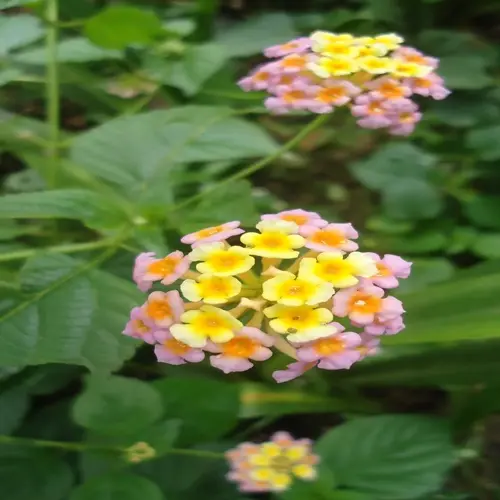

Yes, lantana poisonous to humans is a real concern you should take seriously. The unripe green berries are toxic if you eat them. The rough leaves can irritate your skin on contact. NC State Extension rates the danger at medium severity, so you need to be careful but don't need to panic.
I started wearing thick gloves every time I prune my lantana after reading about the skin risk. In my experience, the rash comes on fast if you handle the stems bare-handed for more than a few minutes. My neighbor's young daughter once grabbed a handful of the bright berries thinking they were candy. We caught her in time, but that scare made me move all my lantana away from the play area.
The toxins in lantana are called lantadene A and B. You'll find them in the green berries and the leaves. If you eat a large amount of unripe berries, these toxins can cause nausea and vomiting. In bad cases, they can harm your liver. Adults rarely eat enough to get sick. But your kids face a much bigger risk because their small bodies react to fewer berries.
The lantana toxic berries pose the greatest threat when they're still green. Ripe black berries hold lower toxin levels, but you still shouldn't eat them. Birds digest the berries just fine, which is how lantana seeds spread. But for you, your family, and your pets, every stage of the berry carries risk. NC State lists dogs, cats, cattle, sheep, horses, and goats as at-risk species too.
Unripe Green Berries
- Danger level: Highest toxin load of any plant part, with enough lantadene A and B to make your child sick from a small handful.
- Symptoms if eaten: You may see nausea, vomiting, and belly pain within 2-6 hours after someone swallows them.
- Worst cases: Liver damage and weakness can set in if you don't get medical help after a large amount is eaten.
Leaves and Stems
- Contact risk: The rough leaf texture rubs your skin raw and irritant oils cause redness, itching, and a rash.
- If eaten: Chewing leaves can upset your stomach, though people almost never eat the foliage on purpose.
- How long it lasts: Your skin reaction should clear up in 1-3 days after you wash the area with soap and water.
Ripe Black Berries
- Lower risk: Ripe berries hold less toxin than green ones but you should still keep them away from your mouth.
- Less tempting: The dark color draws less attention from your kids than the bright green and red unripe ones do.
- Bird safe only: Birds eat lantana berries without harm, but that does not mean they're safe for you or your pets.
For lantana safety children, you need a hands-on approach. Place your lantana containers and beds far from swing sets and sandboxes. Teach your kids one simple rule: never eat any berry from the garden without asking you first. This habit keeps them safe from lantana and dozens of other plants in your yard.
Your best move is planting sterile types like Bloomify Red or Bloomify Rose that grow no viable berries at all. You get the same bright flowers and drought tolerance without the fruit that creates the biggest risk. Wear gloves when you prune, and your lantana becomes much safer for your whole family.
You don't have to give up on lantana just because it carries some risk. Smart plant choices and simple habits keep you and your kids safe. Pick sterile types, move pots away from play areas, and always keep your gloves nearby. With these steps, you can enjoy lantana's color and beauty in your garden without worry.
Read the full article: Lantana Flowers: Colors, Care and Varieties