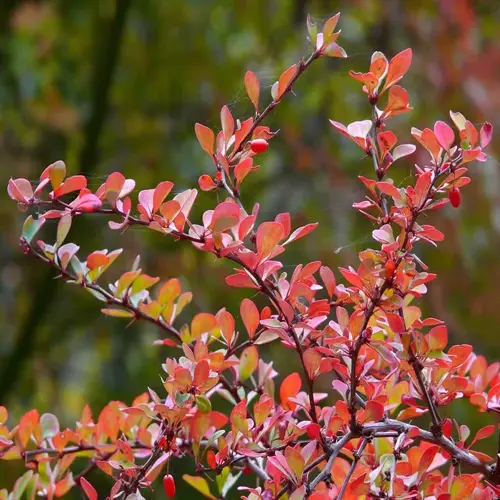

Yes, japanese yew toxic to dogs is a real and deadly threat that every pet owner should know about. Cornell's Department of Animal Science puts the lethal dose at just 30 grams for a dog. That's about a small handful of needles or a few chewed twigs. Every part of the plant except the soft red berry flesh contains taxine alkaloids that can stop your dog's heart.
In my experience, most dog owners have no idea how dangerous yew is until a scare happens. A friend of mine saw her Lab chewing on yew branches that blew over from the neighbor's hedge. She ran outside, pulled the branches away, and called her vet within two minutes. The vet told her to come in right away. Her dog was fine because he hadn't swallowed much. But that panic changed how she checks the yard before letting her dogs out each morning.
The poison in yew works fast on your dog's heart. Taxine alkaloids pass through the gut and reach the heart muscle within minutes. Once there, they block the calcium channels that keep the heartbeat steady. Your dog's heart rhythm breaks down and turns chaotic. Cardiac arrest can follow in 1 to 3 hours after eating the plant. No proven antidote exists for this poison, so speed is everything.
Cornell's data should alarm you. The lethal dose sits at about 0.1% of your dog's body weight. A 50-pound dog needs less than an ounce of yew to face a fatal outcome. Puppies and small breeds face even higher risk because the threshold is so low. Your dog doesn't need to eat a big pile of needles. A few twigs can be enough to cause a crisis.
You need to know the yew poisoning dogs symptoms so you can act fast. Watch for sudden trembling, drooling, and belly pain in the early stage. As the toxins reach the heart, you'll see hard breathing and a slow pulse. Your dog may lose balance and stumble. Seizures and sudden collapse can follow without much warning. If you see any of these signs after your dog was near a yew, treat it as a life or death moment.
Japanese yew pet safety starts with keeping your dog away from the plant at all times. Fence off any yew hedges or shrubs in your yard with barriers your dog can't jump or dig past. After you prune, pick up every last clipping from the ground. Dried yew is just as toxic as fresh branches. Never leave a pile of trimmings where your dog can sniff around.
When I first learned how toxic yew is to dogs, I helped two clients remove yew hedges from their fenced backyards. Both had active dogs that loved to chew on sticks and branches. We replaced the yew with arborvitae, which gave them the same green privacy screen without the poison risk. That swap cost a few hundred dollars but gave them real peace of mind.
If you think your dog ate any part of a yew, drive to a vet emergency clinic right away. Don't wait to see if symptoms show up first. Bring a sample of the plant so the vet knows what to treat. Every minute you wait gives the poison more time to reach your dog's heart.
Talk to your neighbors about their yew plants too. Branches that hang over your fence or clippings that blow into your yard put your dog at risk even if you don't own a single yew yourself. A quick chat about safe pruning habits protects both properties. Your dog counts on you to keep its world safe, and knowing the risks around yew is one of the best things you can do as a pet owner.
Read the full article: Japanese Yew: Complete Growing Guide