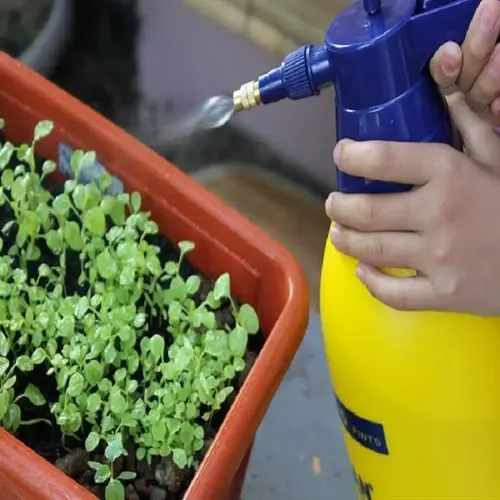

The calcium transport mechanism that prevents blossom end rot from occurring is maintained by knowing how often to water plants. Inconsistent moisture causes an interruption in the calcium flow to developing fruit. I learned this the hard way, losing half my crop. Therefore, I recommend watering deeply and consistently to ensure that plants receive sufficient nutrients without interruption.
Water planting beds two or three times a week, giving each time an inch or more, preferably an inch and a half, of water. Use a rain gauge to measure it. Deep watering encourages the roots to grow deeper in their quest for moisture.
Container Plants
- Water daily in temperatures below 85°F (29°C)
- Water twice daily when above 85°F (29°C)
- Check moisture 2 inches deep before watering
Ground Plants
- Water 2-3 times weekly in moderate weather
- Increase to 4 times during heat waves
- Check moisture 3 inches deep before watering
Drip irrigation helps maintain steady soil moisture levels. Soaker hoses can deliver water directly to the plants' root zone. Both soaker hoses and drip irrigation systems can provide more steady moisture levels when compared to watering by hand. I installed my drip irrigation system after losing several plants due to drought stress.
Always check the soil moisture before watering to ensure optimal watering. Push your finger into the soil at least three inches deep, and water only if it feels dry. For planters and containers, lift the pots and note the weight of the soil. The lighter the soil, the more it needs watering; the heavier the soil, of course, can wait.
Straw or wood chips make great mulches because they can be piled three inches deep. The depth of this mulch helps keep soil temperatures lower and limits moisture loss from the soil. As your mulch decomposes, be sure to replenish it to a depth of three inches every month. Thick layers of mulch allowed my plants to endure a heat wave without significant damage.
Record your watering schedule and note the responses from your plants. Note weather changes and adjustments made. This helps refine your approach each season. Consistent moisture means healthy, rot-free tomatoes.
Read the full article: Prevent Blossom End Rot: Ultimate Garden Guide