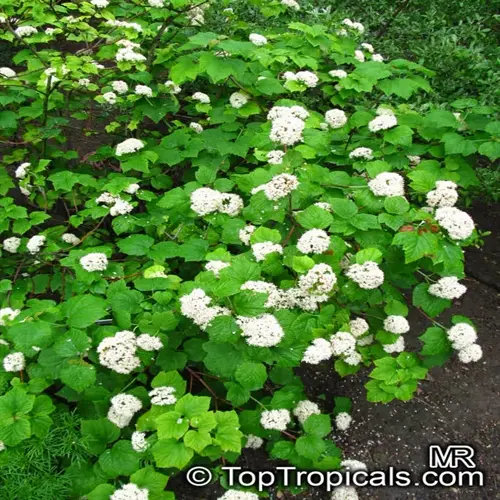

Your barberry shrub size depends on which type you plant. Most Japanese barberry cultivars reach 3 to 6 feet tall and 4 to 7 feet wide at full growth. Dwarf types stay much smaller, while large evergreen species can hit 10 feet in both height and spread. The range across all barberry species runs from just 1 foot to a full 10 feet tall.
I tracked several barberry types in my garden over four years. I wanted to see how the barberry height and spread matched the nursery tags. My Crimson Pygmy stayed right at 2 feet tall and 3 feet wide, just as the label said. A Rose Glow planted the same year shot past 5 feet and kept going. You can count on the dwarf types to stay small, but the standard growers will fill a bigger space than you might expect. Always leave extra room for those mid-size and large types to spread out. They tend to grow wider than tall and need that space to look their best.
Your soil and sun also affect how large your barberry gets. Plants in full sun with rich soil push more growth per year than ones stuck in shade. A barberry shrub size listed at 5 feet on the tag might only reach 3 feet in a spot with poor light and dry clay. Give your plant the best conditions and it will hit its full size faster.
The barberry growth rate changes a lot between species. Japanese barberry puts on 1 to 2 feet per year once it settles in, which Clemson Extension calls a medium pace. Wintergreen barberry grows slower at 12 to 18 inches per year. It spends energy keeping its leaves through winter instead of pushing new growth. Mentor barberry is the fastest of the common types at about 2 feet per year and fills in a hedge line quick.
Pick your barberry based on the space you need to fill. Dwarf types like Crimson Pygmy work great for low borders and edging along walkways. You get a neat, tidy look without much pruning. Mid-size growers like Rose Glow and Helmond Pillar make solid hedges when you space them 3 to 5 feet apart. They fill in within two seasons and form a dense, thorny wall. The thorns alone keep most people and animals from pushing through. You end up with a living fence that needs just one trim per year to stay neat and clean.
The barberry growth rate slows down once a plant reaches its full size. You'll see the most growth in the first 3 to 5 years after planting. After that, your barberry shifts its energy to filling out its shape and putting on thicker wood. An older plant still grows each year but adds just a few inches rather than a foot or more.
For a tall privacy screen, look at wintergreen barberry or Mentor barberry. These larger types block sightlines and keep their form year after year. In my experience, Mentor barberry gives you the fastest results. It grows about 2 feet per year and reaches hedge height within three seasons. Wintergreen takes longer to fill in but rewards you with evergreen leaves that stay on all winter long.
Always check the mature barberry shrub size on the plant tag before you buy. Give your barberry at least 2 extra feet of space beyond the listed spread so it has room to arch out. Crowding barberry against a wall or fence leads to thin, leggy growth on the blocked side. You want air to move around the whole plant for the healthiest shape. A little extra room now saves you from heavy pruning work down the road. Your barberry will thank you with a full, rounded form that looks great from every angle.
Read the full article: Barberry Shrub: Varieties, Care and Uses