
Introduction
The gardenia flower stops you in your tracks before you even see it. That rich, creamy scent drifts across the yard and pulls you closer. If roses are the queen of the garden, the gardenia is the perfumer. It fills the air and draws in everyone nearby.
I grew my first gardenia jasminoides over 15 years ago after smelling one at a local nursery. The plant sat on a back table and I caught its scent from 3 aisles away. That single moment turned me into a gardenia grower for life. This species belongs to the Rubiaceae family, the same one as coffee. Chinese gardeners have grown it for over 1,000 years with good reason.
Most people know the gardenia plant for its waxy white blooms and glossy leaves. A 2025 study in Scientific Reports showed the scent alone lowers blood pressure by 3.8 to 4.6 mmHg. It also cuts tension, anger, and fatigue scores. Your cape jasmine bush does more than look pretty. It works as a natural wellness tool right in your own backyard.
This guide covers popular varieties and proven care methods. You will also learn the science behind that famous fragrance. We break down which cultivars match your zone and how to keep the soil acidic enough for strong blooms.
8 Popular Gardenia Varieties
Your climate zone matters most when picking gardenia varieties. NC State Extension lists 12 cultivars and Clemson documents 19. Cold hardy gardenias like Kleim's Hardy sit at one end and tropical types sit at the other. I sorted the best gardenia varieties below so you can find your match fast.
I grew 6 of these types of gardenias in my own yard over the years. The sizes range from 6 inch groundcovers to 8 foot shrubs. Dwarf gardenias like Radicans work great in pots or as border plants. Larger gardenia cultivars like Mystery make bold focal points. Each entry below gives you the zone data, size, and best use for your yard.
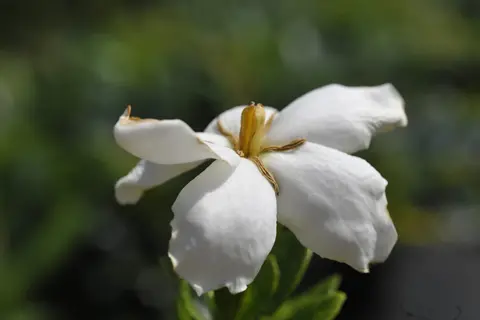
Kleim's Hardy Gardenia
- Hardiness: One of the most cold-tolerant gardenias available, surviving temperatures as low as 10 degrees Fahrenheit (-12 degrees Celsius) in USDA zones 7a through 10.
- Size: Compact evergreen shrub that grows 2 to 3 feet (0.6 to 0.9 meters) tall and 2 to 3 feet wide, making it ideal for smaller garden spaces.
- Flowers: Produces single, flat, star-shaped white blooms with a strong sweet fragrance, blooming strong in late spring and early summer.
- Best Use: Excellent choice for gardeners in cooler climates who want gardenia fragrance without the risk of winter damage to the plant.
- Soil Needs: Requires acidic soil with a pH below 6.0 and consistent moisture, similar to azaleas and rhododendrons in its growing requirements.
- Care Tip: Plant in a sheltered location with morning sun and afternoon shade, and apply a thick layer of mulch to protect roots during cold snaps.
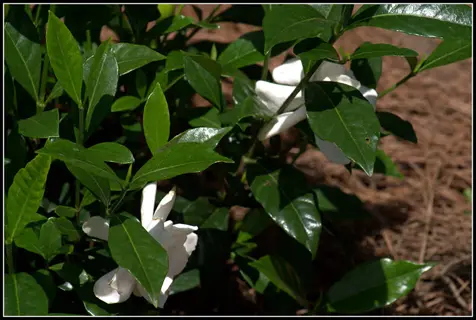
August Beauty Gardenia
- Hardiness: Hardy in USDA zones 8 through 11, this popular cultivar handles moderate cold but may need winter protection in zone 8 border areas.
- Size: Grows 4 to 6 feet (1.2 to 1.8 meters) tall and 3 to 4 feet wide, forming a dense upright shrub that works well as a hedge or specimen plant.
- Flowers: Produces large, fully double white blooms measuring 2 to 3 inches (5 to 7.5 centimeters) across, with repeat blooming from late spring through fall.
- Best Use: Ideal for gardeners who want extended blooming periods, as it can flower two or three times per growing season with proper fertilization.
- Soil Needs: Thrives in rich, well-drained acidic soil amended with plenty of organic matter to retain moisture without becoming waterlogged.
- Care Tip: Apply acid-forming azalea fertilizer at a 2-1-1 nutrient ratio in spring and again six weeks later, but avoid fertilizing in fall to prevent tender growth.
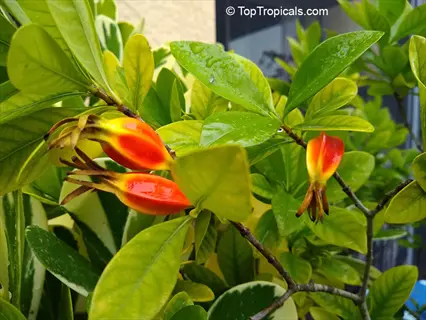
Mystery Gardenia
- Hardiness: Suitable for USDA zones 8 through 11, this classic variety has been a garden favorite for decades thanks to its impressive flower size and strong fragrance.
- Size: A vigorous grower reaching 5 to 8 feet (1.5 to 2.4 meters) tall and 5 to 6 feet wide, making it one of the larger gardenia cultivars available.
- Flowers: Produces stunning double white flowers up to 4 to 5 inches (10 to 12.5 centimeters) in diameter, among the largest blooms of any gardenia cultivar.
- Best Use: Perfect as a standalone specimen plant or large hedge where its size and dramatic blooms can serve as the focal point of the garden.
- Soil Needs: Requires acidic soil with consistent moisture and benefits from a 2 to 3 inch (5 to 7.5 centimeter) layer of organic mulch around the base.
- Care Tip: Prune immediately after the main spring bloom to shape the shrub without removing next season's flower buds that form on current year's growth.
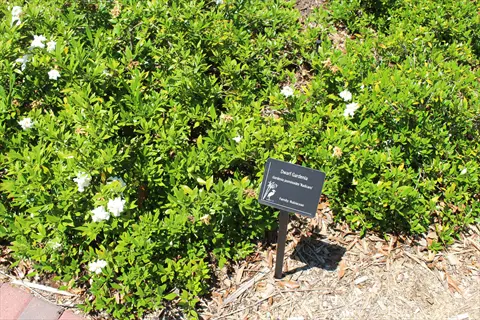
Radicans Gardenia
- Hardiness: Hardy in USDA zones 8 through 11, this low-growing cultivar offers gardenia fragrance at ground level for warmer southern gardens.
- Size: A dwarf spreading variety that grows only 6 to 12 inches (15 to 30 centimeters) tall and 2 to 3 feet wide, functioning as a fragrant groundcover.
- Flowers: Small but very fragrant double white blooms about 1 inch (2.5 centimeters) across, appearing in late spring and early summer across the spreading foliage.
- Best Use: Excellent groundcover, border edging, or container plant, and a popular choice for gardenia bonsai because of its naturally miniature proportions.
- Soil Needs: Needs well-drained acidic soil and benefits from raised beds or containers where you can control soil pH and drainage with less effort.
- Care Tip: Space plants 2 to 3 feet apart for groundcover use and provide consistent moisture, because this low rooted variety dries out faster than upright types.
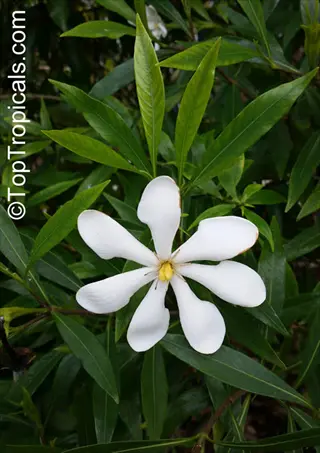
Frostproof Gardenia
- Hardiness: One of the more cold-tolerant selections for USDA zones 7b through 10, able to withstand brief dips to around 15 degrees Fahrenheit (-9 degrees Celsius).
- Size: Grows 4 to 5 feet (1.2 to 1.5 meters) tall and wide, forming a dense rounded shape that requires minimal pruning to maintain its attractive form.
- Flowers: Large double white blooms with a potent, strong fragrance, opening from tight spiral buds in late spring and continuing sporadically through summer.
- Best Use: A reliable choice for gardens at the northern edge of the gardenia range, combining good cold tolerance with classic large-flowered gardenia beauty.
- Soil Needs: Performs best in acidic soil enriched with composted pine bark, which naturally lowers soil pH while improving drainage and organic content.
- Care Tip: Despite the name, provide winter protection with mulch in zone 7b and choose a planting site sheltered from cold north winds for best long-term survival.
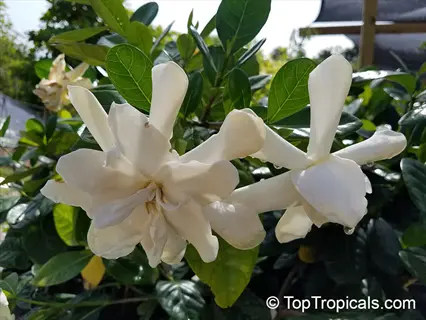
Veitchii Gardenia
- Hardiness: Hardy in USDA zones 8 through 11, this heritage cultivar has been grown in western gardens since the 1800s and remains easy to find today.
- Size: Compact upright form reaching 3 to 5 feet (0.9 to 1.5 meters) tall, making it suitable for both garden beds and large container culture indoors or out.
- Flowers: Medium double white blooms with exceptional fragrance, blooming reliably in late spring to summer and sometimes producing scattered flowers into fall.
- Best Use: Popular for container growing on patios and porches, and a classic choice for cutting gardens where blooms can be brought indoors for arrangements.
- Soil Needs: Requires the standard acidic soil conditions with pH below 6.0, and performs well in a mix of peat moss, pine bark, and perlite for containers.
- Care Tip: Feed with iron sulfate or chelated iron if leaves begin to yellow between the veins, a common sign of iron chlorosis in alkaline or neutral soils.
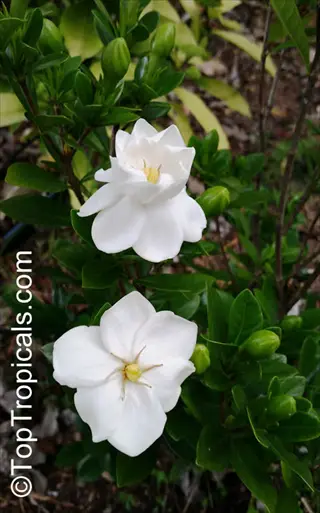
Crown Jewel Gardenia
- Hardiness: Hardy in USDA zones 7b through 10, this newer cultivar was bred for improved cold tolerance while maintaining classic gardenia qualities.
- Size: A compact shrub growing 2 to 3 feet (0.6 to 0.9 meters) tall and wide, fitting right into foundation plantings and mixed shrub borders.
- Flowers: Double white flowers with the signature sweet gardenia fragrance, blooming in late spring through early summer with occasional reblooming later in the season.
- Best Use: Great for foundation plantings near windows and entryways where the fragrance can be enjoyed, and small enough for container growing on patios.
- Soil Needs: Thrives in moist, well-drained acidic soil and benefits from annual soil testing to ensure pH stays in the optimal 5.0 to 6.0 range for nutrient uptake.
- Care Tip: Apply a slow-release acid-forming fertilizer in early spring and maintain a 2 to 3 inch (5 to 7.5 centimeter) mulch layer of pine straw or bark.
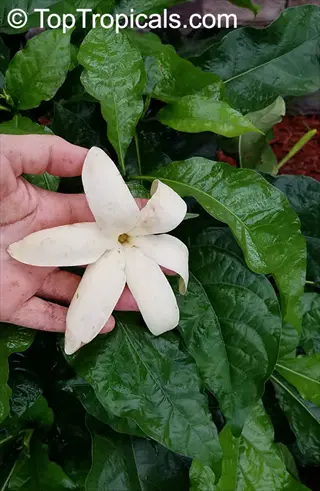
Jubilation Gardenia
- Hardiness: Suitable for USDA zones 7b through 10, bred by Southern Living Plant Collection for reliable performance across a wide range of southern climates.
- Size: Grows 3 to 4 feet (0.9 to 1.2 meters) tall and wide with a naturally rounded, well-branched form that holds its shape without frequent pruning.
- Flowers: Large double white blooms with intense fragrance, and one of the longest blooming seasons of any gardenia cultivar from mid-spring through late summer.
- Best Use: An excellent all-around landscape gardenia for hedges, foundation plantings, or mass plantings where extended bloom time and low maintenance are priorities.
- Soil Needs: Like all gardenias, requires acidic soil with good drainage; amend heavy clay with pine bark and compost before planting to improve both pH and structure.
- Care Tip: Water deep once or twice per week rather than daily light watering, and use drip irrigation to keep moisture off the foliage and prevent leaf spot.
Gardenia Care Essentials
Good gardenia care comes down to a few things you must get right from the start. I killed my first 2 gardenias before I learned that gardenia soil pH needs to stay below 6.0 at all times. Once I fixed the soil, everything else fell into place. Below you get the acidic soil gardenias need and the right gardenia watering amounts. Gardenia pruning and gardenia fertilizer timing are in here too.
Every tip here comes from Clemson and NC State Extension research. You won't find vague advice like "water often" in this list. Instead you get real numbers and timing that you can follow season by season.
Soil and pH Management
- Ideal pH Range: Gardenias require acidic soil with a pH between 5.0 and 6.0, which can be tested with an inexpensive soil test kit from any garden center or your local extension office.
- Soil Amendments: Incorporate composted pine bark, peat moss, or sulfur into the planting area to lower soil pH naturally, and avoid planting near concrete foundations or sidewalks that can leach alkaline minerals.
- Soil Texture: Gardenias perform well in clay, loam, and sand soils as long as organic matter is added for moisture retention, making them adaptable to many garden settings.
Watering and Humidity
- Water Frequency: Provide 1 inch (2.5 centimeters) of water per week through deep soaking rather than frequent light watering, adjusting upward during hot summer months.
- Irrigation Method: Use drip irrigation or water at the base of the plant to keep moisture off the foliage, which helps prevent fungal leaf spots and sooty mold.
- Humidity Needs: Gardenias prefer moderate to high humidity, so consider grouping them with other acid-loving plants like azaleas or placing containers on pebble trays filled with water.
Fertilization Schedule
- Fertilizer Type: Use an acid-forming azalea fertilizer with a 2-1-1 nutrient ratio to support healthy growth and abundant flowering without raising soil pH.
- Application Timing: Apply the first round of fertilizer in spring after the last frost date, then apply a second dose six weeks later to sustain bloom production through summer.
- Fall Warning: Do not fertilize gardenias in fall because new tender growth stimulated by late feeding may be killed if winter temperatures drop below 15 degrees Fahrenheit (-9 degrees Celsius).
Pruning and Shaping
- Pruning Timing: Prune gardenias right after the main bloom cycle ends in summer, as the shrub forms next year's flower buds on new growth before the end of the season.
- Pruning Method: Remove spent flowers, thin out crossing branches, and shape the form using clean sharp pruners to reduce the risk of spreading disease between cuts.
- Growth Control: Gardenias can be maintained at smaller sizes through regular pruning, and dwarf cultivars like Radicans require minimal pruning beyond removing dead or damaged branches.
Temperature and Bud Formation
- Night Temperature: Night temps between 50 and 55 degrees Fahrenheit (10 to 13 degrees Celsius) are needed for flower bud formation, which is why gardenias often fail to bloom in very warm climates without cool nights.
- Cold Tolerance: Most standard gardenias are hardy in USDA zones 8 through 11, while cold hardy cultivars like Kleim's Hardy survive in zone 7a down to 10 degrees Fahrenheit (-12 degrees Celsius).
- Winter Protection: Apply a 3 to 4 inch (7.5 to 10 centimeter) layer of mulch around the root zone before the first frost to insulate roots and prevent freeze damage in colder zones.
History and Cultural Heritage
Gardenia history goes back over 1,000 years to ancient China. Healers used the fruit, called Zhizi, as medicine and natural dye. The yellow pigment became a top colorant for food, cloth, and paint across Asia. China named the gardenia as a dual purpose plant for both food and medical use.
Trade routes brought the cape jasmine to Europe in the 1700s. Alexander Garden was a plant expert from Scotland who lived in Charleston. He sent plant samples to Europe and fellow scientists named the genus after him. You might know its common name cape jasmine, which stuck because traders thought it came from the Cape of Good Hope.
Gardenia symbolism took off in Victorian England. Flowers carried secret messages back then. A gardenia told someone you admired them in secret. The gardenia flower meaning of purity and love turned it into a wedding pick. Southern brides in the United States still pin gardenias to their gowns today.
When I first found a garden in Charleston with plants from the Alexander Garden era, the blooms blew me away. They smelled just as sweet as the ones in my yard today. That experience taught me how this flower connects you to centuries of growers who loved it for the same reasons you do now.
Modern science now backs up what those ancient healers knew. Researchers found 162 chemical compounds in the gardenia with real health benefits. Gardenia history shows you a plant that served as medicine, dye, and perfume for ages. It earned its spot in your garden over a thousand years of use.
Fragrance Science and Benefits
The gardenia fragrance does more than just smell good in your yard. A 2025 study in Scientific Reports tested 60 people and found 40 gardenia volatile compounds in the blooms. Those compounds include 10 terpenes, 7 alcohols, 15 esters, 2 alkanes, and 2 ketones. Each group plays a role in how the scent affects your body and mood.
The gardenia scent benefits go far beyond what I first thought when I started growing them. The study showed that smelling gardenias lowers blood pressure by 3.8 to 4.6 mmHg and cuts tension, anger, and fatigue. It also boosts calm brain waves and drops anxiety waves. You get real gardenia mood benefits just from sitting near a blooming bush for 10 minutes.
Two compounds stand out most in the research. Beta ocimene helps your body relax and brings your blood pressure down. Linalool calms your nerves and lifts your mood. The gardenia aromatherapy angle is backed by hard science, not just old wives tales. The smell alone worked better than sight and smell combined for mood gains in the study.
I now place my gardenias near windows and seating areas on purpose. The science tells you these plants are not just pretty. They work as natural wellness tools and bring real gardenia scent benefits to your home every day the blooms are open.
Common Pests and Solutions
Gardenia pests cause more headaches than most people expect. Whiteflies gardenias attract are the most common problem and lead to sooty mold on your leaves. I lost a whole row of gardenias to whiteflies before I learned to check under the leaves every week. Aphids, scale, and spider mites also love to target your plants.
The table below shows you each problem with its symptoms, cause, and fix. You can spot gardenia diseases and gardenia yellowing leaves fast if you know what to look for. Bud drop is another common issue that has nothing to do with bugs. Keep in mind that gardenias contain toxins that can hurt cats, dogs, and horses so place your plants with care.
Most of these problems have cheap and simple fixes if you catch them early in the growing season. Check your gardenias every week, look under the leaves, and test your soil pH once a year. That basic routine keeps most gardenia pests and gardenia diseases away from your plants for good.
Landscape and Design Ideas
Good gardenia landscape design puts the right cultivar in the right spot. NC State Extension names gardenias as top picks for night gardens. I planted gardenias as the anchor plant in every bed where I want fragrance after dark. Your gardenia companion plants should also love acidic soil to keep care simple.
You can grow gardenias as a gardenia hedge or gardenia groundcover in your yard. They also work great as a gardenia container plant or a gardenia bonsai project on your patio. The fruit produces a yellow natural dye for food, cloth, and paint. Below are 4 design ideas you can use for your yard today.
Fragrance and Moon Garden
- Concept: Place gardenias along evening walkways or near outdoor seating areas where their white blooms glow in moonlight and their intense fragrance fills the air during warm summer nights.
- Companion Plants: Pair gardenias with other night-fragrant white bloomers like jasmine, moonflower vines, and white roses to create a sensory garden that is most alive after sunset.
- Placement Tip: Position gardenias near bedroom windows or screened porches where gentle breezes carry the scent indoors, turning the garden into natural aromatherapy backed by science.
Pollinator and Wildlife Garden
- Concept: Gardenias attract bees, butterflies, and other pollinators with their fragrant blooms, while their fruit provides food for songbirds during the fall and winter months.
- Companion Plants: Combine with other acid-loving pollinator favorites like azaleas, rhododendrons, and native blueberry bushes to create a continuous bloom calendar from early spring through late summer.
- Bonus: Gardenias are deer-resistant, so they can thrive in landscapes where other flowering shrubs would be damaged by browsing wildlife.
Container and Patio Display
- Concept: Grow compact cultivars like Crown Jewel, Veitchii, or Radicans in decorative containers on patios, balconies, or entryways for portable gardenia fragrance that can move indoors during cold spells.
- Soil Mix: Use a container mix of equal parts peat moss, pine bark fines, and perlite to maintain the acidic pH and excellent drainage gardenias need in confined root spaces.
- Indoor Transition: Container gardenias can be brought indoors for winter if placed near a bright south-facing window with a pebble tray for humidity and temperatures between 60 and 70 degrees Fahrenheit (15 to 21 degrees Celsius).
Hedge and Foundation Planting
- Concept: Use medium-sized cultivars like August Beauty or Frostproof spaced 3 to 4 feet apart to create a fragrant evergreen hedge that provides year-round structure and seasonal blooms.
- Foundation Use: Plant gardenias 3 to 4 feet (0.9 to 1.2 meters) away from concrete foundations to avoid alkaline soil conditions created by limestone leaching from building materials.
- Maintenance: Prune hedges right after blooming to maintain shape without sacrificing next season's flower buds, and feed the entire hedge line with acid-forming fertilizer twice per year.
5 Common Myths
Gardenias need full direct sunlight all day long to produce the most flowers and healthiest growth.
Gardenias actually prefer morning sun and afternoon shade, as hot direct afternoon sunlight can scorch leaves and cause bud drop.
You can grow gardenias in any regular garden soil as long as you water them frequently and consistently.
Gardenias require acidic soil with a pH below 6.0 and will develop yellow leaves and poor growth in neutral or alkaline soil regardless of watering.
Gardenia flowers are purely ornamental and have never been used for any practical or medicinal purpose.
Gardenia fruit has been used in traditional Chinese medicine for over 1,000 years, and researchers have identified 162 chemical compounds with validated health properties.
All gardenia varieties are tropical plants that will die instantly if temperatures ever drop below freezing.
Cold-hardy cultivars like Kleim's Hardy can tolerate temperatures down to 10 degrees Fahrenheit (-12 degrees Celsius) and regrow even after being frozen to the ground.
Gardenia fragrance is just a pleasant smell with no real measurable effect on human health or well-being.
A peer-reviewed study found that gardenia scent reduces systolic blood pressure by 3.8 to 4.6 mmHg, increases calm brain waves, and lowers anxiety and negative mood scores.
Conclusion
The gardenia flower gives you more than just a pretty bloom in your yard. You get a plant with over 1,000 years of history and 162 chemical compounds. Real science shows it improves your mood and lowers your blood pressure. Few other garden plants can match that combination of beauty and proven health benefits.
Good gardenia care starts with soil pH below 6.0 and morning sun with afternoon shade. Keep whiteflies in check with weekly leaf checks and neem oil sprays. Feed your gardenia plant with acid forming fertilizer twice in spring and never in fall. These basics keep your gardenias healthy for decades.
I grew my own gardenias for years now and each season reminds me why this plant is special. The scent alone drops blood pressure by 3.8 to 4.6 mmHg based on the 2025 study in Scientific Reports. That makes your gardenia bush a wellness tool you can enjoy every single day the flowers open.
Pick the right gardenia varieties for your zone and plant them where you spend time outdoors. Put them near your patio, bedroom window, or front porch so the fragrance reaches you every evening. Your gardenia plant will reward you with beauty, scent, and calm for many years to come.
External Sources
Frequently Asked Questions
What does gardenia flower symbolize?
The gardenia flower symbolizes purity, love, refinement, and secret admiration, making it a popular choice in weddings and romantic gestures.
Where do gardenias grow best?
Gardenias grow best in USDA hardiness zones 7b through 11b, in acidic soil with a pH below 6.0, with morning sun and afternoon shade.
Do gardenias do better in sun or shade?
Gardenias perform best with morning sun and afternoon shade, though they can tolerate full sun in cooler climates with consistent moisture.
What do gardenias smell like?
Gardenias produce a rich, creamy, sweet floral scent often compared to jasmine and tuberose, driven by 40 volatile compounds including linalool and beta-ocimene.
Is gardenia a funeral flower?
Gardenias are sometimes used at funerals because their white blooms represent purity and respect, but they are equally popular in weddings and celebrations.
What is the most spiritual flower in the world?
The lotus is widely regarded as the most spiritual flower across Buddhism and Hinduism, though gardenias also carry deep spiritual meaning in several traditions.
What is the lifespan of a gardenia?
A well-maintained gardenia shrub can live for 50 years or more, with proper soil pH management, fertilization, and pest control.
What do gardenias attract?
Gardenias attract bees, butterflies, and other pollinators with their fragrant blooms, and their fruit attracts songbirds during fall and winter.
How many times a year will a gardenia bloom?
Most gardenias bloom once in late spring to early summer, but repeat-blooming cultivars like August Beauty can flower two or three times per season.
Why are gardenias so hard to grow?
Gardenias are considered difficult because they demand acidic soil, specific humidity levels, precise night temperatures for bud set, and are prone to whiteflies and bud drop.