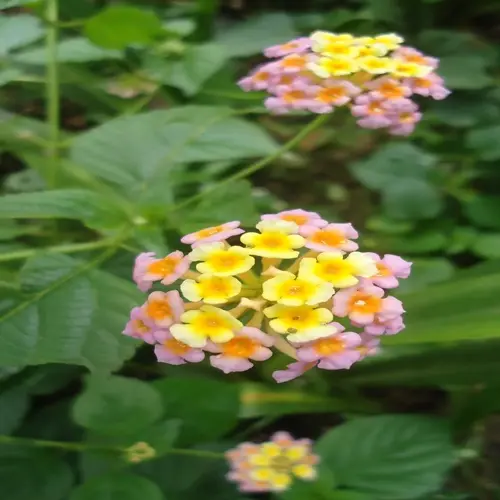

When you ask about lantana sun or shade, the answer is clear. Pick the sunniest spot in your yard. This plant needs a minimum of six hours of direct sun each day to bloom well. Give it eight or more hours and you'll get even better results.
I tested this myself by planting two identical lantana from the same nursery flat. One went into a south-facing bed that bakes in lantana full sun all day long. The other landed under a large oak tree that blocks the afternoon light. By mid-July, the sunny plant had grown three to four times more flower clusters than its shaded twin.
The shade plant grew tall and leggy with sparse blooms. The sunny one stayed compact and packed with color. I even counted the flower heads one morning and found 47 clusters on the sunny plant versus just 12 on the shaded one. That test told me all I needed to know.
Lantana grew wild in open, sunny tropical areas. Those habitats get strong sun with little tree cover. The plant's bloom cycle needs bright light to keep making flowers all season long. When light drops too low, the plant shifts energy into leaf growth instead. That's why shaded lantana often looks green and healthy but barely blooms.
I saw this same pattern at a friend's house where her shaded lantana grew huge but had almost no flowers. She moved it to a sunny deck railing and the blooms came back within three weeks. The change was striking and proved that sun is the single biggest factor for lantana flower output.
NC State Extension says you need 6+ hours of full sun as the starting point. UMN Extension goes further and suggests 8+ hours for the best blooms and health. Shade causes more than just fewer flowers. It also traps moisture on the leaves. That extra dampness raises the chance of powdery mildew and other fungal problems.
Meeting your lantana light requirements starts with checking how much sun your spot gets. Use a phone timer or sun tracker app to log direct light from sunrise to sunset on a summer day. Don't test in winter or spring because the sun sits lower and angles change. A spot that seems bright in March might be shaded by trees once the leaves fill in by June.
If your best open area gets between four and six hours of direct sun, your lantana will survive but won't put on a full show. Expect fewer blooms and leggier stems. Below four hours of sun, skip lantana and pick a shade-loving bloomer like begonias or impatiens instead.
In my experience, morning sun works better than afternoon sun for lantana in hot southern climates. The morning light gives the plant what it needs while the hottest afternoon rays don't scorch the blooms. But in cooler northern areas, you want all the afternoon sun you can get to boost heat levels around the plant.
For maximum flowers, plant lantana along south or west-facing walls where reflected heat adds extra warmth. These hot spots copy the warm conditions lantana loves. Match the right spot with fast-draining soil and light watering. Your lantana will pump out nonstop color from late spring through the first frost of fall.
You can also boost sun exposure by pruning tree branches that cast shade over your lantana during peak hours. Even adding one or two extra hours of direct light can make a big difference in bloom count. Think of sunlight as free fertilizer for your lantana. The more you give it, the more flowers you get back.
Read the full article: Lantana Flowers: Colors, Care and Varieties