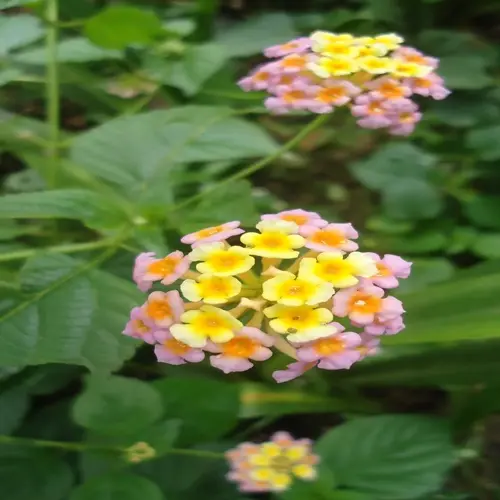

Yes, lantana flower spread is a real issue with fertile types. Birds carry seeds from ripe berries to new spots in your yard and beyond. At the same time, the root system pushes outward to claim more ground each year. This two-way spread makes fertile lantana one of the most pushy garden plants you can grow.
I found out how far lantana seeds travel when seedlings popped up in my side yard mulch bed. They were about twenty feet from the parent plant along my back fence. At first I thought some weed had taken root there. But the leaf shape gave it away. Birds had eaten the ripe berries and dropped the seeds in their waste. In my experience, I pulled more than a dozen baby lantana plants from spots I never planted them within three months.
The IUCN data shows why this plant is lantana invasive on a world scale. Pollinated flowers make berries at an 85% rate with about 8 fruits per cluster. A single healthy plant can pump out thousands of seeds each season. When birds eat those berries, their gut strips away the soft pulp. That boosts the seed sprout rate from just 4-20% up to 46%. Birds turn into the perfect seed taxi for lantana.
The IUCN ranks lantana among the 100 worst invasive species on the planet. Roughly 650 types now grow across more than 60 countries. Many of those spots never had lantana before people brought it in as a garden plant. Dense stands choke out native plants and block forest recovery. You should think about this before you plant any fertile type in your yard.
Plant breeders at UF/IFAS built a fix for this problem. They created sterile lantana varieties that make no viable seeds at all. You get the same bright flowers and drought toughness without any risk of spread. Bloomify Red, Bloomify Rose, and Luscious Royale Red Zone are three tested options that won't escape your garden beds.
If you already grow a fertile type, cut off the spent flower heads before berries turn ripe. Check your plants every week during peak bloom season. Snip any clusters where you see green berries starting to form. This won't stop root spread but it cuts off the main way lantana flower spread happens through bird-carried seeds.
Switching to sterile types is your smartest long-term move. You keep the color, the butterflies, and the easy care. But you stop adding to the spread problem in your area. Your local garden center should stock at least one sterile option. If not, you can order them online and have them shipped to your door.
Read the full article: Lantana Flowers: Colors, Care and Varieties