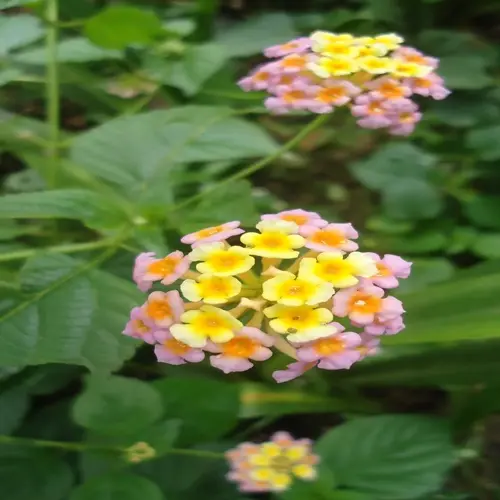

Yes, lantana come back every year in USDA Zones 9 through 11 where winters stay mild. In Zone 8, they sometimes return after a gentle cold season. Gardeners in cooler spots treat lantana as a warm-season annual that dies with the first hard frost.
I got a nice surprise my second spring in Zone 8b when I walked past what I thought was a dead lantana stump. Tiny green shoots were pushing up from the base. The top growth had turned brown and crispy after a December frost. But the roots held on through a mild winter underground. By mid-June that plant stood three feet tall and was covered in flowers again.
That experience taught me that lantana is tougher than it looks below ground. I now treat it as a plant worth saving each year rather than a throwaway annual. In my experience, even plants that look gone can bounce back once the soil warms up.
So is lantana annual or perennial? The honest answer is both. Plant experts call it a tender perennial. Its roots can make it through winter as long as the soil stays above 28°F (-2°C). Once the ground freezes harder than that, the roots die and the plant won't return. Top growth is even weaker and gets killed by the first frost no matter where you live.
NC State Extension lists lantana as hardy in USDA Zones 7a through 11b. But survival in Zone 7 demands a tough cultivar like Miss Huff. Standard garden types do best in Zones 9 and warmer where frost events are rare and short. Your lantana hardiness zones tell you whether to plant in the ground or keep pots for easy winter storage.
If you garden in Zones 7 and below, growing lantana in pots gives you the best chance at keeping it alive. Cut the plant back to 6-8 inches before the first frost and move the pot to a cool spot like an unheated garage. UMN Extension says the ideal storage range is 50-60°F (10-15°C). Water the pot about once a month so the soil doesn't dry into a brick. Too little water kills more stored lantana than cold does.
Spring timing matters just as much as your winter prep. Don't move your lantana outside until the soil warms to 60°F (15.5°C) and all frost risk has passed. Rushing the move undoes all your work. Start watering more once you see new green growth appear. Your plant should bounce back to full size within a few weeks of warm weather and give you another full season of blooms.
Treat your lantana like a long-term garden friend that needs a little help in cold spots. A few minutes of winter prep saves you the cost of buying new plants every spring. I've kept the same lantana alive for three winters now in my garage. It gets bigger and better each season. The effort is small and the reward is a free, full-grown plant every spring.
Read the full article: Lantana Flowers: Colors, Care and Varieties