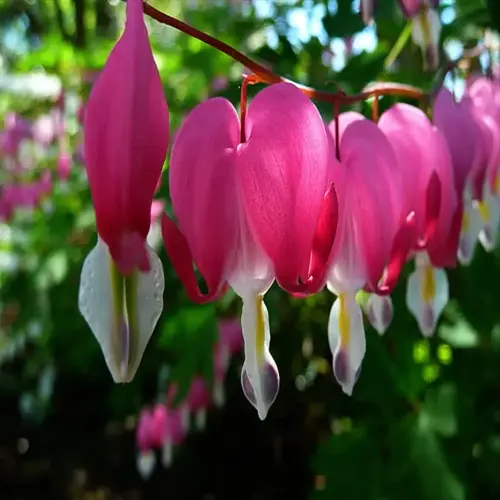

The bleeding heart lifespan stretches a decade or longer when you give your plant good growing conditions. These perennials don't have a set end date like annuals do. A single plant can flower for ten to twenty years in the right spot. With regular care, your bleeding heart can outlast most other plants in your shade garden.
My grandmother planted a bleeding heart near her back porch in the early 1990s. That same plant still blooms in that spot today. How long do bleeding hearts live in practice? In her case, the answer is over thirty years and counting. She divided the clump every few years and shared pieces with neighbors. In my experience, her original plant now grows in six different yards on her street because of those divisions.
Your bleeding heart stays strong through a network of thick roots called rhizomes. These store energy and spread outward each year. As your clump grows, the center gets crowded and woody. Old roots in the middle stop making strong shoots. The outer edges keep pushing fresh growth. Cutting the clump apart every 3-5 years removes the tired center. This gives your healthy outer pieces room to thrive on their own.
UW-Madison Extension notes that bleeding hearts spread through both root growth and self-seeding. When you give the plant what it needs, it can carry on for decades on its own. Seedlings pop up near the mother plant and grow into new clumps. These take over after the original ages out. Your bleeding heart lifespan extends through this natural cycle. A single patch can fill the same bed for years even as old plants fade and new ones take their place.
Divide Clumps On Schedule
- Timing: Divide in early spring when you see the first red shoots, before your plant puts energy into leaves and flowers.
- Method: Dig up the whole clump and split it into 3-4 pieces with a sharp knife, then replant each piece at the same depth.
- Frequency: Every 3-5 years works best since waiting longer leads to crowding and weaker blooms each spring.
Feed and Mulch Each Year
- Spring feeding: Give your plant a slow-release fertilizer when new growth starts to fuel strong stems and peak flower output.
- Mulch layer: Keep 2-3 inches (5-7.5 cm) of organic mulch over your root zone to hold moisture and add nutrients as it breaks down.
- Fall cleanup: Remove yellow foliage after it dies to stop fungal issues from building up near your plant's crown area.
Manage Growing Conditions
- Light control: Partial shade with morning sun gives you the longest bloom and prevents heat stress that shortens your plant's life.
- Soil health: Add compost to your soil each year to keep it rich and well-drained for strong long-term root growth.
- Water balance: Keep your soil moist but not soggy since root rot from too much water kills more plants than old age does.
Bleeding heart plant longevity depends on how well you prevent common problems. Crown rot from soggy soil is the top killer. Crowded roots that you never divide make fewer flowers each year. Hot afternoon sun burns your foliage and forces early dormancy. Each of these problems drains stored energy from the roots over time. Stay on top of them and your plant will reward you for years.
Divide your clumps on schedule and share extra pieces with friends. Each piece is a copy of the parent plant. So your original bleeding heart lives on through every piece you pass along. That's the real secret to a plant that lasts a lifetime and then some. You'll see your grandmother's flowers bloom in yards across the neighborhood.
Read the full article: Bleeding Heart Plant Care and Growing Guide