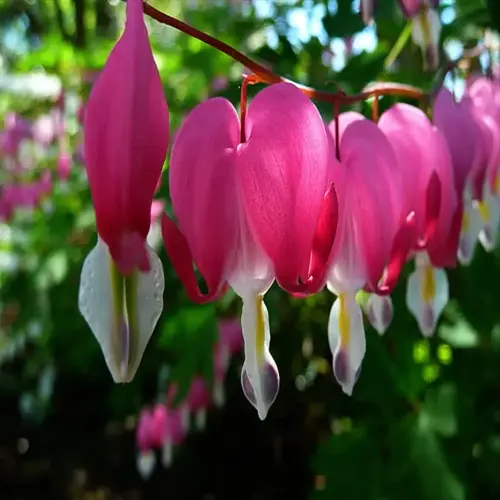

Yes, bleeding hearts grow in pots and can give you gorgeous spring flowers on any patio or porch. You need a large container, well-draining soil, and steady moisture. Pots give you extra control over light and weather. You can move your plant to follow the shade or bring it inside when a frost hits.
I started growing a bleeding heart in a big ceramic pot on my back patio five years ago. The plant flowered great that first spring. But I nearly lost it by midsummer because the pot dried out fast. Containers lose moisture quicker than garden beds. I had to water every other day during warm spells to keep the soil damp. Once I figured out the rhythm, my plant settled in. It has come back strong every year since then.
For bleeding heart container gardening, start with a pot that measures at least 12 inches (30 cm) wide and 12 inches deep. Bleeding heart roots spread out and need room to grow without getting cramped. Make sure the pot has drainage holes in the bottom since sitting water will rot the rhizomes fast. Fill the container with a mix of equal parts compost, peat moss, and perlite. This blend holds enough moisture to keep roots happy while draining excess water away from the root zone.
NC State Extension says you can force bleeding hearts to bloom for Valentine's Day. Bring your dormant pot into a cool, bright room in late winter. This trick works great if you store your pots in a cold garage during dormancy. Move the pot six to eight weeks before you want flowers. Start watering more and the plant will wake up on your schedule. You don't have to wait for spring to see those heart-shaped blooms.
Pot Selection and Setup
- Minimum size: Choose a container at least 12 inches (30 cm) in both width and depth to give the rhizome system room to spread.
- Material choice: Glazed ceramic or thick plastic pots hold moisture better than terracotta, which dries out fast in warm weather.
- Drainage must-have: Ensure at least 2-3 drainage holes in the bottom and add a layer of gravel before filling with soil mix.
Soil Mix and Feeding
- Base recipe: Mix equal parts compost, peat moss, and perlite for a blend that retains moisture while allowing excess water to escape.
- Fertilizer timing: Apply a balanced 10-10-10 liquid fertilizer once a month during the growing season from April through June only.
- Top dressing: Add a thin layer of fresh compost each spring to replenish nutrients the plant used during the previous blooming cycle.
Winter Protection Plan
- Cold zone storage: Move pots to an unheated garage or shed in Zones 5 and below once the foliage dies back in late summer.
- Moisture during rest: Keep the soil barely damp with a light watering once a month to prevent rhizomes from drying out or rotting.
- Spring transition: Bring pots back outside after the last hard frost and resume regular watering as new shoots appear above the soil.
Potted bleeding heart care comes down to consistent watering and smart placement. Set your container where it gets morning sun and afternoon shade for the longest bloom window. Check the soil every day during warm weather by sticking your finger 2 inches (5 cm) into the mix. If it feels dry at that depth, give the pot a deep soak until water runs from the drainage holes.
Move your container to an unheated garage or insulated spot for winter if you live in Zone 5 or colder. The pot itself won't insulate roots the way garden soil does, so exposed containers can freeze solid and kill the rhizomes. Keep the soil barely moist during dormancy with a small splash of water once a month. Come spring, move the pot back to its shady spot and watch for those first red shoots to push through the surface.
Read the full article: Bleeding Heart Plant Care and Growing Guide