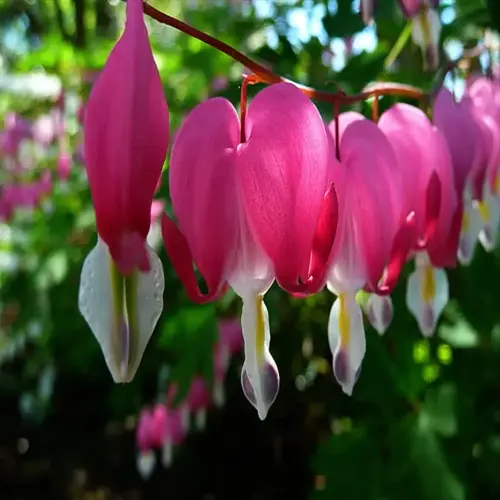

Yes, bleeding heart come back every year without fail. These plants are herbaceous perennials that die back to the ground in summer, rest through winter underground, and push up fresh shoots each spring. The vanishing act fools many new gardeners into thinking the plant died, but those roots are alive and well beneath the soil.
I have a bleeding heart perennial in my front garden that has come back for nine straight years now. The first summer I grew it, the entire plant turned yellow and disappeared by July. I was sure I killed it. But the following April, a cluster of red-tinged shoots popped through the mulch in the exact same spot. That moment taught me to trust the process and stop worrying every time the foliage fades away after flowering.
The bleeding heart dormancy cycle kicks in when heat and longer days tell the plant to shut down. The leaves yellow, the stems soften, and the whole plant melts to the ground in a few weeks. During this rest, the underground rhizomes store energy from spring growth. These thick, fleshy roots hold enough reserves to fuel a strong comeback the following spring. Think of dormancy as the plant recharging its batteries rather than dying off.
UW-Madison Extension confirms bleeding hearts thrive in USDA Zones 2 through 8. Penn State Extension extends that range to Zones 3a-9b with the right care. These plants survive winters as cold as -50°F (-46°C) in the far north. The rhizomes sit safely below the frost line and emerge once soil temperatures warm up in spring. Few perennials can match that level of cold hardiness while still producing such showy flowers.
Spring Emergence March to April
- First signs: Red or pink shoots break through the soil surface once ground temperatures reach about 45°F (7°C) in early spring.
- Growth rate: Plants grow fast, reaching full size within 3-4 weeks of the first shoots appearing above the mulch layer.
- Bloom start: Flowers open soon after foliage fills out, with peak bloom lasting 4-6 weeks depending on your climate zone.
Summer Dormancy June to August
- Trigger point: Rising heat and longer daylight hours cause leaves to yellow and stems to collapse over a period of 2-3 weeks total.
- Underground activity: Rhizomes continue absorbing nutrients from dying foliage and storing carbohydrates for the next season's growth.
- Garden gap: The empty spot left behind is a perfect place for late-season annuals like impatiens or begonias to fill the visual hole.
Winter Rest September to February
- Root protection: A 2-3 inch (5-7.5 cm) layer of mulch insulates rhizomes from freeze-thaw cycles that can damage surface-level roots.
- No watering needed: Dormant roots require zero irrigation during winter since the plant has no active growth to support above ground.
- Zone adjustment: Gardeners in Zones 7-9 may see earlier emergence since their soil warms faster than northern gardens in late winter.
Mark your bleeding heart's spot with a small garden stake before it goes dormant. I've dug into resting roots twice while planting fall bulbs because I forgot the location. A simple label saves you from this mistake. The roots sit just a few inches below the surface and are easy to hit with a shovel if you don't know they're there.
Apply a 2-3 inch (5-7.5 cm) layer of mulch over your root zone in late fall. This protects against harsh winter freezes. Resist every urge to dig up the roots and check on them. Your plant knows what it's doing down there. You don't need to water, feed, or fuss over your bleeding heart while it rests. With a little patience and some basic protection, your plant will greet you with fresh flowers every single spring. You'll look forward to those first red shoots the same way I do each year.
Read the full article: Bleeding Heart Plant Care and Growing Guide