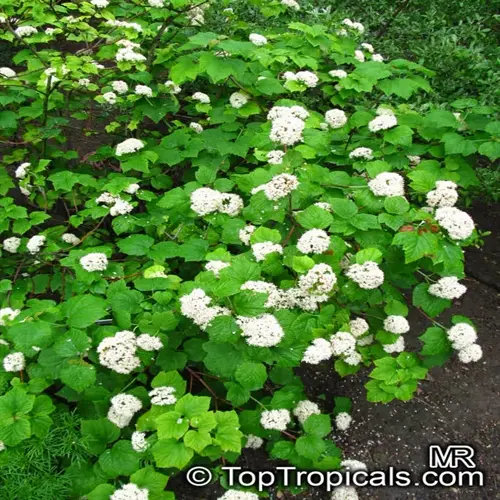

Yes, barberry is a barberry perennial shrub that comes back strong every single year. You can count on it to return in USDA zones 4 through 8 without any special winter care. Once you plant one in the ground, it stays there for decades and pushes fresh growth each spring like clockwork.
The barberry hardiness zones range from 4a to 8b based on NC State Extension data. Some cold-hardy types push that range down to zone 3, and a few heat-tolerant ones handle zone 9. I've watched my own barberry bushes go through brutal winters with temps below -20°F (-29°C) and come back without any damage. You don't need to worry about losing these plants to cold if you pick the right type for your zone.
When I first grew barberry, I panicked in late fall when my Japanese barberry dropped all its leaves. The bare stems with red berries looked dead to me. But by early spring, fat green buds popped up along every branch. New leaves opened weeks before the native plants around it even started to wake up. That early push showed me why barberry perennial strength gets talked about so much among gardeners.
The barberry seasonal growth cycle follows a clear pattern each year. Leaves open in early spring, about one month before native plants in the same area. Small yellow flowers appear in mid to late spring. By summer, green berries form and start to turn red. Fall brings bright leaf color on deciduous types before they drop. The red berries stay on the bare stems all winter long and give you color even in the coldest months.
This early leaf-out gives barberry a real edge. USDA records show barberry opens its leaves about a month before native shrubs like blueberry. It also wakes up 2 to 3 weeks before the overstory trees leaf out and block the sun. By the time other plants get going, barberry has a head start on the growing season. Individual plants survive at rates of 95-96% even in thick stands.
Container Plants in Cold Zones
- Move indoors: Bring potted barberry into an unheated garage or shed when temps drop below 0°F (-18°C) for long stretches.
- Root protection: Roots in pots freeze faster than roots in the ground, so wrap the pot in burlap for extra warmth.
- Watering: Give your container barberry a light drink every 3 to 4 weeks through winter so the roots don't dry out.
Spring Pruning for Strong Regrowth
- Timing: Prune in late winter before new buds open so you can see the branch shape and cut with purpose.
- Method: Remove the oldest one-third of stems at ground level each year to keep your barberry full and dense.
- Tools: Use long-handled loppers and thick gloves because the thorns will catch your skin if you reach in bare-handed.
Signs of Healthy Spring Return
- Bud swell: Look for fat, round buds along the stems in early spring as your first sign the plant is alive and well.
- Stem color: Healthy stems stay firm and show green or yellow under the bark when you scratch with a thumbnail.
- New shoots: Fresh growth from the base means your barberry seasonal growth cycle is right on track for the year.
You don't need to do much to help your barberry come back each year. Just make sure the soil drains well and give it a good prune in late winter. Skip the heavy mulch piled against the stems since that traps moisture and can cause rot at the base. A thin 2-inch layer of mulch spread a few inches away from the trunk is all you need.
As a barberry perennial, it ranks among the most reliable shrubs you can grow. It handles cold, heat, drought, and poor soil without complaint. Plant one this year and you'll watch it return every spring for the next 25 to 50 years with almost zero effort on your part.
Read the full article: Barberry Shrub: Varieties, Care and Uses