
Introduction
The chrysanthemum flower takes its name from two Greek words: chrysos for gold and anthemon for flower. Chinese gardens first grew these golden blooms in the 15th century BCE. Since then, emperors put this flower on royal seals. Scientists studied its complex genes. Tea drinkers steeped its petals for over 3,000 years across 3 continents.
I started growing mums about 8 years ago and the range of forms still shocks me. This genus sits in the Asteraceae family with around 40 species. Breeders have created over 20,000 varieties so far. The genome spans from diploid to decaploid, which is why new colors and shapes keep showing up each season.
Most guides cover either how to grow mums or what they mean in art and culture. This resource brings all of it together in one place. You get all 13 official types and color meanings from across the globe. You also get proven growing tips and the real science behind chrysanthemum tea. These perennial flowers even named a royal throne in Japan.
These fall flowers do far more than add color to your yard in October. Below you will learn how to pick the right type for your zone and soil. You will also see what each color means and why this ancient bloom remains one of the most useful plants for any home garden.
13 Chrysanthemum Types
You can sort all chrysanthemum types into 13 official classes. The National Chrysanthemum Society sets these groups by petal shape and bloom form. Tiny button pompons sit under 1 inch across. Big irregular incurves grow over 6 inches wide. Each class fills a different role in your garden.
When I first started growing chrysanthemum varieties, I had no clue that florist mums and garden mums were so different. Florist mums look great in a pot but most won't survive winter outside. Hardy mums and garden mums come back each year because they send out underground stolons that hold up through cold weather. Knowing which class you want saves you from buying the wrong plants.
Some types like the spider chrysanthemum and irregular incurve need disbudding to get one big bloom per stem. Others like the pompon grow loads of small round flowers on their own. Beginners should start with singles, decoratives, or pompons since those classes need the least work to look great.
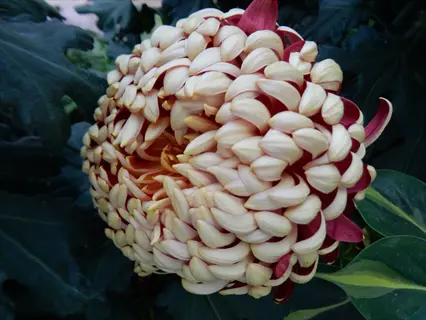
Irregular Incurve Chrysanthemum
- Flower Form: Large blooms with loose, incurving petals that create an informal, rounded shape measuring over 6 inches (15 centimeters) across with a full, dramatic appearance.
- Best Use: Your best bet for exhibition shows and dramatic cut flower arrangements because of the impressive size. You may hear them called football mums due to the large rounded shape.
- Growing Notes: You need to disbud these to produce one large bloom per stem, making this type better suited for experienced growers who enjoy hands-on work.
- Height Range: Plants grow 3 to 4 feet (0.9 to 1.2 meters) tall and often need staking to hold up the heavy flower heads during bloom.
- Bloom Season: Flowers appear in late fall when day length drops below 12 hours, giving you the most spectacular displays in October and November in most growing zones.
- Popular Varieties: Well-known cultivars include Luxor, Gillette, and River City, which win awards at chrysanthemum competitions for the well-formed incurved petals you get.
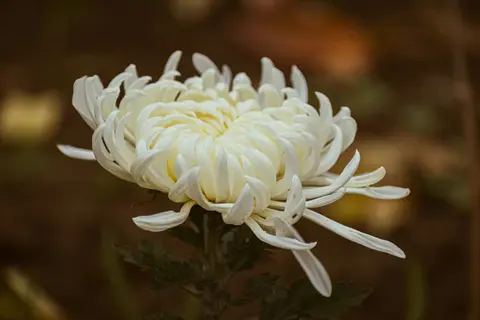
Reflex Chrysanthemum
- Flower Form: Petals curve downward and away from the center of the bloom, creating an elegant cascade like a feathered ball or mop head.
- Best Use: You can make a striking addition to your formal garden borders and large floral arrangements where the unique drooping petal pattern adds texture and movement to your display.
- Growing Notes: You can grow it as a disbudded standard or spray type. Spray versions produce multiple smaller blooms that create a fuller, more natural garden display for you.
- Height Range: Plants reach 2 to 4 feet (0.6 to 1.2 meters) tall depending on whether they are grown as garden plants or exhibition specimens with controlled conditions.
- Bloom Season: Produces flowers from mid to late fall, with petals that hold a reflexed shape as cut flowers for you lasting 7 to 10 days in a vase with fresh water.
- Popular Varieties: Notable cultivars include Megan and White City, which growers often enter in chrysanthemum shows for well-defined reflexing petal structure.
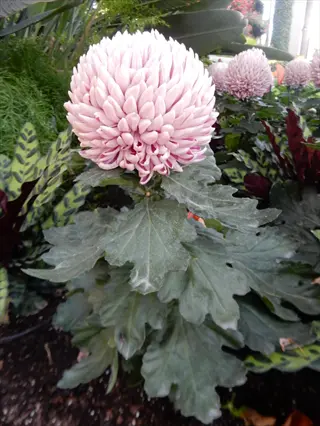
Regular Incurve Chrysanthemum
- Flower Form: Petals curve inward in a smooth, tight pattern to form a near-perfect globe shape, creating one of the most symmetrical flower forms in the entire chrysanthemum family.
- Best Use: Top choice for competitive exhibition because judges score the tightness and regularity of the incurve pattern, making symmetry the defining quality of this class.
- Growing Notes: You need careful disbudding and feeding schedules to get the tight ball shape that defines this class. It's a rewarding challenge if you love hands-on growing.
- Height Range: Plants grow 3 to 5 feet (0.9 to 1.5 meters) tall and need strong stakes or supports because the heavy globe-shaped blooms can topple unsupported stems with ease.
- Bloom Season: Blooms in mid to late fall with flowers that can measure 4 to 6 inches (10 to 15 centimeters) in diameter when you disbud them and give them good nutrition.
- Popular Varieties: Heather James and Moira are classic regular incurve cultivars that showcase the tight, globe-like form judges love at competitions.
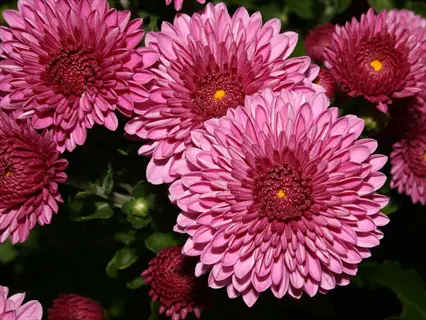
Decorative Chrysanthemum
- Flower Form: Flat-topped blooms with broad, flat petals that spread outward in layers, creating a lush, full flower head that measures 4 to 5 inches (10 to 13 centimeters) across.
- Best Use: One of the most versatile types for home gardens, containers, and casual flower arrangements because they produce abundant blooms without requiring intensive disbudding.
- Growing Notes: You can find both garden hardy and florist versions of this class, so beginners can get great results without advanced growing skills.
- Height Range: Compact plants reach 1.5 to 3 feet (0.5 to 0.9 meters) tall, and many cultivars develop a bushy, mounding habit perfect for garden borders.
- Bloom Season: Produces flowers from early to mid fall, often blooming earlier than incurve types, giving gardeners weeks of color before the first hard frost arrives.
- Popular Varieties: Tobago and Doris are beloved decorative cultivars that bring rich color and reliable performance to gardens across a wide range of climate zones.
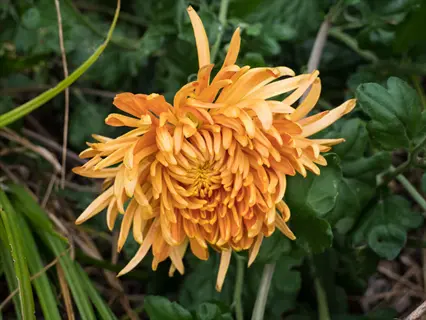
Intermediate Incurve Chrysanthemum
- Flower Form: Falls between irregular and regular incurve types with petals that close part way that create a softer, more relaxed globe shape measuring 4 to 6 inches (10 to 15 centimeters).
- Best Use: Works well in both garden settings and exhibition contexts because its open form has a natural beauty that appeals to casual gardeners and competitive growers alike.
- Growing Notes: Responds well to disbudding for larger single blooms, but you can also grow them as spray types for a more natural, multi-bloom presentation in garden beds.
- Height Range: Plants reach 2.5 to 4 feet (0.8 to 1.2 meters) tall and you should pinch them in spring and early summer to encourage branching and more blooms.
- Bloom Season: Flowers open in mid to late fall, and the incurved petals hold up well in cool autumn weather and keep their shape through light frosts.
- Popular Varieties: Bob Dear and Pat Lawless are well-regarded intermediate incurve cultivars that produce impressive blooms suitable for shows and home garden enjoyment.
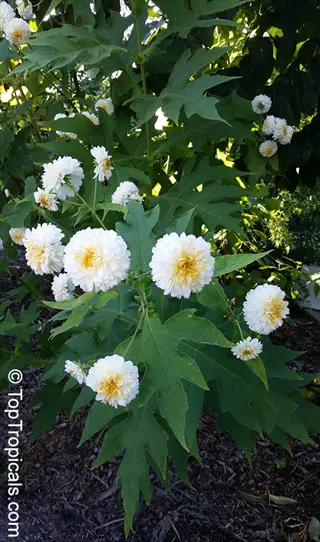
Pompon Chrysanthemum
- Flower Form: Small, round blooms that look like colorful buttons or balls, measuring 1 to 4 inches (2.5 to 10 centimeters) across with tight, packed petals.
- Best Use: Great for garden borders, container planting, and dried flower arrangements because the compact size and round shape add fun structure to any setting you choose.
- Growing Notes: One of the easiest chrysanthemum types to grow because they produce many uniform blooms on their own without disbudding, making them perfect for beginning gardeners.
- Height Range: Compact plants grow 1.5 to 2.5 feet (0.5 to 0.8 meters) tall with a dense, bushy habit that fills containers and border spaces with clusters of round blooms.
- Bloom Season: Flowers appear from early to mid fall and hold shape for a long time, making pompons your best choice for fall decorating and seasonal floral arrangements.
- Popular Varieties: Moonbeam, Yoko Ono, and Small Wonder are popular pompon cultivars prized for round, ball-shaped blooms you can count on and reliable flowering in home gardens.
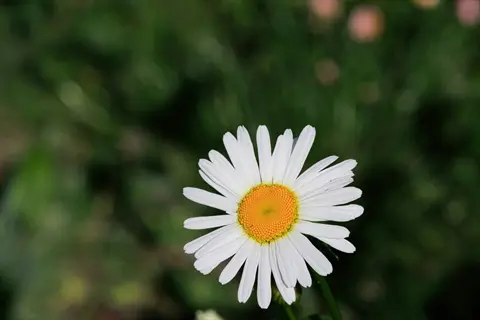
Single and Semi-Double Chrysanthemum
- Flower Form: Features one to five rows of ray petals radiating from a flat central disc, resembling a classic daisy shape that measures 3 to 5 inches (8 to 13 centimeters) across.
- Best Use: Great for naturalistic garden designs and pollinator-friendly plantings because the open central disc gives bees and butterflies easy access to nectar and pollen.
- Growing Notes: Tough and low-maintenance compared to exhibition types, these chrysanthemums thrive in garden beds with minimal intervention and reliable perennial performance.
- Height Range: Plants grow 1.5 to 3 feet (0.5 to 0.9 meters) tall and develop a bushy, spreading habit that fills garden spaces with cheerful, daisy-like blooms in abundance.
- Bloom Season: Among the earliest chrysanthemum types to flower, singles and semi-doubles often begin blooming in late summer and continue producing flowers well into fall.
- Popular Varieties: Clara Curtis, a pink single with a yellow center, and Mei-kyo, a rosy lavender semi-double, are classic garden performers loved for natural charm in your beds.
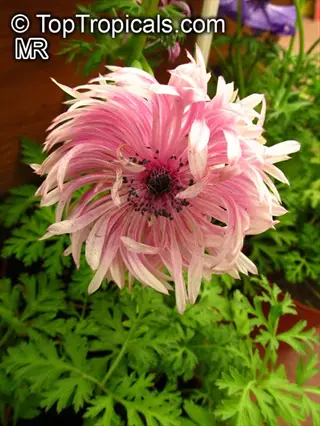
Anemone Chrysanthemum
- Flower Form: Features a raised, cushion-like center disc surrounded by one or more rows of flat ray petals, creating a distinctive two-toned look measuring 3 to 4 inches (8 to 10 centimeters).
- Best Use: Adds unique interest to your mixed flower borders and arrangements because the raised center creates a three-dimensional effect not found in other chrysanthemum types.
- Growing Notes: You can grow these well in both garden beds and containers with regular watering and full sun. They produce multiple blooms per stem in spray form without any disbudding from you.
- Height Range: Plants reach 2 to 3 feet (0.6 to 0.9 meters) tall and develop a compact, upright habit that works well in the middle of border plantings and container displays.
- Bloom Season: Flowers from mid to late fall, with the raised center disc often showing a contrasting color to the outer petals, creating an eye-catching bicolor display effect.
- Popular Varieties: Mansetta Sunset with bronze and red tones and Purple Light are popular anemone cultivars that showcase the distinctive raised center you will notice right away.
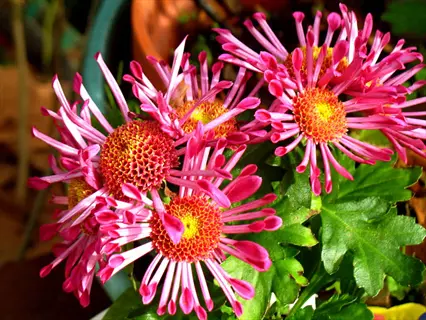
Spoon Chrysanthemum
- Flower Form: Named for petals that are tubular along their length and open into a spoon-shaped tip, creating a fun, playful appearance around a flat central disc.
- Best Use: Great for adding unusual texture and fun interest to your garden beds and cut flower arrangements thanks to those distinctive spoon-shaped petal tips you won't find on other types.
- Growing Notes: Easy enough to grow in home gardens with standard chrysanthemum care requirements including full sun, well-drained soil, and regular pinching through early summer.
- Height Range: Plants grow 1.5 to 3 feet (0.5 to 0.9 meters) tall and produce multiple blooms per stem in a spray pattern that fills out your garden spaces on its own.
- Bloom Season: Flowers appear in mid fall, and the unique spoon-shaped petal tips remain distinctive even as blooms mature and age, maintaining visual interest for several weeks.
- Popular Varieties: Kimie and Starlet are beloved spoon chrysanthemum cultivars that display the characteristic spoon-tipped petals in bright, cheerful colors perfect for autumn gardens.
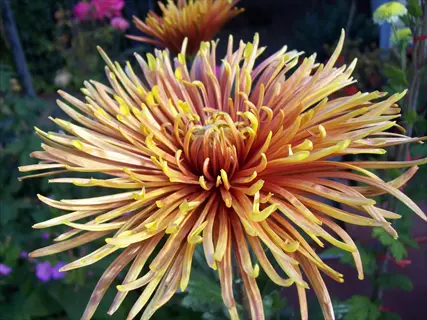
Quill Chrysanthemum
- Flower Form: Features long, narrow, tube-shaped petals that radiate outward from the center like quills or needles, creating a spiky, textured bloom measuring 4 to 6 inches (10 to 15 centimeters).
- Best Use: Striking in your modern floral arrangements and garden designs where the spiky shape adds dramatic texture and visual contrast to softer blooms.
- Growing Notes: Give these standard chrysanthemum conditions with good drainage and full sun. The tubular petals can trap moisture so make sure your plants get good air flow.
- Height Range: Plants reach 2 to 3.5 feet (0.6 to 1.1 meters) tall and produce blooms with a distinctive spiky profile that stands out in both garden borders and cut displays.
- Bloom Season: Blooms in mid to late fall, with the quill-shaped petals creating a unique silhouette that catches light in a stunning way during the low autumn sunshine.
- Popular Varieties: Matchstick and Senkyo Kenshin are notable quill cultivars that demonstrate the striking tubular petal form, with Senkyo Kenshin being popular in exhibition circles.
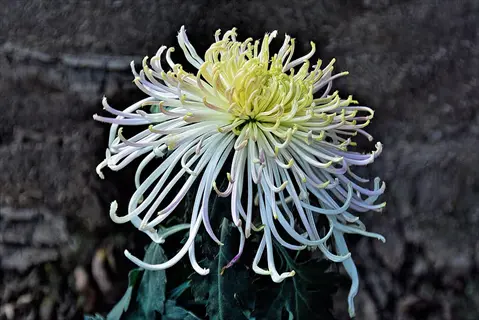
Spider Chrysanthemum
- Flower Form: Long, thin, tubular petals that extend outward and curve in different directions like spider legs, creating an exotic, dramatic bloom reaching 6 inches (15 centimeters) or more.
- Best Use: Top pick for dramatic floral arrangements and exotic garden displays because the wild, untamed appearance creates an immediate focal point for you in any setting.
- Growing Notes: You get the biggest flowers when you disbud these as single specimens. Spray types give you multiple smaller spider blooms that create an impressive mass of curling petals.
- Height Range: Plants grow 3 to 4 feet (0.9 to 1.2 meters) tall and often need staking because the large, top-heavy spider blooms can cause stems to lean or break.
- Bloom Season: Flowers in mid to late fall with petals that continue to elongate and curl even after the bloom opens, giving the flowers a dynamic, changing appearance over time.
- Popular Varieties: Evening Glow, Chesapeake, and Anastasia are popular spider cultivars valued for long, elegant petals and strong performance in exhibitions and arrangements.
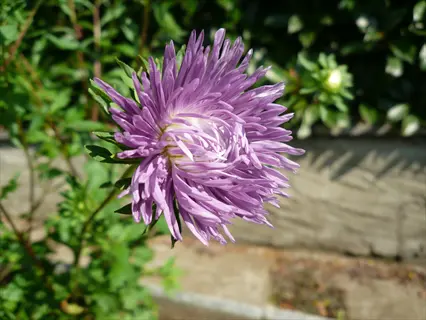
Brush and Thistle Chrysanthemum
- Flower Form: Features fine, tubular petals that grow flat or droop a bit, resembling an artist's paintbrush or thistle head with a soft, feathery texture across the bloom face.
- Best Use: Adds unusual texture and artistic flair to your mixed garden plantings and unconventional floral arrangements where the paintbrush-like appearance creates a soft focal point in your space.
- Growing Notes: Less common in home gardens compared to other types, brush and thistle chrysanthemums are more often seen in specialized collections and exhibition settings.
- Height Range: Plants reach 2 to 3 feet (0.6 to 0.9 meters) tall with upright stems that support the distinctive brush-like blooms in clusters along branching stems.
- Bloom Season: Flowers appear in mid to late fall, and the fine, tubular petals give these blooms a delicate, artistic quality that distinguishes them from all other chrysanthemum classes.
- Popular Varieties: Cisco and Cindy are recognized brush and thistle cultivars that showcase the fine, threadlike petals characteristic of this less common but eye-catching class.
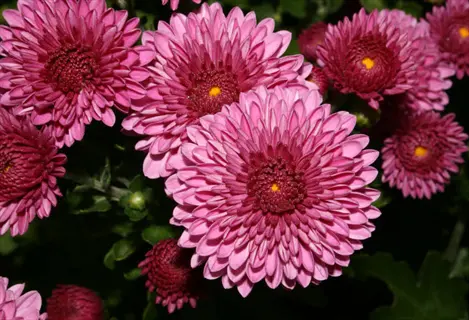
Unusual Form Chrysanthemum
- Flower Form: A catch-all class for chrysanthemums that do not fit into any of the other 12 categories, featuring creative petal arrangements and novel bloom structures.
- Best Use: Great for collectors and enthusiasts who want to grow conversation-starting specimens that challenge expectations of what a chrysanthemum flower can look like in a garden.
- Growing Notes: Your growing needs will change based on which cultivar you pick since this class covers many different forms. Check each variety's needs before you plant.
- Height Range: Size varies from compact plants at 1 foot (0.3 meters) to tall specimens reaching 4 feet (1.2 meters) depending on the specific unusual form being grown.
- Bloom Season: Flowering times range from early to late fall depending on the variety, with some unusual forms producing blooms that change shape as they mature over several weeks.
- Popular Varieties: Lone Star and Lili Gallon are examples of unusual form chrysanthemums that produce eye-catching, one-of-a-kind blooms unlike anything else in the chrysanthemum world.
Chrysanthemum Color Meanings
Chrysanthemum colors send different messages based on where you live. In America, white chrysanthemum meaning stands for purity and truth. In many Asian countries, white signals grief and mourning. This split makes your color choice matter a lot.
I learned this the hard way when I brought white mums to a friend's dinner party. She grew up in a culture where white flowers signal death, and my gift created an awkward moment I still think about. That one mistake taught me to always check the chrysanthemum symbolism behind each color before giving them as gifts.
The science behind chrysanthemum colors is just as fun as the color meaning. Anthocyanins create your red and purple shades. Carotenoids produce the yellow and orange tones you see. Your yellow chrysanthemum and your red chrysanthemum get color from two different groups. Breeders used this knowledge to grow over 20,000 varieties.
Growing Chrysanthemums
Growing chrysanthemums starts with one big choice: garden mums or florist mums. Garden mums survive winter in USDA zones 3a through 9b. Florist mums look great on your porch but most won't make it past the first freeze. I learned this the hard way after losing 3 pots of florist mums my first year.
When to plant mums matters more than most guides tell you. Spring planting gives roots a full season to dig in before winter hits. Fall planting almost never works because the roots don't have enough time to set up. In my experience, you should resist those pretty fall displays at the store and wait for spring stock.
Your mums need full sun and well-draining soil to thrive in any zone. Container gardening works great if your ground stays too wet. Planting mums in raised beds or pots lets you control the soil mix and move plants around based on the sun patterns in your yard.
Sunlight and Location
- Light Requirement: Chrysanthemums need a minimum of 6 hours of direct sunlight daily, with morning sun and afternoon shade being the ideal exposure pattern in hot summer regions.
- Site Selection: Choose a location with good air circulation to prevent fungal problems, but sheltered from strong winds that can break tall stems loaded with heavy autumn blooms.
- Artificial Light Warning: Street lights and porch lights near chrysanthemums can delay or prevent blooming because the extra light hours disrupt the short-day signal plants need to flower.
Soil Preparation
- Soil Type: Rich, well-draining soil with a pH between 6.0 and 7.0 produces the healthiest chrysanthemums, and heavy clay soils should be amended with compost before planting.
- Preparation Depth: Work the soil to a depth of 6 inches (15 centimeters) at least 10 to 14 days before planting to allow amendments to integrate and soil structure to settle.
- Drainage Test: If water pools on the soil surface for more than 30 minutes after rain, add organic matter or consider raised beds because chrysanthemums are highly susceptible to root rot.
Planting Time and Spacing
- Spring Planting: Plant garden mums in spring after the last frost date to give roots a full growing season to establish before winter, which dramatically improves survival rates.
- Fall Planting Caution: Mums purchased in fall and planted in the ground rarely survive the first winter because their roots have insufficient time to establish before freezing temperatures.
- Spacing Guidelines: Space plants 18 to 24 inches (46 to 61 centimeters) apart to allow proper air circulation and room for the natural spreading habit of mature chrysanthemum plants.
Watering and Feeding
- Water Schedule: Provide 1 inch (2.5 centimeters) of water per week, watering at the base of plants to keep foliage dry and reduce the risk of fungal leaf spot problems.
- Fertilizer Formula: Apply 1 to 1.5 pounds (0.45 to 0.68 kilograms) of 5-10-5 fertilizer per 100 square feet (9.3 square meters) at planting time and again in midsummer.
- Feeding Stop: Discontinue fertilizing by late summer when buds begin forming, because excess nitrogen at this stage promotes leafy growth at the expense of flower production.
Care and Maintenance
Good chrysanthemum care starts with pinching mums in late spring. Think of it like pruning a hedge. Each time you pinch a stem tip, 2 new branches grow back in its place. I tried skipping the pinching one year and ended up with tall, floppy plants that fell over the second they bloomed.
You should pinch your mums every 2 weeks from when stems hit 6 inches tall until June or July. After that, stop pinching and let buds form for fall. Deadheading spent flowers keeps new blooms coming until frost. Dividing mums every 2 years also keeps your plants strong since the underground stolons crowd each other over time.
Overwintering mums trips up most growers because the right move feels wrong. Don't cut stems back in fall. Leave them standing through winter so they protect the crown from freeze and thaw. Add a thick layer of mulching on top after the first hard freeze. In my experience, this one tip saves more mums than anything else. Clean up the old stems in spring when you see new green shoots. Propagation from spring cuttings gives you free plants each year too.
Tea and Health Benefits
Chrysanthemum tea has been a staple drink for over 3,000 years. The dried flowers hold chrysanthemum flavonoids from over 78 types. When I first tried brewing chrysanthemum tea at home, the taste surprised me. It was light and floral with a soft sweetness that needed no sugar.
The chrysanthemum health benefits go far beyond a good cup of tea. Lab tests show the extract fights oxidation and swelling in cells. Luteolin and quercitrin make up 85.7% of the key flavonoids. Traditional medicine healers used these flowers for over 2,200 years and modern labs now back up what they knew.
You can brew your own cup by steeping 3 to 5 dried flower heads in hot water at about 200°F for 3 to 5 minutes. China's Food and Drug group approved 288 food products with chrysanthemum extract. That kind of official backing tells you these flowers offer real value past what you see in the garden.
Antioxidant Activity
- Key Compounds: Chrysanthemum flowers contain over 78 flavonoids across 12 categories, with total flavonoid content measuring 4 to 10% of dry weight according to peer-reviewed analysis.
- Primary Flavonoids: Luteolin-7-glucoside and quercitrin together account for 85.7% of the total detected flavonoids in chrysanthemum morifolium extract tested by researchers.
- Vitamin Content: Vitamin C levels range from 21.7 to 62.7 milligrams per 100 grams across different chrysanthemum cultivars, contributing additional antioxidant protection alongside flavonoids.
Anti-Inflammatory Effects
- Research Finding: Chrysanthemum morifolium ethanolic extract achieved over 80% inhibition of inflammatory mediators including nitric oxide, interleukin-6, and interleukin-12 in laboratory studies.
- Active Compounds: The anti-inflammatory activity is attributed to the combined action of flavonoids, phenolic acids, and terpenoids working together in the flower extract.
- Traditional Use: These findings support the traditional Chinese medicine practice of using chrysanthemum preparations to reduce inflammation, which has been documented for over 2,200 years.
Chrysanthemum Tea Tradition
- Historical Depth: Chrysanthemum tea consumption spans over 3,000 years, making it one of the oldest continuously consumed herbal beverages in recorded human history.
- Preparation Method: Traditional preparation involves steeping 3 to 5 dried chrysanthemum flower heads in hot water at 200 degrees Fahrenheit (93 degrees Celsius) for 3 to 5 minutes.
- Modern Approval: The China Food and Drug Administration has approved 288 domestic food products containing chrysanthemum extract, reflecting continued scientific and commercial confidence in the flower.
Natural Insecticide Source
- Pyrethrin Origin: Chrysanthemum cinerariifolium is the primary botanical source of pyrethrin, one of the most widely used natural insecticides in global agriculture and household products.
- Essential Oil Complexity: Gas chromatography mass spectrometry identified 62 compounds in Huai chrysanthemum essential oil, accounting for 99% of the total volatile oil content.
- Dual Purpose: The same flower family that provides ornamental beauty and healthful tea also serves as a critical natural pest control resource, reducing reliance on synthetic chemicals.
Common Pests and Problems
Chrysanthemum diseases and chrysanthemum pests can wreck your plants fast if you don't catch them early. I found aphids on my mums 3 years in a row before I set up a routine spray schedule. Spotting problems early saves you from losing entire plants to bugs and fungus.
Powdery mildew and root rot are the two biggest threats to your mums. Both come from too much moisture in the wrong places. Keep water off the leaves and make sure your soil drains well. Leaf nematodes are the sneakiest pest because they hide in dead leaves and can survive in your soil for 3 or more years.
One thing most guides skip is that chrysanthemums are toxic to cats, dogs, and horses. Keep your pets away from these plants. If you notice why mums fail in your garden, check the table below to match your symptoms to the right fix.
5 Common Myths
All chrysanthemums are annuals that die after one season and need to be replanted every year.
Hardy garden chrysanthemums are perennials that return each year in USDA zones 3a through 9b when properly overwintered with mulch protection.
Chrysanthemums are purely decorative flowers with no practical uses beyond looking pretty in gardens.
Chrysanthemums are the source of pyrethrin, a widely used natural insecticide, and have been consumed as medicinal tea for over 3,000 years.
Chrysanthemums only bloom in fall and cannot flower at any other time of the year.
Chrysanthemums are short-day plants that bloom when daylight drops below 12 hours, so growers can trigger blooming year-round by controlling light exposure.
All chrysanthemum colors carry the same meaning and symbolism no matter where you are in the world.
Chrysanthemum color meanings vary dramatically by culture. White means mourning in many Asian countries but purity in America, and yellow means cheerfulness in the United States but sorrow in some European nations.
You should cut chrysanthemums back to the ground in fall to prepare them for winter dormancy.
Leaving the dead stems standing through winter actually helps insulate the crown and protects the roots from freeze-thaw cycles until spring cleanup.
Conclusion
The chrysanthemum flower gives you more variety than almost any other plant you can grow at home. You get 13 official chrysanthemum types and over 20,000 varieties to pick from. There is a mum for every garden and skill level. These perennial flowers deliver whether you want a small pompon for your porch pot or a giant spider bloom for the show table.
What makes the chrysanthemum meaning so rich is how it shifts from one culture to the next. The same flower that sits on a Japanese emperor's seal shows up at funerals in France. I've found that learning the story behind each color and form makes growing them feel like more than just a garden hobby. You connect with thousands of years of human history every time you plant one.
Good chrysanthemum care does not have to be hard work. Pin down the basics like spring planting, regular pinching, and proper winter mulching and your mums will reward you with bright fall blooms for years. The bonus of chrysanthemum tea and real health benefits backed by science adds even more reason to grow these plants in your yard.
This flower has inspired art, medicine, and gardens for over 3,000 years and it shows no signs of slowing down. Now you have the full picture of chrysanthemum types, care tips, and cultural depth all in one place. Use it to pick your next mum, brew your first cup of tea, or just enjoy the blooms outside your window this fall.
External Sources
Frequently Asked Questions
What do chrysanthemum flowers symbolize?
Chrysanthemum flowers symbolize longevity, loyalty, and joy in Asia, while in parts of Europe they represent mourning and are used at funerals.
Do chrysanthemums grow back each year?
Hardy garden chrysanthemums grow back each year in USDA zones 3a through 9b, but florist mums sold in pots rarely survive winter outdoors.
Is chrysanthemum a funeral flower?
In many European countries such as France, Italy, and Belgium, chrysanthemums are strongly associated with funerals and placed on graves.
Are chrysanthemums Chinese or Japanese?
Chrysanthemums originated in China around the 15th century BCE and later became deeply significant in Japanese culture as the Imperial flower.
Do chrysanthemums mean goodbye?
In some European traditions, chrysanthemums can signify farewell and are given to express parting or remembrance of the deceased.
Will chrysanthemums bloom in winter?
Most chrysanthemums bloom in fall and go dormant in winter, though indoor varieties can bloom in winter with controlled light conditions.
How to look after indoor chrysanthemums?
Indoor chrysanthemums need bright indirect light, consistent watering when the top inch of soil feels dry, and cool temperatures around 60 to 70 degrees Fahrenheit (15 to 21 degrees Celsius).
What flower symbolizes death and grief?
Several flowers symbolize death and grief including chrysanthemums in Europe, white lilies, and marigolds in Mexican culture.
What flower means "I love you" in Japan?
Red chrysanthemums convey love and deep passion in Japan, while red camellias and red roses also carry romantic meaning.
What is the chrysanthemum taboo?
The chrysanthemum taboo refers to the cultural rule in several European countries against giving chrysanthemums as gifts, since they are reserved for funerals.