
Introduction
A single basil plant on a kitchen windowsill can turn plain meals into something worth talking about. This herb outsells every other culinary herb in home gardens across the country. Fresh basil adds flavor that dried jars from the store just can't match.
I've been growing basil outdoors and indoors for over 8 years now. My biggest early lesson was simple. Basil acts like a tropical vacationer who refuses to step outside below 50°F (10°C). Your basil plant needs 6 to 8 hours of direct sunlight each day. It also wants soil with a pH between 6.0 and 7.5 and about 1 to 1.5 inches of water each week. Nail those basics and your plants will reward you all season long.
Most basil guides online repeat the same generic tips. This guide shares science backed companion planting data you won't find elsewhere. You'll also get peer reviewed facts about basil seeds that most sites skip. These details help you grow basil with real confidence.
Good basil care starts with knowing your varieties and your planting zone. Let's get your basil growing strong from day one.
8 Best Basil Varieties
Not all basil varieties taste or grow the same way. I've tested over a dozen types of basil in my garden and some do far better than others. Picking the right variety for your climate and cooking style saves you months of wasted effort.
I sort my basil varieties into 3 camps based on how you'll use them. Pesto types like Genovese basil and sweet basil belong in your Italian dishes. Asian cuisine types like Thai basil and holy basil handle heat and bold spice. Specialty types like purple basil and lemon basil give you unique color or citrus notes. Here are the 8 best picks for your home garden.
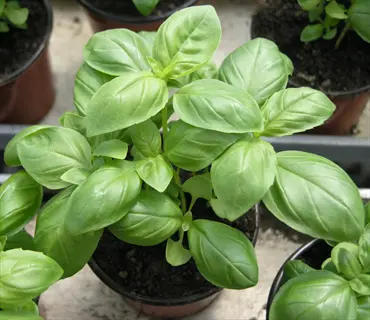
Genovese Basil
- Flavor Profile: Classic sweet and slightly peppery taste that defines traditional Italian pesto and pairs perfectly with tomato-based dishes and fresh mozzarella.
- Growth Habit: Grows 18 to 24 inches (45 to 60 centimeters) tall with large, glossy dark green leaves that can reach 3 inches (7.5 centimeters) in length.
- Best Climate: Thrives in USDA zones 4 through 10 during the warm season and prefers full sun with soil temperatures above 70 degrees Fahrenheit (21 degrees Celsius).
- Harvest Window: Ready to pick within 60 to 70 days from seed, and regular pinching above the second leaf pair keeps the plant producing all season long.
- Culinary Use: The gold standard for pesto, caprese salad, bruschetta, and any dish that calls for fresh basil with a rich aromatic flavor.
- Growing Tip: Space plants 12 to 18 inches (30 to 45 centimeters) apart and fertilize every two to three weeks with a balanced liquid fertilizer for maximum leaf production.
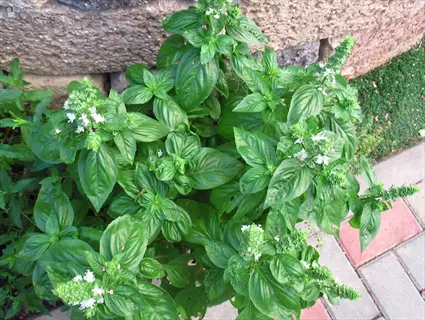
Sweet Basil
- Flavor Profile: Mild, slightly sweet flavor with hints of clove and anise that works as an all-purpose culinary herb in a wide range of dishes.
- Growth Habit: Compact plants reaching 12 to 18 inches (30 to 45 centimeters) tall with medium-sized bright green leaves and white flower spikes.
- Best Climate: Performs well in most temperate regions during summer and needs at least 6 hours of direct sunlight daily with consistent soil moisture.
- Harvest Window: Begin harvesting leaves roughly 50 to 60 days after planting seeds, picking from the top down to encourage lateral branching and bushier growth.
- Culinary Use: Excellent in pasta sauces, salads, soups, and infused oils, making it the most versatile basil for everyday home cooking.
- Growing Tip: Pinch off flower buds as soon as they appear to redirect the plant's energy toward leaf production and prevent bitter-tasting foliage.
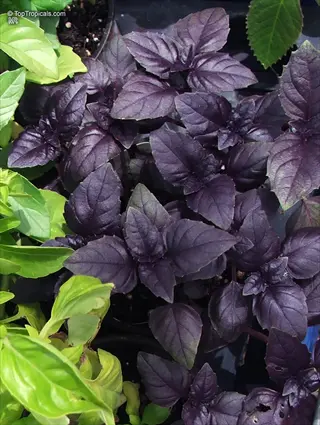
Thai Basil
- Flavor Profile: Strong anise and licorice flavor with a slightly spicy kick that holds up well under high heat cooking methods like stir-frying.
- Growth Habit: Sturdy stems with narrow dark green leaves and attractive purple flower spikes, growing 12 to 18 inches (30 to 45 centimeters) tall.
- Best Climate: More heat-tolerant than sweet basil varieties and performs well in USDA zones 9 through 11 where temperatures regularly exceed 90 degrees Fahrenheit (32 degrees Celsius).
- Harvest Window: Leaves are ready to pick about 60 days after sowing, and the plant continues producing through hot summers when other basil types may bolt.
- Culinary Use: Essential for Thai curries, Vietnamese pho, spring rolls, and other Southeast Asian dishes where its bold flavor adds authentic depth.
- Growing Tip: Thai basil tolerates more sun and heat than sweet basil, making it an ideal choice for gardeners in southern climates with long hot summers.
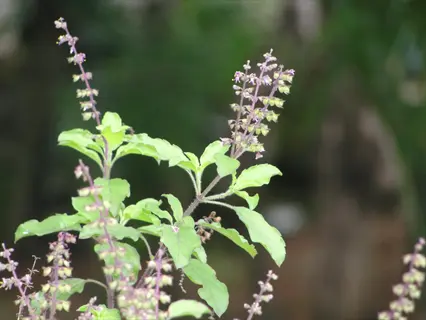
Holy Basil (Tulsi)
- Flavor Profile: Peppery and clove-like flavor with a slightly bitter edge, distinctly different from sweet basil and traditionally used in teas and medicinal preparations.
- Growth Habit: Bushy plant growing 12 to 24 inches (30 to 60 centimeters) tall with serrated green or purple-tinged leaves and small purple or white flowers.
- Best Climate: Extremely heat-tolerant and drought-resistant compared to other basil types, thriving in tropical and subtropical conditions with high humidity.
- Harvest Window: Begin harvesting leaves once the plant reaches 6 inches (15 centimeters) tall, and continue picking every two weeks throughout the growing season.
- Culinary Use: Used in Indian stir-fries, teas, and traditional dishes; not typically substituted for sweet basil because its sharp, peppery taste is unique.
- Growing Tip: Holy basil germinates slowly and benefits from soaking seeds for 24 hours before planting to speed up the process significantly.
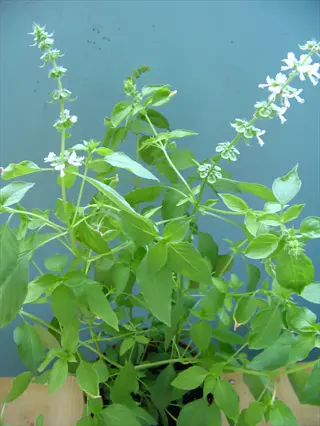
Lemon Basil
- Flavor Profile: Bright citrus aroma with a mild basil undertone that adds a refreshing twist to seafood, salads, and light summer drinks.
- Growth Habit: Compact plants reaching 12 to 20 inches (30 to 50 centimeters) with light green narrow leaves and delicate white flower clusters.
- Best Climate: Grows well in most temperate zones during summer but is more sensitive to cold than sweet basil and should be planted after all frost danger passes.
- Harvest Window: Leaves are ready about 55 to 65 days from seed and should be picked before flowering to maintain the strongest lemon scent and flavor.
- Culinary Use: Perfect for fish dishes, lemon-infused teas, light salad dressings, and Southeast Asian soups where a citrus note complements the other ingredients.
- Growing Tip: Lemon basil tends to bolt faster than other varieties, so plant successively every three weeks for a continuous supply throughout the season.
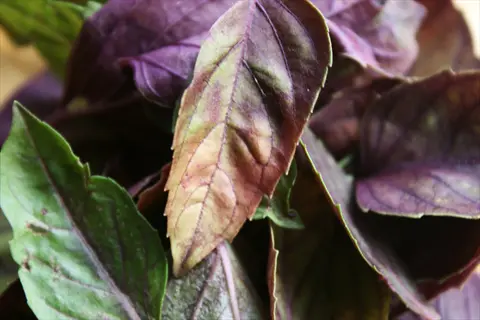
Purple Basil (Dark Opal)
- Flavor Profile: Slightly more robust and peppery than sweet basil with a mild clove flavor, adding both taste and dramatic color to dishes.
- Growth Habit: Striking deep purple to burgundy leaves on sturdy stems, growing 14 to 20 inches (35 to 50 centimeters) tall with pink flower spikes.
- Best Climate: Similar requirements to sweet basil with full sun and warm temperatures, though the purple color intensifies with more direct sunlight exposure.
- Harvest Window: Ready to harvest in 60 to 80 days from seed, and the leaves make a visually stunning purple-tinted basil vinegar or infused oil.
- Culinary Use: Adds a striking visual element to salads, pasta, and cocktails while producing a beautiful purple pesto that can double as a natural food coloring.
- Growing Tip: Purple basil can sometimes revert to green leaves if not getting enough sun; remove any all-green shoots promptly to maintain uniform purple foliage.
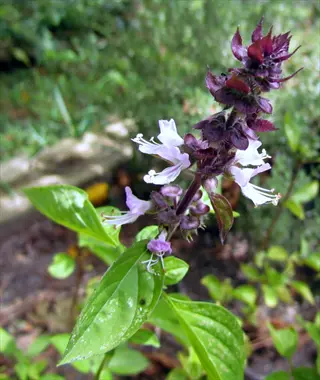
Cinnamon Basil
- Flavor Profile: Warm cinnamon and spice aroma with a mild basil sweetness that works beautifully in both savory dishes and desserts or baked goods.
- Growth Habit: Upright growth to 18 to 30 inches (45 to 75 centimeters) with dark green leaves that have distinctive purple-tinged veins and purple stems.
- Best Climate: Grows best in warm conditions with full sun exposure, and the cinnamon scent becomes stronger when the plant receives at least 8 hours of light.
- Harvest Window: Leaves are most flavorful when picked just before the plant begins to flower, typically 60 to 70 days from sowing seeds indoors or directly outside.
- Culinary Use: Excellent steeped in hot water for a spiced tea, added to fruit salads, baked into bread, or used in Asian stir-fries for a unique twist.
- Growing Tip: Pair cinnamon basil with other warm-toned herbs like rosemary and thyme in a mixed container garden for both visual appeal and a wide range of harvest options.
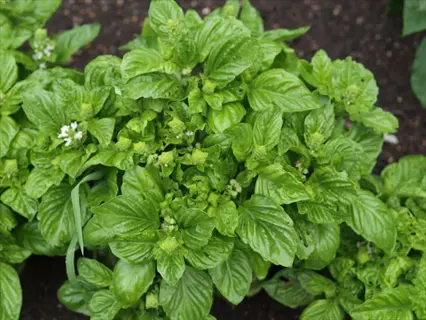
Lettuce Leaf Basil
- Flavor Profile: Mild, sweet flavor similar to Genovese but less intense, making it ideal for wrapping fresh ingredients or using as a salad green replacement.
- Growth Habit: Large ruffled leaves that can reach up to 5 inches (13 centimeters) across, growing on plants that reach 18 to 24 inches (45 to 60 centimeters) tall.
- Best Climate: Performs well in moderate climates with full sun and benefits from afternoon shade in regions where temperatures exceed 95 degrees Fahrenheit (35 degrees Celsius).
- Harvest Window: Ready to pick in about 65 to 75 days from seed, and the oversized leaves mean fewer picks are needed to gather a useful quantity for cooking.
- Culinary Use: Use whole leaves as wraps for fresh spring rolls, layer into sandwiches in place of lettuce, or chop into pasta dishes for a mild herbal flavor.
- Growing Tip: The large leaf surface area means this variety loses moisture faster; mulch around the base and water consistently to prevent wilting during hot spells.
Planting and Starting Basil
You can start basil from seed indoors or buy transplants from a garden center. I prefer seeds because they cost less and give you far more variety options. The key is timing everything around your last frost date so your plants don't get hit by cold.
Plant basil seeds indoors about 6 to 8 weeks before your last frost date. Sow them about 1/4 inch deep in a sterile seed mix and keep the soil warm. Basil germination takes 10 to 14 days when soil temps stay between 75 and 85°F (24 and 29°C). I set my trays on a heat mat to speed things up and it makes a huge difference.
Once your seedlings reach 5 to 6 inches tall, it's time to harden off seedlings before moving them outside. Set them outdoors for a few hours each day over 7 to 10 days and bring them back in at night. This step helps them adjust to wind and direct sun without shock. After that, you can transplant basil into your garden when soil stays above 70°F (21°C).
Most growers plant basil once and call it done. That's a mistake I made my first year. Succession planting every 3 to 4 weeks keeps fresh basil coming all season long. You'll never face a gap in your harvest if you stagger your plantings from late spring through midsummer.
Pruning and Harvesting Basil
Pruning basil is the single best thing you can do to keep your plants full and productive. I start pinching basil as soon as my plants hit about 6 inches tall and repeat every 2 to 3 weeks through the season. This one habit turns a thin stem into a bushy plant loaded with leaves.
Here's why it works. When you cut a stem just above a pair of leaves, the plant sends growth hormones to those leaf nodes. Each node then pushes out 2 new stems instead of one. Do this a few times and one single stem becomes 8 or more branches. That's the science of auxin at work in your garden.
Follow the one third rule when harvesting basil. Never take more than a third of the plant at once or you'll stress it too much. Pick from the top down and always cut just above a leaf pair. This approach forces the plant to branch out rather than grow tall and leggy.
The goal is to prevent flowering for as long as you can. Once basil flowers, it puts all its energy into making seeds and the leaves lose their punch. Regular leaf removal before flowers form forces more leaf and branch growth as USU Extension confirms. If you see flower buds, pinch them off right away.
When you have more basil than you can eat fresh, storing basil the right way keeps it useful for months. You can freeze basil as pesto cubes that last 3 to 6 months in your freezer. You can also dry basil leaves and store them in a sealed jar for about a full year. Both methods give you garden flavor long after the season ends.
Fresh Refrigerator Storage
- Duration: Keeps basil fresh for 7 to 10 days when stems are trimmed and placed in a jar of water inside the refrigerator with a loose plastic bag over the top.
- Best For: Short-term storage when you plan to use fresh basil in salads, sandwiches, or as a garnish within the next week or so.
- Method: Trim the bottom of the stems at an angle, place in a glass with 1 inch (2.5 centimeters) of water, and change the water every two days to prevent bacterial growth.
Freezing as Pesto
- Duration: Pesto made from fresh basil, olive oil, garlic, and pine nuts stays flavorful in the freezer for 3 to 6 months when stored in airtight containers.
- Best For: Preserving large harvests at the end of the season when basil plants produce more leaves than you can use fresh each week.
- Method: Blend basil with olive oil, portion into ice cube trays, freeze until solid, then transfer cubes to a freezer safe bag for easy single serving portions.
Air Drying or Dehydrating
- Duration: Dried basil stored in an airtight container away from light keeps good flavor for about one year based on USU Extension research.
- Best For: Long term pantry storage and use in cooked dishes like soups, stews, and sauces where the stronger dried flavor works well.
- Method: Bundle 4 to 6 stems together, hang upside down in a warm dry room with good airflow for 1 to 2 weeks, or use a dehydrator set to 95°F (35°C).
Blanching and Freezing Leaves
- Duration: Blanched and frozen basil leaves keep their bright green color and fresh flavor for up to 6 months in the freezer.
- Best For: Cooks who want to add whole or chopped basil to dishes all year without the flavor loss that comes from drying the leaves.
- Method: Dip leaves in boiling water for 2 seconds, move them to an ice bath right away, pat dry, then lay flat on parchment paper in a freezer bag.
Basil Companion Planting
Basil companion planting is one of the smartest moves you can make in your garden. I've tested it in my own raised beds for 5 years and the results match what the research shows. Planting basil and tomatoes together gave me about 20% better yields on the tomato side. A peer reviewed study from WVU backs up that same finding.
Basil works as a natural basil pest repellent too. Its strong scent confuses thrips and other insects that feed on your tomato plants. You can also try intercropping basil with peppers and beans for similar pest control benefits. The key companion plants for basil include tomatoes, peppers, beans, and marigolds.
One popular myth claims that basil changes the flavor of tomatoes grown next to it. WVU ran taste tests over 3 years and found no real flavor difference between tomatoes grown with or without basil. The real benefits are better yields and fewer pests, not flavor changes.
Keep basil away from sage and rue since both can slow basil growth. Space those plants at least 3 feet apart in your garden beds. The table below shows you the best pairings and proper spacing for each companion plant.
Basil Pests and Diseases
Even healthy basil plants run into basil pests and basil diseases from time to time. I lost an entire row of plants to downy mildew my second year because I missed the early signs. In my experience, knowing what to look for saves you from losing weeks of growth to bugs and fungus.
The good news is that organic pest control works great on most basil problems. You don't need harsh chemicals to keep aphids, slugs, or Japanese beetles off your plants. I tested insecticidal soap, iron phosphate bait, and floating row covers in my own garden. All 3 methods gave me strong results.
One trick from UF/IFAS helps you spot downy mildew before it spreads. Place a suspect leaf upside down on a moist paper towel inside a sealed bag in a dark room for 24 hours. If you see fuzzy gray growth on the leaf bottom, you've confirmed fusarium wilt is not the issue but downy mildew is. Catching it early lets you remove infected leaves before the whole plant goes down.
Aphids
- Identification: Tiny green, black, or white insects clustered on the undersides of leaves and along tender new stems, often leaving a sticky residue.
- Damage: Aphids suck plant sap causing curled, yellowed, or stunted leaves, and the residue they leave can attract sooty mold that blocks light from reaching your foliage.
- Organic Control: Spray a strong stream of water from a garden hose to knock aphids off the plant, or apply insecticidal soap to affected areas every 3 to 5 days until clear.
Slugs and Snails
- Identification: Irregular holes chewed through basil leaves near the soil line, with visible slime trails on the soil surface and plant stems during morning checks.
- Damage: Slugs feed at night and can strip a young basil plant of its leaves in one night, causing severe setbacks to seedlings and new transplants.
- Organic Control: Apply iron phosphate slug bait like Sluggo around the base of plants, or set small dishes of beer at soil level as traps that attract and drown them.
Downy Mildew
- Identification: Yellow patches between leaf veins on the upper surface with a fuzzy gray or purple growth visible on the leaf underside, spreading fast in humid conditions.
- Damage: Leaves turn brown and drop, and severe infections can kill entire basil plants within days if conditions stay warm and humid without action.
- Organic Control: Remove and destroy infected leaves right away, improve air flow by spacing plants farther apart, and avoid overhead watering that keeps foliage wet.
Fusarium Wilt
- Identification: Sudden wilting despite proper watering, with brown streaks visible inside the stem when cut open and leaves that yellow starting from the base upward.
- Damage: Fusarium is a soil based fungal disease that blocks water transport within the plant and is almost always fatal once you can see symptoms on the leaves and stems.
- Organic Control: Remove and destroy the entire infected plant including roots, do not compost it, rotate basil to a new spot for at least 3 years, and choose resistant varieties.
Japanese Beetles
- Identification: Metallic green and copper colored beetles about half an inch long that feed in groups, leaving a lace like skeleton pattern on basil leaves.
- Damage: Japanese beetles consume leaf tissue between the veins, reducing your plant's ability to make energy and weakening it over time if you leave the bugs unchecked.
- Organic Control: Handpick beetles in the early morning when they move slow and drop them into a bucket of soapy water, or use floating row covers to block their access.
Basil Health Benefits
Most basil guides skip over basil health benefits and that's a missed chance for home gardeners. A 2021 review in Foods looked at 102 research articles on basil seeds nutrition and the findings surprised me. Basil seeds pack 11.4 to 22.5 grams of protein per 100 grams of dry weight. They can also cover close to 100% of your daily calcium needs.
Your basil leaves hold basil antioxidants too. The star compound is rosmarinic acid. I've read the studies and it shows real basil anti-inflammatory effects in lab tests. A Cleveland Clinic review of 24 human studies found positive signs for blood sugar and heart health. These studies are still small so don't treat basil as medicine. But growing your own gives you easy access to a truly nutritious herb.
When I first grew basil I only cared about the flavor. Now I also value the health side after seeing what the research says. You won't find this kind of peer reviewed health data in other basil guides online.
I started adding basil seeds to smoothies and oatmeal after reading the research. They form a gel when soaked in water, much like chia seeds do. The table below breaks down exactly what you get from basil seeds on a per serving basis.
5 Common Myths
Basil needs to be watered every single day or the leaves will immediately wilt and die off permanently.
Basil typically needs 1 to 1.5 inches (2.5 to 3.8 centimeters) of water per week, and overwatering causes root rot more often than underwatering causes permanent damage.
Pinching off basil flowers will stimulate the plant to produce even more new foliage and leaves.
Research from Utah State University Extension shows that pinching flowers actually encourages more flowers in leaf axils rather than more foliage; regular leaf removal before flowers form is what drives new growth.
Growing basil next to tomatoes improves the flavor of the tomatoes through chemical transfer in the soil.
A three-year double-blind taste test at West Virginia University found no consistent preference for tomatoes grown with basil companions over monoculture tomatoes.
All types of basil taste essentially the same and can be freely substituted for each other in any recipe.
Thai basil, lemon basil, cinnamon basil, and sweet basil each have distinct flavor profiles ranging from anise-like to citrusy, and substituting one for another can significantly change a dish.
Basil is a perennial plant that will return every spring as long as you mulch the roots during winter.
Basil is a tender annual that completes its full lifecycle in one growing season and cannot survive temperatures below 50 degrees Fahrenheit (10 degrees Celsius).
Conclusion
You now have everything you need to grow basil the right way. In my experience, the variety picks and basil care basics in this guide set you up for a great season. No other basil guide online gives you peer reviewed companion planting and nutrition facts in one place.
USU Extension suggests growing 5 to 10 basil plants per person for fresh eating. Add 5 to 10 more if you want to store pesto or dried basil for winter meals. These basil gardening tips give you a clear goal to aim for this season.
Don't forget about succession planting either. When I first started, I planted once and ran out of basil by August. Now I sow a new batch every 3 to 4 weeks from late spring through midsummer. This simple step keeps fresh basil on your table without any gaps in your harvest.
One basil plant on a windowsill can turn into a full herb garden with regular pruning. Each cut gives you 2 new stems and those stems give you more cuttings to root. I started with a single pot and now I grow basil in every bed. Spring is the best time to start so grab your seeds and get planting today.
External Sources
Frequently Asked Questions
How do you take care of a basil plant?
Provide 6 to 8 hours of direct sunlight, water when the top inch of soil is dry, and pinch stems above leaf pairs every two to three weeks to encourage bushy growth.
Will basil grow back every year?
Basil is a tender annual that completes its lifecycle in one season and does not survive frost, though you can extend it indoors or propagate cuttings.
What is basil good for?
Basil is valued in cooking for its aromatic leaves and contains antioxidant compounds like rosmarinic acid, orientine, and vicentine.
Can basil lower cortisol?
Some preliminary research on holy basil (tulsi) suggests adaptogenic properties, but no large-scale human trials confirm basil directly lowers cortisol.
Do I need to water basil every day?
Most basil plants need 1 to 1.5 inches (2.5 to 3.8 centimeters) of water per week rather than daily watering, though containers may need more frequent checks.
How long will basil live indoors?
Indoor basil typically lives 6 to 12 months with adequate light, consistent watering, and regular pruning to prevent flowering.
Are coffee grounds good for basil?
Used coffee grounds add nitrogen and improve soil structure but should be composted first and used sparingly to avoid making the soil too acidic.
What are common basil growing mistakes?
Overwatering, insufficient light, not pruning regularly, and planting outdoors before the last frost are among the most frequent basil growing mistakes.
Can I eat basil leaves raw?
Yes, raw basil leaves are safe and commonly used in salads, sandwiches, and as a fresh topping for pizza and pasta.
Can basil grow indoors?
Basil grows well indoors near a sunny south-facing window or under grow lights that provide at least 10 to 12 hours of light daily.