
Introduction
You want a native shrub that looks great in spring, summer, fall, and winter without making you work for it. Arrowwood viburnum checks every box on that list and then some. This native deciduous shrub grows wild in over 30 US states from Maine all the way down to Texas and thrives in USDA zones 2a through 8b.
I planted my first arrowwood viburnum about 8 years ago because I wanted a tough shrub that fed birds too. That single plant taught me a lesson most garden centers skip over. You need at least 2 different genetic strains near each other for cross pollination. Without that step you won't get any of those famous blue berries that songbirds love.
Viburnum dentatum earns its keep as the four season workhorse of any wildlife garden. White flower clusters draw pollinators in spring while dense green leaves fill out your beds all summer. Fall brings stunning red, orange, and purple foliage. Then those blue black berries feed birds right through the cold months when food gets scarce. The Spring Azure butterfly even uses this shrub as a larval host plant.
This guide covers cultivar picks, planting tips, and pest control so your shrubs stay healthy for years. Whether you want a privacy hedge or a rain garden anchor, arrowwood viburnum fits the job.
7 Arrowwood Viburnum Cultivars
Picking the right arrowwood viburnum varieties saves you years of trouble in the garden. I've grown 4 of these cultivars side by side and the size gaps alone make your choice matter. A compact viburnum cultivars pick like Blue Muffin stays under 7 feet. Autumn Jazz viburnum can reach 12 feet tall and wide.
I sorted these 7 picks from smallest to largest so you can scan to the size that fits your yard. You need at least 2 different cultivars within 50 feet of each other for good berry set. The Chicago Lustre viburnum and Blue Muffin viburnum make a great pair since they bloom at the same time.
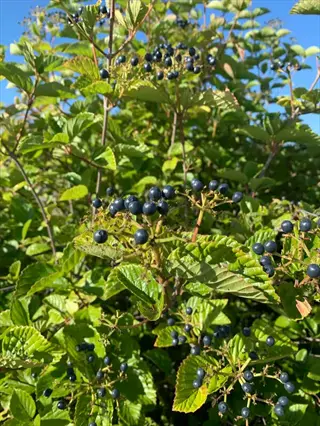
Blue Muffin (Christom)
- Mature Size: Reaches 5 to 7 feet (1.5 to 2.1 meters) tall and wide, making it the most compact arrowwood viburnum cultivar available for residential gardens.
- Fall Color: Foliage turns shades of yellow and red in autumn, providing reliable seasonal color change in most growing zones across its range.
- Berry Production: Produces exceptionally vibrant blue berries that stand out against the foliage, giving this cultivar its trademark name and strong ornamental appeal.
- Best Use: Ideal for small gardens, foundation plantings, and low hedges where full-size arrowwood viburnum would outgrow the space within a few seasons.
- Growth Habit: Dense, rounded form with a naturally tidy shape that requires minimal pruning to maintain an attractive appearance throughout the growing season.
- Availability: One of the most widely sold arrowwood viburnum cultivars at garden centers, making it easy to find multiple plants for cross-pollination.
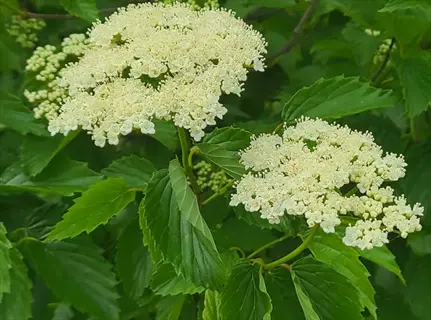
Chicago Lustre (Synnestvedt)
- Mature Size: Grows 8 to 10 feet (2.4 to 3 meters) tall and wide, fitting well in medium-sized landscape spaces as a hedge or specimen planting.
- Fall Color: Delivers a mix of yellow, orange, and reddish-purple autumn foliage that creates a striking display against darker evergreen backgrounds.
- Foliage Quality: Known for its exceptionally glossy, deep green leaves that give the plant a polished appearance unmatched by other arrowwood viburnum cultivars.
- Best Use: Works well as a formal or informal hedge, privacy screen, or background shrub where the lustrous foliage adds visual depth to the landscape.
- Disease Resistance: Rated as one of the more trouble-free selections with good resistance to common foliar diseases like powdery mildew and leaf spot.
- Origin: Selected at the Morton Arboretum in Illinois and released for its superior foliage quality and reliable performance across a wide range of growing conditions.
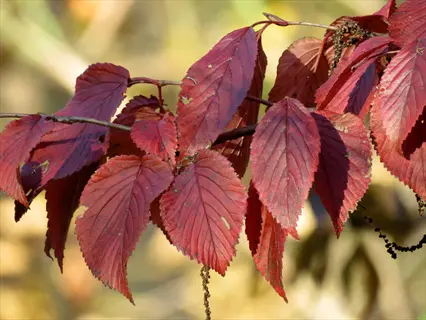
Northern Burgundy (Morton)
- Mature Size: Reaches 10 to 12 feet (3 to 3.7 meters) tall and wide at maturity, making it one of the largest arrowwood viburnum cultivars for spacious landscapes.
- Fall Color: Produces deep burgundy and maroon autumn foliage that is among the richest fall color of any arrowwood viburnum cultivar currently available.
- Best Use: Excellent choice for large privacy screens, windbreaks, and naturalized borders where its full size creates a substantial visual and physical barrier.
- Growth Habit: Upright and arching form with strong branching structure that holds up well under snow load and wind exposure in northern climates.
- Hardiness: Performs reliably in colder zones with strong winter hardiness, making it a top pick for gardens in the upper Midwest and Northeast regions.
- Wildlife Value: Large size and dense branching provide excellent nesting habitat for songbirds while abundant berries feed migrating and resident bird species.
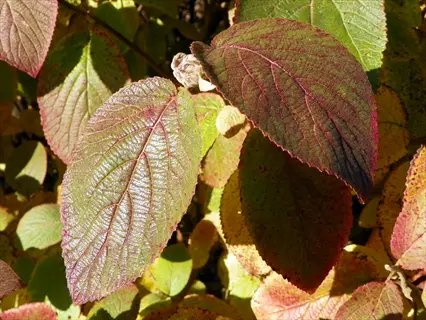
Autumn Jazz (Ralph Senior)
- Mature Size: Grows 10 to 12 feet (3 to 3.7 meters) tall and 8 to 12 feet (2.4 to 3.7 meters) wide, creating a large rounded mass of foliage.
- Fall Color: Offers the most varied autumn palette with leaves turning yellow, orange, red, and purple simultaneously on the same plant for a multicolored display.
- Best Use: Ideal for naturalized areas, large borders, and conservation plantings where its size and seasonal color provide maximum landscape impact.
- Flower Production: Bears large flat-topped clusters of creamy white flowers in late spring that attract native bees, butterflies, and other beneficial pollinators.
- Adaptability: Tolerates a wider range of soil conditions than many cultivars, including clay and occasionally wet sites near ponds, streams, or rain gardens.
- Origin: Selected at the Morton Arboretum and named for its outstanding fall foliage performance that resembles a jazz ensemble of autumn colors.
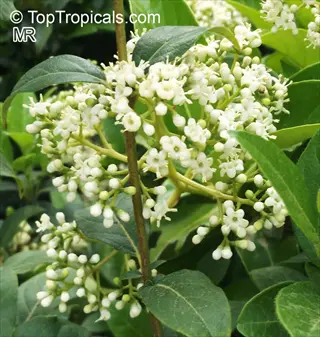
Moonglow
- Mature Size: Reaches 8 to 10 feet (2.4 to 3 meters) tall and wide, placing it in the medium range between compact and full-size arrowwood viburnum cultivars.
- Fall Color: Foliage develops warm yellow and orange autumn tones that glow in afternoon sunlight, giving this cultivar its evocative and descriptive trade name.
- Foliage Texture: Features slightly larger, more rounded leaves than the straight species, creating a softer overall texture in the landscape throughout the season.
- Best Use: Well suited for mixed borders, specimen plantings, and transitional areas between formal garden beds and naturalized sections of the landscape.
- Berry Display: Produces generous clusters of blue-black berries in late summer and fall that attract songbirds and provide weeks of wildlife feeding activity.
- Maintenance: Requires minimal pruning and performs well with a simple annual cleanup after flowering, making it a low-effort addition to native plant gardens.
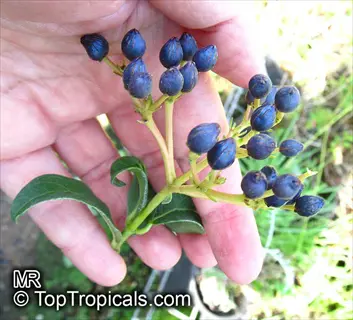
Perle Bleu
- Mature Size: Grows 6 to 8 feet (1.8 to 2.4 meters) tall and wide, fitting into a mid-range size category suitable for moderate-sized residential landscapes.
- Fall Color: Produces attractive shades of reddish-purple autumn foliage that pairs well with late-season perennials and ornamental grasses in mixed plantings.
- Berry Quality: Named for its particularly large and showy blue pearl-like berries that stand out among arrowwood viburnum cultivars for ornamental fruit display.
- Best Use: Works well in mixed hedgerows, pollinator gardens, and wildlife habitat plantings where both ornamental appeal and ecological function are priorities.
- Adaptability: Performs reliably across a broad range of USDA hardiness zones from 3 through 8, handling both cold winters and warm summers with consistency.
- Pollinator Support: Flat-topped flower clusters provide an accessible landing platform for native bees, hoverflies, and small butterflies during the spring bloom period.
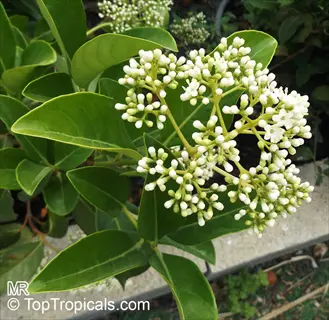
Allegheny Viburnum
- Mature Size: Reaches 6 to 10 feet (1.8 to 3 meters) tall and wide, providing a versatile mid-range option that adapts well to various landscape settings.
- Fall Color: Develops rich red and orange autumn foliage that holds on the plant longer than many other arrowwood viburnum selections before dropping.
- Leaf Texture: Features thicker, more leathery leaves with deeply impressed veins that give the foliage a textured, rugged appearance unlike the smoother-leaf cultivars.
- Best Use: Excellent for naturalized woodland edges, stream bank plantings, and areas where a slightly wilder appearance fits the overall landscape aesthetic.
- Regional Strength: Named for the Allegheny Mountain region and performs particularly well in the eastern United States where it originates from native populations.
- Ecological Role: Serves as a reliable larval host for the Spring Azure butterfly while providing dense cover and berry food for resident and migrating songbirds.
Planting Arrowwood Viburnum
Knowing how to plant arrowwood viburnum the right way gives your shrub the best shot at a long, healthy life. In my experience planting dozens of these shrubs over the years, the ones I took extra time to prepare for still look the best today. Your planting site selection matters more than most people think.
Pick a spot with full sun to partial shade and moist soil that drains well. Arrowwood viburnum likes a pH between 5.0 and 6.5 so test your dirt before you dig. The good news is this shrub handles clay and sandy soils just fine. It even grows near Black Walnut trees, which kill off most other plants in the area.
I tested both spring and fall planting with this shrub and the timing depends on your zone. Spring planting works best in zones 2 through 5 where winters hit hard and roots need warm months to get set. Fall planting suits zones 6 through 8 better because mild winters let roots grow without summer heat stress. Either way, get your transplanting arrowwood viburnum done on a cloudy day to cut down on shock.
Dig your hole twice as wide as the root ball but no deeper than the root mass sits in the pot. Set the plant so the top of the root ball lines up with the soil surface. Backfill with your native soil mixed with a shovel of compost and water it deep right away. Skip the fertilizer at planting time since it can burn fresh roots.
Your arrowwood viburnum spacing should be 6 to 10 feet apart for a hedge and 10 to 12 feet for specimen plants. Keep at least 2 different cultivars within 50 feet of each other so they cross pollinate and make berries. That first year you need to water once a week with about an inch of water to help roots spread out. Stay away from spots with alkaline soil or packed ground since both cause this shrub to struggle.
Year-Round Care and Maintenance
Knowing how to care for arrowwood viburnum through each season keeps your shrub looking great year after year. I follow a simple care routine that takes me about 10 minutes per month and my plants have stayed healthy for over 7 years now. This low maintenance shrub earns its easy reputation but it still needs a few key steps at the right time.
The best approach to pruning viburnum is to wait until right after it blooms in late spring. Cut back any dead or crossing branches first and then shape the rest to your liking. Watering arrowwood viburnum is simple once the roots get going since it handles drought well after the first year. I give mine a deep soak during hot dry spells in summer and that's about all they ask for. This deer resistant shrub won't get chewed up by wildlife either, which saves you a lot of headaches.
Viburnum Leaf Beetle Threat
The viburnum leaf beetle is the biggest arrowwood viburnum problems you need to watch for in your garden. This invasive pest from Europe first showed up in Canada back in 1947 and hit New York by 1996. It now spans 19 counties in Wisconsin alone and keeps spreading across the eastern US. Arrowwood viburnum ranks as a "strongly preferred" host for this beetle.
I lost 2 mature shrubs to this pest before I learned how to spot the signs early. A single female can lay up to 500 eggs in one season with 5 to 8 eggs packed into each tiny pit on your twigs. Left alone these beetles can strip every leaf off your plant and kill it within 2 to 4 years of repeated attacks. Think of winter twig checks as your first line of defense against a full blown spring swarm.
Good viburnum pest control starts with organic pest control for viburnum and smart garden habits. The tips below show you winter pruning tricks and safe sprays that protect your pollinators too.
Winter Twig Pruning (October to March)
- Method: Inspect twigs from October through early spring for small brown egg-laying pits arranged in a line on the underside of young shoots.
- Action: Prune and destroy all infested twigs before eggs hatch in spring, removing them from the property entirely rather than composting them nearby.
- Effectiveness: This is the single most effective non-chemical control method because it eliminates hundreds of potential larvae before they ever feed on foliage.
Natural Predator Encouragement
- Key Predators: Lady beetles, spined soldier bugs, assassin bugs, and green lacewings all feed on viburnum leaf beetle larvae during the spring feeding period.
- Habitat Support: Maintain mixed plantings nearby with groundcover and flowering plants that provide shelter and alternative food sources for beneficial predator insects.
- Avoid Broad Sprays: Broad-spectrum insecticide applications kill natural predators alongside the target pest, often making viburnum leaf beetle populations worse in following years.
Organic Spray Treatments
- Options: Neem oil, insecticidal soap, pyrethrins, and spinosad are all effective organic treatments that target viburnum leaf beetle larvae when applied during active feeding.
- Timing: Apply organic sprays when larvae are small and actively feeding on leaf undersides, typically in late spring when leaves are just fully expanded.
- Coverage: Thorough coverage of both upper and lower leaf surfaces is essential because larvae primarily feed on the underside where they are easily missed.
Horticultural Oil Application
- Pre-Bud Break Spray: Apply dormant horticultural oil before buds open in early spring to suffocate overwintering egg masses on twigs and reduce larval emergence.
- Concentration: Follow label rates carefully; dormant oil is typically applied at a higher concentration than growing-season oil to penetrate egg pit coverings.
- Pollinator Safety: Systemic insecticide products must be applied only after flowering is complete to avoid harming pollinators that visit arrowwood viburnum blooms.
Wildlife and Ecological Value
Arrowwood viburnum builds a complete wildlife habitat right in your yard. The white flower clusters feed pollinator friendly bees and hoverflies each spring. Dense summer leaves host butterfly larvae. Fall berries stuff the bellies of birds. I counted over 12 pollinator species on my blooms in a single afternoon last May.
This shrub works as a larval host plant for several butterflies. The Spring Azure butterfly host role gets the most press. Red Admiral, Eastern Comma, and Question Mark butterflies also use the leaves. Hummingbird moths stop by the flowers too. I almost sprayed tiny caterpillars off my viburnum leaves once. Then I saw they were Spring Azure larvae doing what nature built them to do.
The berry crop makes arrowwood viburnum a top bird food source from late summer through winter. Songbirds, grouse, wild turkeys, and squirrels all eat those blue black fruits. Thick branches give small birds safe nesting spots away from hawks and cats. One study showed that losing arrowwood plants to leaf beetles hurt bird counts and weight gain during spring trips north.
In my experience adding native plants for pollinators like this shrub changes your whole yard over time. Each arrowwood you plant creates a small hub of food and shelter. That hub links to other native plantings near you and keeps your local ecosystem strong.
Landscape Design Uses
A privacy hedge is the most common use I see for arrowwood viburnum in home gardens. Your arrowwood viburnum hedge spacing should be about 5 to 6 feet apart for a thick screen that fills in within 3 years. Screen planting with this shrub blocks views, cuts wind, and adds wildlife value all at once. Skip this plant for foundation beds or mass plantings since it gets too big for those spots.
You can also use arrowwood viburnum as a native garden specimen or border plant on its own. I put them along my back fence line where they give me a green wall of leaves in summer and fall color each October. This shrub helps you with erosion control on slopes and banks near water too. Your roots hold soil in place while the plant handles both wet and dry spells for you.
If you have a rain garden this shrub shows off its toughest side there. Your arrowwood viburnum soaks up storm water, filters runoff, and keeps growing strong in soggy soil. I planted 3 shrubs in my rain garden swale and they took off faster than anything else I put in for you to see.
Companion planting with other natives gives you a full ecosystem from one planting bed. Pair your arrowwood with elderberry and spicebush for a shrub layer that feeds birds all season. Add black eyed Susan, coneflowers, and native asters at the base for color. Put beautyberry and buttonbush near wet spots for more fill. This layered setup copies how these plants grow in the wild and gives you the best results with less work.
5 Common Myths
Arrowwood viburnum berries are toxic and should never be eaten by humans or handled without gloves.
NC State Extension lists arrowwood viburnum fruit as edible, though the berries are primarily valued as food for birds and small mammals rather than culinary use.
A single arrowwood viburnum plant will produce plenty of blue-black berries on its own each season.
Cross-pollination from a different genetic strain is required for fruit set, so planting at least two different cultivars or seedlings is necessary for berry production.
Arrowwood viburnum only grows well in full sun and will fail completely in shaded garden areas.
Arrowwood viburnum tolerates partial shade and naturally grows along forest edges and stream banks with dappled light, though full sun produces the most flowers and berries.
Viburnum leaf beetle is a minor nuisance that rarely causes lasting harm to arrowwood viburnum plants.
Viburnum leaf beetle can completely defoliate arrowwood viburnum, and repeated infestations over two to four years can kill the entire plant according to Wisconsin Extension research.
All arrowwood viburnum cultivars grow to the same height of about 10 feet (3 meters) at maturity.
Cultivar heights vary significantly, from compact Blue Muffin at 5 to 7 feet (1.5 to 2.1 meters) to Northern Burgundy and Autumn Jazz at 10 to 12 feet (3 to 3.7 meters).
Conclusion
Arrowwood viburnum gives you four seasons of value from a single native shrub that asks very little in return. Spring flowers feed your pollinators. Summer leaves host butterfly larvae. Fall color lights up your yard. Winter berries keep the birds coming back. Few plants deliver that kind of range with so little fuss.
Viburnum dentatum grows across over 30 US states in USDA zones 2a through 8b. That range means most gardeners in the eastern half of the country can grow it with ease. Whether you use it as a privacy hedge, a rain garden anchor, or a wildlife garden focal point, this native shrub fits right in. I've watched mine go from bare root sticks to full grown bird friendly shrubs in under 5 years.
The one thing I want you to take away from this guide is the cross pollination rule. Plant at least 2 different cultivars near each other and you'll get the berry crop that drives most of the wildlife value. Skip that step and you miss out on the best part of growing this shrub.
In my experience every arrowwood you plant builds a bigger web of native habitat near you. That's not just good for your yard. It helps every garden on your street and beyond stay strong for birds and pollinators alike.
External Sources
Frequently Asked Questions
Where is the best place to plant arrowwood viburnum?
Plant arrowwood viburnum in full sun to partial shade with moist, well-drained, slightly acidic soil for the best growth and berry production.
What are the disadvantages of viburnum?
Viburnum disadvantages include susceptibility to viburnum leaf beetle, the need for cross-pollination for berries, and a slightly unpleasant flower fragrance in some species.
Are arrowwood viburnums poisonous?
Arrowwood viburnum berries are not considered poisonous. NC State Extension lists the fruit as edible, though they are primarily valued as wildlife food.
How tall do arrowwood viburnum get?
Arrowwood viburnum typically reaches 5 to 15 feet (1.5 to 4.6 meters) tall depending on the cultivar and growing conditions.
Is viburnum a fast growing plant?
Viburnum has a medium growth rate, not especially fast. Most arrowwood viburnum cultivars add moderate new growth each season.
Which viburnums smell bad?
Arrowwood viburnum (Viburnum dentatum) flowers have a slightly unpleasant fragrance noted by university extension sources.
Are viburnum leaves toxic to dogs?
Viburnum leaves are not listed as toxic to dogs by major veterinary poison databases, though ingestion of large amounts of plant material may cause mild stomach upset.
What problems does arrowwood have?
Arrowwood viburnum problems include viburnum leaf beetle, powdery mildew, leaf spots, aphids, and potential iron deficiency in alkaline soils.
Is arrowwood toxic to dogs?
Arrowwood viburnum is not considered toxic to dogs. The berries and foliage are not listed on major veterinary toxicity databases.
Do you need two arrowwood viburnums?
Yes, you need at least two different genetic strains of arrowwood viburnum for cross-pollination to produce the blue-black berries.