
Introduction
My first bonsai trees arrived as a gift from a friend who told me I needed to slow down after work. That small juniper sat on my desk for a week before I saw how much care it needed. Ten years later I own over 40 trees and spend most mornings with pruning shears in hand.
So what is bonsai? The word means "tree in a pot" and the practice started in China over 2,000 years ago. Japanese artisans then turned it into a true living art form. A bonsai is not a houseplant on a shelf. It's a living sculpture that changes over decades. Your patience and pruning shape it the way a river shapes stone.
This guide covers everything you need to grow your own miniature tree at home. You'll find species picks for beginners and seasonal care tips. I also share shaping methods and cultural history. You'll even see peer reviewed research on the real health benefits of bonsai. No other resource brings all of these topics together in one place.
The bonsai community keeps growing fast. 65 clubs in California alone show just how many people are joining this hobby. Whether you want a single tree on your windowsill or a full outdoor setup, this guide helps you start strong and keep your trees healthy for years.
8 Best Bonsai Trees for Beginners
Virginia Tech research lists over 50 species for outdoor bonsai and 19 or more that do well indoors. That's a lot of choices for someone just getting started. I've grown most of these species over the years and tested which ones forgive beginner mistakes best.
The best bonsai trees for beginners share a few key traits. They bounce back from missed waterings. They handle pruning errors without dying. Most of them also grow fast enough to show you results within a few months. I split this list into indoor bonsai trees and outdoor bonsai trees so you can pick the right match for your space. Each listing pairs the species with a bonsai style that suits its natural growth pattern.
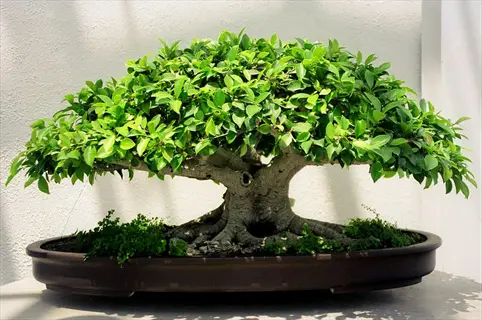
Ficus Retusa (Indoor)
- Growth Pattern: Ficus retusa produces thick aerial roots and a broad canopy that responds well to regular pruning, making it ideal for the informal upright style favored by many beginners.
- Light Needs: This species thrives in bright indirect light near a south-facing window but tolerates lower light better than most bonsai, surviving with as little as 4 hours of filtered sunlight daily.
- Watering Approach: Water when the top half inch (1.3 centimeters) of soil feels dry to the touch, typically every 3 to 5 days indoors depending on humidity and temperature levels.
- Temperature Range: Ficus prefers temperatures between 60 and 75 degrees Fahrenheit (15 to 24 degrees Celsius) and should never be exposed to temperatures below 50 degrees Fahrenheit (10 degrees Celsius).
- Beginner Appeal: Ficus bonsai is forgiving of inconsistent watering and recovers quickly from pruning mistakes, making it the single most recommended species for first-time bonsai growers worldwide.
- Styling Potential: The naturally thick trunk and spreading root system make ficus excellent for root-over-rock displays and informal upright designs that look mature within just a few years.
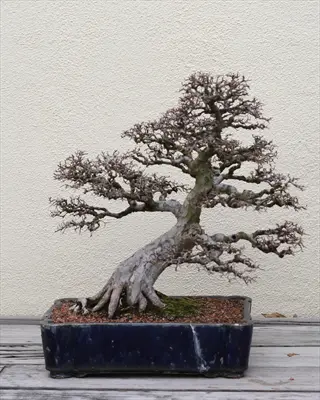
Chinese Elm (Indoor or Outdoor)
- Growth Pattern: Chinese elm bonsai develops fine ramification and small leaves naturally, producing a graceful canopy with delicate branching that suits formal upright and broom styles beautifully.
- Light Needs: This versatile species grows well in full sun outdoors or bright indirect light indoors, adapting to a wider range of light conditions than most bonsai species available.
- Watering Approach: Keep the soil consistently moist but never waterlogged, checking daily during summer and every 2 to 3 days in winter when growth slows down significantly.
- Temperature Range: Chinese elm tolerates temperatures from 20 to 90 degrees Fahrenheit (negative 7 to 32 degrees Celsius), though indoor specimens prefer staying above 50 degrees Fahrenheit (10 degrees Celsius).
- Beginner Appeal: The fast growth rate provides visible results within months, and the tree signals water needs clearly by drooping its leaves before suffering any permanent damage.
- Styling Potential: The naturally flaking bark develops character quickly, and the fine twig structure responds to pinching and clip-and-grow techniques that beginners can learn easily.
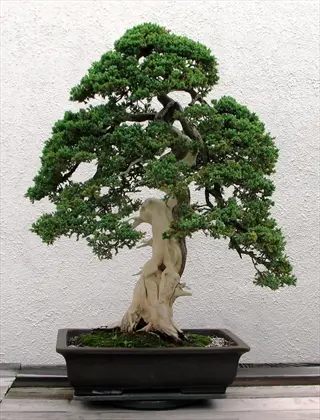
Juniper (Outdoor)
- Growth Pattern: Juniper bonsai produces dense foliage pads and flexible branches that accept wiring well, allowing beginners to practice shaping techniques without breaking branches easily.
- Light Needs: This species requires full outdoor sun for at least 6 hours daily and will slowly decline if kept indoors permanently, even near a bright window with supplemental lighting.
- Watering Approach: Water thoroughly when the soil surface begins to dry, typically every 1 to 2 days in summer heat and every 3 to 4 days during cooler months depending on climate.
- Temperature Range: Junipers are cold-hardy down to about minus 10 degrees Fahrenheit (negative 23 degrees Celsius) and actually need winter dormancy below 40 degrees Fahrenheit (4 degrees Celsius) to stay healthy.
- Beginner Appeal: Juniper is the most widely available bonsai species at nurseries and garden centers, often sold as pre-styled starter trees that give beginners an immediate sense of accomplishment.
- Styling Potential: The species suits nearly every bonsai style from formal upright to cascade and windswept, and the deadwood features called jin and shari add dramatic visual character.
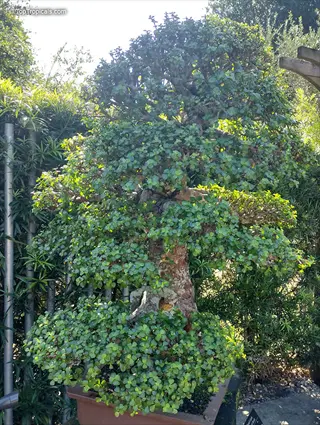
Jade Plant (Indoor)
- Growth Pattern: Jade plants develop thick woody trunks and fleshy round leaves that naturally create a miniature tree appearance without extensive training or advanced shaping techniques required.
- Light Needs: This succulent species needs bright direct sunlight for at least 4 to 6 hours per day and thrives on a sunny windowsill where most other bonsai would overheat.
- Watering Approach: Allow the soil to dry completely between waterings, typically every 10 to 14 days, making jade one of the most drought-tolerant and forgiving bonsai options available.
- Temperature Range: Jade prefers temperatures between 65 and 80 degrees Fahrenheit (18 to 27 degrees Celsius) and cannot tolerate frost or temperatures below 40 degrees Fahrenheit (4 degrees Celsius).
- Beginner Appeal: The extremely low maintenance requirements and high tolerance for neglect make jade perfect for people who travel frequently or have unpredictable daily schedules.
- Styling Potential: The thick trunk develops naturally over time, and jade responds well to hard pruning for creating compact informal upright shapes with a weathered ancient tree appearance.
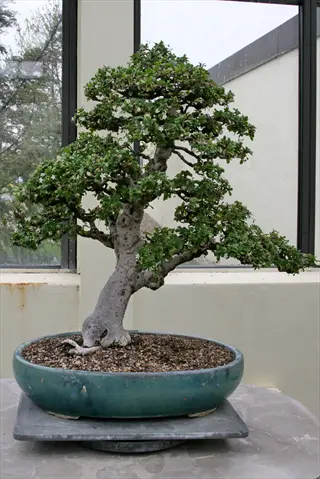
Fukien Tea (Indoor)
- Growth Pattern: Fukien tea produces tiny white flowers and small red berries year-round indoors, adding visual interest beyond foliage that few other indoor bonsai species can match.
- Light Needs: This tropical species needs bright indirect light and benefits from a few hours of gentle morning sun, but scorches easily under intense afternoon direct sunlight.
- Watering Approach: Keep the soil evenly moist at all times without letting it become soggy, checking moisture levels daily since Fukien tea is sensitive to both drought and overwatering.
- Temperature Range: Maintain temperatures between 60 and 80 degrees Fahrenheit (15 to 27 degrees Celsius) and keep away from cold drafts, air conditioning vents, and heating radiators.
- Beginner Appeal: The year-round flowering habit provides motivation and visual reward for beginners, though this species requires more attention to humidity levels than ficus or jade.
- Styling Potential: The naturally small leaves and dense branching pattern make Fukien tea ideal for creating refined informal upright bonsai that look mature even at small shohin sizes.
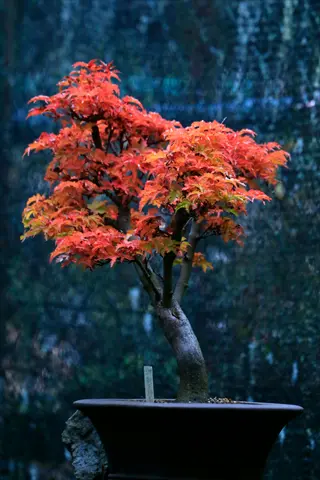
Japanese Maple (Outdoor)
- Growth Pattern: Japanese maples display stunning seasonal color changes from spring green through summer red to autumn gold and orange, creating a living artwork that transforms throughout the year.
- Light Needs: This species prefers morning sun with afternoon shade protection, especially in hot climates where temperatures regularly exceed 85 degrees Fahrenheit (29 degrees Celsius) during summer months.
- Watering Approach: Japanese maples are thirsty trees that may need watering twice daily during hot summer weather, requiring well-draining soil that retains enough moisture between sessions.
- Temperature Range: Hardy down to about 15 degrees Fahrenheit (negative 9 degrees Celsius) when planted in the ground, though potted bonsai need root protection when temperatures drop below 28 degrees Fahrenheit (negative 2 degrees Celsius).
- Beginner Appeal: The dramatic seasonal color changes reward patience and the species responds predictably to basic pruning, though summer heat management adds an extra layer of care.
- Styling Potential: Japanese maple excels in informal upright, multi-trunk, and forest planting styles, with the delicate leaf structure creating an impression of a full-sized tree.
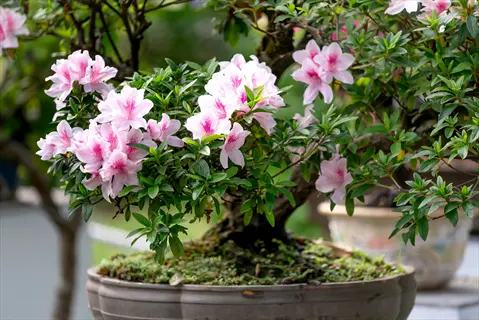
Azalea (Outdoor)
- Growth Pattern: Azaleas produce spectacular flower displays in spring, with blooms covering the entire canopy in shades of pink, red, white, and purple that last several weeks each year.
- Light Needs: This species grows best in bright indirect light or dappled shade outdoors, performing well under tree canopy cover where it receives filtered sunlight throughout the day.
- Watering Approach: Azaleas prefer consistently moist acidic soil and should never be allowed to dry out completely, requiring daily checks during warm weather and weekly checks during dormancy.
- Temperature Range: Most azalea varieties are hardy down to about 0 degrees Fahrenheit (negative 18 degrees Celsius) and need winter cold exposure below 45 degrees Fahrenheit (7 degrees Celsius) to trigger spring blooming.
- Beginner Appeal: The spectacular flower display provides strong seasonal motivation, and azaleas are widely available at garden centers at affordable prices for those starting their collection.
- Styling Potential: Azaleas work beautifully in informal upright and semicascade styles, with the ability to shape flowering areas through selective pruning immediately after blooms fade each spring.
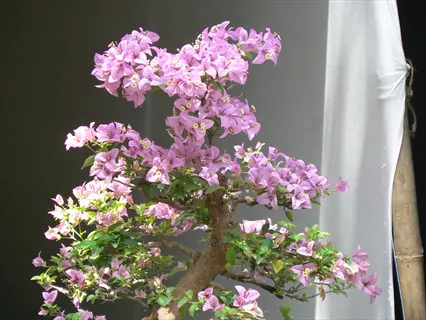
Bougainvillea (Outdoor or Indoor)
- Growth Pattern: Bougainvillea produces vibrant papery bracts in magenta, orange, white, and pink that cascade over branches, creating a tropical display unmatched by most temperate bonsai species.
- Light Needs: This sun-loving species demands full direct sunlight for at least 6 hours daily and flowers most heavily when given maximum light exposure throughout the growing season.
- Watering Approach: Allow the soil to dry slightly between waterings and reduce watering to stress the plant lightly before the bloom period, which encourages heavier and more colorful flowering.
- Temperature Range: Bougainvillea thrives between 65 and 95 degrees Fahrenheit (18 to 35 degrees Celsius) and needs protection from frost, requiring indoor overwintering in climates below 40 degrees Fahrenheit (4 degrees Celsius).
- Beginner Appeal: The explosive color display makes bougainvillea one of the most visually striking bonsai options, though the thorny branches require careful handling during pruning and wiring sessions.
- Styling Potential: The species suits cascade and semicascade styles naturally due to its trailing growth habit, and the thick trunk develops bark character rapidly within just a few years.
Leaves on all of these species will get smaller over time as the tree grows in a small pot. This process called leaf miniaturization is one of the coolest parts of bonsai to watch as a new grower.
Bonsai Styles and Sizes
Bonsai styles tell a story about where a tree might grow in nature. A formal upright bonsai looks like a strong oak in an open field. A cascade bonsai looks like a pine clinging to a cliff face. Virginia Tech lists 6 main styles by trunk angle and about 10 bonsai size classifications.
Think of picking a style like picking an art genre. Formal upright is like classic portrait painting. Windswept bonsai is more like abstract art. Each style tells a different story about the tree and the forces that shaped it. I suggest you pick a style that speaks to you before you buy your first tree.
Bonsai sizes also have Japanese names you'll see at shows and in shops. Mame bonsai fits in your palm at under 4 inches tall. Shohin bonsai reaches up to about 8 inches. Larger trees go all the way up to dai size at over 60 inches. Most beginners do best with shohin or medium sizes because they're easier to move and water.
I started with a medium cascade bonsai juniper. It taught me more about wiring than any book could. Your first style choice shapes what skills you build. Pick something that excites you enough to work on it every week.
Bonsai Care Essentials
Here's the biggest shock for new growers: overwatering bonsai kills more trees than letting them dry out. I lost my first 2 trees because I soaked them every single day. Good bonsai tree care starts with the right bonsai soil and a smart bonsai watering routine.
Think of bonsai soil like a parking garage with great drainage. Water flows through fast and air fills the gaps between particles. Your roots never sit in standing water. A good bonsai soil mix uses clay, pumice, and lava rock in even sizes. You don't need pricey Japanese akadama either. Moler clay and diatomaceous earth work just as well for a fraction of the cost.
Bonsai fertilizing follows a simple rule. Use a balanced feed with equal parts of the 3 main plant nutrients. Feed every 2 weeks during the growing season and taper off in fall. Bonsai repotting happens in early spring every 2 to 3 years for most species. The bonsai seasonal care calendar below breaks down every major task by season so you always know what to do next.
Spring: Growth and Repotting
- Repotting Window: Early spring before buds open is the ideal time to repot bonsai, trimming up to one-third of the root mass and refreshing the soil mix with fresh clay, pumice, and lava particles.
- Fertilizing Start: Begin feeding with a balanced fertilizer when new growth appears, applying every 2 weeks through the growing season to support the energy demands of leaf and branch development.
- Pruning Kickoff: Start structural pruning on deciduous species once leaves have fully expanded, removing crossing branches and any growth that disrupts the planned style and silhouette.
- Watering Increase: As temperatures rise and new foliage expands, daily watering often becomes necessary since fresh leaves transpire heavily and soil dries faster in warming spring conditions.
Summer: Active Growth Season
- Watering Frequency: Check soil moisture at least twice daily during peak summer heat, as small pots can dry out in hours when temperatures exceed 85 degrees Fahrenheit (29 degrees Celsius).
- Sun Protection: Move sensitive species like Japanese maple to afternoon shade when temperatures stay above 90 degrees Fahrenheit (32 degrees Celsius) to prevent leaf scorch and tip burn.
- Wiring Window: Late spring through early summer offers the best window for wiring branches on most species, while the wood is flexible enough to bend without snapping during positioning.
- Pest Monitoring: Inspect foliage weekly for aphids, spider mites, and scale insects that thrive in warm conditions, treating infestations early before they spread to neighboring trees.
Fall: Preparation and Deadlines
- Pruning Deadline: Stop all pruning by mid-August to allow cuts to heal and new growth to harden before winter, since late pruning triggers tender shoots vulnerable to frost damage.
- Wire Removal: Remove all training wire before branches thicken during the fall growth push, as wire left too long cuts into bark and leaves permanent scars on the trunk and limbs.
- Fertilizer Taper: Switch to a low-nitrogen fertilizer in early fall to discourage soft new growth, then stop feeding entirely about 4 weeks before your average first frost date arrives.
- Cold Preparation: Begin planning winter protection for species that need it, positioning trees near buildings or preparing cold frames before the first hard freeze catches you unprepared.
Winter: Dormancy and Protection
- Frost Protection: Protect root systems when temperatures drop below 28 degrees Fahrenheit (negative 2 degrees Celsius) by moving pots into an unheated garage, cold frame, or mulching around the container.
- Reduced Watering: Water dormant outdoor bonsai sparingly, checking every few days to ensure the soil stays slightly moist without becoming saturated or frozen solid for extended periods.
- Planning Time: Use the dormant season to study your trees' bare branch structures, plan spring styling decisions, and research new techniques to apply when growth resumes in warmer months.
- Indoor Species Care: Keep tropical indoor bonsai away from heating vents and radiators that dry the air, and consider a humidity tray filled with pebbles and water to maintain moisture levels.
Shaping and Training Techniques
Bonsai shaping is where art meets effort. You need just a few basic bonsai tools to start: sharp scissors, a concave cutter, and some training wire. I spent years learning bonsai pruning techniques and bonsai wiring through trial and error. The guide below saves you from making the same mistakes I did.
Every cut you make should be a small step toward the design you see in your mind. Structural pruning sets the big picture shape. Maintenance pruning keeps it clean over time. Bonsai wiring bends branches into new spots, like setting a bone in a cast. The wire holds the branch until the wood hardens, then you must remove it before it bites into the bark.
Keep 2 key rules from Virginia Tech in mind. Do not prune after mid August or you'll trigger soft growth that frost will kill. Do not leave wire on for more than one growing season or it will scar the bark for good. If you collect wild trees, let them rest in a garden bed for a full year before you put them in a training pot.
Structural Pruning
- Purpose: Structural pruning removes major branches to establish the overall shape and silhouette of the bonsai, defining the primary branch layout that will guide all future styling decisions.
- Timing: Perform structural pruning in late winter or early spring before buds break on deciduous trees, and in early to mid spring for conifers when sap flow supports faster wound healing.
- Technique: Use a concave cutter to remove branches flush with the trunk, creating a slightly hollow wound that heals flat rather than leaving a visible bump or raised scar on the bark.
- Safety Rule: Never remove more than one-third of the total foliage mass in a single session, as removing too much canopy at once can shock the tree and weaken its root system.
Maintenance Pruning
- Purpose: Maintenance pruning controls ongoing growth by trimming new shoots to maintain the tree's established shape, encouraging back-budding and finer branch ramification over time.
- Timing: Pinch or trim new growth throughout the growing season from spring through mid-August, stopping before fall to allow the tree to harden off before winter dormancy begins.
- Technique: Use sharp scissors to cut new shoots back to 2 or 3 leaf pairs, directing future growth inward and downward to build dense foliage pads that look natural and full.
- Frequency: Check trees weekly during active growth, as fast-growing species like Chinese elm and ficus may need trimming every 2 to 3 weeks to maintain their intended profile.
Branch Wiring
- Purpose: Wiring wraps aluminum or annealed copper wire around branches to bend and reposition them into desired angles, creating the specific style and movement the grower envisions for the design.
- Timing: Wire deciduous trees in late spring when branches are flexible and full of sap, and wire conifers in late fall or early winter when reduced sap flow makes branches less brittle.
- Technique: Wrap wire at a consistent 45-degree angle along the branch, using wire thickness approximately one-third the diameter of the branch being shaped to provide adequate holding strength.
- Removal: Check wired branches monthly and remove wire before it bites into the bark, typically after one growing season or sooner if the branch begins to show wire impression marks.
Root Reduction and Repotting
- Purpose: Root reduction during repotting controls the tree's overall size, refreshes depleted soil nutrients, and encourages fine feeder root growth that improves the tree's health and vigor.
- Timing: Repot most species every 2 to 3 years in early spring just before buds swell, with younger fast-growing trees needing more frequent repotting than mature established specimens.
- Technique: Remove the tree from its pot, rake out the old soil with a root hook, trim up to one-third of the root mass focusing on thick downward-growing roots rather than fine feeders.
- Aftercare: Water thoroughly after repotting and keep the tree in a sheltered spot with indirect light for 2 to 4 weeks, avoiding fertilizer until new root growth is clearly established.
Cultural History and Symbolism
You might think bonsai is just a hobby. But its bonsai cultural significance runs deep. The Japanese bonsai tradition shaped art and even built bridges between nations. One tree in a museum proves this better than any book.
The Yamaki Pine grew from a seed in 1625 and 5 family members cared for it over the years. This Hiroshima bonsai tree lived through the 1945 atomic bombing. It now sits at the National Bonsai Museum in Washington D.C. Japan gave 53 bonsai trees to the United States in 1976 for the nation's 200th birthday. That gift turned bonsai into a symbol of peace.
Bonsai symbolism shows up in every style. A windswept tree stands for strength in hard times. Roots over rocks speak to old age and grit. Blooming bonsai remind you that beauty doesn't last forever, a core idea in Japanese culture.
Wild tree collecting goes by the name yamadori in bonsai circles. The USDA Forest Service sells permits at $7.50 per tree for zones from 8,000 to 9,000 feet up. When I first saw a yamadori juniper at a show, I could feel years of wind in its twisted trunk. Museum curator Michael James says it best: a bonsai is a work of art. It means something different to each person who sees it.
Health Benefits of Bonsai
Most bonsai guides skip the health side of this hobby. But a 2021 study of 255 bonsai growers found real bonsai therapeutic benefits backed by data. I noticed the bonsai stress relief on my own after a few months of morning pruning. My mind would go quiet in a way that no app or podcast could match.
The study by Hermann and Edwards measured bonsai mental health effects across 8 areas. Growers scored a mean anxiety level of just 2.91 on the GAD 7 scale. That sits well below the mild threshold of 5. Depression scores came in at 2.54 on the PHQ 9, also below clinical concern. These numbers show that bonsai wellbeing goes beyond just feeling good. It links to real mental health markers.
You don't need a fancy retreat or costly gym to feel these effects. Bonsai meditation happens right at your work bench. The focus you put into wiring a branch or trimming new growth works like a moving meditation. Hospitals and rehab centers now run bonsai therapy programs for patients. The setup costs are low and it helps people of all ages. Horticultural therapy bonsai works in all kinds of care settings.
Other studies back this up too. One 2017 study found that just looking at bonsai trees cut down negative feelings in patients with spinal injuries. A 2018 study showed bonsai views helped elderly rehab patients relax. You get all of these bonsai stress relief benefits from a hobby that costs less than most monthly streaming plans to maintain.
5 Common Myths
Bonsai trees are a specific dwarf species of tree that stays small on its own without any human intervention.
Bonsai are regular tree species kept miniature through deliberate pruning, root reduction, and container growing techniques over many years.
Bonsai trees must always be kept indoors on a windowsill because they are delicate miniature houseplants.
Most bonsai species are outdoor trees that need natural sunlight, wind, and seasonal temperature changes to stay healthy and develop properly.
You need expensive Japanese akadama soil and specialty tools to successfully grow a healthy bonsai tree.
Affordable alternatives like pumice, lava rock, and diatomaceous earth work well, and basic pruning shears are enough to get started.
Bonsai trees only live a few years because the small pot and constant pruning weaken and eventually kill them.
Well-maintained bonsai can live for centuries, with the Yamaki Pine surviving nearly 400 years including the Hiroshima atomic bombing in 1945.
Growing bonsai from seed is the best and most rewarding way for a beginner to start the bonsai hobby.
Seedlings need 2 to 5 years of outdoor growth before trunk development allows training, so nursery stock or pre-bonsai is faster for beginners.
Conclusion
Bonsai trees have grown from a 2,000 year old art into a hobby that anyone can start today. You now know which species work best for bonsai for beginners. You've seen how bonsai care changes with each season. And you've learned the shaping skills that turn a plain tree into a living art form.
The health data makes the case even stronger. The Hermann and Edwards study found that bonsai growers had low anxiety and depression scores. You get a creative outlet, a calming routine, and a piece of living art all from one hobby. Few other guides bring together the care tips, cultural depth, and science backed health data you've found here.
Think about the Yamaki Pine that grew from a seed in 1625. It survived an atomic bomb and still lives nearly 400 years later in a museum. That tree teaches the same lesson you'll learn from your first bonsai. Patience and steady bonsai care lead to something that lasts far longer than you'd expect.
Start with one hardy species like a ficus or juniper. Give it the right soil, water, and light. Follow the seasonal steps in this guide. My first tree looked rough for a solid year before it started to take shape. Your first bonsai trees won't be perfect and that's fine. Every expert started with a messy first tree and grew from there just like the branches they shaped.
External Sources
Frequently Asked Questions
What's so special about bonsai trees?
Bonsai trees are living art that combine horticultural skill with aesthetic design, carrying centuries of cultural significance and symbolism.
Is growing a bonsai difficult?
Growing bonsai is accessible for beginners who choose hardy species, though mastering advanced techniques takes years of patient practice.
What is the rule of 3 in bonsai trees?
The rule of 3 in bonsai guides branch arrangement, suggesting odd-numbered groupings create natural asymmetry and visual balance.
How hard is it to maintain a bonsai tree?
Maintenance difficulty depends on the species and your climate, but consistent watering, seasonal pruning, and proper soil make it manageable.
How long do Bonsai trees usually live?
Bonsai trees can live for centuries with proper care, with famous specimens like the Yamaki Pine surviving nearly 400 years.
How often should I water my bonsai?
Watering frequency depends on species, pot size, soil mix, and climate, but most bonsai need water when the topsoil feels slightly dry.
How much is a 400 year old bonsai tree worth?
A 400 year old bonsai can be worth tens of thousands to over a million dollars depending on species, provenance, and artistic quality.
What is the golden rule of bonsai?
The golden rule of bonsai is to always treat it as a living tree first, meeting its biological needs before pursuing artistic goals.
Should I mist my bonsai every day?
Daily misting is not a substitute for proper watering, though it can help increase humidity for tropical indoor species.
What not to do with bonsai?
Common bonsai mistakes include overwatering, using regular garden soil, pruning at the wrong season, and keeping outdoor species indoors.