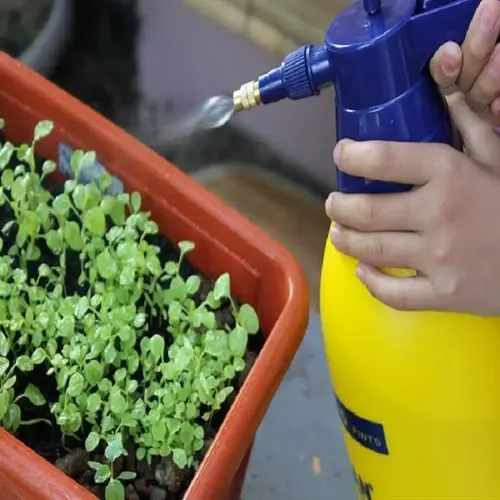

Baking soda does NOT cure blossom-end rot. A common misconception is that bakers' soda is not the miracle remedy; plants suffering from BER need calcium transport solutions, not changes in surface pH. Soil amendments with baking soda only percolate the surface layer, ignoring the core issues causing calcium to be unavailable elsewhere in the developing fruit.
Using a baking soda spray can actually harm your plants. The sodium in there can burn the leaves, creating white patches on them, & kills soil microbes that assist in nutrient absorption. I ruined some hot pepper plants several years ago when I tried this method!
Physiological Limitations
- Calcium moves through xylem vessels not surface application
- Baking soda doesn't penetrate fruit tissues
- Temporary pH change lasts only 1-2 days
Negative Side Effects
- Sodium buildup harms root function over time
- Destroys mycorrhizal fungi that aid nutrient uptake
- Alters soil structure reducing water retention
Use sound alternatives to baking soda, e.g.: - Gypsum is an ideal choice for adding calcium to your soil without adding sodium risk. - Consistent watering will support calcium movement through plants. - Additionally, using balanced fertilizers will help to minimize competition between nutrients. Together, these solutions will solve the actual problems.
To apply foliar calcium sprays correctly, use a calcium nitrate concentration of 1 tablespoon per gallon of water and apply them early in the morning when stomata are open. Apply every 7 days throughout the flowering stage to deliver calcium directly to developing fruit.
Daily, monitor soil moisture at a depth of three inches. Water garden plants using soaker hoses. Container plants should be checked and watered each morning and evening during periods of high-heat stress. Keep a log of your watering times. Consistency in watering will help prevent the water temperature fluctuations that may cause plant roots to rot.
Soil health is critical to the long-term success of your crop. The best way to ensure this is through regular (annually) pH testing and adding organic matter to improve the soil structure naturally through composting. When the soil is healthy enough to support maximum calcium uptake, tomatoes will grow healthy and thrive.
Read the full article: Prevent Blossom End Rot: Ultimate Garden Guide