Bulb · Iridaceae
Siberian Iris
Iris sibirica
Tough, cold-hardy, and almost carefree, the Siberian iris rewards a damp spot with grassy foliage and elegant late-spring blooms.
Full sun
Every 3–7 days
USDA 3–8
2–4 ft · 0.6–1.2 m
Overview
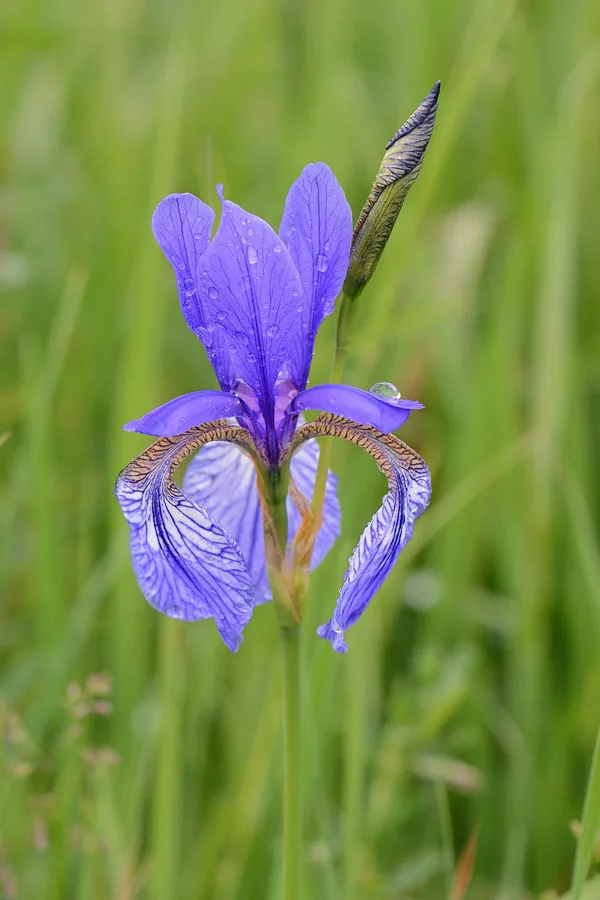
The Siberian iris is the easygoing cousin of the fussy bearded iris. It grows in slim, clump-forming fans of grassy foliage and sends up airy flowers in late spring, with no thick surface rhizome for borers to ruin. Once it settles in, it asks for very little.
This is a plant built for cold. It shrugs off winters down to -40°F (-40°C) and thrives across a wide range of conditions, from an ordinary border to the damp edge of a pond. It even takes wet, boggy ground that would rot most perennials, which makes it a rare fit for the soggy corners of a garden.
Give it sun and steady moisture and it forms a handsome, upright clump that keeps its shape long after the flowers fade. The narrow leaves stay good-looking through summer, so the plant earns its space even out of bloom.
Care
The short version: full sun to part shade, steady moisture through the growing season, and rich, well-drained soil that even takes a boggy spot. Divide the clump about every 3 years and it will mostly look after itself.
Light
Siberian iris flowers best in full sun but takes partial shade in stride. Give it at least 6 hours of direct sun a day, or the clump turns floppy and skips most of its blooms.
Water
Keep the soil consistently moist from spring growth until a few weeks after flowering, when the plant works hardest. It even tolerates wet, boggy ground, and an established clump can shrug off a little drought after its first season or two.
Soil
Plant in moist, fertile, humus-rich soil that drains well, though this iris also takes ground far wetter than most perennials would accept. A pH between 6.0 and 7.0 suits it best.
Temperature
Few perennials are this hardy. It handles a range from -40°F to 86°F (-40°C to 30°C), which carries it through brutal northern winters and warm summers alike.
Humidity
Ordinary outdoor humidity is all it asks, so there's no number to chase. Good airflow counts for more, since crowded, soggy foliage is what invites the occasional rot.
Feeding
Feed in early spring with a balanced general-purpose fertilizer or a topdressing of compost. One feeding as growth starts is enough to carry the clump through the season.
Pruning
Cut the spent flower stems off after bloom to keep the plant tidy. Trim the foliage back to 6 to 8 inches when you divide, or in late fall once it has died down.
Repotting
Lift and divide the clump about every 3 years, or sooner if the center goes bare and the blooms thin out. A bare middle and fewer flowers are the clump telling you it's overcrowded.
Size & spacing
A mature clump stands 2 to 4 feet (60 to 120 cm) tall and spreads to about 2.5 to 3 feet (76 to 91 cm) across. Give it that room and air can move freely through the fans.
When to plant
Siberian iris keeps a simple calendar. In colder regions, plant or divide in spring; in the southeast, fall is better. The flowers come in May and June, after which the foliage carries the clump through to the next year.
Northern hemisphere
Southern hemisphere
Typical months for a temperate climate: start earlier in warm zones, later where spring frosts linger.
- Plant: Spring in cooler-winter regions; fall in the southeast
- Harvest: May to June
Hardiness
USDA hardiness zones: 3–8
Temperature: down to -40°C
Troubleshooting
Siberian iris stays out of trouble far more than bearded iris does. The few problems that crop up trace back to shade, an overcrowded clump, or wet weather. Match what you see below and the fix is usually quick.
Soft, mushy, foul-smelling rot at the base
This is bacterial soft rot, though Siberian iris rarely gets it the way bearded iris does. Cut away the slimy tissue and bin it, then fix the drainage and stop burying the crown too deep. Healthy, well-drained soil is the best defense.
Fix:
- Remove and destroy affected tissue
- Improve drainage and avoid burying the crown too deeply
Few or no blooms and floppy, sprawling foliage
Shy blooming almost always comes down to too little sun or a clump that has grown too thick. Give the plant at least 6 hours of direct sun, and if the center has gone bare and woody, lift it and split it. Divide every 3 years and you head this off before it starts.
Fix:
- Relocate or thin surroundings to provide full sun
- Divide the clump and replant healthy fans with at least two fans each
Chewed, ragged edges on the leaves
Ragged leaf edges and silvery slime trails point to slugs and snails feeding after dark. The damage is mostly cosmetic, so pick the culprits off by hand at night and clear away the damp debris they hide under. Drier ground around the clump keeps them moving on.
Fix:
- Hand-pick slugs and snails
- Reduce moist hiding spots near plants
Toxicity
This is a flower bed plant, not a food plant, and you should treat it that way around animals. Every part holds irisin and terpenoids, with the rhizome the most toxic piece, and a pet that chews it can end up drooling and sick. Wear gloves when you handle the cut roots, since the sap can irritate skin.
Toxic to
Cats · Dogs · Horses · Rabbits · Livestock · Birds · People
Cats Mild
A cat that chews the plant usually drools and vomits, then turns dull and off its food. The rhizome packs the most punch, so digging pets get the worst of it.
Dogs Mild
Watch for heavy drooling and an upset stomach, often with diarrhea and a sluggish mood. Dogs that dig up and gnaw the roots tend to react the most.
Horses Mild
Grazing on the plant brings on drooling, stomach upset, and loose droppings. Horses generally leave it alone, but keep iris out of reach all the same.
Rabbits Toxic
The same irisin and terpenoids that trouble cats and dogs make iris unsafe for rabbits, so keep it well clear of any hutch or run.
Livestock Toxic
Cattle, goats, and sheep can suffer drooling and digestive upset from the foliage and roots. Fence the plant off from any pasture they reach.
Birds Toxic
The toxins carry the same risk to birds, so don't let backyard poultry or pet birds peck at the leaves or rhizomes.
People Caution
No part of this plant is food, and the rhizome is the most toxic piece, so keep curious children away. Handling the cut roots can also irritate skin, which is why gloves help when you divide a clump.
Wear gloves when dividing or handling, as the sap can cause skin irritation.
Helpline numbers

United States
ASPCA Animal Poison Control: (888) 426-4435 (fee applies)
Poison Control: (800) 222-1222



Canada
Poison Centres: 1-844-764-7669
Varieties
Siberian iris comes in a deep range of colors and sizes, from tall purples to compact whites. These are a few of the cultivars worth knowing by name.
Caesar's Brother
A vigorous old favorite that carries deep purple flowers on stiff stems to about 3 feet and has earned a Plant of Merit nod.
Butter and Sugar
A bicolor that pairs soft yellow falls with white standards on the same flower.
White Swirl
A clean, pure white cultivar that lights up a shadier corner of the border.
Baby Sister
A compact pick that tops out around 1 to 1.5 feet, handy for the front of a bed or a smaller garden.
How to propagate
You can make more Siberian iris by splitting a clump or growing it from seed, though division is faster and the only way to keep a named cultivar true.
DivisionEasy
Late summer or early spring (after bloom) · 6 to 8 weeks to root; may take more than one season to bloom
Division is the simple, reliable way to make more, and it forgives rougher handling than bearded iris does. Work in late summer or early spring after bloom: cut the foliage back to 6 to 8 inches, slice the clump apart with a sharp knife so each piece keeps at least two fans, then set the divisions under 1 to 2 inches of soil and keep them moist. New roots take hold in about 6 to 8 weeks, though a fresh division may sit out a season before it flowers.
SeedModerate
Sow when ripe · Several seasons to reach blooming size
Seed is the slow road and best saved for the species rather than named cultivars, since hybrids will not come true to type. Sow the seed as soon as it ripens and be patient, because a seed-grown plant takes several seasons to reach blooming size.
Myths
Siberian iris needs the same frequent division and borer control as bearded iris.
It is a different beast. Siberian iris forms tidy clumps, has no thick fleshy rhizome for borers to tunnel, and shrugs off the soft rot that plagues bearded types. You only need to divide it about every 3 years, and it stays largely pest-free in between.
Iris is harmless to pets.
It is not. Iris is toxic to cats, dogs, and horses, and the rhizome holds the most of it. A pet that chews the plant can end up drooling and vomiting, with diarrhea and a sluggish, dull mood to follow.