Shrub · Passifloraceae
Passionfruit
Passiflora edulis
Give it full sun, sharp drainage, and a strong trellis, and this fast vine rewards you with fragrant fruit.
Full sun
Every 2–4 days
50–86°F · 10–30°C
70–75 days
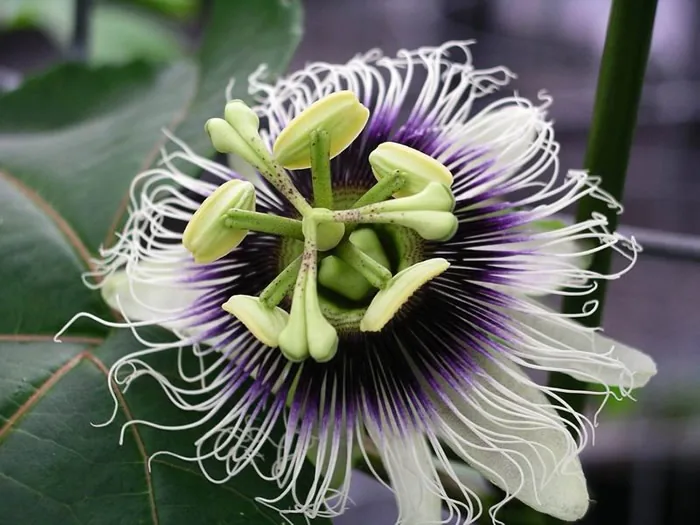
Overview
Passionfruit is a fast, tendril-climbing vine grown for its fragrant, jelly-filled fruit. It comes from the warm country running from Brazil down into northeastern Argentina, and it carries that heritage with it, wanting heat, humidity, and steady moisture to thrive. Given those, it can put on more than 35 feet of growth in a single year, so a sturdy trellis or fence is not optional.
There are two main forms worth knowing. The purple type is self-fertile and handles cooler, higher ground, while the yellow type runs larger, needs a partner to set fruit, and suits warm lowlands. Growers often graft the purple onto yellow roots to get the best of both, since the yellow form shrugs off the soil diseases that take down purple vines on their own roots.
It earns its moderate reputation. The vine grows itself with little fuss, but it leans on sharp drainage to dodge root rot and a watchful eye for the wilts and viruses that can end a plant fast. Keep the soil moist but never soggy, prune it back each spring, and the fruit ripens about 70 to 75 days after the flowers open.
Care
The short version: full sun, fertile soil with sharp drainage, and small frequent waterings to keep it evenly moist. Give it a strong trellis to climb, feed it through the growing season, and prune it back early each spring so it flowers on fresh wood.
Light
Passionfruit wants full sun to flower and fruit well, though it will get by in partial shade with less to pick. Plant it where it gets a strong dose of direct light and the vine rewards you with heavier crops.
Water
Give it small, frequent waterings to keep the soil evenly moist, roughly every 2 to 4 days, but never let it sit wet. Sharp drainage is the whole game here, since standing water at the roots invites the rot that kills vines outright.
Soil
Plant in moist, fertile, well-drained sandy loam that lets water move through quickly. A pH between 6.0 and 7.5 suits it, so the soil can run slightly acidic to slightly alkaline without trouble.
Temperature
It grows best in the warm band from 50°F to 86°F (10°C to 30°C) and has no tolerance for frost. A hard cold snap into the mid-20s°F can kill a vine to the ground, so keep it in zones 9 through 12 or bring containers in.
Humidity
This vine likes the air on the humid side, around 50% to 80%, in keeping with its tropical roots. Dry air slows it down, so a humid spot or regular moisture around the plant keeps it growing strong.
Feeding
Feed with a balanced fertilizer every 4 to 6 weeks through the growing season, spring into fall. Ease off the nitrogen after the first year, or you'll grow a wall of leaves at the expense of fruit.
Pruning
Prune early in the growing season, since the vine flowers only on new growth. Cut out dead, weak, or crowded stems and shorten it hard to keep the vigor in check and the fruit within reach.
Repotting
Grown in the ground, it rarely needs repotting at all. In a container, move it up a pot size each spring when the roots circle, vigor drops, or the soil dries out almost as fast as you water it.
Size & spacing
This is a big, vigorous vine, climbing 10 to 20 feet (3 to 6 m) and spreading 3 to 10 feet (90 cm to 3 m) wide. Give it a strong trellis or fence and plenty of room, because it can put on that growth in a single fast year.
When to plant
Passionfruit runs on warmth and won't tolerate frost. Start fresh seed indoors in late winter to early spring, set the young vines out in spring once the soil has warmed and the cold has passed, and the fruit ripens from midsummer through fall, about 70 to 75 days after each flower opens.
Northern hemisphere
Southern hemisphere
Typical months for a temperate climate: start earlier in warm zones, later where spring frosts linger.
- Sow: late winter to early spring; sow fresh seed, which germinates in 2 to 3 weeks
- Plant: spring after the last frost once soil is warm
- Harvest: flowers spring through fall; fruit ripens about 70 to 75 days after flowering, peaking midsummer through fall
Hardiness
USDA hardiness zones: 9–12
Temperature: down to -7°C
Troubleshooting
Most passionfruit trouble shows up as a sudden wilt, chewed leaves, or fruit that turns hard and woody. The fast-moving root and crown diseases are the ones to catch early. Match what you see below, then act before it spreads down the trellis.
The whole vine wilts and collapses out of nowhere
When a healthy vine suddenly caves in, the cause is almost always Fusarium canker or Phytophthora crown rot working at the base. Check the crown for dark, sunken lesions and the roots for soft, mushy tissue. There's no saving an infected vine, so pull it, fix the drainage, and replant purple stock grafted onto yellow flavicarpa rootstock, which shrugs off the disease.
Fix:
- Remove and destroy affected vines
- Improve drainage and stop overwatering
- Graft purple scions onto yellow (flavicarpa) rootstock for resistance
Hard, woody fruit and mottled leaves
Thick-rinded, misshapen fruit paired with a mosaic pattern on the leaves points to woodiness disease, a potyvirus carried from vine to vine by aphids. Nothing cures an infected plant. Pull and destroy it, knock back the aphids that spread it, and replant with clean, virus-free stock on fresh ground.
Fix:
- Remove and destroy infected vines
- Control aphid vectors
- Replant with virus-free stock
Leaves chewed to lace, sometimes with fine webbing
Two culprits strip passionfruit foliage. Caterpillars, the larvae of the butterflies the vine feeds, chew leaves down to the veins, while spider mites leave fine webbing and a stippled, dusty look on the undersides. Handpick the caterpillars, blast mites off with water or horticultural oil, and let natural predators do the rest. A vigorous, well-spaced vine recovers fast.
Fix:
- Handpick caterpillars
- Spray water or horticultural oil to knock back mites
- Encourage natural predators
Toxicity
The ripe fruit is safe and delicious, but the rest of the plant is not for eating. Leaves, vines, and unripe green fruit hold cyanogenic glycosides that can release cyanide when chewed, a mild hazard for pets and a reason to keep curious children away from the foliage. Stick to the ripe pulp and there's nothing to worry about.
Toxic to
Cats · Dogs · Horses · Rabbits · Livestock · Birds
Safe for
People
Cats Mild
A cat that nibbles the leaves or an unripe green fruit may drool and bring up its food, with a touch of lethargy if it ate more than a mouthful. Ripe pulp is not the problem here, the foliage is.
Dogs Mild
Dogs that chew the vines or green fruit tend to drool and have an upset stomach. A large helping of leaves can leave one sluggish or short of breath, so it's worth a call to the vet.
Horses Mild
Grazing on the foliage or unripe fruit can leave a horse off its feed and dull. The cyanogenic compounds in the leaves are the concern, not the ripe fruit itself.
Rabbits Mild
Rabbits should never be offered the leaves or vines, which carry the same cyanide-releasing compounds. A small taste of ripe pulp now and then does no harm.
Livestock Mild
Cattle, goats and sheep that browse the leaves and green fruit can develop digestive upset and low energy. Keep them off the vine, though the ripe fruit poses no real threat.
Birds Mild
Foliage and unripe fruit are best kept away from pet birds because of the cyanogenic content. The ripe pulp is fine in small amounts as an occasional treat.
People Ripe fruit safe
Ripe passionfruit pulp is a kitchen favorite and perfectly safe to eat. Just don't chew the leaves, vines, or green unripe fruit, and keep children from doing the same.
Skin contact is not a concern; wash hands after pruning. Keep curious pets and children from chewing leaves, vines or unripe green fruit.
Helpline numbers

United States
ASPCA Animal Poison Control: (888) 426-4435 (fee applies)
Poison Control: (800) 222-1222



Canada
Poison Centres: 1-844-764-7669
Varieties
Passionfruit comes in a handful of forms, split first by fruit color and then by named selections. These are the ones you're most likely to meet.
Purple passionfruit (Passiflora edulis)
This is the self-fertile purple-fruited form that does best in the cooler air of high-elevation tropics.
Yellow passionfruit (P. edulis f. flavicarpa)
It carries larger yellow fruit, needs a second vine to pollinate, thrives in warm lowlands, and serves as the disease-resistant rootstock growers graft the purple form onto.
Possum Purple
A vigorous purple-fruited selection that has become a favorite across Florida.
Frederick
A partly self-fertile hybrid that bears large fruit blushed with purple.
Companions
Passionfruit grows well alongside a few plants that draw pests away from the vine base, keeping aphids and nematodes off the roots and stems.
Plant near
Marigold: Interplanting near the vine base can help deter nematodes and some pests.
Nasturtium: Acts as a trap crop that lures aphids away from the vine.
How to propagate
Passionfruit can be started several ways, from a packet of fresh seed to grafts and layers that copy a vine exactly. Which one you pick depends on whether you want speed or an exact clone of a favorite plant.
SeedEasy
Spring; sow fresh seed soon after removing it from the fruit · Germinates in 2 to 3 weeks; fruiting within about a year
Seed is the easiest and most common way to start passionfruit. Scoop the seed straight from a ripe fruit and sow it fresh in spring, and it sprouts in 2 to 3 weeks, with the first fruit following inside about a year. The yellow form is often raised this way to use as seedling rootstock.
Stem cuttingsModerate
Warm season · Roots in several weeks
Take semi-hardwood cuttings in the warm season when you want a named cultivar to come back exactly true to type. They strike root over several weeks and carry the parent's traits, which seed-grown plants won't always do.
GraftingDemanding
Warm season · Weeks to months
Grafting is the demanding option, joining a purple scion onto yellow flavicarpa rootstock during the warm season. It takes weeks to months to knit, but the payoff is a vine that resists Fusarium and nematodes far better than the purple form grown on its own roots.
Air layeringModerate
Growing season · Several weeks to root
Air-layering is a dependable way to clone a vine you already like. Wound a stem during the growing season and it puts out roots over several weeks while still attached to the parent, so the new plant is well started before you ever cut it free.
Myths
Every part of the passionfruit plant is poisonous, so the fruit is unsafe to eat.
The fully ripe pulp is edible and eaten the world over. Only the leaves, vines, and unripe green fruit hold cyanogenic glycosides that can release cyanide when chewed. Eat the ripe fruit freely and leave the foliage alone.
The ASPCA Purple Passion Vine warning applies to edible passionfruit.
The plant on that ASPCA page is Gynura aurantiaca, an entirely different species that the ASPCA actually lists as non-toxic. It is not Passiflora edulis, so the warning never applied to the fruit-bearing vine in the first place.