
If you are weighing poplar vs aspen strength, you are close to comparing a tree to a cousin in the same family. Aspen sits right inside the poplar genus, so the two land in nearly the same spot. Both are light, soft woods, and aspen wood strength stays low no matter which board you grab. Do not expect a clear winner here.
Here is why poplar and aspen track so close. Aspen belongs to Populus, the same genus that holds the poplars and cottonwoods. The USDA Forest Service places all of these in one group of fast-growing trees with soft, lightweight wood. So when you set poplar and aspen next to each other, you are lining up two branches of a single family.
Both woods sit low on the density scale, and low density means low strength. Dry aspen weighs around 26 pounds per cubic foot, and the true poplars land in that same range. Stiffness and bending strength run close too. Any gap you notice comes from the exact species and the grade of the board in your hand.
The dent test tells the same story. Aspen scores about 350 on the Janka hardness scale, and the true poplars sit only a little above that. Press a thumbnail into either board and you leave a mark. For poplar vs aspen strength in daily use, that soft surface matters more than any lab number on a chart.
The reason sits in how fast these trees grow. Quick growth builds wide cells with thin walls, so the wood turns out light and airy. That same lightness makes aspen easy to carry and also leaves the board easy to dent. Poplar grows the same way and turns out just as soft and bendy.
You should also pin down what stronger means to you. A wood can resist dents, bend without snapping, or hold a screw. Aspen and true poplar score low on all three, and the two stay side by side. So the ranking barely moves whether you want hardness, bending, or grip.
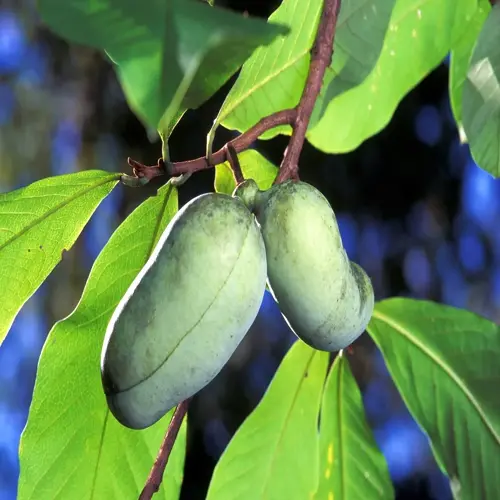
One label trips a lot of people up. Yellow poplar, also called tulip poplar, is not a true poplar at all. This tree grows in the magnolia family, and the wood runs a bit harder and stronger than aspen. So if you read strength charts for tulip poplar, you are looking at that other tree, not the Populus poplars that grow beside aspen.
In real projects, poplar and aspen behave in much the same way. Both cut clean, take nails without splitting, and stay light on your arms all day. You will find aspen in matchsticks, chopsticks, pallets, and sauna benches. True poplar shows up in crates, plywood cores, and paper pulp. Strength is rarely the reason you reach for either one.
Neither wood holds up well outdoors, either. Aspen and true poplar both rot fast once rain and damp soil soak in. So if your build lives outside, you want a rot-resistant wood or a solid coat of sealer over the top. Leave the bare aspen and poplar for dry, indoor work where the low weight pays off.
So how should you choose? For any job that carries real weight, skip both woods and reach for a stronger species like oak or Douglas fir. If a light wood suits your build, pick your board by species, grade, and price. That habit helps you far more than chasing a strength gap that barely shows up.
Read the full article: Aspen Tree: Facts, Care, and the Pando Giant