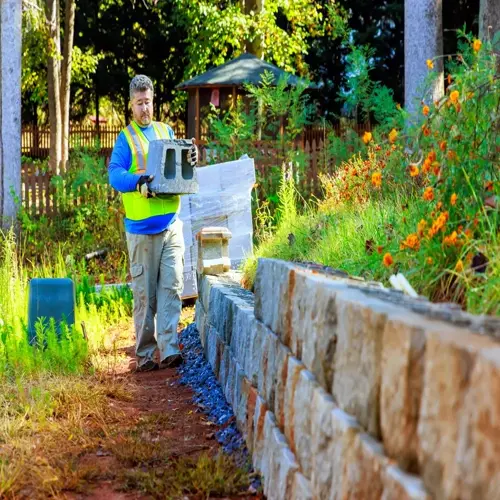

The best defense system against squirrels for gardens and properties is a combination of physical barriers and a natural repellent. The barriers keep them out, and the scent repellents enhance their effectiveness. I have practiced this dual approach for many years and have protected fruit trees and vegetable patches entirely. Understanding which barriers are most effective for squirrels maximizes your protection plan.
Underground Fencing
- Install 1/4-inch hardware cloth buried 12 inches deep
- Prevents digging under garden borders and foundations
- Extend above ground 3 feet to block climbing attempts
Tree Protection Systems
- Use metal flashing or specialized tree guards
- Wrap trunks 5 feet high with smooth surfaces
- Prevent squirrels from accessing fruit and nut branches
Elevated Netting
- Suspend bird netting 2 feet above bushes and trees
- Create tent-like structures over berry bushes
- Use PVC frames to prevent sagging and entanglement
Integration techniques improve barrier effectiveness when used with repellents. I apply capsaicin spray to the top of the fence and the edges of the netting. I use coffee grounds sprinkled around the base of the barriers to create scent boundaries. I recommend re-application after a heavy rain event or every couple of weeks. This combined approach addresses not only physical access but also attraction through scent.
Consider seasonal adjustments for barrier maintenance. In winter, I need to look for snow drift access points around fences. In the spring, I need to prepare the seedling cage installation before planting. I inspect the barriers every month for damage or wear. In the summer, high temperatures can cause plastics to warp, requiring additional support. Fall preparation includes securing storage areas for nuts.
Use cost-effective solutions with whatever materials you can find. For plant covers, use old window screens. For netting frames, use leftover PVC pipe materials. I build cages out of old fencing. These economical solutions offer similar protection as commercially sold ones if installed correctly.
When installing barriers, always put wildlife safety first. Netting should be kept tight so a bird does not get stuck in it. Leave escape routes in confined areas. I check every day for trapped animals in busy seasons. These practices will help maintain the ecological balance of your property and provide protection.
Read the full article: 10 Natural Squirrel Repellents That Work