
Introduction
Few plants grab your attention like a trumpet vine in full summer bloom. Bright flower clusters cover a fence or arbor in shades of red, orange, and gold. Hummingbirds dart in and out all day long to feed on the nectar. This native vine puts on one of the best shows in any garden, and it does so with almost no help from you.
I planted my first trumpet creeper about eight years ago on a metal arbor in my backyard. The botanical name is Campsis radicans, and the vine grows 30 to 40 feet tall across USDA zones 4a through 10b. That range covers most of the country, which makes it one of the toughest climbing vines you can grow.
Here is what I wish someone had told me sooner. This hummingbird plant sends out runners underground, climbs with clinging rootlets, and drops seeds that sprout everywhere. Think of it as a guest who brings great energy but never wants to leave. A 2024 study even found that hummingbirds push face first into the blooms, a feeding method no one had ever seen before.
This guide shows you how to grow and manage this vine the right way. You will learn which cultivars fit your space, how to plant and prune for heavy blooms, and how to stop the vine from taking over your whole yard.
6 Best Trumpet Vine Cultivars
Most gardeners think trumpet vine only comes in orange. The trumpet vine cultivars on the market today give you a full range of trumpet vine colors from gold to deep red. In my experience growing 4 of these 6 Campsis radicans cultivars, each one brings a unique look to the garden.
These trumpet vine varieties range from soft peach tones to bold crimson. Some grow more compact than the wild species, which helps in a smaller yard. Don't confuse the Chinese trumpet creeper with these picks. You want Campsis radicans cultivars for the best cold hardiness and hummingbird value. A yellow trumpet vine like Flava tends to be the easiest to find at local garden centers.
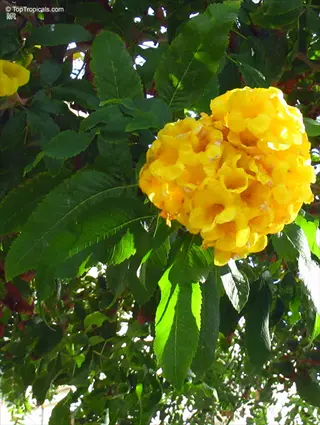
Flava (Yellow Trumpet Vine)
- Flower Color: Bright golden-yellow blooms that stand out against dark green foliage and create a warm, sunny focal point on arbors and fences from June through September.
- Growth Habit: Reaches 25 to 35 feet (7.5 to 10.5 meters) tall with the same vigorous climbing habit as the species, using aerial rootlets to attach to vertical surfaces.
- Best Use: Ideal for gardeners who want the hummingbird-attracting benefits of trumpet vine with a color that pairs well with blue, purple, and white companion plantings.
- Hardiness: Hardy in USDA zones 4a through 9b, tolerating temperatures as low as minus 30 degrees Fahrenheit (minus 34 degrees Celsius) once established.
- Spread Control: Spreads through underground runners like the species, so root barriers and regular sucker removal are still necessary for containment.
- Availability: One of the most common cultivars at retail garden centers and online nurseries, making it easy to find and purchase.
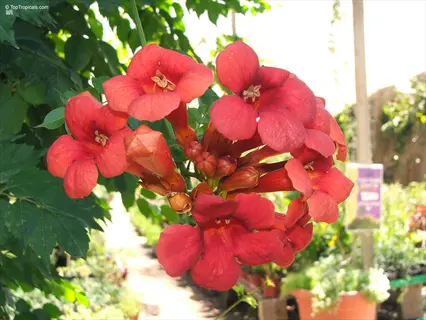
Atropurpurea (Dark Red)
- Flower Color: Deep purplish-red blooms that are darker and richer than the standard orange-red species, creating dramatic contrast against green foliage and light-colored structures.
- Growth Habit: Vigorous climber reaching 30 to 40 feet (9 to 12 meters) with the same rapid growth rate and aerial rootlet attachment as the straight species plant.
- Best Use: Perfect for gardeners who prefer deep, saturated color tones and want a bold statement vine on pergolas, fences, or large trellises.
- Hardiness: Performs well in USDA zones 4a through 10b, tolerating heat, humidity, drought, and poor soil conditions once its root system is established.
- Spread Control: Produces underground runners and self-seeds with ease, requiring the same containment measures as other trumpet vine varieties.
- Bloom Period: Flowers from June through September on new wood, so late winter pruning to three or four buds per stem encourages the heaviest flowering.
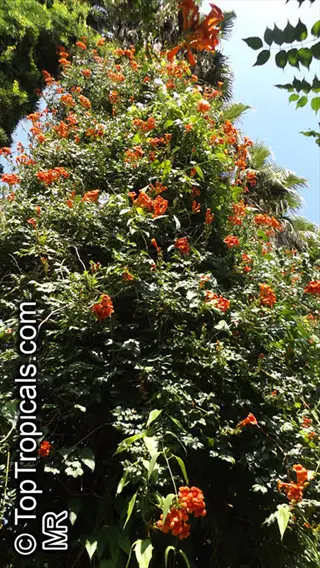
Crimson Trumpet
- Flower Color: Bright true-red flowers that are larger and showier than the species, with a vivid crimson hue that draws ruby-throated hummingbirds from a considerable distance.
- Growth Habit: Slightly more compact than the species at 20 to 30 feet (6 to 9 meters), making it easier to manage on smaller structures and in moderate-sized gardens.
- Best Use: Recommended for gardeners who want intense red color with a slightly less aggressive growth pattern compared to the straight species plant.
- Hardiness: Hardy in USDA zones 4a through 9b, performing best in full sun with at least six to eight hours of direct sunlight per day for maximum flower production.
- Spread Control: Somewhat less vigorous in suckering than the species, but still benefits from root barriers and annual sucker removal to prevent unwanted spreading.
- Availability: Easy to find at nurseries that stock native plants, and more garden centers carry it each spring planting season.
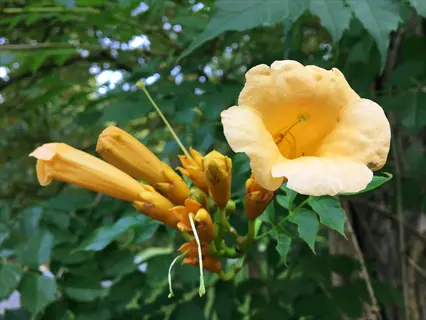
Apricot
- Flower Color: Soft apricot-peach blooms that offer a warmer, more subdued color than the bold oranges and reds of other varieties, blending well with pastel garden schemes.
- Growth Habit: Climbs 25 to 35 feet (7.5 to 10.5 meters) with the same aerial rootlet attachment and vigorous growth characteristic of all Campsis radicans varieties.
- Best Use: An excellent choice for cottage gardens, Mediterranean-style landscapes, and settings where softer color tones are preferred over vivid reds and oranges.
- Hardiness: Performs well in USDA zones 5 through 9, preferring warm summers with full sun exposure for the best flower color and heaviest bloom production.
- Spread Control: Requires the same containment strategies as other cultivars, including root barrier installation and prompt removal of underground suckers.
- Pairing Potential: Complements lavender, sage, ornamental grasses, and other warm-toned perennials, creating a cohesive color story throughout the summer garden.
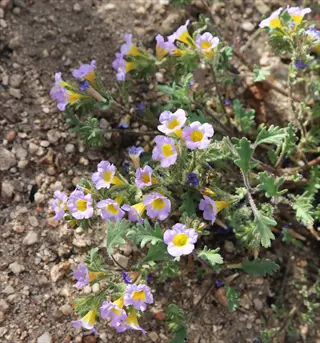
Indian Summer
- Flower Color: Bicolor blooms featuring a warm orange exterior with a contrasting yellow throat, producing a two-toned effect that adds visual depth and interest to garden structures.
- Growth Habit: A hybrid cultivar (Campsis x tagliabuana) that combines traits of the American and Chinese trumpet vine, growing 15 to 25 feet (4.5 to 7.5 meters) tall.
- Best Use: Well-suited for gardeners who want the trumpet vine look with more moderate vigor, making it a better fit for smaller gardens and compact trellises.
- Hardiness: Hardy in USDA zones 5 through 9, with slightly less cold tolerance than pure Campsis radicans varieties due to its hybrid parentage.
- Spread Control: Less aggressive in suckering than the straight species, though it still benefits from monitoring and occasional runner removal to stay contained.
- Special Note: The hybrid background gives Indian Summer a slightly more refined appearance with larger individual flowers compared to the straight American species.
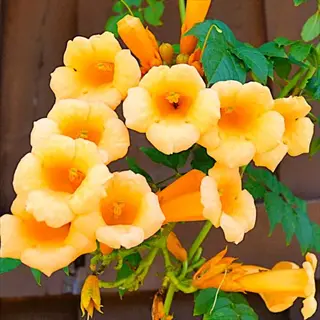
Judy
- Flower Color: Clear yellow to yellow-orange flowers that are slightly deeper in tone than Flava, providing a warm golden display from midsummer through early fall.
- Growth Habit: Reaches 20 to 30 feet (6 to 9 meters) tall with strong climbing power from aerial rootlets, so you need a sturdy support structure such as a metal arbor or chain-link fence.
- Best Use: A strong option for gardeners who want yellow trumpet vine blooms with a touch more warmth and depth than the pure yellow of the Flava cultivar.
- Hardiness: Reliable in USDA zones 5 through 9, thriving in full sun and tolerating a wide range of soil types from sandy to clay, acidic to slightly alkaline.
- Spread Control: Produces underground runners and needs the same containment approach as other trumpet vine cultivars, including regular sucker management each growing season.
- Hummingbird Appeal: Like all trumpet vine cultivars, Judy produces abundant nectar that attracts ruby-throated hummingbirds throughout the summer bloom period.
How to Plant Trumpet Vine
Planting trumpet vine is one of the easiest jobs in the garden once you pick the right spot. I tested several locations in my yard before I found what works best for this vine. You want trumpet vine full sun with at least 6 to 8 hours of direct light each day. Anything less and you get lots of leaves but far fewer flowers.
The biggest mistake I see new growers make is putting the vine against a wood fence or brick wall. Those aerial rootlets will grip and damage porous surfaces fast. A metal arbor, vinyl structure, or chain-link fence makes the best trumpet vine trellis for long term use. Plant in early spring or early fall for the best results, and always use well-drained soil with a pH between 6.8 and 7.2 for ideal growth.
Choose the Right Location
- Sunlight: Select a spot that receives at least six to eight hours of direct sunlight per day, as trumpet vine flowers most in full sun and may produce fewer blooms in partial shade.
- Structure: Plant at the base of a sturdy metal arbor, chain-link fence, or vinyl trellis, and avoid wood, brick, or stone surfaces because aerial rootlets can cause permanent damage.
- Spacing: Allow 4 to 10 feet (1.2 to 3 meters) of spread at maturity, and position the vine at least 15 feet (4.5 meters) away from building foundations to prevent root and rootlet damage.
- Fire Safety: NC State Extension rates trumpet vine as high in flammability, so avoid planting within the defensible space zone around homes in areas prone to wildfires.
Prepare the Soil
- Soil Type: Trumpet vine tolerates sandy, loamy, and clay soils, but it performs best in well-drained ground with a pH between 6.8 and 7.2 according to Clemson University.
- Amendments: Mix a 2 inch (5 centimeter) layer of compost into the backfill soil to improve drainage and provide initial nutrients, but avoid heavy fertilization that encourages leaves over flowers.
- Drainage Test: Dig a small test hole and fill it with water; if the water drains within four hours, the site has adequate drainage for trumpet vine roots.
- Existing Soil: Trumpet vine thrives in lean to average soil, so extensive amendments are not needed and can reduce bloom production by pushing excess leaf growth.
Plant at the Correct Depth
- Hole Size: Dig the planting hole twice as wide as the root ball and the same depth, ensuring the top of the root ball sits level with the surrounding soil surface.
- Root Preparation: Soak the root ball in a bucket of water for 15 minutes before planting to ensure the roots are full of moisture and ready to establish in their new location.
- Backfill Method: Fill the hole with the amended soil mixture and press it firm around the root ball to remove air pockets that can dry out roots and slow establishment.
- Mulch Layer: Apply 2 to 3 inches (5 to 7.5 centimeters) of organic mulch around the base, keeping it 3 inches (7.5 centimeters) away from the stem to prevent rot.
Water and Provide Support
- Initial Watering: Water deep right after planting, saturating the entire root zone, then continue watering 2 to 3 times per week during the first growing season until the root system is set.
- Support Installation: Install the trumpet vine support before or at the time of planting so you can train young stems upward from the start without disturbing established roots.
- Training Technique: Tie new stems to the support with soft plant ties, guiding them in the direction you want growth to follow, and redirect any wayward shoots each week during the active growing season.
- Container Option: UF/IFAS confirms trumpet vine can grow in large containers, which restricts spread and works well for patios and balconies where ground planting is not possible.
Trumpet Vine Seasonal Care
Good trumpet vine care takes a full year of attention across all four seasons. NC State Extension classifies this vine as high maintenance. I learned that the hard way after my first season growing it. The biggest care mistake I see is too much trumpet vine fertilizing. Extension sources back lean soil and little to no feeding. Skip those 10-10-10 formulas you see online.
The most important task is trumpet vine pruning in late winter. This vine blooms on new wood, which means the flowers grow on stems that sprout fresh each spring. Cut each stem back to 3 to 4 buds in January or February and you will see far more blooms on new wood come summer. The table below gives you a full season breakdown for trumpet vine watering, pruning, and cleanup tasks.
Your late winter pruning session is the single best thing you can do for flower production each year. I keep a pair of sharp bypass pruners and loppers set aside just for this job. The vine responds fast to a hard cut, and you will notice the difference in bloom count by midsummer.
Trumpet Vine and Hummingbirds
Trumpet vine hummingbirds share a bond that runs far deeper than most gardening sites tell you. This vine is an ornithophilous plant, so its flowers evolved to serve birds as the main pollinator. Each bloom pumps out more than 115 microliters of nectar per day. That is the highest amount of any bird pollinated plant in temperate North America.
The nectar averages about 30% sugar, and 73% of that sugar is sucrose. That mix is the exact fuel a ruby-throated hummingbird needs to keep going. Inside each flower, the tube narrows to just 2 to 3 millimeters at one point. Hummingbird bills fit through, but large bees like honey bees and bumble bees cannot pass. This design keeps that rich nectar source reserved for the birds.
In my experience watching hummingbirds at my trumpet vine, I noticed they don't hover the way most people expect. A 2024 study by Gary Graves confirmed this. The ruby-throated hummingbird grabs onto the flower and pushes its entire head inside the bloom. No one had ever recorded this method in any of the 356 known hummingbird species before.
Audubon painted hummingbirds hovering at trumpet vine flowers back in 1835. That image stuck for almost 200 years, but the Graves study showed he got it wrong. The flower shape forces the bird to cling and push in rather than hover and sip. This contact makes the trumpet vine pollinator system more effective because the bird's head picks up pollen each time.
Your trumpet vine also faces competition from other birds. Orchard orioles punch holes in the base of flowers to steal nectar without touching pollen. At some study sites, orioles robbed more than 92% of flowers before migrating south in late July. After the orioles leave, hummingbirds get full access for the rest of summer. This vine also serves as a larval host for the plebeian sphinx moth. Add it to your native pollinator garden for maximum wildlife value in your yard.
Managing Trumpet Vine Spread
If you have ever searched for how to get rid of trumpet vine, you already know this plant spreads fast. NC State Extension says it best: the challenge is not how to grow it but how to restrain it. It sends out underground runners, grips surfaces with aerial rootlets, and drops seeds that sprout all over. Good trumpet vine spread control takes a plan that covers all 3 of those paths.
I learned the hard way that you can't just cut this vine back once a year and expect it to stay put. Trumpet vine suckers pop up feet away from the main plant through those underground runners. A root barrier is your best first line of defense. Some gardeners even call it trumpet vine invasive because it spreads so fast. The tips below break down each method the vine uses to spread. You get targeted steps to keep it where you want it.
Underground Runner Management
- Root Barrier: Install a rigid plastic or metal root barrier 18 to 24 inches (45 to 60 centimeters) deep in a complete circle around the planting area to block lateral runners before they reach garden beds and lawns.
- Sucker Patrol: Walk the area around your trumpet vine every 2 weeks during the growing season and pull or dig out new suckers as soon as they appear, removing as much root as possible.
- Mowing Strategy: If suckers appear in lawn areas, mow them down every time you mow to weaken the underground runners over time and prevent them from setting up new plants.
Aerial Rootlet Damage Prevention
- Safe Surfaces: Train trumpet vine on metal arbors, vinyl structures, or chain-link fences rather than wood, brick, or stone, because aerial rootlets can break into and damage porous building materials for good.
- Buffer Distance: Plant trumpet vine at least 15 feet (4.5 meters) from building foundations, wooden fences, and other structures you want to protect from rootlet attachment and stem pressure.
- Regular Training: Redirect wayward stems each week during active growth to keep the vine on its intended support and prevent aerial rootlets from reaching nearby structures or trees.
Self-Seeding Prevention
- Seed Pod Removal: Cut developing seed pods from the vine before they mature and split open, which happens in late summer to early fall when the woody pods reach 3 to 6 inches (7.5 to 15 centimeters) long.
- Deadheading: Remove spent flower clusters throughout the bloom period from June through September to reduce the total number of seed pods the vine produces each season.
- Ground Cleanup: Collect any fallen seeds or pods from the ground beneath and around the vine to prevent volunteer seedlings from popping up in garden beds and lawn areas.
Container Growing for Full Control
- Container Size: Use a large container of at least 15 gallons (57 liters) with drainage holes to restrict the root system and limit the vine's aggressive spreading habit.
- Support in Container: Install a sturdy trellis or obelisk right in the container so the vine has a defined climbing surface and stays within the pot's footprint.
- Maintenance: Water container grown trumpet vines more often than ground planted ones since containers dry out faster, and repot or root prune every 2 to 3 years to maintain healthy growth.
Trumpet Vine Toxicity and Safety
You will find a lot of confusing claims online about whether trumpet vine is toxic or safe. I want to clear this up with the facts from NC State Extension. The truth is that trumpet vine has low poison severity. It is not the dangerous plant some websites make it out to be. The main risk is trumpet vine skin irritation, not poisoning.
The flowers and leaves can cause contact dermatitis in people who are sensitive to the plant's sap. That means redness, itching, and sometimes a mild rash on your skin after you touch the vine. This reaction earned it the common name cow-itch vine, a name that goes back centuries. Scientists have never pinpointed the exact compound behind the reaction. The effect itself, though, is well documented.
If you have kids, keep them from picking or rubbing the flowers and leaves on their skin. Young skin tends to react more to irritants like this. Wear long sleeves and gloves every time you prune or train the vine, and wash your hands and arms right after you finish working around it. I always keep a pair of thick garden gloves just for trumpet vine work.
Pet owners can breathe easier about this plant. The ASPCA does not list trumpet vine as trumpet vine toxic to dogs or cats, so it is considered trumpet vine safe for pets by most standards. Some trumpet vine poisonous claims float around online about animals. The low toxicity rating means serious harm is not expected from this plant. Still, keep an eye on any pet that likes to chew plants in the garden just to be safe.
The bottom line is that trumpet vine is a low risk plant for most households. Treat it the same way you would treat any plant that can irritate skin. Wear protection when you work with it and teach kids not to handle it without gloves.
5 Common Myths
Trumpet vine is not native to North America and should be treated as an invasive exotic species in all states.
Trumpet vine (Campsis radicans) is native to the central and eastern United States, ranging from Ohio south to Texas and into parts of eastern Canada.
Adding lots of fertilizer to trumpet vine will produce more flowers and a bigger, healthier plant overall.
Over-fertilizing trumpet vine, especially with high-nitrogen formulas, encourages leafy growth at the expense of blooms; extension sources recommend lean-to-average soil with minimal fertilization.
Hummingbirds hover in front of trumpet vine flowers and sip nectar the same way they feed from tube-shaped flowers.
A 2024 peer-reviewed study found that hummingbirds actually cling to the flower and insert their entire head inside, a behavior called floral-diving never before documented in any hummingbird species.
Trumpet vine is highly poisonous to dogs, cats, and other household pets, making it dangerous for any yard with animals.
Trumpet vine has low toxicity and is not listed as toxic to dogs or cats by the ASPCA, though the sap and foliage can cause mild skin irritation on contact in some people.
You can control trumpet vine simply by cutting it back once a year, and it will stay in the area where you planted it.
Trumpet vine spreads through underground runners and self-seeding, so effective control requires regular sucker removal, root barrier installation, and removing seed pods before they open.
Conclusion
Trumpet vine, or Campsis radicans, is a native vine that rewards you with stunning summer blooms. It also brings hummingbirds right into your garden. But it demands respect because it will spread if you let your guard down. Good trumpet vine care starts with knowing both sides of this plant before you put it in the ground.
Success with trumpet vine management comes down to being proactive rather than reactive. Install your root barriers at planting time, patrol for suckers every couple of weeks, and clip seed pods before they split open. I learned early on that staying ahead of this vine is much easier than trying to pull it back after it has taken hold of your yard.
Don't let the spreading warnings scare you away from growing this plant. No other bird pollinated plant in North America produces as much nectar as this one. It also serves as a larval host for the plebeian sphinx moth. Few vines offer that level of wildlife value for your hummingbird garden. Choosing the right cultivar and giving it proper seasonal care makes all the difference.
A well managed trumpet vine will fill your yard with color from June through September and bring hummingbirds right up to your windows. Give it structure, keep it in check, and this vine will be one of the best additions you ever make to your outdoor space.
External Sources
Frequently Asked Questions
What is the problem with trumpet vines?
Trumpet vines spread aggressively through underground runners and self-seeding, forming dense colonies that can overtake gardens and damage structures with their aerial rootlets.
How aggressive is trumpet vine?
Trumpet vine is extremely aggressive and can grow 30 to 40 feet (9 to 12 meters) in height, sending out underground runners that produce suckers many feet from the parent plant.
Will trumpet vine come back every year?
Yes, trumpet vine is a deciduous perennial that dies back in winter and regrows vigorously each spring from its established root system.
Is trumpet vine the same as honeysuckle?
No, trumpet vine (Campsis radicans) and honeysuckle (Lonicera) are different plants from separate families with distinct flowers, growth habits, and care needs.
Should I remove trumpet vine?
Whether to remove trumpet vine depends on your situation: keep it for hummingbird habitat and beautiful blooms, or remove it if the aggressive spreading is causing damage to structures or other plants.
What is the lifespan of a trumpet vine?
Trumpet vine can live for 20 years or more with proper care, with its woody trunk thickening each year and its root system growing increasingly established.
Do trumpet vines have deep roots?
Yes, trumpet vines develop an extensive root system with deep taproots and far-reaching lateral runners that can spread well beyond the visible canopy of the plant.
Can trumpet vines survive winter?
Yes, trumpet vines are hardy in USDA zones 4a through 10b and survive winter by dropping their leaves and going dormant until temperatures warm in spring.
Can you touch a trumpet vine?
You can touch a trumpet vine, but the flowers and leaves may cause contact dermatitis (skin redness and itching) in sensitive individuals, earning it the nickname cow-itch vine.
Do trumpet vines smell?
Trumpet vine flowers are scentless, which is typical of bird-pollinated plants since hummingbirds rely on sight rather than smell to find food.