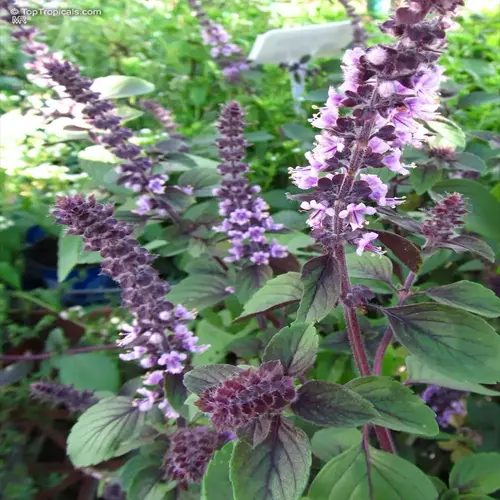

Introduction
The thyme plant has fed and healed people for thousands of years. Fossil records go back over 5 million years, and ancient Egypt and Rome both prized this tough Mediterranean herb. It grows in poor soil, laughs off drought, and comes back every spring. If herbs had a survival award, thyme would win it.
In my experience growing herbs for over 12 years, thyme stands out as the easiest perennial herb to keep alive. I wanted something tough for my hot, dry garden, and Thymus vulgaris fit the bill. My first plant lasted 6 full years with almost zero fuss. It gave me fresh sprigs every week during the growing season while basil and cilantro kept dying on me.
Most people think of thyme as just a cooking herb, but its nutritional punch is staggering. Fresh thyme leaves deliver 266% of your daily vitamin C and 218% of your daily iron per 3.5 oz of leaves. That makes this small Mediterranean herb one of the most nutrient dense plants you can grow at home.
This guide covers everything you need to grow a healthy thyme plant in your own garden or containers. You will learn which varieties taste best, how to plant and propagate them, and how to harvest for peak flavor. Whether you pick thyme as a culinary staple or a ground cover, this perennial herb earns its spot in any garden.
8 Best Thyme Varieties
The genus Thymus includes over 350 species. NC State Extension lists 10 named cultivars of common thyme alone. That gives you far more thyme varieties to choose from than most guides suggest. I tested 8 of the best options for flavor, hardiness, and garden use over several seasons.
Each variety below suits a different need. Some shine in the kitchen with bold or citrus flavors, while others work best as ground cover thyme in rock gardens and paths. You might want English thyme for roasts, French thyme for fish, German thyme for cold climates, or creeping thyme for your walkway. This list helps you pick the right plant for the right spot.
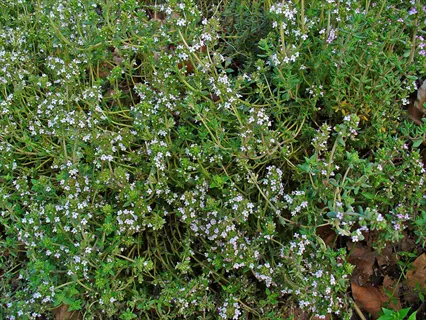
English Thyme (Common Thyme)
- Botanical name: Thymus vulgaris is the classic culinary thyme, growing 6 to 12 inches (15 to 30 cm) tall with small gray-green leaves on upright woody stems.
- Flavor profile: Strong, warm, and peppery flavor that holds up well during long cooking times in soups, stews, roasted meats, and braised vegetables.
- Growing habits: Thrives in full sun and well-drained soil across USDA zones 5a through 9b, tolerating drought and poor soil once established.
- Best uses: The standard choice for most recipes, Herbes de Provence blends, bouquet garni, and dried herb storage due to concentrated essential oils.
- Care needs: Requires minimal watering after establishment and benefits from light pruning in early spring to prevent woody, leggy growth.
- Companion planting: Pairs well alongside rosemary, lavender, and oregano in a Mediterranean-style garden bed or raised herb planter.
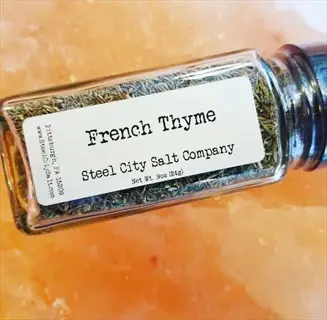
French Thyme (Summer Thyme)
- Botanical name: Thymus vulgaris 'Narrow Leaf French' features slender, pointed leaves on slightly less woody stems than its English cousin.
- Flavor profile: More subtle and sweet than English thyme, with delicate floral notes that complement seafood, eggs, light sauces, and cream-based dishes.
- Growing habits: Prefers full sun and sandy, well-drained soil but is slightly less cold-hardy than English thyme, performing best in zones 6 through 9.
- Best uses: Favored by French chefs for dishes where a gentler herb flavor is needed, including beurre blanc, poached fish, and vegetable gratins.
- Care needs: Slightly more sensitive to wet conditions than English thyme, so excellent drainage and gravel mulch around the base are especially important.
- Harvest timing: Pick leaves just before flowers open for the mildest flavor, or let some stems flower to attract pollinators to your garden.
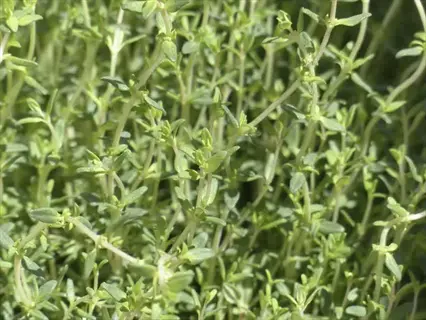
German Thyme (Winter Thyme)
- Botanical name: Often sold as Thymus vulgaris 'German Winter,' this cultivar was bred for cold tolerance in northern climates.
- Flavor profile: Moderate, well-rounded flavor that sits between the boldness of English thyme and the delicacy of French thyme, ideal for everyday cooking.
- Growing habits: One of the hardiest culinary thymes, reliably surviving winters in zone 5 and even pushing into zone 4 with proper mulching and drainage.
- Best uses: Excellent all-purpose kitchen thyme for gardeners in cold climates who want a dependable perennial herb that returns each spring without fail.
- Care needs: Plant in a south-facing location with sharp drainage and avoid heavy clay soils that hold moisture during freeze-thaw cycles in winter.
- Size and form: Grows 8 to 12 inches (20 to 30 cm) tall in a compact, rounded mound that works well in herb spirals and raised beds.
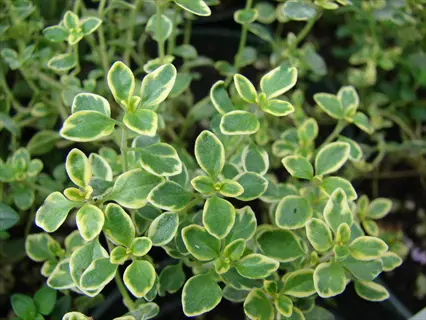
Lemon Thyme
- Botanical name: Thymus x citriodorus is a natural hybrid with glossy green leaves and a bright citrus aroma that sets it apart from common thyme varieties.
- Flavor profile: Distinct lemon-citrus flavor with light herbal undertones, making it a natural fit for fish, poultry, salad dressings, and herbal teas.
- Growing habits: Grows 6 to 12 inches (15 to 30 cm) tall and spreads slightly wider than common thyme, thriving in full sun across zones 5 through 9.
- Best uses: Popular in both cooking and cocktail garnishing, and the Golden Lemon variety adds ornamental value with its bright yellow-edged leaves.
- Care needs: Slightly more moisture-tolerant than common thyme but still requires well-drained soil and should not sit in standing water during rainy seasons.
- Pollinator value: Produces clusters of pale pink flowers in early summer that attract bees, butterflies, and other beneficial pollinators to your garden.
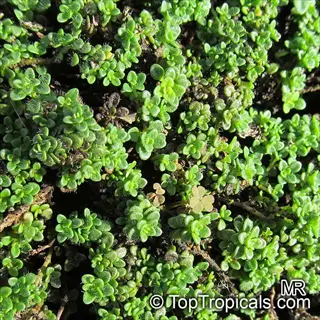
Creeping Thyme
- Botanical name: Thymus praecox grows just 1 to 3 inches (2.5 to 7.5 cm) tall, spreading outward to form a dense, low-growing mat of tiny aromatic leaves.
- Flavor profile: Milder than culinary thyme varieties, you will use creeping thyme more for its ornamental and ground cover value than for cooking.
- Growing habits: Extremely drought-tolerant and foot-traffic resistant, filling in between stepping stones, pavers, and rock gardens within one to two growing seasons.
- Best uses: Ideal as a lawn alternative in sunny areas, a living mulch beneath taller plants, or a cascading accent spilling over raised bed edges and walls.
- Care needs: Needs very little attention once established, requiring no fertilizer and only occasional watering during extended dry spells in summer.
- Pollinator magnet: Produces a carpet of tiny purple, pink, or white flowers in early summer that attracts dense swarms of bees and beneficial insects.
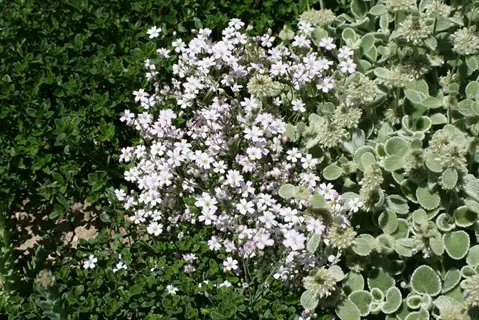
Elfin Thyme
- Botanical name: Thymus serpyllum 'Elfin' is one of the smallest thyme varieties, forming a tight, cushion-like mat barely 1 to 2 inches (2.5 to 5 cm) tall.
- Flavor profile: Very mild herbal scent with limited culinary use, grown primarily as a miniature ornamental ground cover for its delicate appearance.
- Growing habits: Grows at a slow pace but forms a dense, mossy carpet that looks stunning between flagstones, in fairy gardens, or along garden paths.
- Best uses: Perfect for small-scale landscaping projects, miniature gardens, and areas where a low, tidy ground cover is needed without aggressive spreading.
- Care needs: Tolerates light foot traffic and prefers lean, well-drained soil in full sun, but appreciates some afternoon shade in very hot climates.
- Winter hardiness: Hardy through zone 4 with good drainage, making it one of the most cold-resistant ornamental thyme options available for northern gardens.
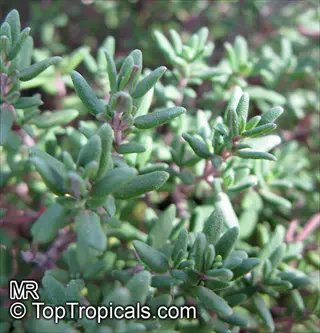
Woolly Thyme
- Botanical name: Thymus pseudolanuginosus is named for its soft, fuzzy, silver-gray leaves that feel almost like tiny felt pads when you touch them.
- Flavor profile: Not a cooking thyme due to its hairy leaf texture, but it releases a pleasant herbal fragrance when you step on it or brush against it.
- Growing habits: Creeps along the ground at 1 to 3 inches (2.5 to 7.5 cm) tall, draping over rock walls, raised bed edges, and container rims with a graceful cascade.
- Best uses: Prized as a textural accent plant in rock gardens, xeriscapes, and sensory gardens where visitors can touch and smell the soft foliage.
- Care needs: Demands excellent drainage and full sun, tolerating poor, rocky soil far better than rich garden loam that can cause root rot.
- Design tip: Plant woolly thyme next to dark-leaved companions like purple sage or dark opal basil for a striking silver-against-purple color contrast.
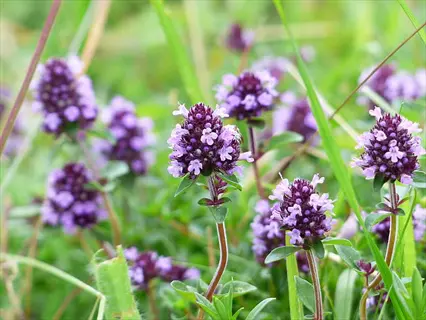
Caraway Thyme
- Botanical name: Thymus herba-barona gets its name from a distinctive caraway-like scent that sets it apart from every other thyme variety in the garden.
- Flavor profile: Earthy caraway and nutmeg notes blend with traditional thyme flavor, making it an unusual and flavorful addition to bread, meat rubs, and cheese dishes.
- Growing habits: Low-growing at 2 to 5 inches (5 to 13 cm) tall with a spreading habit, thriving in well-drained soil and full sun across zones 5 through 9.
- Best uses: A staple in Sardinian cooking for fresh cheeses and roasted meats, and now gaining ground among adventurous home cooks who seek unique herbs.
- Care needs: Grows well in rock gardens and between pavers, requiring the same lean soil and infrequent watering as most other thyme species.
- Rare find: Less commonly stocked at garden centers than English or lemon thyme, so ordering from specialty herb nurseries or starting from cuttings may be necessary.
Growing Conditions and Care
Learning how to grow thyme starts with one key fact: this herb evolved on dry, rocky slopes along the Mediterranean coast. That origin story tells you everything about its thyme care needs. Think of thyme as a desert athlete. It performs best when you keep it a bit stressed, giving it full sun, lean soil, and very little water.
Your thyme needs 6 to 8 hours of direct sunlight each day to build strong essential oils. Less light means leggy stems and weak flavor. I learned this the hard way when I planted thyme in a partly shaded bed and got bland leaves all season. The plant survived but it tasted like nothing compared to the one I grew in full sun just 10 feet away.
Well-drained soil matters more than anything else in your thyme care routine. Sandy or loamy soil with a pH between 6.0 and 8.0 works best. Avoid heavy clay because it holds too much moisture around the roots and invites rot. If your garden soil drains slow, mix in coarse sand or perlite, or plant thyme in a raised bed where water runs through fast. Thyme watering is simple once the plant settles in because it is drought tolerant. Water every 10 to 14 days and let the soil dry out between soakings.
Skip the fertilizer for thyme. This sounds wrong, but excess nitrogen makes the plant grow more leaves with weaker flavor and fewer essential oils. Lean soil forces thyme to put more energy into the compounds that give it that strong taste and scent. Thyme thrives in USDA hardiness zones 5a through 9b and comes back each year as a tough perennial.
You can also grow thyme indoors in containers with great results. Use a terracotta pot with drainage holes and fill it with a sandy potting mix. Place the pot near a south facing window or give it 12 to 14 hours under a grow light each day. Water even less indoors because the air holds more moisture than outdoor garden beds do.
Planting and Propagation
Planting thyme and thyme propagation give you several paths to choose from based on your skill level and how fast you want results. Seeds work fine if you have patience. Thyme cuttings get you there faster with an exact clone of the parent. Propagation by division gives you a full plant right away. NC State Extension confirms that cuttings, layering, and division all beat growing thyme from seed for speed and ease.
I have tried all 4 methods over the years. Growing thyme from seed tested my patience the most because the tiny seeds took 14 to 28 days just to sprout at around 70°F. Transplanting thyme seedlings outdoors added even more wait time. These days I reach for stem cuttings when I want a new plant because they root in just 2 to 3 weeks and give me harvest ready plants in half the time.
Growing Thyme from Seed
- Timeline: Thyme seeds germinate in 14 to 28 days at soil temperatures around 70°F (21°C), and plants reach harvestable size in their second growing season.
- Starting indoors: Sow seeds on the surface of moist seed-starting mix 6 to 8 weeks before the last expected frost, pressing them gently into the soil without covering them since they need light to germinate.
- Transplanting outdoors: Move seedlings outside after all frost danger has passed, spacing them 8 to 12 inches (20 to 30 cm) apart in a sunny spot with well-drained soil.
- Best for: Patient gardeners who want to grow many plants at low cost, since a single seed packet can produce dozens of thyme starts for garden beds and containers.
Propagating from Stem Cuttings
- Timeline: Stem cuttings root in about 2 to 3 weeks and produce a transplant-ready plant within 6 to 8 weeks, much faster than growing from seed.
- How to take cuttings: Cut a 3 to 4 inch (7.5 to 10 cm) stem tip from new green growth, strip the lower leaves, dip the cut end in rooting hormone, and place it in moist sterile sand or vermiculite.
- Rooting conditions: Keep cuttings in bright indirect light with consistent moisture and good air circulation until you see new growth, which signals that roots have formed below the surface.
- Best for: Intermediate gardeners who want exact genetic copies of a favorite variety, especially when preserving a plant with exceptional flavor or growth habit.
Dividing Established Plants
- Timeline: Division produces an established, harvestable plant almost immediately since each section already has a developed root system and mature stems.
- How to divide: In early spring before new growth starts, dig up a mature thyme plant and gently separate the root ball into two or three sections using your hands or a clean, sharp knife.
- Replanting: Place each division at the same depth it was growing before, water it in gently, and keep the soil lightly moist for the first two weeks while roots re-establish in their new location.
- Best for: Gardeners with mature thyme plants that have become woody or bare in the center, since division rejuvenates aging plants while creating free new starts.
Layering for Easy Rooting
- Timeline: Layered stems typically develop strong roots within 4 to 8 weeks while still attached to the parent plant, making this the most hands-off propagation method.
- How to layer: Bend a low-growing stem to the ground, pin it down with a landscape staple or small stone, and cover the contact point with a thin layer of soil while leaving the stem tip exposed.
- Separating new plants: Once the buried section has rooted (give it a gentle tug to check), cut it from the parent plant and transplant it to its new location.
- Best for: Beginners who want a foolproof method with almost no risk of failure, since the stem stays connected to the parent plant and receives nutrients while it roots.
Harvesting and Preserving Thyme
Knowing when to harvest thyme makes all the difference in how your food tastes. Thyme leaves hold their highest essential oil content just as the first flower buds crack open. That brief window is your flavor sweet spot. I check my plants every morning once buds start forming because that peak lasts just a few days.
Harvesting thyme is simple once you know the technique. Cut the top third of each stem using sharp scissors or garden snips. UF IFAS Extension confirms this method keeps the plant healthy and promotes new bushy growth. Never cut into the old woody part of the stem because thyme struggles to grow back from bare wood. You can harvest several times per season as long as you leave enough green growth for the plant to recover.
Storing thyme the right way extends your harvest for months or even years. Fresh vs dried thyme comes down to what you need it for. Fresh sprigs keep in your fridge for 7 to 10 days when wrapped in a damp paper towel. Drying thyme locks in the flavor for 1 to 3 years because the thymol compound resists heat breakdown. Hang small bundles upside down in a dry room with good airflow, or spread stems on newspaper as UF IFAS Extension suggests. You can also freeze whole sprigs for 4 to 6 months to preserve that fresh picked taste.
Preserving herbs like thyme in olive oil cubes is my favorite trick for quick weeknight cooking. Strip the leaves, pack them into ice cube trays, pour olive oil on top, and freeze them. Each cube gives you a perfect portion of thyme and cooking fat in one step. This method keeps for 3 to 6 months in your freezer.
Thyme Nutrition and Health
The thyme health benefits go far beyond adding flavor to your dinner. Per 3.5 oz of fresh leaves, you get 266% of your daily vitamin C. The thyme iron content hits 17.46 mg, which covers 218% of your daily needs. Those numbers come from a 2024 peer reviewed study by Waheed et al. in Food Science and Nutrition.
The thyme nutritional value looks even better when you check antioxidant power. Fresh thyme scores an ORAC value of 27,426 umol TE per 100g. That is over 30 times the antioxidant power of garlic by weight. You also get 158% of your daily vitamin A and 40% of your daily calcium from that same 3.5 oz serving. In my experience, no other thyme vitamins source in the herb garden comes close to these numbers.
Thymol is the main compound in thyme essential oil. It makes up about 10% to 64% of the total oil depending on variety. Lab studies show thymol has strong antioxidant and germ fighting effects. One clinical trial found that thyme extract cut cough by 73.7% in 9 days for bronchitis patients. Still, a review of 118 studies found only 3 human trials, so the research is early.
Thyme holds GRAS status from the US FDA as a safe food flavoring. Most adults can enjoy thyme tea or fresh thyme in meals every day. If you take blood thinners or are pregnant, talk to your doctor before using thyme essential oil or supplements. The whole leaf in cooking is much safer than concentrated extracts.
Pests, Diseases, and Fixes
Thyme is one of the toughest herbs you can grow. NC State Extension confirms it resists deer, rabbits, drought, pollution, and most insect attacks. In my years of growing thyme, I have dealt with only a handful of real problems. Most thyme pests and fungal diseases show up when the plant sits in too much moisture or poor airflow.
Thyme root rot kills more plants than any bug ever will. If your thyme wilts even though the soil feels wet, that is your warning sign. The fix is always the same: better drainage and less water. I lost 2 thyme plants in my first year because I treated them like basil and watered every other day. Once I backed off to every 10 to 14 days, the problem vanished. Below are the most common issues with spider mites, aphids, and botrytis. Each entry includes organic pest control fixes using neem oil and good garden habits.
Root Rot (Overwatering Damage)
- Symptoms: Stems turn brown or black at the base, leaves wilt despite moist soil, and the plant pulls out of the ground easily with few healthy roots remaining.
- Cause: Waterlogged soil suffocates roots and allows Pythium or Rhizoctonia fungi to attack, especially in heavy clay soils or containers without drainage holes.
- Prevention: Plant in raised beds or containers with fast-draining soil, add perlite or coarse sand to garden beds, and never water until the top inch (2.5 cm) of soil feels completely dry.
- Treatment: Remove the plant, trim away all dark or mushy roots, replant in fresh well-drained soil, and reduce watering frequency to allow the root zone to dry between soakings.
Gray Mold (Botrytis Rot)
- Symptoms: Fuzzy gray-brown mold appears on stems and leaves, often starting at the base where air circulation is poorest and moisture collects near the soil surface.
- Cause: Botrytis cinerea thrives in cool, damp conditions with poor airflow, making overcrowded plantings and shaded locations the highest risk environments for infection.
- Prevention: Space plants 8 to 12 inches (20 to 30 cm) apart, prune inner stems to improve airflow, use gravel mulch instead of organic mulch, and water at the base rather than overhead.
- Treatment: Remove and discard all infected plant parts, apply an organic copper-based fungicide or biofungicide to remaining healthy growth, and improve site drainage immediately.
Spider Mites
- Symptoms: Tiny yellow or white speckles appear on leaf surfaces, fine webbing forms between stems and leaves, and leaves eventually dry out and drop from the plant.
- Cause: Hot, dry conditions favor spider mite populations, which reproduce rapidly and feed by piercing leaf cells to extract moisture and nutrients from inside the tissue.
- Prevention: Spray plants with a strong jet of water every few days during hot, dry weather to knock mites off before populations build and to raise humidity around the foliage.
- Treatment: Apply insecticidal soap or neem oil spray to all leaf surfaces including the undersides, repeating every 5 to 7 days until no new damage or webbing appears.
Aphids
- Symptoms: Clusters of tiny green, black, or white soft-bodied insects gather on new stem tips and leaf undersides, leaving behind sticky honeydew that can attract sooty mold.
- Cause: Aphids are attracted to soft new growth, and populations can explode quickly in spring when natural predators like ladybugs and lacewings have not yet arrived.
- Prevention: Attract beneficial insects by planting flowering companions nearby, avoid excessive nitrogen fertilizer that promotes the tender new growth aphids prefer.
- Treatment: Blast aphids off with a strong water spray, or apply insecticidal soap or neem oil directly to infested areas, repeating treatments every 3 to 5 days as needed.
5 Common Myths
Thyme needs rich, heavily fertilized soil to produce the best flavor and essential oil content in its leaves.
Thyme actually produces stronger flavor in lean, low-nutrient soil because excess nitrogen promotes leaf growth at the expense of essential oil concentration.
You must start thyme from seed to get a healthy, productive plant that will last for many years in your garden.
Stem cuttings and root division produce established plants much faster than seeds, which take 14 to 28 days just to germinate and grow slowly in the first season.
All thyme varieties taste the same and can be used interchangeably in any recipe without affecting the dish.
Thyme varieties differ significantly in flavor, from the strong peppery taste of English thyme to the citrus notes of lemon thyme and the mild sweetness of French thyme.
Cold winter temperatures are the main reason thyme plants die during the dormant season in most growing zones.
Excess moisture and poor drainage kill far more thyme plants in winter than cold temperatures, since thyme tolerates freezing but not waterlogged roots.
Thyme is purely a culinary herb with no meaningful nutritional value beyond adding flavor to food.
Fresh thyme leaves contain 266% of the recommended daily vitamin C, 218% of daily iron, and antioxidant capacity over 30 times higher than garlic per equal weight.
Conclusion
Growing thyme is one of the smartest moves you can make in your garden. This tough perennial herb gives you fresh flavor for your kitchen, ground cover for your paths, and flowers that draw bees to your yard. Thyme care takes almost no effort once you get the basics right. In my years of growing herbs, no other plant has given me this much value for this little work.
The numbers behind this thyme plant still amaze me every time I share them. You get 266% of your daily vitamin C and 218% of your daily iron from just 3.5 oz of fresh leaves. Its antioxidant power beats garlic by over 30 times. Few culinary herbs can match that kind of nutrition from a plant you can grow on a windowsill or in a backyard bed.
Thyme does more than most herbs ever will. It seasons your food, covers your garden soil, feeds the bees, and packs a serious nutritional punch. This Mediterranean survivor thrives on simplicity just as it has for thousands of years. Give it sun, lean soil, and very little water. That is all it asks from you.
You can start with a single thyme plant from the nursery or grow a whole collection of varieties. Either way, you are adding one of the most reliable perennial herbs to your garden. Start small, keep it simple, and let thyme do what it does best. This ancient herb rewards you more when you do less.
External Sources
Frequently Asked Questions
What are the benefits of thyme?
Thyme provides culinary flavor, antioxidant and antimicrobial properties, high vitamin C and iron content, and ornamental ground cover value in gardens.
Does thyme need sun or shade?
Thyme needs full sun, meaning at least six to eight hours of direct sunlight each day for optimal growth and flavor.
Is thyme the same as rosemary?
No, thyme and rosemary are different plants in the same mint family, with distinct leaf shapes, flavors, and growth habits.
Does thyme come back every year?
Yes, thyme is a hardy perennial that returns each year in USDA zones 5a through 9b with proper winter drainage.
Can I drink thyme tea every day?
Most adults can safely enjoy thyme tea daily in moderate amounts since thyme holds GRAS status from the US FDA.
Who should not eat thyme?
People allergic to plants in the Lamiaceae family, those on blood-thinning medication, and pregnant women using concentrated thyme oil should exercise caution.
How to grow German thyme?
German thyme grows best in full sun with sandy, well-drained soil and is prized for its cold hardiness and moderate flavor.
Can you eat thyme leaves raw?
Yes, raw thyme leaves are safe and edible, adding a pungent earthy flavor to salads, dressings, and fresh dishes.
Is thyme good for arthritis?
Early lab studies show thymol and carvacrol have anti-inflammatory effects, but human clinical trials specifically for arthritis are still limited.
Is thyme better in pots or ground?
Both work well, but pots offer better drainage control while ground planting lets thyme spread naturally as ground cover.