
Introduction
Sweet basil tops the list of culinary herbs grown in home gardens around the world. Over 150 species fill the Ocimum genus, but sweet basil wins the top spot every time. Its bold aroma and fresh flavor make it a staple that no serious cook wants to skip.
I've grown Ocimum basilicum in my own garden for more than a decade now. The name basil traces back to the Greek word basilikon, which means royal. Alexander the Great brought it from Asia to Greece between 356 and 323 BCE. That royal status has stuck ever since. Scientists have found 54 phytochemical compounds in this single plant, making it far more than just a pizza topping.
Think of sweet basil as the Swiss Army knife of your herb garden. It serves your kitchen with fresh leaves for pesto and pasta. It fills your garden with blooms that attract bees and butterflies. It even gives you antioxidant and germ fighting compounds for better health. Few culinary herbs can pull that kind of triple duty.
This guide walks you through growing basil at home, from picking the right variety to harvesting leaves at peak flavor. You'll learn care tips that keep plants bushy all season long. You'll also find ways to store your harvest so the flavor lasts for months.
8 Popular Sweet Basil Varieties
You have 26 named cultivars of Ocimum basilicum to pick from, based on NC State Extension field trials. Some taste best in your Italian dishes while others shine in Thai curries. Your choice should match your cooking style and your local climate.
Disease resistant basil is now a real option for you thanks to the Rutgers breeding program. Their DMR lines let you grow great basil even in humid areas where downy mildew used to wipe out entire crops. In my experience, mildew can destroy your Genovese basil plants in a single week. These new varieties feel like a game changer. Here are 8 basil varieties I trust, from classic sweet basil vs Thai basil picks to stunning purple basil options.
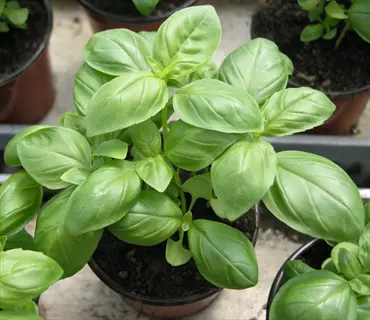
Genovese Basil
- Flavor Profile: Classic sweet and a bit peppery taste with strong clove-like undertones from its high eugenol content, making it the gold standard for Italian cooking.
- Plant Size: Grows 18 to 24 inches (45 to 60 centimeters) tall with large, dark green, cupped leaves that can reach 3 inches (7.5 centimeters) long.
- Best Uses: The preferred variety for traditional pesto, Caprese salad, bruschetta, and fresh pasta sauces where a bold basil flavor is essential.
- Growing Notes: Thrives in full sun with consistent moisture and performs best when temperatures stay between 70 and 85 degrees Fahrenheit (21 to 29 degrees Celsius).
- Disease Resistance: Moderate susceptibility to downy mildew, so gardeners in humid regions should watch leaves for yellowing between veins.
- Harvest Tip: Begin harvesting once the plant has at least three sets of true leaves, and pinch above a leaf pair to encourage side branching and bushier growth.
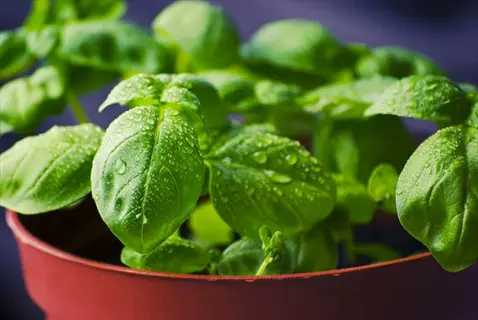
Rutgers Obsession DMR
- Flavor Profile: Almost identical taste to classic Genovese basil, with a sweet and aromatic character that professional chefs have rated high in blind taste tests.
- Plant Size: Compact growth habit reaching 16 to 20 inches (40 to 50 centimeters) tall, with broad, flat leaves that are ideal for layering in sandwiches and wraps.
- Best Uses: Perfect for gardeners in humid climates who want authentic Genovese flavor without the constant risk of downy mildew destroying their crop.
- Growing Notes: Bred by Rutgers University for home gardeners, this variety maintains vigor even in conditions that would devastate standard sweet basil.
- Disease Resistance: Rated highest among all tested cultivars at NC State Extension for combined disease resistance and flavor quality in controlled field trials.
- Harvest Tip: Harvest every one to two weeks to maintain dense foliage and prevent the plant from bolting in warm weather above 85 degrees Fahrenheit (29 degrees Celsius).
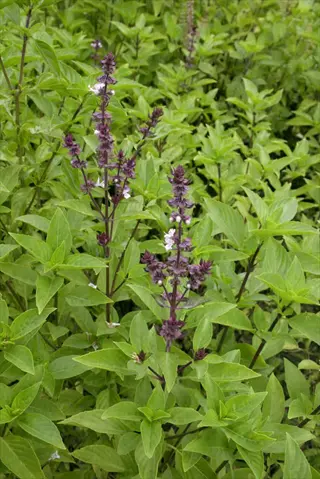
Thai Basil (Ocimum basilicum var. thyrsiflora)
- Flavor Profile: Bold, spicy, and licorice-forward with notes of anise and mint, holding its flavor far better than sweet basil when exposed to high cooking temperatures.
- Plant Size: Grows 12 to 18 inches (30 to 45 centimeters) tall with narrow, pointed, dark green leaves and attractive purple stems and flower clusters.
- Best Uses: Essential ingredient in Thai curries, Vietnamese pho, stir-fries, and Southeast Asian soups where its bold anise flavor stands up to chili and lemongrass.
- Growing Notes: More heat-tolerant than standard sweet basil and slower to bolt, making it a reliable choice for gardens in hot summer climates.
- Disease Resistance: Overall more resistant to downy mildew than common sweet basil varieties, though it is not fully immune in prolonged humid conditions.
- Harvest Tip: Harvest entire stems rather than individual leaves to encourage new growth from the base and maintain the plant's compact shape.
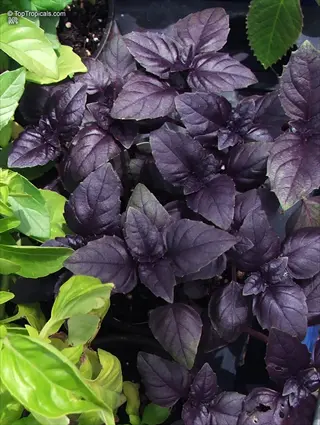
Purple Basil (Dark Opal)
- Flavor Profile: Milder and more floral than green sweet basil, with subtle clove and pepper notes that pair well with fruit, cheese, and vinegar-based dishes.
- Plant Size: Grows 14 to 20 inches (35 to 50 centimeters) tall with striking deep purple to maroon leaves that add dramatic color to any garden bed or container.
- Best Uses: Excellent as a garnish, in purple basil vinegar, in salads for visual contrast, and in cocktails where its color infuses into clear liquids with ease.
- Growing Notes: Needs the same full sun and warm conditions as green basil, but the purple pigmentation from anthocyanins acts as a natural antioxidant shield for the plant.
- Disease Resistance: Similar susceptibility to downy mildew as standard sweet basil, so spacing plants 10 to 12 inches (25 to 30 centimeters) apart improves airflow.
- Harvest Tip: Pick leaves in the morning when essential oil concentrations peak, and use them fresh because drying causes the vibrant purple color to fade to dark brown.
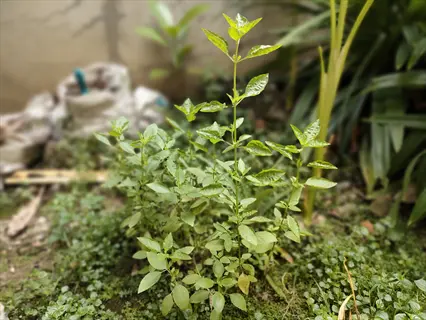
Lemon Basil
- Flavor Profile: Bright citrus aroma with a clean lemon zest finish that sets it apart from the clove-heavy profile of standard sweet basil varieties.
- Plant Size: Grows 12 to 20 inches (30 to 50 centimeters) tall with smaller, lighter green leaves and delicate white flowers that attract pollinators all season.
- Best Uses: Ideal for fish dishes, lemon-based sauces, salad dressings, herbal teas, and Southeast Asian recipes where citrus and herb flavors overlap.
- Growing Notes: A bit less cold-tolerant than Genovese basil, so wait until nighttime temperatures stay above 55 degrees Fahrenheit (13 degrees Celsius) to transplant.
- Disease Resistance: Moderate resistance to common basil diseases, though it benefits from good air circulation and avoiding overhead watering to prevent leaf moisture.
- Harvest Tip: Pinch flowers as soon as they appear to extend the harvest window because lemon basil bolts faster than most other sweet basil varieties.
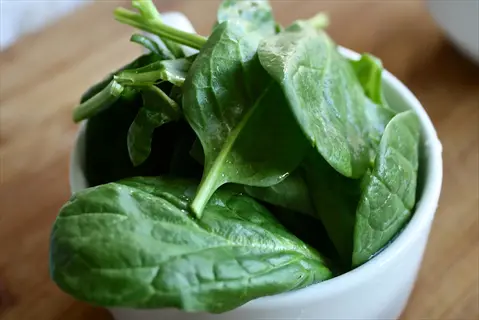
Lettuce Leaf Basil
- Flavor Profile: Mild and sweet with less pungency than Genovese, making it a good choice for people who find standard sweet basil too strong in raw applications.
- Plant Size: Grows 18 to 24 inches (45 to 60 centimeters) tall and produces oversized, ruffled leaves that can reach 4 to 5 inches (10 to 12 centimeters) across.
- Best Uses: The large leaf size makes it perfect for wrapping fish or cheese, layering in sandwiches, and using as a fresh garnish where visual impact matters.
- Growing Notes: Requires the same sun and soil as other sweet basil types but benefits from more frequent watering because the large leaves lose moisture faster.
- Disease Resistance: No special resistance to downy mildew, so plant in well-spaced rows and monitor leaf undersides for the telltale gray-purple spore patches.
- Harvest Tip: Pick the largest outer leaves first to let the center of the plant continue producing new growth throughout the growing season.
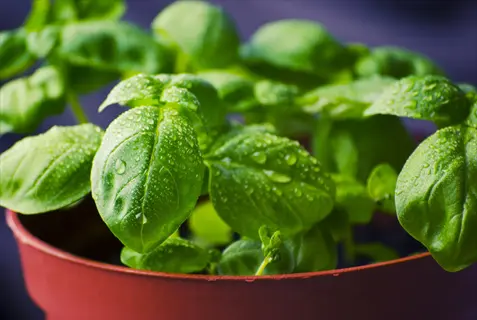
Prospera DMR Basil
- Flavor Profile: Sweet and aromatic with a well-balanced profile that mimics traditional Genovese flavor well, rated as an overall favorite in university extension trials.
- Plant Size: Grows 18 to 22 inches (45 to 55 centimeters) tall with classic medium-green leaves and a vigorous, branching growth habit that fills out containers fast.
- Best Uses: All-purpose cooking basil that works in pesto, sauces, salads, and fresh garnishes while providing strong disease protection for season-long productivity.
- Growing Notes: Developed for resistance to multiple strains of basil downy mildew, making it one of the most reliable choices for home gardeners in any region.
- Disease Resistance: One of the top-performing DMR cultivars in NC State Extension trials, showing strong resistance even under high humidity and dense planting conditions.
- Harvest Tip: This variety tolerates aggressive harvesting well, so cut up to one-third of the plant at a time and it will regrow within two to three weeks.
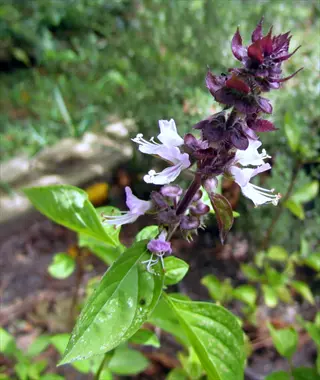
Cinnamon Basil
- Flavor Profile: Warm, spicy-sweet flavor with distinct cinnamon and clove notes that set it apart from all other basil types, making it a standout in desserts and teas.
- Plant Size: Grows 12 to 18 inches (30 to 45 centimeters) tall with serrated, medium-green leaves and attractive pink-purple flower spikes that bees love.
- Best Uses: Excellent in fruit salads, baked goods, chai-style teas, stewed fruits, and Asian-inspired desserts where warm spice notes complement sweetness.
- Growing Notes: Performs well in warm gardens and containers alike, with a faster growth rate than Genovese in hot climates above 85 degrees Fahrenheit (29 degrees Celsius).
- Disease Resistance: Moderate resistance to common pests and diseases, though it shares the same downy mildew vulnerability as most non-DMR basil cultivars.
- Harvest Tip: Harvest before full flowering to get the strongest cinnamon aroma, and dry the leaves at low temperature to preserve the delicate spice compounds.
Planting and Growing Sweet Basil
Learning how to grow sweet basil starts with good timing and the right setup. I begin my basil seed starting indoors about 4 to 6 weeks before the last frost date in my area. That head start gives your seedlings strong roots before they ever face the outdoor world.
Your basil sunlight needs are simple but strict. Give your plants 6 to 8 hours of direct sun each day, as noted by UMN Extension. Basil grows as a perennial in USDA Hardiness Zones 10a and 10b, but most of us grow it as a warm weather annual. When to plant basil outdoors depends on your local frost dates. Wait until nights stay above 50 degrees Fahrenheit before you move seedlings outside.
Basil soil requirements are easy to meet in most gardens. You want well drained soil that holds some moisture without staying soggy. I mix aged compost into my garden beds each spring, and that gives my basil everything it needs. For basil container gardening, use a good potting mix in pots at least 8 inches wide with drainage holes at the bottom.
Most people don't know you can also grow basil from stem cuttings in a glass of water. I tested this method last summer and had roots in about 10 days on every cutting. It's the fastest way to double your basil supply without buying more seeds or plants.
Starting Seeds Indoors
- Timing: Begin sweet basil seeds indoors four to six weeks before your region's last expected frost date to give seedlings time to develop strong root systems.
- Seed Depth: Plant seeds one-quarter inch (6 millimeters) deep in moist seed-starting mix, pressing them gently into the surface since basil seeds need some light for germination.
- Temperature: Keep soil temperature between 75 and 85 degrees Fahrenheit (24 to 29 degrees Celsius) for fastest germination, which typically takes 5 to 10 days under ideal conditions.
- Light Needs: Provide 12 to 16 hours of bright light per day using a grow light positioned 2 to 4 inches (5 to 10 centimeters) above seedlings to prevent leggy, weak stems.
Transplanting Outdoors
- Timing: Move basil seedlings outside only after all danger of frost has passed and nighttime temperatures stay consistently above 50 degrees Fahrenheit (10 degrees Celsius).
- Hardening Off: Gradually expose indoor seedlings to outdoor conditions over 7 to 10 days, starting with two hours of filtered sunlight and increasing exposure each day.
- Spacing: Space plants 10 to 12 inches (25 to 30 centimeters) apart to allow enough airflow between them, which helps prevent fungal problems like downy mildew.
- Soil Preparation: Amend garden soil with two to three inches (5 to 7.5 centimeters) of aged compost before planting to improve drainage and provide slow-release nutrients.
Growing in Containers
- Pot Size: Choose containers at least 8 to 10 inches (20 to 25 centimeters) wide and deep with drainage holes so roots have room to spread and excess water can escape.
- Soil Mix: Use a high-quality potting mix rather than garden soil, which compacts too tight in pots and restricts the oxygen flow that basil roots need to stay healthy.
- Watering: Water container basil whenever the top inch (2.5 centimeters) of soil feels dry, which may be daily during hot weather above 85 degrees Fahrenheit (29 degrees Celsius).
- Location: Place containers where they receive at least 6 to 8 hours of direct sunlight, or supplement with a full-spectrum grow light for indoor container growing.
Propagation from Cuttings
- Cutting Selection: Snip a 4-inch (10 centimeter) stem just below a leaf node from a healthy basil plant, choosing stems that have not yet produced flower buds for best results.
- Water Rooting: Place the cutting in a small glass of room-temperature water with the bottom two inches submerged and remove any leaves that would sit below the waterline.
- Root Development: Change the water every two to three days and expect visible roots to appear within 7 to 14 days in a warm location with bright indirect light.
- Transplanting Rooted Cuttings: Move cuttings to soil once roots reach 2 inches (5 centimeters) long, planting them at the same depth and keeping soil moist for the first week.
Sweet Basil Care and Maintenance
Good basil plant care comes down to a few simple habits you can build into your routine. I've killed more basil from overwatering than from any pest or disease, and that's the most common mistake I see new growers make too. The table below pairs each care factor with the biggest error to avoid so you can keep your plants strong.
The best basil pruning tips all come back to one science fact. When you pinch off the top of a basil stem, you remove what plant experts call the apical meristem. That top bud sends out hormones that keep the side buds asleep. Once you cut it off, those side buds wake up and grow into new branches. This is why pinching every 2 weeks turns a single stem into a thick, bushy plant.
Basil watering needs stay simple if you follow the 1 inch per week rule. Stick your finger into the soil up to the first knuckle. If it feels dry, water deep until it drains out the bottom. If it feels damp, leave it alone. Basil sunlight needs are just as clear: give your plants 6 to 8 hours of direct sun each day for the best leaf production.
Most guides say basil soil requirements call for a pH of 6.0 to 6.5. But research from Azizah et al. shows basil can handle a pH range from 4.3 to 8.2, which is much wider than people think. You'll get the best results between 6.0 and 7.0, but don't panic if your soil test comes back a bit outside that range. For basil fertilizer, go light with an organic feed every 4 to 6 weeks. Too much synthetic fertilizer causes nitrogen burn and reduces the oils that give basil its great taste.
Pests, Diseases, and Prevention
Even the best basil plant care can't protect you from every bug and disease out there. Basil pests diseases are a fact of life in the garden, but you can beat most of them with quick action and smart prevention. I learned the hard way when basil downy mildew wiped out my entire bed in under 2 weeks one humid August.
Basil downy mildew is the biggest threat you'll face. A water mold causes this disease, not a true fungus. That matters because standard fungicides won't stop it. Your best defense is growing disease resistant basil like Rutgers Obsession or Prospera DMR. You should also space plants for good airflow and water at the soil line instead of overhead.
Fusarium wilt is another serious problem with no cure once it takes hold. If you spot brown streaks on stems and wilting on just one side of your plant, pull it out and throw it away. Don't compost it. Basil aphids show up as tiny green clusters on new growth, but a strong blast of water from the hose knocks most of them off. For basil pest control against flea beetles, plant radishes nearby as a trap crop. The beetles go for the radishes and leave your basil alone.
Harvesting and Preserving Basil
Knowing how to harvest basil the right way keeps your plants growing strong all season. I always pick my basil in the morning before the sun gets hot because that's when the essential oils peak in the leaves. The trick is to never cut more than a third of the plant at one time. Follow that rule and your basil bounces back with fresh leaves in about 1 to 2 weeks.
Preserving basil lets you enjoy that fresh flavor long after the frost kills your plants. Freezing basil in olive oil cubes is my go to method because it locks in the taste for up to 6 months. Drying basil works too, but you lose some of those bright aromatic oils in the process. Making basil pesto and freezing it in small portions gives you a ready to use sauce any night of the week.
Most people don't know that basil seeds are also worth saving from your garden. Research from Calderon Bravo et al. shows that basil seed oil contains up to 75 grams of omega 3 per 100 grams of oil. People in Thailand and India have used basil seeds in drinks and desserts for a long time. They swell up in water and add a fun texture to beverages.
Freezing in Olive Oil Cubes
- Method: Chop fresh basil leaves and pack them into ice cube trays, then fill each compartment with olive oil and freeze until solid before transferring cubes to a freezer bag.
- Flavor Retention: Excellent, because the oil coats the leaves and protects volatile compounds from freezer burn, keeping the flavor close to fresh for four to six months.
- Best For: Dropping into pasta sauces, soups, and stir-fries where both basil flavor and cooking oil are needed without any extra preparation steps.
- Storage Life: Frozen basil oil cubes maintain good quality for up to six months in a standard home freezer kept at 0°F (minus 18°C).
Air Drying or Dehydrating
- Method: Bundle five to six stems together, hang them upside down in a warm and dry area with good airflow, and wait two to four weeks until leaves crumble between fingers.
- Flavor Retention: Moderate, since drying removes most water-soluble vitamins and some volatile essential oils, resulting in a more concentrated but different flavor than fresh basil.
- Best For: Seasoning blends, dry rubs, herbal teas, and pantry storage where a milder basil flavor is fine in the final dish.
- Storage Life: Dried basil stored in an airtight glass jar away from light keeps its flavor for up to one year at room temperature.
Blanching and Freezing Whole Leaves
- Method: Dip basil leaves in boiling water for two seconds, transfer them to an ice bath right away, pat dry, and freeze flat on a parchment-lined tray before bagging.
- Flavor Retention: Good, because blanching stops enzymes that cause browning while the quick freeze locks in color and most of the fresh basil aroma.
- Best For: Dishes where whole leaves are needed as a topping, such as pizza, bruschetta, or layered salads that benefit from visible basil pieces.
- Storage Life: Blanched and frozen leaves maintain quality for three to four months, though they soften after thawing and work better in cooked dishes than raw ones.
Fresh Pesto for the Freezer
- Method: Blend fresh basil with olive oil, garlic, pine nuts, and Parmesan cheese, then spoon the pesto into ice cube trays or small freezer-safe containers for easy portioning.
- Flavor Retention: Excellent, because the oil and fat from cheese and nuts create a shield around the basil compounds, preserving flavor very well.
- Best For: Quick weeknight pasta, pizza drizzle, sandwich spreads, and marinades where a burst of basil flavor saves you time in the kitchen.
- Storage Life: Frozen pesto keeps for up to three months without major flavor loss, and cubes thaw in about ten minutes at room temperature.
Health Benefits and Nutrition
The basil health benefits go far beyond adding flavor to your dinner plate. Fresh basil leaves pack just 23 calories per 3.5 ounces but deliver a huge punch of vitamins and minerals. I started paying attention to basil nutrition after I learned what this herb offers gram for gram.
Basil vitamin K content is the real standout here. Just 3.5 ounces of fresh leaves give you 346% of your daily value of Vitamin K. Your body uses this vitamin to build strong bones and help blood clot the right way. You also get 175% of your daily Vitamin A for eye health and 40% of your iron to help carry oxygen through your blood.
Research from Azizah et al. found 54 basil phytochemicals inside this one plant. These compounds are behind the basil antioxidant benefits you may have heard about. They also help fight germs and reduce swelling. One study on basil essential oils found they fought fungi 10 to 100 times better than a common drug. That's impressive for a plant you can grow on your windowsill.
Keep in mind that most health studies so far used lab tests and animal models, not human trials. You should enjoy basil as part of a balanced diet, not as a replacement for medical care. If you take blood thinning drugs, talk to your doctor before eating large amounts of basil due to that high Vitamin K content.
5 Common Myths
Sweet basil must be grown outdoors in a large garden bed to produce a meaningful harvest for cooking.
Sweet basil grows well in containers as small as 8 inches (20 centimeters) wide and can produce abundant leaves on a sunny windowsill or patio.
You should let sweet basil flower because the blooms improve the flavor of the leaves for cooking.
Once basil flowers, the plant shifts energy to seed production, which reduces leaf flavor and makes the foliage taste bitter.
Sweet basil and tomatoes grown together always boost each other's flavor and repel all pests.
While basil may deter some insects near tomatoes, peer-reviewed research has not confirmed that companion planting changes the flavor of either plant.
Dried sweet basil is just as flavorful and nutritious as fresh basil leaves straight from the plant.
Drying reduces many volatile essential oils and heat-sensitive vitamins, which means fresh basil delivers stronger aroma and more nutrients per serving.
All basil varieties taste the same and can be swapped freely in any recipe without changing the dish.
Sweet basil, Thai basil, lemon basil, and cinnamon basil each have distinct flavor profiles that change the character of a dish significantly.
Conclusion
Sweet basil earns its spot as one of the most useful herbs you can grow at home. It feeds your kitchen, supports your garden, and packs 54 phytochemical compounds that benefit your health. Few plants deliver that much value from a single pot on your patio.
The key steps are simple. Pick a DMR basil variety like Rutgers Obsession or Prospera if you live in a humid area. Pinch stems above a leaf pair every 2 weeks to keep your Ocimum basilicum plants bushy and full of leaves. When harvest time comes, freeze your basil in olive oil cubes to lock in flavor for months.
Growing basil connects you to one of the oldest herb traditions on the planet. This plant traveled from tropical Africa and Asia to ancient Greece more than 2,000 years ago. Modern research now backs what growers knew all along. With 26 documented basil varieties and strong basil health benefits, you can grow this royal herb with real confidence. That 346% daily value of Vitamin K alone makes it worth the space.
In my experience, even one or two plants will change how you cook at home. Start this season and see how fast basil becomes a staple in your garden and your meals. Once you taste the difference between fresh and store bought, you won't want to go back.
External Sources
Frequently Asked Questions
Are sweet basil and basil the same thing?
Sweet basil (Ocimum basilicum) is the most common type of basil, but basil is a broader term covering over 150 species in the genus Ocimum, including Thai basil, holy basil, and lemon basil.
What is sweet basil used for?
Sweet basil is used in cooking for dishes like pesto, Caprese salad, pasta sauces, and soups. It is also used in teas, essential oils, and traditional herbal preparations.
Can basil lower blood pressure?
Some animal studies suggest basil compounds like eugenol may have mild vasodilatory effects, but human clinical evidence is limited and basil should not replace medical treatment.
What is sweet basil called in India?
Sweet basil is commonly called Sabja or Tukmaria in Hindi. The seeds are widely used in Indian beverages like falooda and sherbet.
What's another name for sweet basil?
Sweet basil is also known as common basil, Genovese basil (a popular cultivar), and by its scientific name Ocimum basilicum.
Can sweet basil be eaten raw?
Yes, sweet basil is safe and delicious to eat raw. Fresh leaves are commonly added to salads, sandwiches, and dishes like Caprese right before serving.
Is sweet basil healthy?
Sweet basil is rich in Vitamin K, Vitamin A, iron, and antioxidants. Research has documented 54 beneficial phytochemical compounds in the plant.
What does sweet basil repel?
Sweet basil is known to repel mosquitoes, flies, aphids, and certain beetles. Gardeners often plant it near tomatoes and peppers as a companion crop.
Who should not eat basil?
People on blood-thinning medications should consult a doctor before eating large amounts of basil due to its high Vitamin K content, which affects blood clotting.
What is the strongest herb for high blood pressure?
Hibiscus is often cited in clinical research as one of the most effective herbs for supporting healthy blood pressure, though any herbal approach should complement medical advice.