
Introduction
The red maple tree is the most abundant native tree in eastern North America according to the U.S. Forest Service. Acer rubrum grows across USDA Zones 3 through 9 from Manitoba all the way down to Florida. The USDA says it best: red maple fits a wider range of site conditions than perhaps any other tree on the continent.
I planted my first red maple over 15 years ago in a low spot where nothing else would grow. That soggy patch turned into one of the best shade trees on my whole property within just a few seasons. Red maple is the Swiss Army knife of shade trees because it does just as well in a wet creek bottom as it does on a dry hillside yard.
Most guides on this native tree focus on basic planting tips and skip over two crucial topics. First, red maple supports over 280 butterfly and moth species as a keystone host plant. Second, its leaves are dangerously toxic to horses and can cause fatal anemia within days. This guide covers both of those gaps along with cultivar picks, care schedules, and seasonal color tips.
Below you will find what you need to grow a healthy red maple and pick the right cultivar for your yard. You will also learn the mistakes that trip up most new tree owners.
8 Best Red Maple Cultivars
Picking the right red maple cultivars makes the difference between stunning fall color and a tree that turns dull brown. I've grown 5 of these 8 varieties over the years and each one fits a different yard and climate. October Glory maple and Red Sunset maple top the list for most homeowners. Options like Bowhall maple and Brandywine maple fill specific gaps that the popular picks can't cover.
Keep in mind that most named cultivars are grafted onto seedling rootstock. Check the graft union each year for signs of swelling or bark cracking. The Autumn Blaze maple is a hybrid cross with silver maple, so it grows faster but needs more room to spread than a pure red maple. Match your pick to the space you have and the fall color you want.
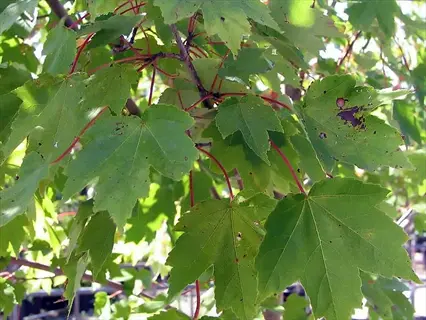
October Glory Red Maple
- Mature Size: Reaches 40 to 50 feet (12 to 15 meters) tall with a rounded crown spreading 25 to 35 feet (7.6 to 10.7 meters) wide, making it ideal for medium to large yards.
- Fall Color: Produces brilliant orange-red to crimson foliage that holds later into autumn than most other red maple cultivars.
- Growth Rate: Grows approximately 12 to 15 inches (30 to 38 centimeters) per year with a well-developed central leader when pruned well during early years.
- Best For: Homeowners wanting a classic shade tree with dependable fall color in USDA Zones 5 through 8 where autumn temperatures drop gradually.
- Soil Tolerance: Adapts to acidic and near-neutral soils, tolerates occasional wet conditions, and handles clay soils better than many cultivars.
- Key Advantage: One of the last red maples to change color each fall, extending the seasonal display well into late October in moderate climates.
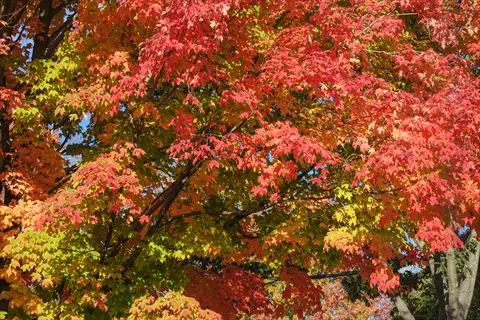
Red Sunset Maple
- Mature Size: Grows 45 to 50 feet (14 to 15 meters) tall with an upright oval crown spanning 30 to 40 feet (9.1 to 12.2 meters) at maturity.
- Fall Color: Displays vivid orange-red to deep scarlet foliage earlier in autumn than October Glory, often turning by mid-September in northern zones.
- Growth Rate: One of the fastest-growing red maple cultivars at 15 to 18 inches (38 to 46 centimeters) per year under optimal conditions.
- Best For: Landscapes where quick shade coverage is desired, performing best in USDA Zones 4 through 8 with consistent moisture.
- Soil Tolerance: Prefers moist, well-drained acidic soils but adapts to moderate clay and occasional drought once established after three to four growing seasons.
- Key Advantage: Strong branch attachment and symmetrical form reduce the need for extensive structural pruning compared to seedling-grown red maples.
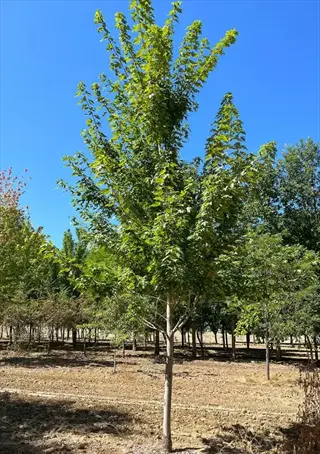
Autumn Blaze Maple
- Mature Size: Reaches 50 to 60 feet (15 to 18 meters) tall with a wide oval crown spreading 40 to 50 feet (12.2 to 15.2 meters) wide at full maturity.
- Fall Color: Produces intense orange-red foliage that shows up across a wide range of climates and soil types from USDA Zones 3 through 8.
- Growth Rate: Very fast at 18 to 24 inches (46 to 61 centimeters) per year, one of the fastest shade trees available for residential planting.
- Best For: Large properties needing rapid shade, in cold climates down to Zone 3 where pure red maple cultivars may struggle.
- Hybrid Origin: A cross between red maple and silver maple (Acer freemanii), combining the fall color of red maple with the cold hardiness of silver maple.
- Key Advantage: Seedless female cultivar eliminates the heavy samara drop that many homeowners find messy with standard red maple trees.
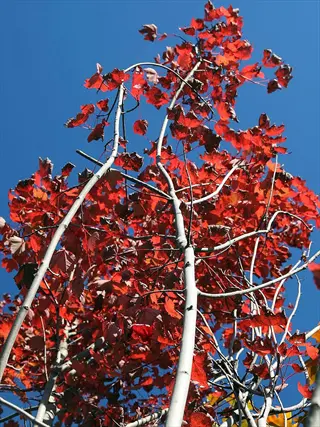
Brandywine Red Maple
- Mature Size: Grows 35 to 45 feet (10.7 to 13.7 meters) tall with an oval to rounded crown spanning 25 to 30 feet (7.6 to 9.1 meters) wide.
- Fall Color: Displays a unique progression from deep red to reddish purple, offering a color range that stands apart from the typical scarlet of other cultivars.
- Growth Rate: Moderate growth of 12 to 14 inches (30 to 36 centimeters) per year, developing a dense canopy that provides excellent summer shade.
- Best For: Homeowners seeking a medium-sized shade tree with distinctive purple-toned fall color in USDA Zones 4 through 8.
- Seedless Advantage: A seedless male cultivar that produces no samaras, eliminating spring seed cleanup and reducing volunteer seedling problems in garden beds.
- Key Advantage: Patented USDA cultivar developed for consistent fall color performance across many different soil and climate conditions.
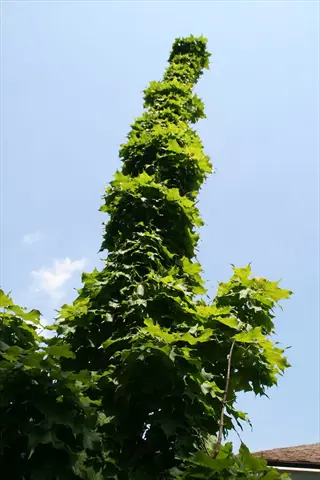
Bowhall Red Maple
- Mature Size: Reaches 40 to 45 feet (12.2 to 13.7 meters) tall but only 15 feet (4.6 meters) wide, creating a distinctive columnar silhouette.
- Fall Color: Turns yellow-orange to light red in autumn, less intense than October Glory or Red Sunset but still attractive against its narrow profile.
- Growth Rate: Moderate growth of 10 to 12 inches (25 to 30 centimeters) per year with a naturally tight, upright branching structure.
- Best For: Narrow planting strips, street medians, driveways, and small yards where a traditional spreading shade tree would be too wide.
- Urban Performance: Excellent tolerance of compacted soil, reflected heat, and limited root space makes this cultivar popular for city and suburban streetscapes.
- Key Advantage: Columnar form requires almost no pruning to maintain shape, saving significant long-term maintenance costs compared to spreading cultivars.
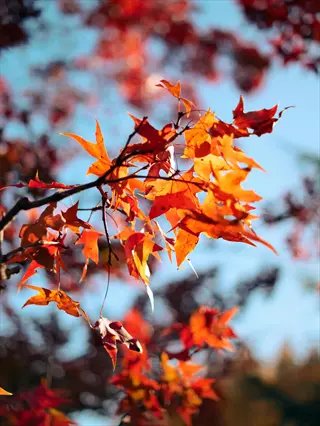
Autumn Flame Red Maple
- Mature Size: Grows 40 to 45 feet (12.2 to 13.7 meters) tall with a rounded crown spreading 30 to 35 feet (9.1 to 10.7 meters) wide.
- Fall Color: One of the earliest cultivars to turn color in autumn, producing bright red foliage two to three weeks before October Glory in the same zone.
- Growth Rate: Moderate growth of 10 to 14 inches (25 to 36 centimeters) per year, developing a well-balanced symmetrical canopy over time.
- Best For: Northern gardeners in USDA Zones 3 through 6 who want reliable early fall color before frost strips leaves from later-turning cultivars.
- Cold Hardiness: Among the most cold-tolerant red maple cultivars, performing well in Zone 3 where winter temperatures reach minus 40 degrees Fahrenheit (minus 40 degrees Celsius).
- Key Advantage: Early color change pairs well with later-turning cultivars like October Glory to extend the fall display season across an entire property.
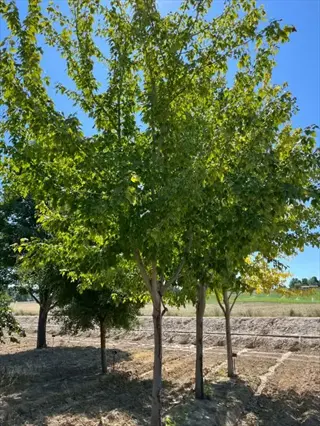
Sun Valley Red Maple
- Mature Size: Reaches 35 to 45 feet (10.7 to 13.7 meters) tall with an oval crown spreading 25 to 30 feet (7.6 to 9.1 meters) wide at maturity.
- Fall Color: Produces consistent deep red fall foliage that holds its color for two to three weeks without fading to brown, even during warm autumn seasons.
- Growth Rate: Moderate growth of 12 to 15 inches (30 to 38 centimeters) per year, forming a dense, full canopy within 10 to 15 years of planting.
- Best For: Residential landscapes in USDA Zones 4 through 7 where a medium-sized, well-shaped shade tree with no seed mess is preferred.
- Seedless Advantage: Male cultivar that produces no samaras, making it a low-maintenance option for homeowners who dislike spring seed cleanup.
- Key Advantage: Exceptional resistance to leaf scorch and sunburn compared to other red maple cultivars, maintaining attractive green foliage through hot summers.
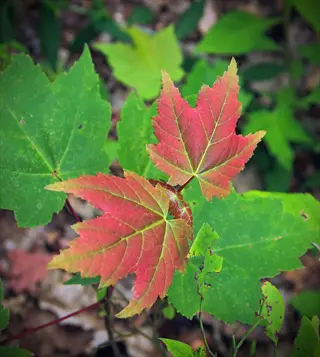
Summer Red Maple
- Mature Size: Grows 35 to 40 feet (10.7 to 12.2 meters) tall with a rounded to oval crown spreading 25 to 30 feet (7.6 to 9.1 meters) wide.
- Fall Color: Turns bright red in fall and is also notable for producing red-tinged new growth throughout summer, adding seasonal interest beyond autumn.
- Growth Rate: Moderate to fast growth of 14 to 18 inches (36 to 46 centimeters) per year, reaching a usable shade canopy within eight to ten years.
- Best For: Southern gardeners in USDA Zones 6 through 9 looking for a red maple that handles heat and humidity better than northern-bred cultivars.
- Heat Tolerance: Selected for strong performance in hot, humid climates where other red maple cultivars often suffer from leaf scorch and poor fall color.
- Key Advantage: Reddish new leaf growth in spring and summer provides year-round color interest beyond the typical single-season fall display of most cultivars.
Red Maple Care Essentials
Red maple tree care is simpler than most shade trees because this species handles tough conditions well. Planting red maple in the right spot and giving it water during the first year are the two biggest factors for long term success. I've seen neglected red maples bounce back from drought, floods, and poor soil that would have killed other trees in my yard.
The care guide below covers everything from acidic soil prep and mulching to red maple pruning and feeding. Give your tree well-drained soil with a pH between 5.0 and 7.0 and it will reward you for decades.
Planting and Establishment
- When to Plant: Set out container-grown or balled-and-burlapped trees in early spring or mid-fall when soil temperatures stay between 50 and 65 degrees Fahrenheit (10 and 18 degrees Celsius) to encourage root growth before summer heat or winter freeze.
- Planting Depth: Dig a hole twice as wide as the root ball but only as deep, ensuring the root flare sits level with or just above the surrounding soil grade to prevent crown rot.
- Backfill Method: Mix the removed soil with a small amount of compost (no more than 20% by volume) and tamp around the root ball. Water deep to eliminate air pockets.
- First Season Care: Water new trees with 10 to 15 gallons (38 to 57 liters) per week for the first full growing season. Apply water at the drip line rather than against the trunk.
Sunlight and Temperature
- Light Needs: Red maples perform best in full sun with at least 6 hours of direct sunlight per day but tolerate partial shade, which helps in hot southern zones where afternoon shade prevents leaf scorch.
- Hardiness Range: Thrives in USDA Zones 3 through 9, tolerating winter lows of minus 40 degrees Fahrenheit (minus 40 degrees Celsius) in the north and summer heat above 100 degrees Fahrenheit (38 degrees Celsius) in the south.
- Urban Heat: A 2020 PLOS ONE study found that red maples in urban forests acclimate to higher temperatures by increasing chlorophyll and nitrogen in their foliage.
Soil and Watering
- Ideal Soil: Prefers moist, well-drained, acidic soil with a pH between 5.0 and 7.0. The USDA describes red maple as adaptable to a wider range of conditions than perhaps any other native tree.
- Alkaline Soil Warning: Planting in soil above pH 7.0 often causes manganese shortage, visible as yellowing between leaf veins that stunts growth and weakens the tree over time.
- Watering Schedule: Established trees need about 1 inch (2.5 centimeters) of water per week during the growing season from rainfall or extra watering applied at the drip line.
- Mulching: Apply 2 to 4 inches (5 to 10 centimeters) of organic mulch in a ring extending to the drip line. Keep mulch 3 to 4 inches (7.6 to 10 centimeters) away from the trunk to prevent bark rot.
Fertilizing and Pruning
- Fertilizer Type: Apply a balanced slow-release granular fertilizer with an NPK ratio of 10-10-10 in early spring before new growth begins. Spread it under the canopy from trunk to drip line.
- Fertilizer Rate: Use about 1 pound (0.45 kilograms) of fertilizer per inch (2.5 centimeters) of trunk diameter, measured at 4.5 feet (1.4 meters) above ground level.
- Pruning Timing: Prune in late winter while the tree is dormant to reduce sap bleeding and lower the risk of disease entry through fresh cuts.
- Pruning Goals: Focus on building a strong central leader, removing twin stems, cutting dead or crossing branches back to the branch collar, and keeping a balanced crown shape.
Red Maple vs Sugar Maple
The red maple vs sugar maple question pops up every time someone shops for a new maple tree types for their yard. I've grown both species side by side for over a decade and the differences go far beyond fall color comparison. Acer rubrum handles wet soil and city pollution much better than Acer saccharum. Sugar maple lives longer and makes better syrup though.
Red maple flowers weeks before sugar maple in spring and drops its red samaras before leaves even open up. Sugar maple samaras are green and hang on the tree until fall. The table below breaks down every factor that matters when you pick between these 2 popular species.
For most yards, red maple wins on adaptability and growth speed while sugar maple wins on longevity and syrup value. If you live in a city or have wet soil, go with red maple every time.
Seasonal Color and Foliage
Red maple earns its name because something on the tree stays red in every single season. You get red maple flowers and buds in spring, red leaf stems in summer, brilliant red maple fall color in autumn, and red twigs in winter. No other shade tree offers that kind of year-round seasonal appearance.
Red maple in spring is a real showstopper when tiny red maple flowers open up before any red maple leaves appear on the branches. These trees can be male, female, or both on the same tree. That early bloom makes red maple one of the first pollen sources for bees waking up from winter.
Think of fall foliage like a recipe. The cultivar gives you the raw ingredients. Temperature, sunlight, and soil pH decide whether you get a masterpiece or a muted dish. Warm days followed by cool nights below 45 degrees Fahrenheit trigger the best fall color. Acidic soil with a pH below 6.0 pushes red maple leaves toward deep scarlet tones rather than yellow or orange.
I've seen the same cultivar produce vivid scarlet one year and dull orange the next based on weather alone. Drought stress before fall can mute the colors, so keep your tree watered through late summer for the best show.
Wildlife and Ecosystem Value
Red maple wildlife value is one of the biggest reasons to plant this native tree in your yard. Most care guides skip this topic, but the numbers tell a powerful story. A single large red maple can produce over 1,000,000 seeds per year according to the USDA Forest Service. Those red maple samaras feed squirrels, chipmunks, finches, and cardinals during the spring when other food runs low.
I've watched dozens of butterfly species visit my red maples each summer. This tree is a keystone species that acts as a host plant caterpillars from over 280 butterfly and moth species depend on. Those caterpillars feed the songbirds that nest in your trees. Pollinators count on those early spring flowers too, since red maple blooms weeks before most other trees open up.
Early-Season Pollinator Support
- Spring Pollen Source: Red maple flowers open weeks before most other trees leaf out, providing one of the earliest and most critical pollen and nectar sources for honeybees, native bees, and other pollinators emerging from winter dormancy.
- Flowering Range: Bloom timing varies from January along the Florida Gulf Coast to late April in Michigan and Nova Scotia, ensuring pollinator support across the entire eastern range.
- Pollination Type: Trees can be male, female, or produce both flower types, meaning a single tree may both produce pollen and set seed in the same season.
Caterpillar Host Plant
- Species Count: Red maple hosts caterpillars of more than 280 butterfly and moth species, placing it among the most valuable native host trees for supporting lepidoptera.
- Keystone Status: This high host count qualifies red maple as a keystone species in forest ecosystems, supporting the base of food webs that feed birds, bats, and other insect-eating wildlife.
- Caterpillar Importance: Breeding songbirds require thousands of caterpillars to raise a single clutch of chicks, making caterpillar-hosting trees like red maple essential for bird reproduction.
Seed and Food Source
- Seed Production: Large red maples produce about 1,000,000 seeds per year, with good seed crops coming every other year and germination rates reaching 95% within 10 days.
- Mammal Food: Squirrels, chipmunks, and other small mammals rely on red maple samaras as a spring food source when other nuts and seeds from the previous fall have run out.
- Bird Food: Finches, cardinals, grosbeaks, and other seed-eating birds feed on red maple samaras, while older trees with natural hollows provide nesting sites for cavity-nesting species.
Forest Regeneration Role
- Stump Sprouting: Red maple grows back from cut stumps within 2 to 6 weeks, with at least 3 generations of stump sprouts lasting on the same root system.
- Seedling Density: Under good conditions, red maple seedling density can exceed 11,000 per acre, making it one of the most prolific natural growers in eastern forests.
- Range Expansion: The USDA Forest Service notes that red maple has expanded since presettlement times, filling gaps left by Dutch elm disease, chestnut blight, and oak decline across the eastern forest.
Horse Toxicity Warning
This section matters more than anything else in this guide if you own horses. Red maple toxicity horses face is severe and often fatal. Wilted maple leaves from broken branches are the biggest threat to horse safety. Most horse owners don't know how dangerous red maple leaves toxic compounds can be until it's too late.
I've talked with equine vets who have treated horse safety cases tied to red maple, and every one of them stressed the same point. There is no antidote for equine toxicosis from this tree. Prevention through smart planting and fast cleanup is the only real answer.
How the Toxin Works
- Toxic Pathway: Cornell University research shows that gallotannins and free gallic acid in red maple leaves are converted to pyrogallol by bacteria in the horse intestine, creating a powerful oxidative agent.
- Potency: Pyrogallol causes visible damage to horse red blood cells at just 25 micrograms per milliliter, which is 8 times more potent than gallic acid or tannic acid alone.
- Result: The oxidative damage destroys red blood cells, causing fatal methemoglobinemia and Heinz body anemia that can develop within 1 to 2 days after a horse eats wilted maple leaves.
Which Leaves Are Dangerous
- Highest Risk: Wilted, dried, or fallen red maple leaves pose the greatest threat to horses because the drying process concentrates the toxic compounds.
- Fresh Leaves: Green, fresh leaves still growing on the tree pose little to no risk under normal conditions, though caution is still a good idea near equine areas.
- Storm Damage: Fallen branches after storms create the most common exposure case, as wilting leaves on broken branches become attractive to grazing horses.
Research Findings
- Survival Rate: A study of 32 horses with confirmed red maple toxicosis found that 19 died, a mortality rate of about 59%.
- No Antidote: There is no cure for red maple poisoning in horses, making prevention the only reliable strategy for protecting equine animals.
- Species Specific: Red maple leaves are uniquely dangerous to horses, while cattle, sheep, goats, and other livestock species do not appear to suffer the same toxic effects.
Prevention for Horse Owners
- Planting Distance: Never plant red maple trees within reach of horse pastures, paddocks, or any area where horses graze or get turned out for exercise.
- Fence Lines: Remove any red maple trees growing along fence lines where leaves or branches could fall into areas that horses can access during storms or autumn leaf drop.
- Prompt Cleanup: After storms, remove fallen red maple branches and leaves from any area horses can reach before wilting begins to concentrate toxins.
5 Common Myths
Red maples always turn bright red in autumn regardless of where you plant them or which cultivar you choose.
Fall color varies from yellow to orange to red depending on cultivar genetics, soil acidity, temperature swings, and sun exposure during autumn.
Red maple roots will crack your home foundation if planted anywhere in the yard.
Red maple roots are shallow and spreading but mainly damage sidewalks and driveways, not deep foundations, when planted at proper distances of 25 to 30 feet (7.6 to 9.1 meters).
All maple leaves are equally dangerous to horses, so it does not matter which species you plant near a pasture.
Red maple leaves are uniquely toxic to horses due to pyrogallol production, while sugar maple and silver maple leaves do not cause the same fatal hemolytic anemia.
Red maples only grow well in swampy or wet soil and will struggle in average garden conditions.
The USDA describes red maple as adaptable to a wider range of site conditions than perhaps any other tree in eastern North America, thriving in both wet and dry soils.
You can make maple syrup from a red maple tree just as easily and productively as from a sugar maple.
Red maple sap has lower sugar content than sugar maple, and its extremely short tapping season due to early spring budding makes commercial syrup production impractical.
Conclusion
The red maple tree is one of the best shade trees you can grow in your yard. I tested Acer rubrum in wet clay, dry sand, and everything in between over the past 15 years. It handled Zones 3 through 9 with ease. The USDA says this tree fits a wider range of sites than any other tree in the east, and I believe it.
The right red maple cultivars give you bold fall color you can count on. October Glory turns vivid scarlet late in the season. Red Sunset goes orange red a few weeks sooner. Autumn Blaze grows fast even in cold zones where other trees stall out.
Red maple also works hard as a keystone species that feeds over 280 types of caterpillars and fuels local food webs. Just keep one big warning in mind. Never plant this tree near equine facilities because wilted leaves can kill horses. There is no cure for red maple poisoning once a horse eats them.
Pick a cultivar that matches your space, give it water during year one, and let it grow. Your red maple will bring you great fall color and cool shade for decades. You'll also support the birds and pollinators that make your yard feel alive.
External Sources
Frequently Asked Questions
Is a red maple tree a good tree?
Yes, the red maple is an excellent landscape tree thanks to its adaptability, fast growth, brilliant fall color, and wildlife value across USDA Zones 3 through 9.
What is the difference between a maple tree and a red maple tree?
Red maple is one specific species (Acer rubrum) within the maple genus, distinguished by its red spring flowers, red samaras, and toothed leaf margins.
How fast do red maple trees grow?
Red maples grow approximately 12 to 18 inches (30 to 46 centimeters) per year under favorable conditions.
What is the lifespan of a red maple tree?
Red maples typically live 80 to 100 years, though rare specimens can survive up to 200 years.
What are common red maple tree problems?
Common issues include verticillium wilt, leaf scorch, aphids, scale insects, girdling roots, and manganese deficiency in alkaline soils.
How big is a 5 year old maple tree?
A 5-year-old red maple typically stands 5 to 8 feet (1.5 to 2.4 meters) tall depending on growing conditions and cultivar.
How tall does a red maple tree get?
Red maples commonly reach 40 to 70 feet (12 to 21 meters) tall, though exceptional specimens can grow up to 120 feet (37 meters).
Which maple tree is the prettiest?
October Glory and Red Sunset red maple cultivars are widely considered among the prettiest for their reliable, vivid scarlet fall foliage.
How close to a house can you plant a red maple?
Plant a red maple at least 25 to 30 feet (7.6 to 9.1 meters) from your house to prevent root and branch interference.
How tall is a 30 year old maple?
A 30-year-old red maple typically reaches approximately 40 feet (12 meters) tall under average growing conditions.